Quick answer
For babies and toddlers, choose smooth, flat buttons at least 20 mm (about 3/4 inch) across, attach them with a secure shank and reinforced thread, and skip tiny or decorative buttons that can loosen. For older kids, 12–15 mm buttons work well on shirts and cardigans. When in doubt, use a closure that does not rely on a small button, such as a snap, tie, or zipper charm.
Baby and children's clothing gets pulled, chewed, washed, and handed down. A button that looks charming on the bolt can become a choking hazard or a repair job if it is the wrong size, shape, or attachment style.
This guide gives you concrete rules for choosing buttons for baby clothes and children's clothing, from newborn knits to school-age cardigans. You will learn which sizes are safe, how to attach them so they stay put, and when a different closure is the smarter choice.
Start with size and shape, not color
The single most important rule for safe buttons for kids is diameter. For children under three, choose buttons at least 20 mm (about 3/4 inch) across. Smaller buttons can fit into a child's mouth and airway, so avoid them entirely on garments for babies and toddlers. If a pattern calls for a 10 mm button on a newborn cardigan, substitute a larger one or change the closure.
Shape matters too. Flat, smooth, round buttons are the safest choice because they have no sharp edges, loose parts, or hollows that can trap fingers or fabric. Avoid novelty shapes with glued-on pieces, rhinestones, or dangling charms on clothing for children under three. For older kids, a shaped button can be fine as long as it is securely attached and passes the tug test.
- Measure the button, not the buttonhole: a 20 mm button needs a buttonhole at least 22–25 mm long.
- Choose two-hole or four-hole flat buttons over shank buttons for baby knits; they sit flatter and are less likely to catch.
- If you cannot find a safe button in the right color, change the fabric trim instead of compromising on size.
Match the button to the fabric and the knit
Best buttons for baby knits are lightweight and smooth so they do not drag the fabric down or create pressure points. For fine cotton, merino, or acrylic baby yarn, choose plastic, resin, or lightweight wood buttons. Metal buttons can be heavy and cold against the skin, and they may snag delicate knits. If you are sewing a woven garment like a cotton romper, you have more freedom: wood, corozo, and metal buttons all work if they are the right size.
Consider how the garment will be washed. Buttons that are machine washable and colorfast save you from hand-washing every piece. Avoid painted or coated buttons that might chip in the wash, and avoid untreated wood if the garment will be washed frequently. When you are not sure, test a button by soaking it in warm water for 20 minutes and checking for color bleed or swelling.
- For stretchy knits, use a button with a slightly rounded edge so it does not cut into the buttonhole.
- For thick wool or fleece, choose a larger button (25 mm or more) so it is easy for small fingers to grasp.
- If the fabric is very lightweight, interface the button and buttonhole areas with a small square of fusible interfacing.
Attachment is where safety is won or lost
Even a safe-sized button becomes unsafe if it falls off. Attach buttons with a shank of thread about 2–3 mm deep so the button sits above the fabric and the buttonhole has room to close. Use doubled thread and sew through the holes at least six to eight times. Then wrap the thread around the shank several times and knot it on the underside. This creates a strong, flexible attachment that survives tugging.
For extra security on baby clothes, add a small reinforcing button or a patch of interfacing behind the main button. You can also use a drop of fabric-safe fray-check on the knot, but never use super glue or hot glue, which can crack and leave sharp edges. Check all buttons after every wash and before each wear. A quick tug test takes five seconds and prevents a scare.
- Sew buttons on with a backstitch or a secure knot, not a single loop.
- Avoid sewing buttons through two layers of fabric unless you are making a buttonhole placket; it can pucker the garment.
- If a button is decorative only, stitch it down flat with no shank so it cannot be pulled loose.
When to skip buttons entirely
For newborns and young babies, dressing is often easier with snaps, ties, or soft hook-and-loop closures. These avoid small parts and make diaper changes faster. If you want the look of buttons without the risk, sew decorative buttons on a placket that actually closes with snaps underneath. The buttons stay put and the garment stays safe.
For older children who can dress themselves, buttons are a fine choice and help build fine motor skills. But if a child has sensory sensitivities or struggles with buttons, a zipper with a zipper charm can be easier to manage. A Gold Stork Scissor Zipper Charm, for example, adds a larger, easy-to-grab pull to a zipper on a backpack, jacket, or pouch, which can be simpler than a row of small buttons.
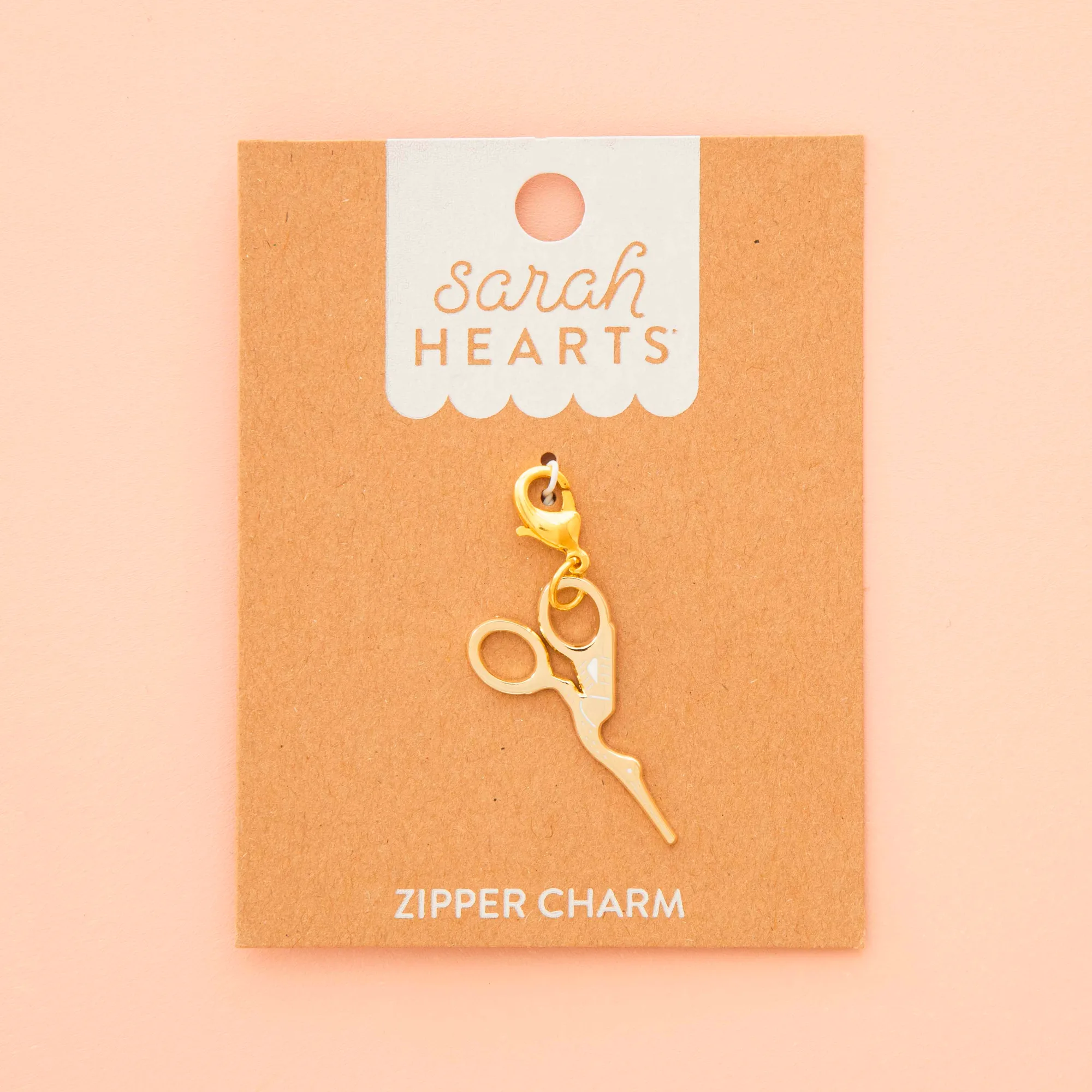
Gold Stork Scissor Zipper Charm
- For sleepwear, follow safety regulations in your region; many require snug-fitting garments and no small parts.
- If you use buttons on a garment for a child under three, check them before every wear.
- For gifts, include a small card noting that buttons should be checked regularly.
Decision rules for choosing children's clothing buttons
- Under 3 years old: Use buttons at least 20 mm across, flat and smooth, attached with a reinforced shank. Avoid small, novelty, or glued buttons. If you cannot find a safe button, switch to snaps or ties.
- 3 to 6 years old: 12–15 mm buttons are manageable for small hands and still large enough to see and grasp. Check attachment after every wash. Choose buttons with a slightly raised rim so they are easy to grip.
- 7 years and up: Standard 10–12 mm buttons work for shirts and cardigans. You can use more decorative shapes if they are securely attached. Teach the child to check their own buttons before wearing.
- Fabric weight: Lightweight knits need lightweight buttons; heavy wools and fleece need larger buttons (25 mm or more) so they do not disappear into the fabric. Match button weight to fabric weight to avoid sagging and strain.
- Wash routine: If the garment will be machine washed often, choose colorfast plastic or resin buttons. Avoid untreated wood and painted finishes that may chip. Test a button in warm water before sewing on the whole set.
Products that solve common button and closure problems
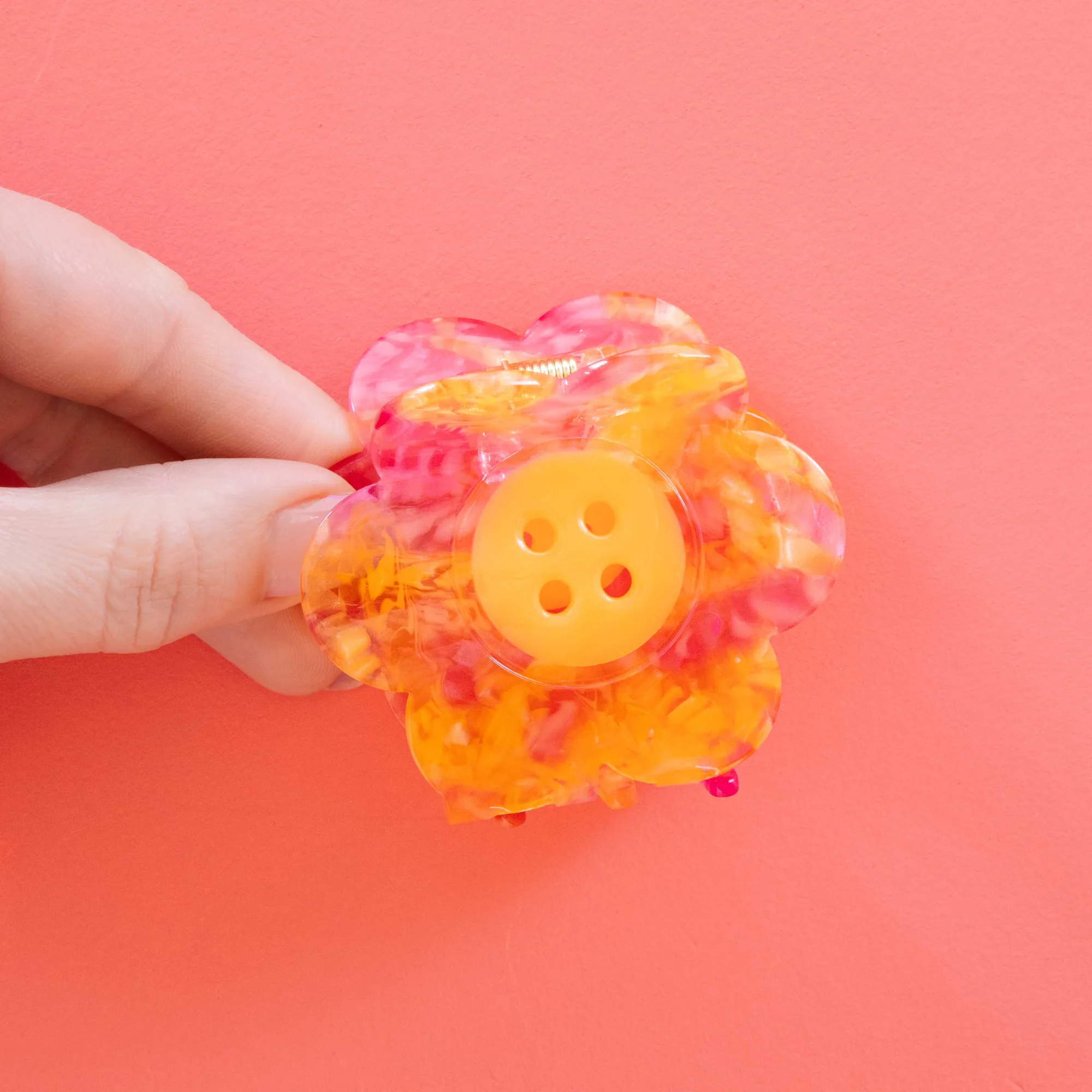
- Daisy Button Pink and Yellow Large Hair Claw Clip: This colorful claw clip is inspired by vintage buttons, with a matte yellow center that includes button holes and variegated yellow and pink petals. If you love the look of buttons but are sewing for a baby, this clip gives you the button aesthetic without putting small parts on clothing. It is a safe accessory for older kids and adults, and it keeps the button theme going in a different way.
- Gold Stork Scissor Zipper Charm: This charm adds a touch of elegance and convenience to garments, bags, and keychains. When buttons are not practical for a child's garment or bag, a zipper charm can make a zipper easier to find and pull. It is a useful alternative closure helper for kids who have trouble with small buttons.
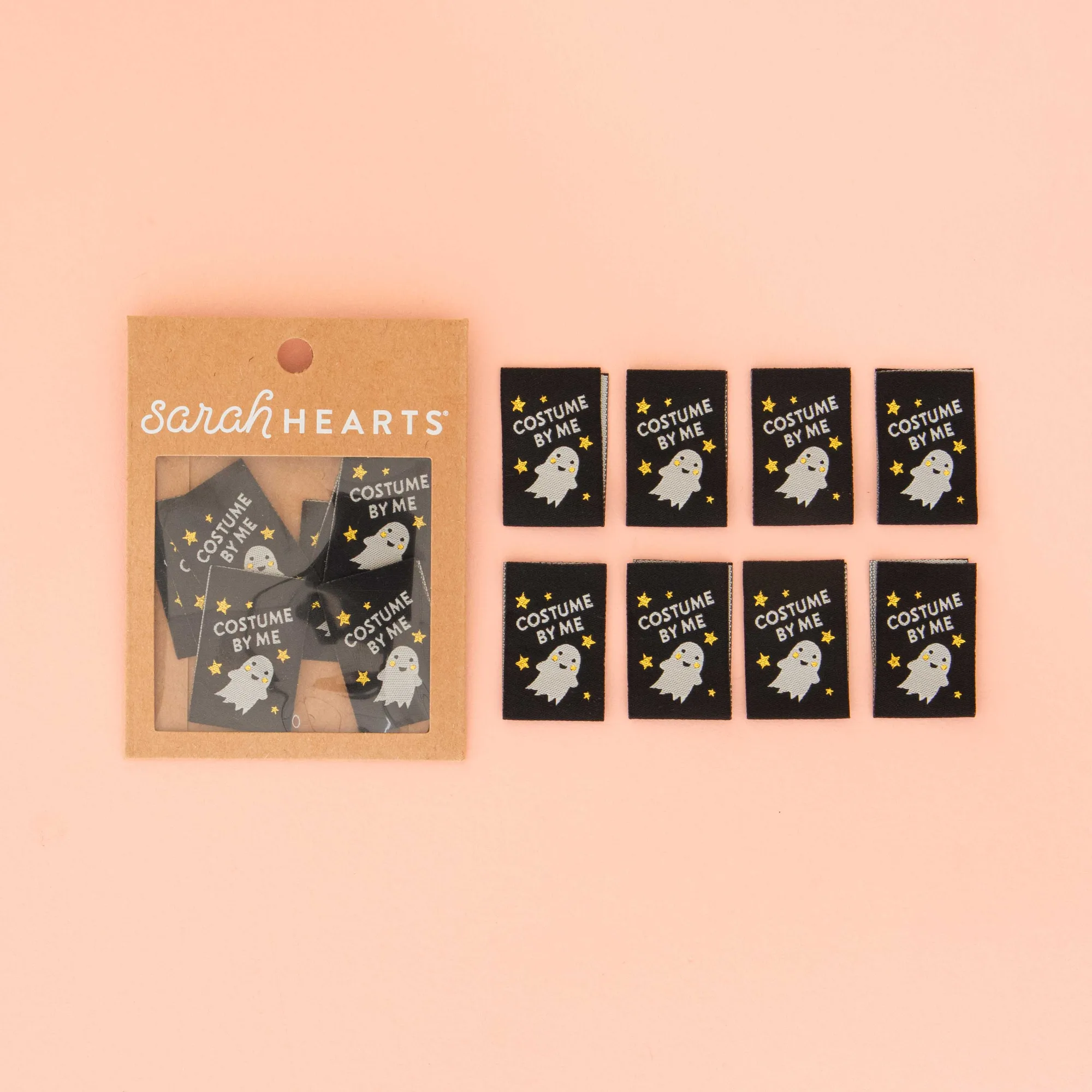
- Costume by Me Halloween Labels: These woven labels feature a not-so-spooky ghost on a black background with metallic gold details, are super soft to the touch, never scratchy, and are fully washable. If you sew children's costumes or clothing, a soft, washable label lets you add your signature without irritating sensitive skin. It also helps identify handmade items at school or daycare.
Is this button choice right for your project?
Best for
- Parents and sewists making everyday baby knits, cardigans, and rompers that need safe, washable buttons
- Older children's garments where buttons help build dressing skills and the child can manage them
- Handmade gifts where you want a durable, low-maintenance closure
Not for
- Newborn sleepwear or any garment for a child under three if you cannot guarantee a 20 mm minimum and secure attachment
- Projects where the button is purely decorative and might be pulled off by a curious toddler
- Garments that will be washed at high heat if the buttons are painted or coated
Choosing buttons for baby and children's clothing comes down to size, attachment, and honesty about how the garment will be used. Go bigger than you think for babies, reinforce every button, and switch to snaps or zippers when buttons are not the right tool. Your future self, and the child wearing the garment, will thank you.