Quick answer
Buy batteries that match your camera's own battery model, not a universal size, and buy enough charger capacity to refill every spare in one overnight session. If you shoot a Canon DSLR, a spare LP-E6N-class pack plus a two-bay charger covers a full day; if you shoot flash or accessories, rechargeable AA NiMH cells with a smart charger are the cheaper long-run choice. Carry one more battery than you think you need, and never rely on a single charger.
Match the battery format to the camera before anything else
Camera batteries are not interchangeable across brands or even across model generations. A Canon LP-E6N-class pack fits a specific list of bodies, while other cameras take different proprietary packs entirely. The fastest way to avoid a wasted purchase is to look at the label on the battery already in your camera and buy that exact model, then confirm the body is on the compatibility list.
Rechargeable AA NiMH cells are the other common format, but they are not a substitute for a camera's own pack. They power flashes, grips, and accessories that are designed for AA cells. If your camera uses a proprietary lithium-ion pack, AA cells will not fit it no matter how many you carry.
How many spares and how much charger capacity
Count your worst realistic day, not your average one. A wedding or event shooter who fires continuously may need three or four charged packs; a landscape shooter doing long exposures may need two. Then add one spare as insurance, because a battery that reads full at breakfast can drop fast in cold conditions.
Charger capacity should match that count. A single-bay charger forces you to queue batteries overnight, which is how people arrive on day two with only one charged pack. A multi-bay charger that refills everything at once is worth more than a slightly larger battery, because a spare you cannot charge is dead weight.
Charging speed depends on how many batteries are in the bay
Many chargers share their output across the slots, so a four-bay charger with four batteries in it charges each one more slowly than a single battery alone. That is normal, not a fault. If you need one pack fast, charge it by itself in the charger; if you need four by morning, accept the slower per-battery rate and start early.
Read the stated charge time as a best case for a single battery, not a guarantee for a full bay. Plan your overnight routine around the realistic number, and keep a second charger at home or in the bag so a failure does not end your shoot.
Travel: weight, spares, and the adaptor question
For travel, carry the smallest number of packs that covers your longest day plus one, and keep them in your carry-on rather than checked luggage. Spare camera batteries for travel are only useful if they arrive charged, so top them up the night before you fly and again at the hotel.
A camera battery charger adaptor guide matters most when you cross regions with different mains plugs. Check whether your charger accepts the local voltage and whether you need a plug adaptor rather than a voltage converter. If your charger is USB-powered, a power bank can top up a pack between shoots, which is often lighter than carrying a second wall charger.
When AA NiMH makes more sense than a proprietary pack
The LP-E6N vs AA NiMH batteries question comes down to what the device was built for. Proprietary lithium-ion packs like the LP-E6N-class cells are designed for camera bodies and deliver the voltage and shape the camera expects. AA NiMH cells are designed for flashes, grips, and accessories that take AA cells, and they can be recharged hundreds of times, which lowers cost per shoot over a season.
Choose NiMH when your gear accepts AA cells and you want to stop buying disposables. Choose the proprietary pack when your camera requires it. Do not try to force one format into the other's role; the fit and voltage will not cooperate.
Decision rules for batteries and chargers
- Rule 1: Match the model number, not the brand: Find the label on your current battery and buy that exact model. Confirm your camera body appears on the compatibility list before ordering. If the model does not match, stop; it will not fit or power the camera correctly.
- Rule 2: One charger bay per spare battery: If you carry four spares, choose a charger with at least four bays, or accept that some packs wait until morning. Charger capacity, not battery count, is what usually fails on multi-day shoots.
- Rule 3: AA NiMH for accessories, proprietary packs for bodies: Use rechargeable AA cells in flashes and grips that accept them; use the camera's own pack in the body. Mixing the two formats is the most common buying mistake.
- Rule 4: Plan for cold and for travel: Carry one extra pack in winter, keep spares in carry-on, and check whether you need a plug adaptor or a USB power bank. A spare you cannot charge or reach is not a spare.
Products that fit these decisions
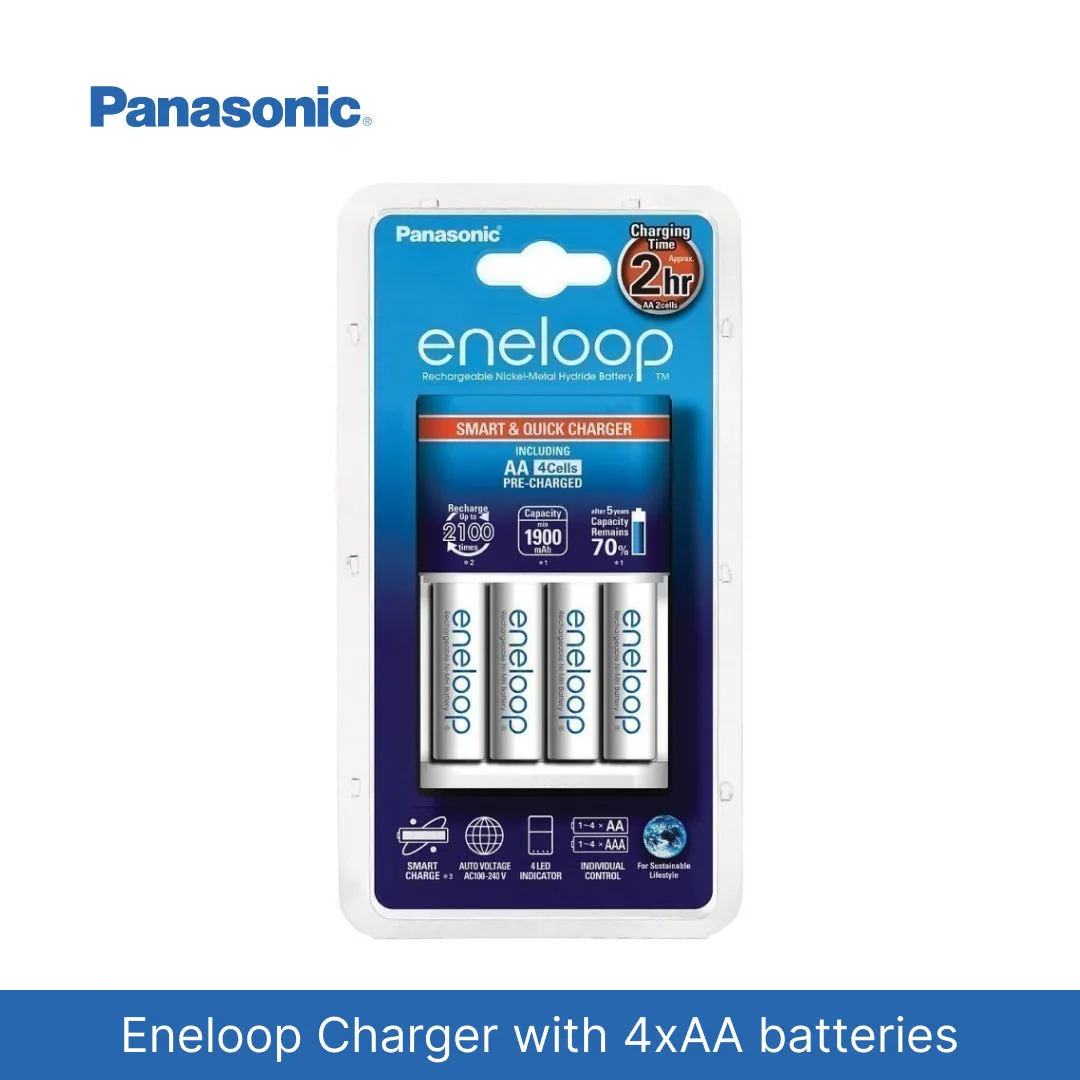
- Panasonic Eneloop Charger with 4xAA 1900mAH NiMH Batteries: Panasonic Eneloop K-KJ51MCC40 is a AA and AAA charger with a 10hr charge time, can recharge up to 2100 times, and retains 70% capacity after 5 years of storage. A smart pick if your flash or grip runs on AA cells and you want one charger that covers both AA and AAA without buying disposables.
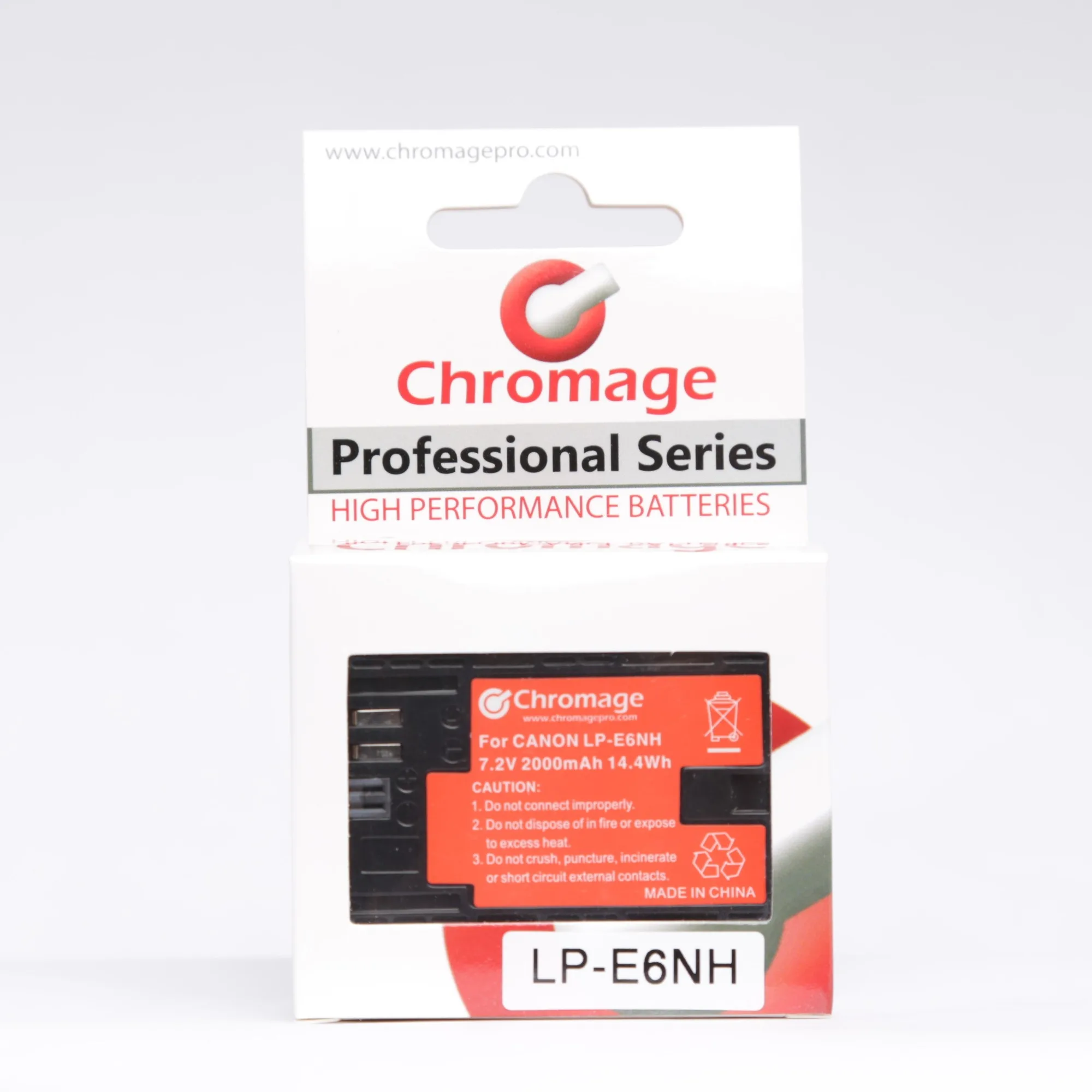
- Chromage LP-E6N battery for Canon DSLRs: Chromage LP-E6N is a 1800 mAh, 7.4 VDC lithium-ion battery compatible with Canon bodies including the EOS 7D Mark II, EOS 5D Mark IV, EOS 5D Mark III, EOS 80D, EOS 70D, EOS 60D, EOS 6D, and EOS 6D Mark II. Check your body against that list first; if it matches, this is a direct spare for long Canon DSLR shoots.
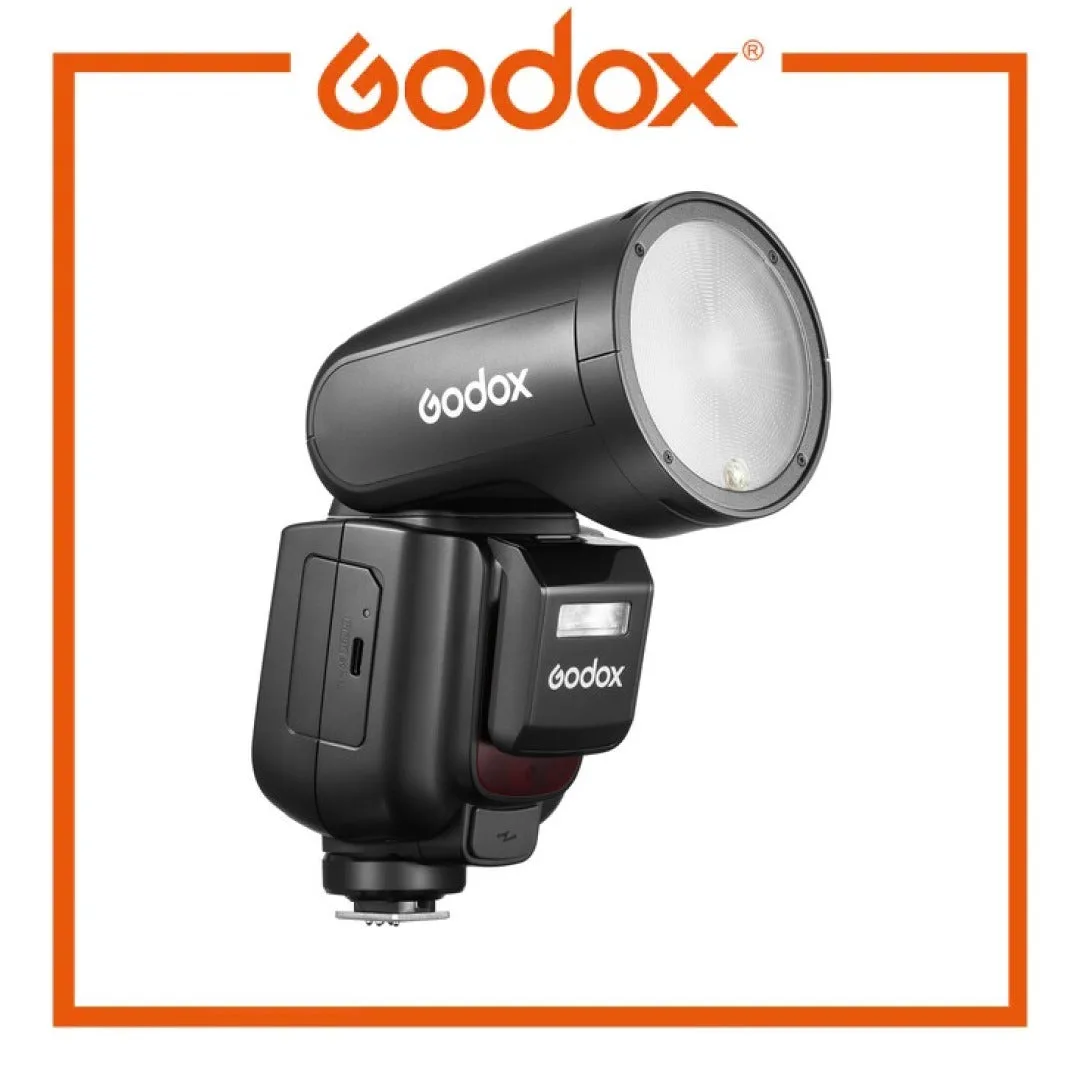
- Godox V1 Pro Speedlight TTL HSS 1/8000s Li-ion Battery Speedlite Flash: Godox V1 Pro Speedlight supports TTL and HSS up to 1/8000s, runs on a Li-ion battery, and is available in Sony, Canon, and Fuji versions. A flash with its own Li-ion pack changes your spare-battery math, so pick the version that matches your camera mount.
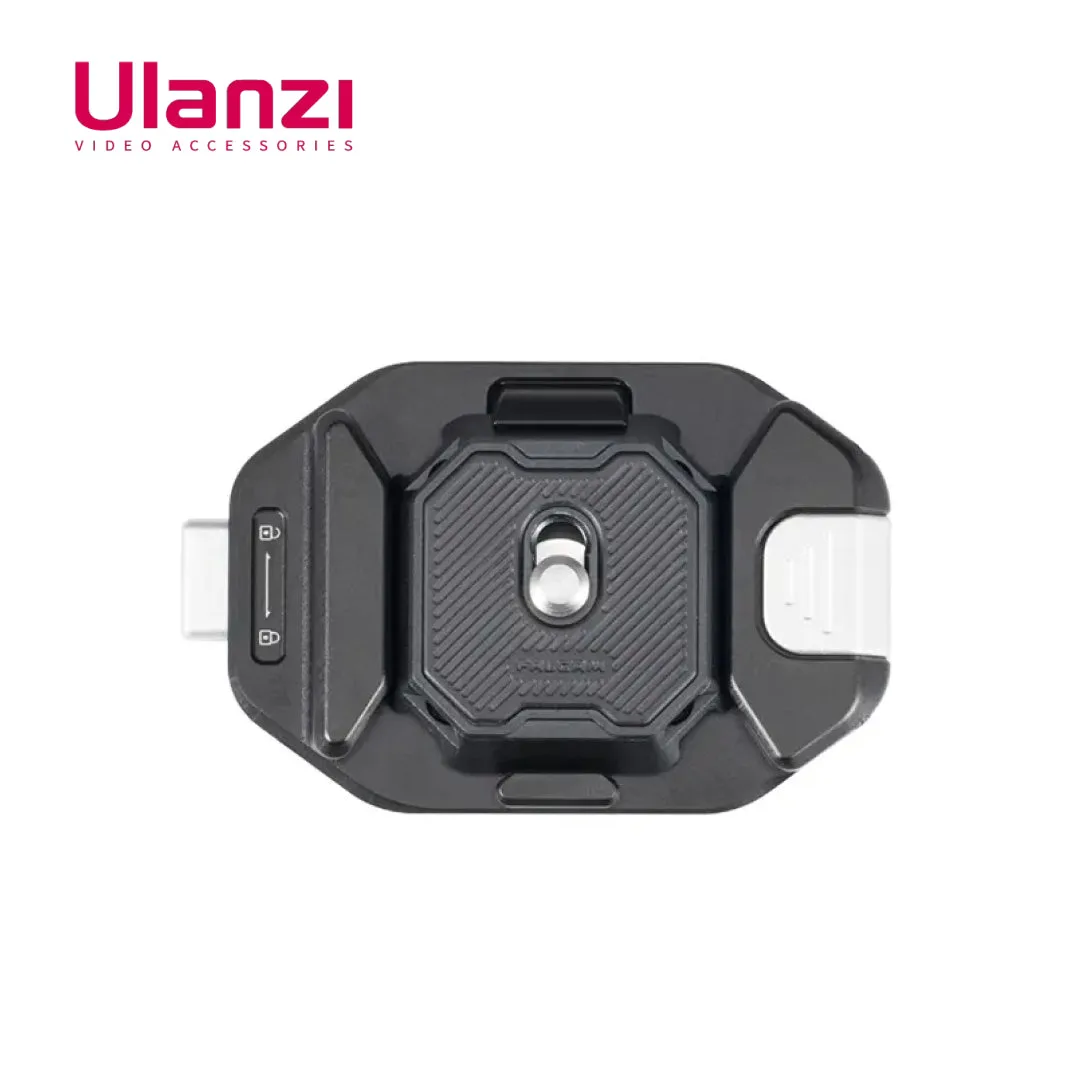
- Ulanzi Falcam F38 Quick Release Kit for Camera Backpack Strap Clip V2: Ulanzi Falcam F38 Quick Release Kit V2 fits backpack shoulder straps up to 80mm wide and 20mm thick and is compatible with F38, PD, PGY, and other Arca Standard Square QR Plates. Keeps a camera accessible on a strap so you are not digging in a bag and burning battery while composing.
Who this approach fits
Best for
- Canon DSLR shooters who need a spare LP-E6N-class pack for long days
- Flash and grip users who want rechargeable AA NiMH instead of disposables
- Travel and event photographers planning spares and charger capacity
Not for
- Photographers whose camera uses a different proprietary battery model
- Anyone expecting AA cells to fit a camera built for a lithium-ion pack
- Shooters who only need one battery and never shoot past a single charge