Quick answer
Buy the strap that matches your heaviest realistic load and your longest carry, not your lightest body. For a mirrorless camera with a compact prime, a wide neck strap with a shoulder pad is enough; for a full-frame body with a long lens, choose a sling or harness with a wide pad and a locking quick-release system.
Start with load, not looks
Weigh your camera with the lens you use most, then add a flash or cage if you shoot events. Under about 1 kg, almost any well-made strap works. Between 1 and 2 kg, padding and strap width start to matter. Over 2 kg, a single neck strap concentrates pressure on your neck and shoulder, so a sling, harness or two-point system becomes the safer choice.
Neck strap vs sling strap: pick by carry time
A neck strap keeps the camera in front of you and is easy to grab for quick shots, but after an hour with a heavy lens it digs in. A sling strap moves the weight across your torso and lets the camera rest at your hip, which is more comfortable for long walks and travel. The trade-off is that a sling takes slightly longer to bring to your eye, so it suits slower, deliberate shooting more than fast photojournalism.
Quick release: convenience with a security check
Quick release camera straps let you detach the strap when the camera is on a tripod or in a bag. That is genuinely useful, but the release mechanism is the weakest link. Choose a system with a locking collar or a secondary safety tether, and test the release with your heaviest lens attached before you trust it. If you shoot near water or on cliffs, a fixed strap with no release point removes one failure mode entirely.
Shoulder pad and attachment points
A shoulder pad camera strap spreads pressure over a wider area, which matters most when you carry a camera for hours. Look for a pad that is wide enough to stay flat on your shoulder and grippy enough not to slide when you lean forward. Check how the strap attaches: split rings and plastic buckles are common, but metal swivels or a direct lug mount are more secure for heavy lenses. On a mirrorless camera with small lugs, a thin cord or webbing connector often fits better than a bulky metal clip.
Match the strap to the lens you actually use
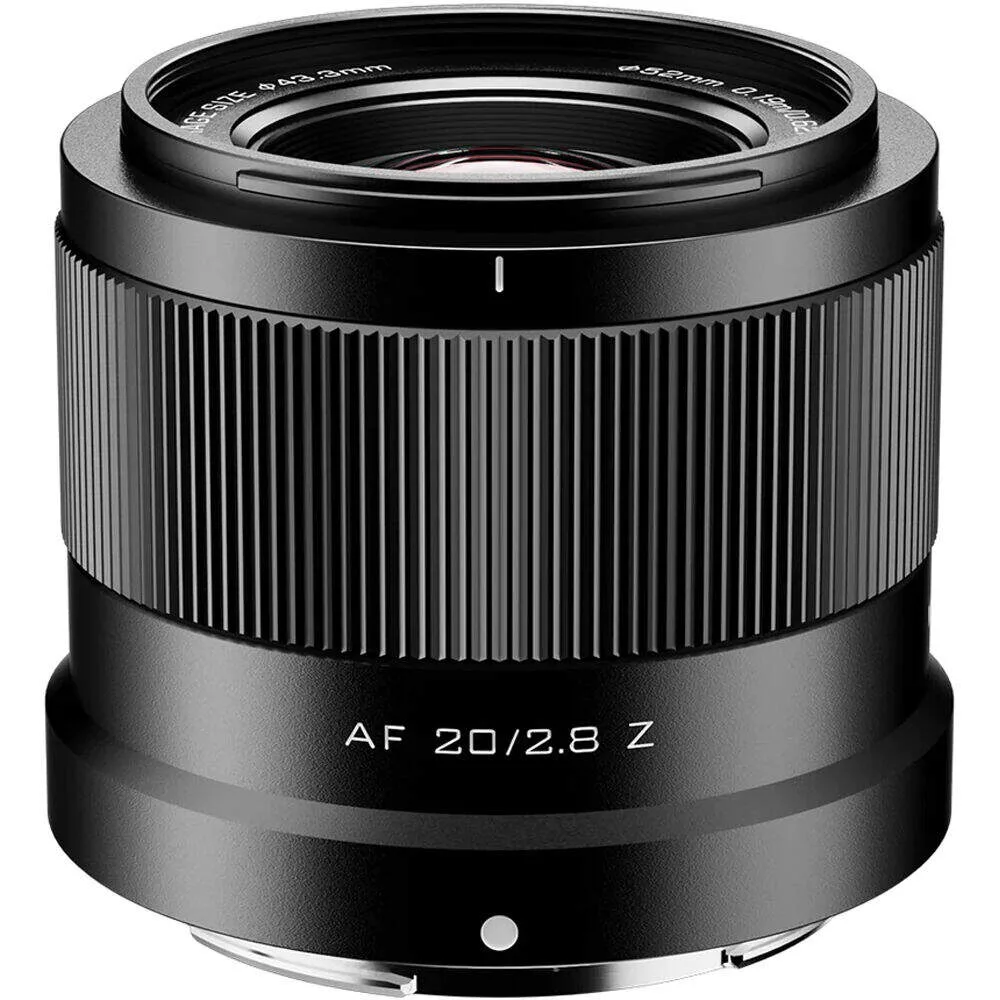
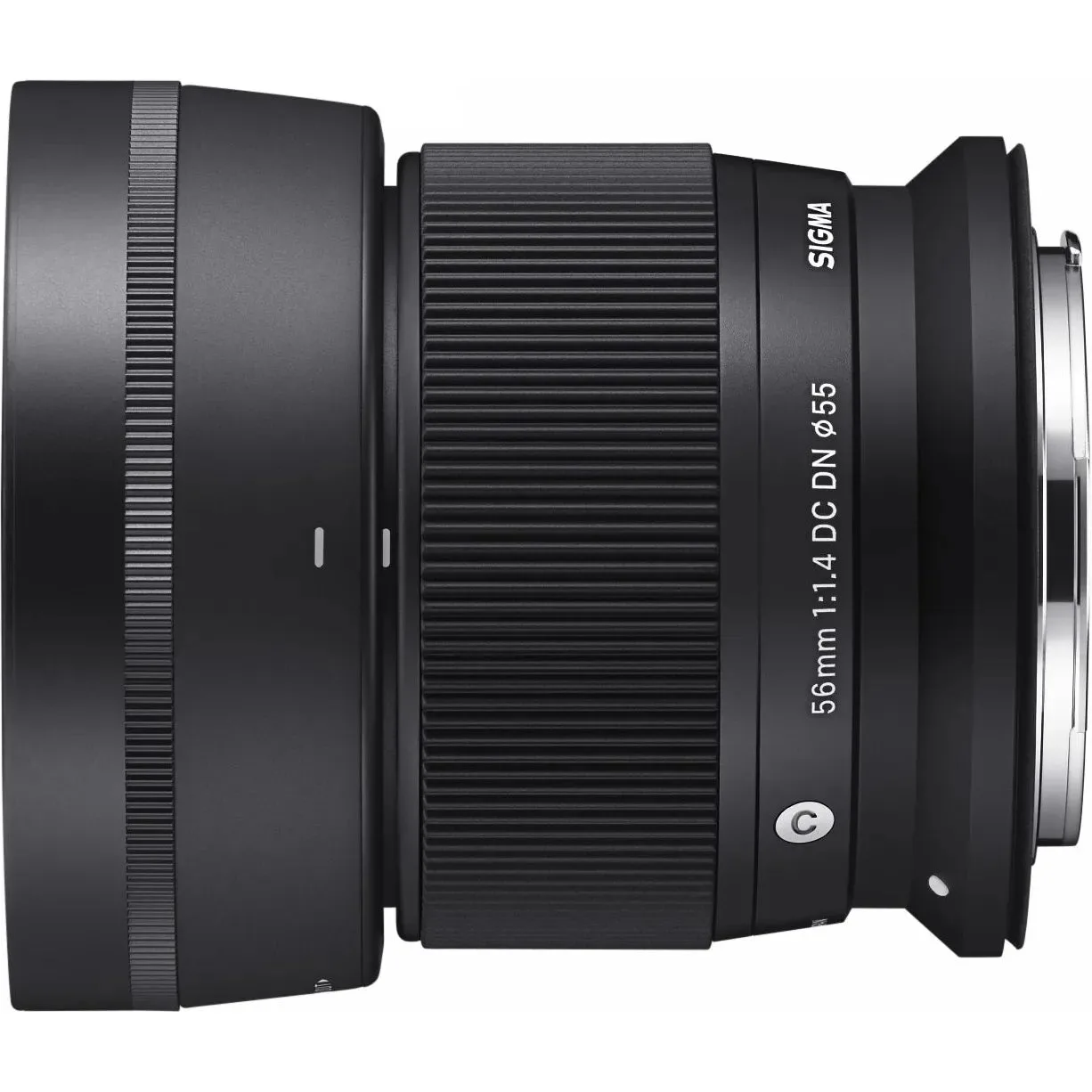
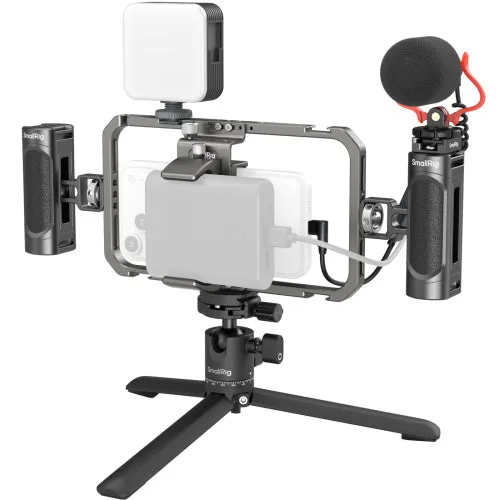
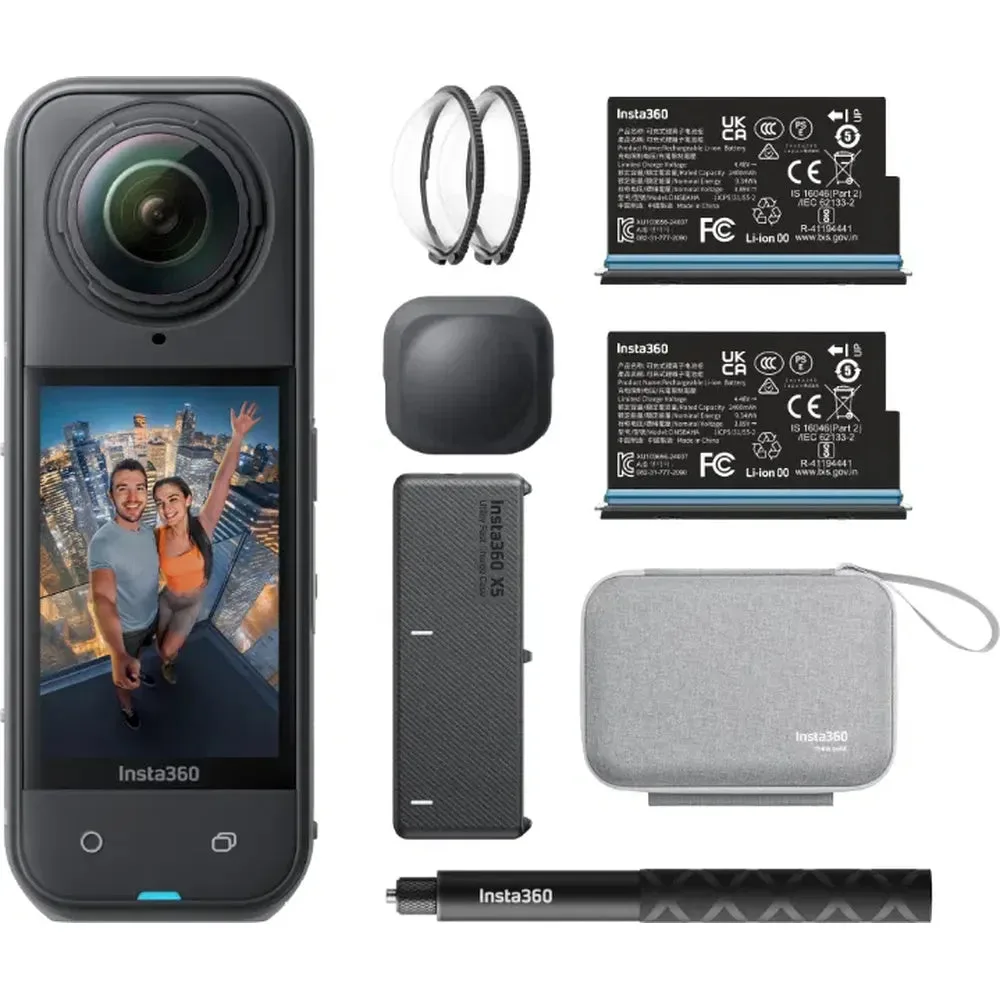
A compact 56mm F1.4 on an APS-C body is a light combination, so a simple neck strap with light padding is comfortable and secure. A full-frame body with a wide 20mm F2.8 is also manageable on a neck strap, but if you add a gimbal, cage or video kit, the total weight climbs quickly. For video work with a smartphone rig or a 360 camera, a wrist strap or a short lanyard is often safer than a long neck strap that swings into the frame.
Decision rules for buying a camera strap
- If total weight is under 1 kg: Choose a simple neck strap with light padding and metal or direct-lug attachment. Comfort is easy at this weight; prioritise secure attachment.
- If total weight is 1–2 kg: Choose a wider strap with a shoulder pad, or a sling if you carry for more than an hour. Padding and width matter more than release convenience.
- If total weight is over 2 kg: Choose a sling, harness or two-point system with a locking quick release and a safety tether. Avoid single-point neck straps for long carries.
- If you shoot near water or heights: Choose a fixed strap with no release mechanism, or add a secondary safety tether. Every release point is a potential failure point.
- If you switch between tripod and handheld: Choose a quick-release system with a locking collar, and test it with your heaviest lens. Convenience is fine if the lock is reliable.
Products that affect your strap choice
- Sigma 56mm F1.4 DC DN Contemporary Lens - Canon RF Mount: Sigma 56mm F1.4 DC DN Contemporary Lens - Canon RF Mount is a compact, lightweight mid-telephoto lens for APS-C mirrorless cameras with a wide F1.4 aperture for blurred backgrounds. A light APS-C body with this lens stays comfortable on a simple neck strap, so you do not need a heavy-duty sling.
- Viltrox 20mm F2.8 AF Lens for Nikon Z | Full Frame: Viltrox 20mm F2.8 AF Lens for Nikon Z is a full-frame autofocus lens with a minimum focusing distance of about 0.19m and a quiet STM focus motor. A full-frame body with this lens is still light enough for a padded neck strap, but a wide shoulder pad helps on long walks.
- SmallRig 3384D All-in-One Video Kit for Smartphone Creators: SmallRig 3384D All-in-One Video Kit for Smartphone Creators turns a smartphone into a mobile production studio for vloggers, filmmakers and livestreamers. A phone rig like this is usually carried in hand or on a short lanyard, so a quick-release strap that stays out of the frame is more practical than a long neck strap.
- Insta360 X5 Essentials Bundle: Insta360 X5 Essentials Bundle is an all-in-one 360° camera package with low-light performance and flexible shooting modes in a compact, rugged design. A compact 360 camera is often used on a wrist strap or short lanyard, where security matters more than padding.
Who should buy which strap
Best for
- Street and travel photographers who carry a mirrorless camera with a compact prime for hours
- Event shooters who need to detach the strap quickly when the camera goes on a tripod
- Video creators using a smartphone rig or 360 camera who need a short, secure lanyard
Not for
- Photographers carrying a full-frame body with a long telephoto all day, who should choose a harness or sling instead
- Shooters who work near water and want a quick-release strap without a safety tether