Quick answer
Buy a lightweight travel tripod if you carry gear on foot and shoot mirrorless cameras, and a heavier studio tripod if you shoot indoors, use long lenses, or need maximum stability. Match the tripod's load capacity to your heaviest camera-lens combo with a safety margin, then choose a head type that fits how you shoot.
Start With Load Capacity, Not Price
Load capacity tells you how much weight the tripod and head can hold. Add up your camera body, your heaviest lens, a flash, and any cage or microphone. Then choose a tripod rated noticeably higher than that total so the legs and head stay rigid. A compact mirrorless camera with a small prime is light, but a telephoto zoom can push the same body into a different class. If a manufacturer does not list a load capacity, treat that as a missing decision number rather than guessing.
Travel Tripod vs Studio Tripod
Travel tripods prioritize folded length and weight. They often use fewer leg sections, thinner tubes, or a center column that can be reversed, and they may trade some rigidity for portability. Studio tripods prioritize stability. They are heavier, use thicker leg sections, and handle taller working heights and heavier heads without flexing. A travel tripod can work in a studio, but a studio tripod is a poor choice for a hiking pack. Decide which compromise you can live with before you compare models.
A common mistake is buying one tripod for both jobs. If you shoot mostly on location, accept a slightly heavier travel tripod. If you shoot mostly indoors, accept that your studio tripod will stay home.
Tripod Head Types and What They Suit
Ball heads are compact and fast to adjust, which makes them popular for travel and mirrorless cameras. Three-way heads give independent pan and tilt control, which helps with precise framing for architecture and product work. Fluid heads smooth panning for video. Pan-and-tilt heads are simple and stable for stills. The head often determines the real load capacity, so check the head rating separately from the leg rating. If you switch between stills and video, a ball head with a separate panning base is a practical middle ground.
Height, Stability, and Real-World Setup
A tripod is only stable when it is set up correctly. Extend the thicker leg sections first, keep the center column down when possible, and use a hook or bag for extra weight in wind. For eye-level shooting, look for a tripod whose maximum height reaches your eye level without raising the center column. If you shoot low angles, check whether the legs splay independently. If you shoot on uneven ground, rubber feet help indoors while spikes help outdoors. These details matter more than a spec sheet claim of maximum height.
Decision rules for buying a tripod
- If you carry your kit on foot: Choose a travel tripod with a folded length that fits your bag and a weight you can carry all day. Prioritize carbon fiber or aluminum depending on budget and how much weight matters to you. Packability beats maximum height for most travel shooters.
- If you shoot indoors or with long lenses: Choose a studio tripod with thicker leg sections and a higher load capacity. A heavier tripod resists vibration and holds a heavy head without sagging. Stability is the priority; portability is secondary.
- If you shoot both stills and video: Look for a head with smooth panning and a separate pan lock, or a fluid head if video is your main use. Check that the head's load rating matches your camera and lens. Match the head to your primary shooting style, not the tripod legs alone.
- If you are unsure about load capacity: Add up your heaviest camera, lens, flash, and accessories. Choose a tripod rated at least 1.5 to 2 times that total so you have a safety margin. A tripod rated just above your gear weight will feel less stable than one with headroom.
Gear that pairs well with a tripod decision
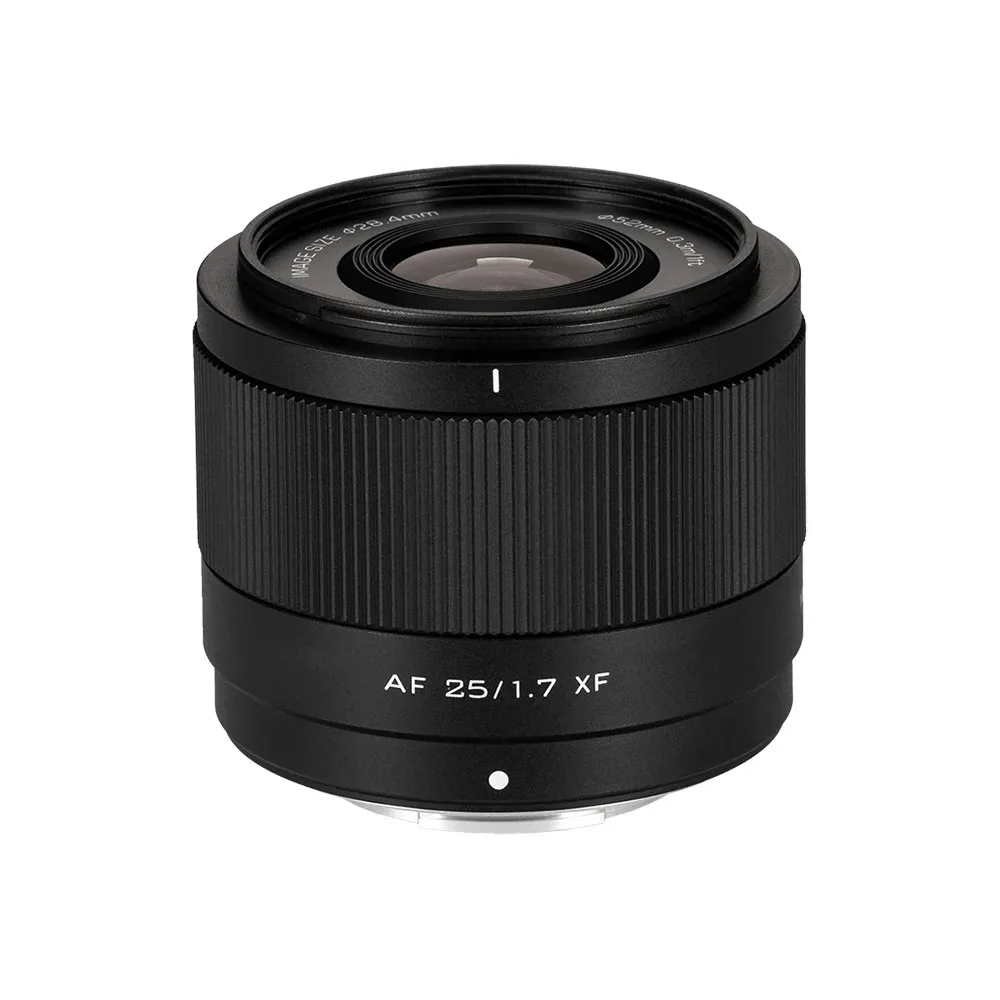
- VILTROX 25mm F1.7 APS-C Lens For Fujifilm X-Mount: The VILTROX 25mm f/1.7 APS-C lens for Fujifilm X-mount is a lightweight, compact lens with fast autofocus and a bright f/1.7 aperture. A small prime like this keeps your mirrorless kit light, so a travel tripod with a modest load capacity can still be a good match.
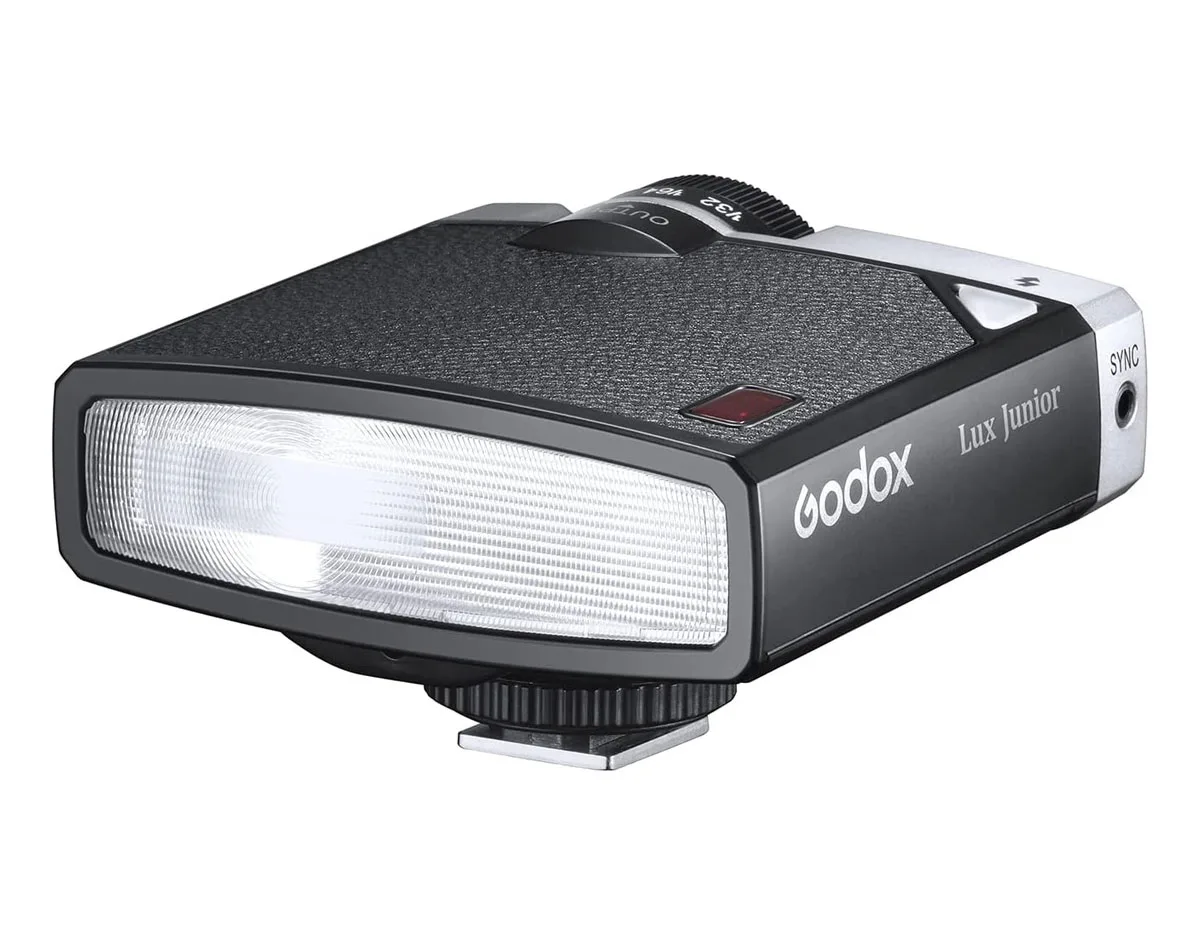
- Godox Lux Junior Retro Camera Flash: The Godox Lux Junior Retro Camera Flash is powered by AA batteries and has adjustable flash power and a flexible flash head. Adding a flash changes your total payload and balance, so include it when you calculate the load capacity you need.
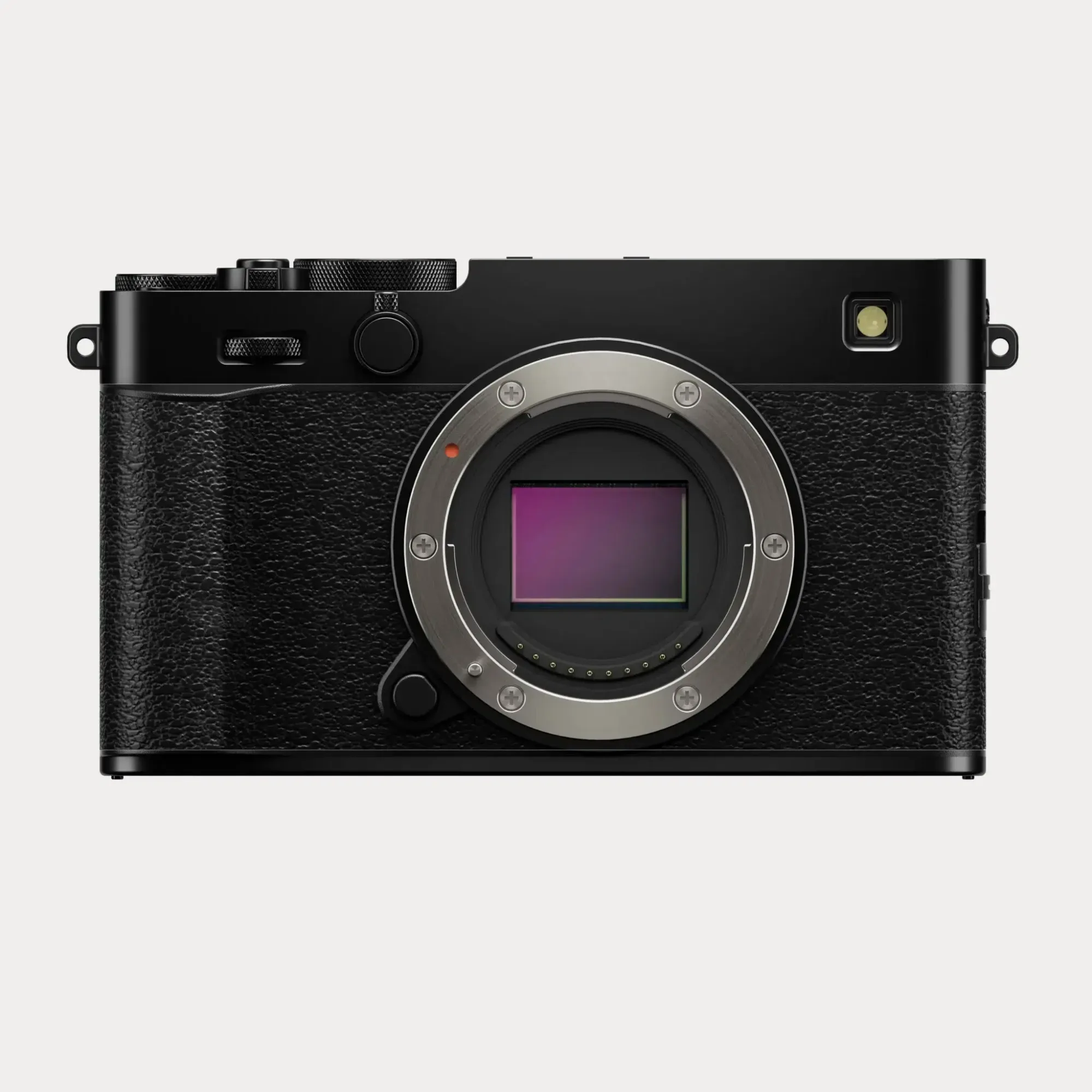
- Fujifilm X-E5 – Powerful 40.2MP Compact Mirrorless Camera: The Fujifilm X-E5 is a compact mirrorless camera with a 40.2MP sensor, 6.2K video, and film simulations. A compact body is easy to support, but high-resolution stills and 6.2K video benefit from a stable tripod that resists vibration.
Who should buy which tripod
Best for
- Travel and street photographers who carry a mirrorless camera and one or two compact lenses
- Studio and product photographers who shoot at fixed locations and need maximum stability
- Hybrid shooters who need a tripod that can handle both stills and video with the right head
Not for
- Photographers who need a single tripod to be both ultralight and rock-solid for heavy telephoto lenses
- Users who never shoot at slow shutter speeds or from a fixed position, such as casual handheld snapshooters