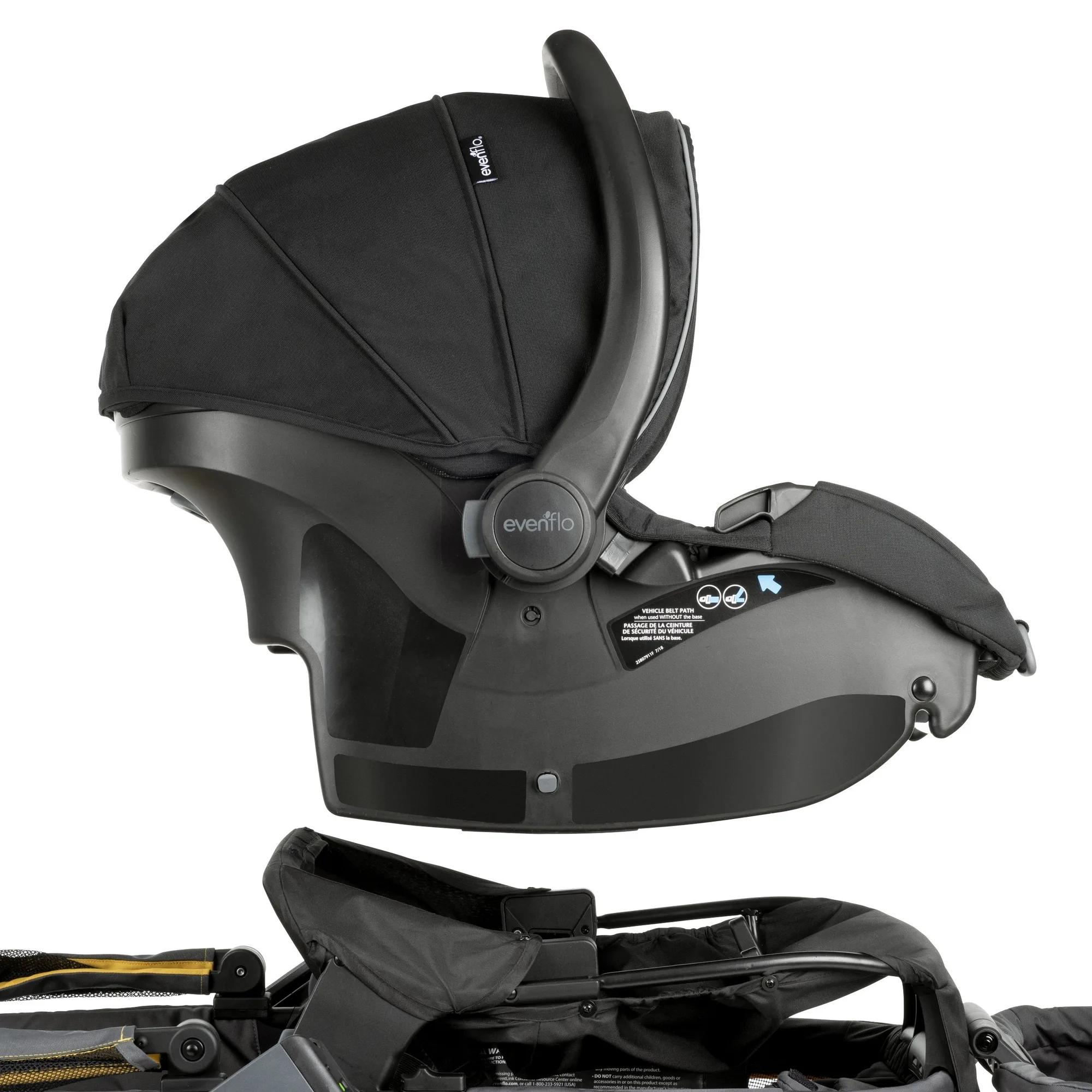
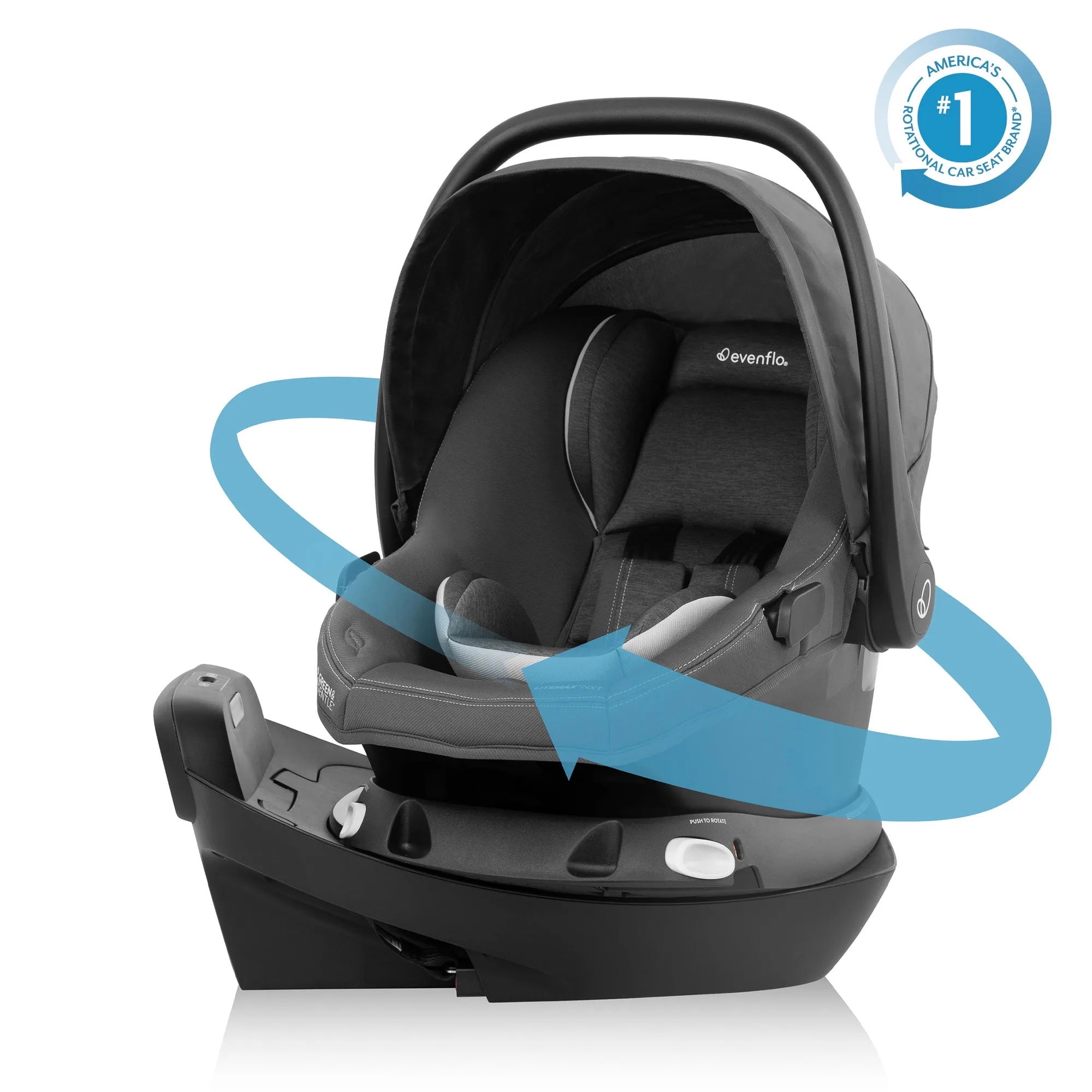
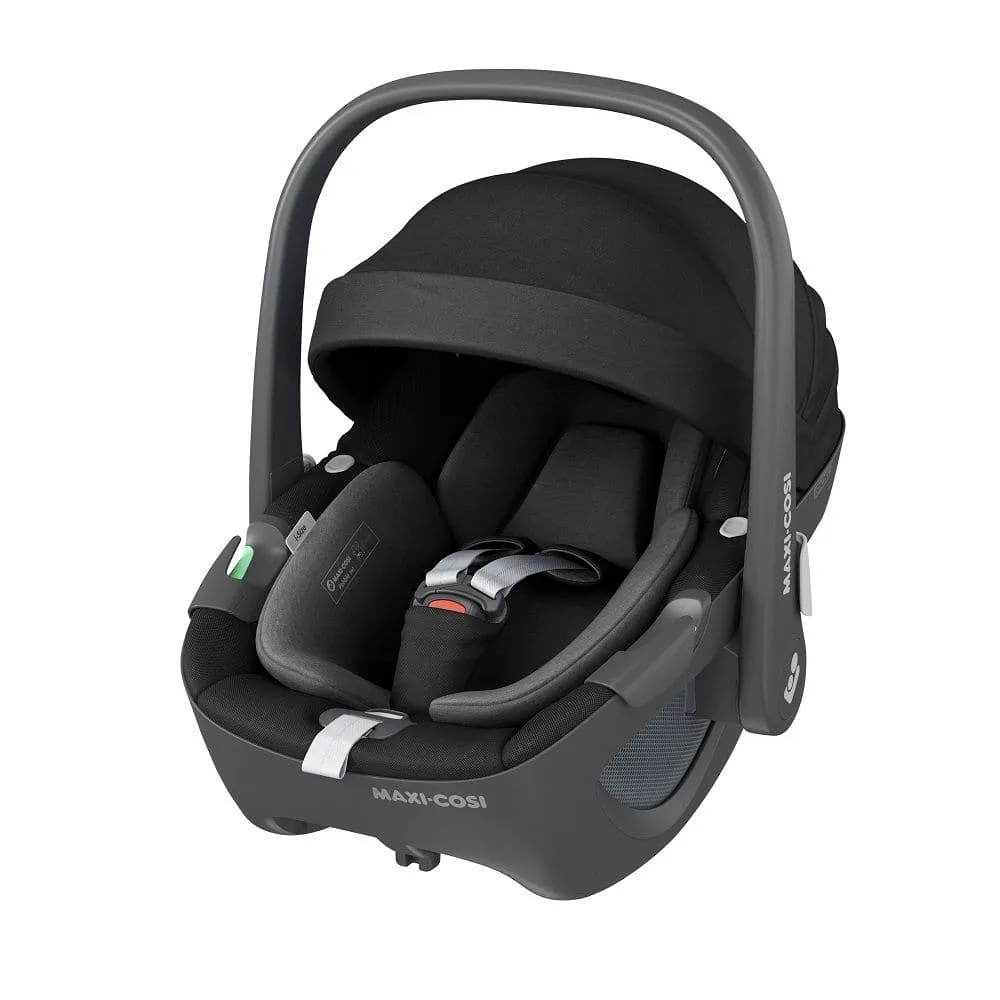
Infant Seat or Convertible: Start Here
The first decision for a newborn is whether to buy an infant car seat with a detachable base or a convertible seat that stays in the car. Each has real trade-offs in weight limits, convenience, and how long you can use it.
An infant seat like the Romer Juni is designed exclusively for rear-facing use and clicks into a base you leave installed. A convertible seat like the Romer Veni can be used rear-facing first and later forward-facing, so it lasts through more stages.
Weight and Size Limits Matter Right Away
Newborns need a seat that fits their small size safely. The Romer Juni has a rear-facing weight limit of 4 to 30 lb and a height limit under 32 in. That means most babies will outgrow it before their first birthday.
The Romer Veni starts at 5 lb rear-facing and goes up to 50 lb, then converts to forward-facing up to 65 lb. If you want a seat that lasts from infancy through toddlerhood, the Veni avoids the need to buy a second seat later.
Product Evidence at a Glance
-
Romer Juni Infant Car Seat with Versa Base: Rear-facing weight limit: 4–30 lb; height limit: less than 32 in. Confirms the Juni fits most newborns but will be outgrown relatively early, so you'll need a convertible seat eventually.
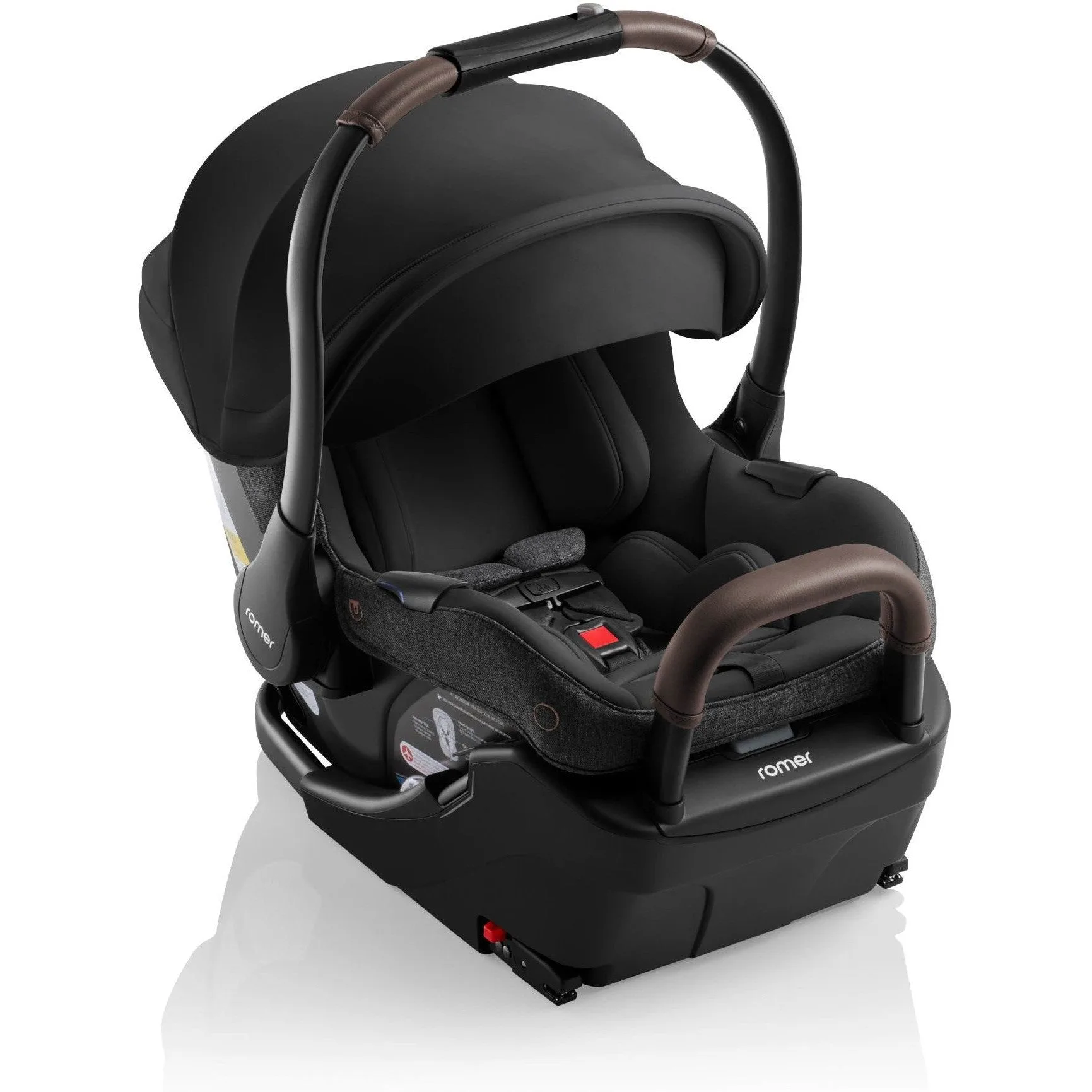
Romer Juni Infant Car Seat with Versa Base
-
Romer Veni Convertible Car Seat: Two-stage design: rear-facing 5–50 lb, forward-facing 22–65 lb. The Veni covers the entire infant and toddler period in one seat, saving you the cost and hassle of upgrading.
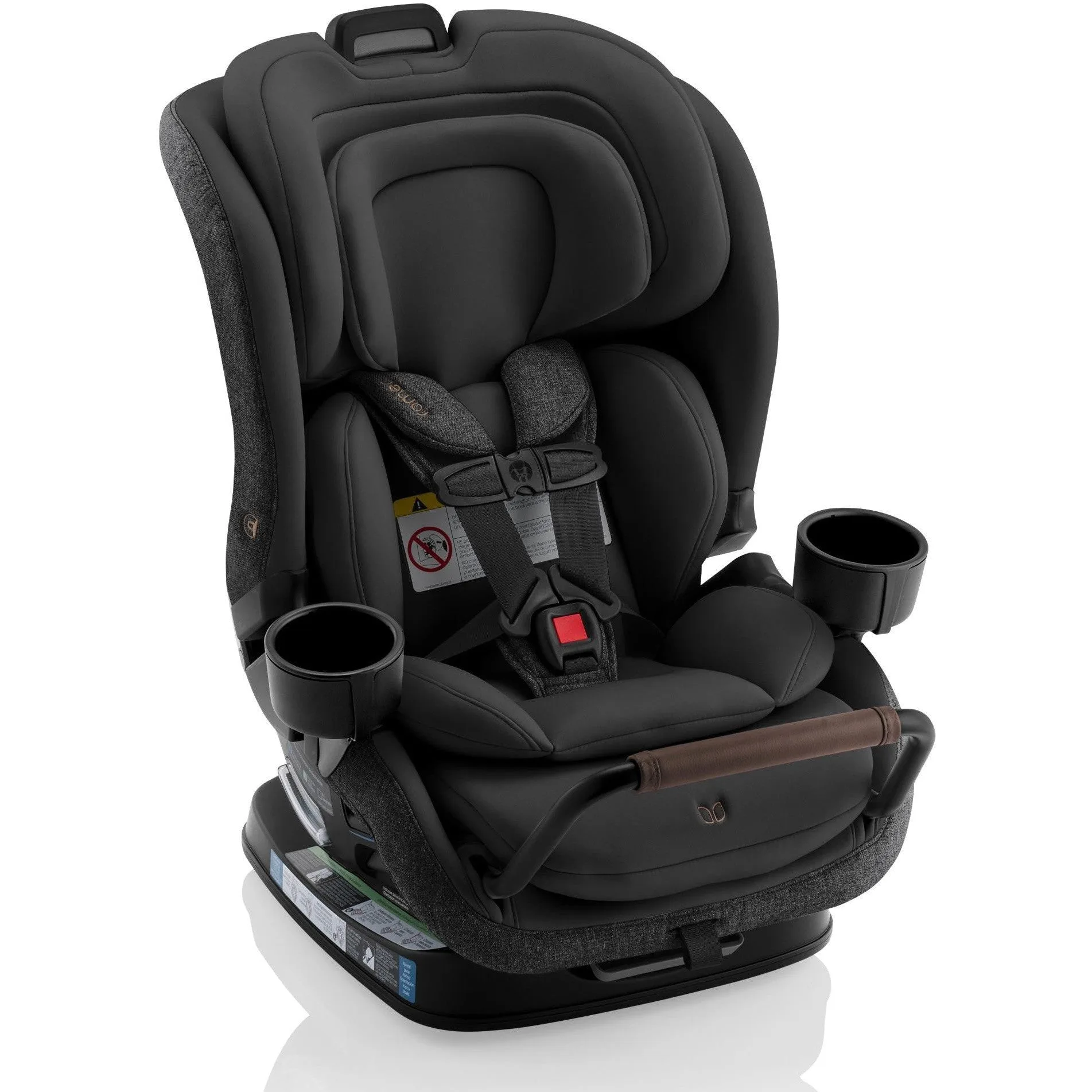
Romer Veni Convertible Car Seat
Installation and Daily Use Trade-offs
The Juni uses a Versa Base with Rigid LATCH and an Anti-Rebound Bar, Steel Support Bar, and Load Leg. The base stays in the car, and the seat clicks in and out. That makes it easy to move a sleeping baby without unbuckling, and the seat can be used without the base for travel or aircraft use.
The Veni uses SecureLoc technology for installation and has a 5-point harness with magnetic harness storage. It's a heavier seat (28 lb) and doesn't detach from the base, so you'll lift your baby in and out. That's fine for daily use but less convenient for quick transfers.
Eco-Friendly Materials and Comfort
Both seats use sustainable fabrics. The Juni's cover is machine-washable and made from flame-retardant fabric. The Veni uses Seawool, a fabric from recycled polyester and oyster shells that is moisture-wicking, insulating, and odor-resistant.
If eco-conscious materials are a priority, the Veni's Seawool is a standout. The Juni's fabric is durable and easy to clean, but the catalog doesn't specify the same sustainable sourcing.
Infant vs Convertible: Key Differences
- Best for: Juni: Newborns up to 30 lb, parents who want a detachable carrier. Veni: Babies 5 lb and up, parents who want one seat from birth through toddlerhood.
- Installation effort: Juni: Base stays in car; seat clicks in/out. Veni: Installed once; baby placed directly into seat.
- Longevity: Juni: Rear-facing only, outgrown around 30 lb / 32 in. Veni: Converts to forward-facing, lasts to 65 lb.
- Material highlight: Juni: Durable, flame-retardant fabric. Veni: Seawool (recycled polyester + oyster shells).
What the Catalog Does Not Tell You
Neither seat's listing specifies newborn insert details, so if your baby is very small (under 5 lb for the Veni or under 4 lb for the Juni), check compatibility with your pediatrician. The Juni's height limit (under 32 in) is a hard stop; once your child reaches that, you must switch seats.
The Veni's weight of 28 lb means it's not portable. If you frequently switch cars or travel, the Juni's lighter carrier (9.3 lb) is far easier to move.