Quick answer
Choose a fine-gauge knit in cotton, Lyocell, or a cotton blend for mild weather and indoor layering, and a chunky or dense knit in wool or organic cotton for cold weather. Match the fabric weight to your climate and how you plan to layer, not to the calendar alone. If you want one cardigan that works across seasons, pick a mid-weight knit with a relaxed fit that fits under a coat.
Why cardigan weight matters more than the label
A cardigan's warmth comes from three things: fiber type, knit density, and how much air the fabric traps. Two cardigans can look similar on a hanger but perform very differently. A fine-gauge cotton rib traps less air and breathes well, making it ideal for transitional weather. A dense organic cotton knit or a wool blend holds more warmth and blocks wind better, so it works as an outer layer in fall or a mid-layer in winter.
This is why the same cardigan can feel perfect in October and useless in January. Before you buy, think about the temperature range you actually experience and whether you'll wear the cardigan indoors, outdoors, or both. That single question narrows your options faster than any style trend.
Lightweight vs chunky cardigan: a quick comparison
Lightweight cardigans are usually fine-gauge knits made from cotton, Lyocell, or blends with a little elastane. They drape closely, layer under jackets without bulk, and work for air-conditioned offices or mild evenings. The trade-off is limited warmth and less structure; they can cling if the fit is too tight.
Chunky cardigans use thicker yarns or looser stitches that trap more air. They feel cozier and read as a statement layer, but they add bulk under coats and can overheat indoors. Mid-weight knits sit between the two: enough warmth for fall and early spring, slim enough to wear under a roomy winter coat.
Match fabric to climate and season
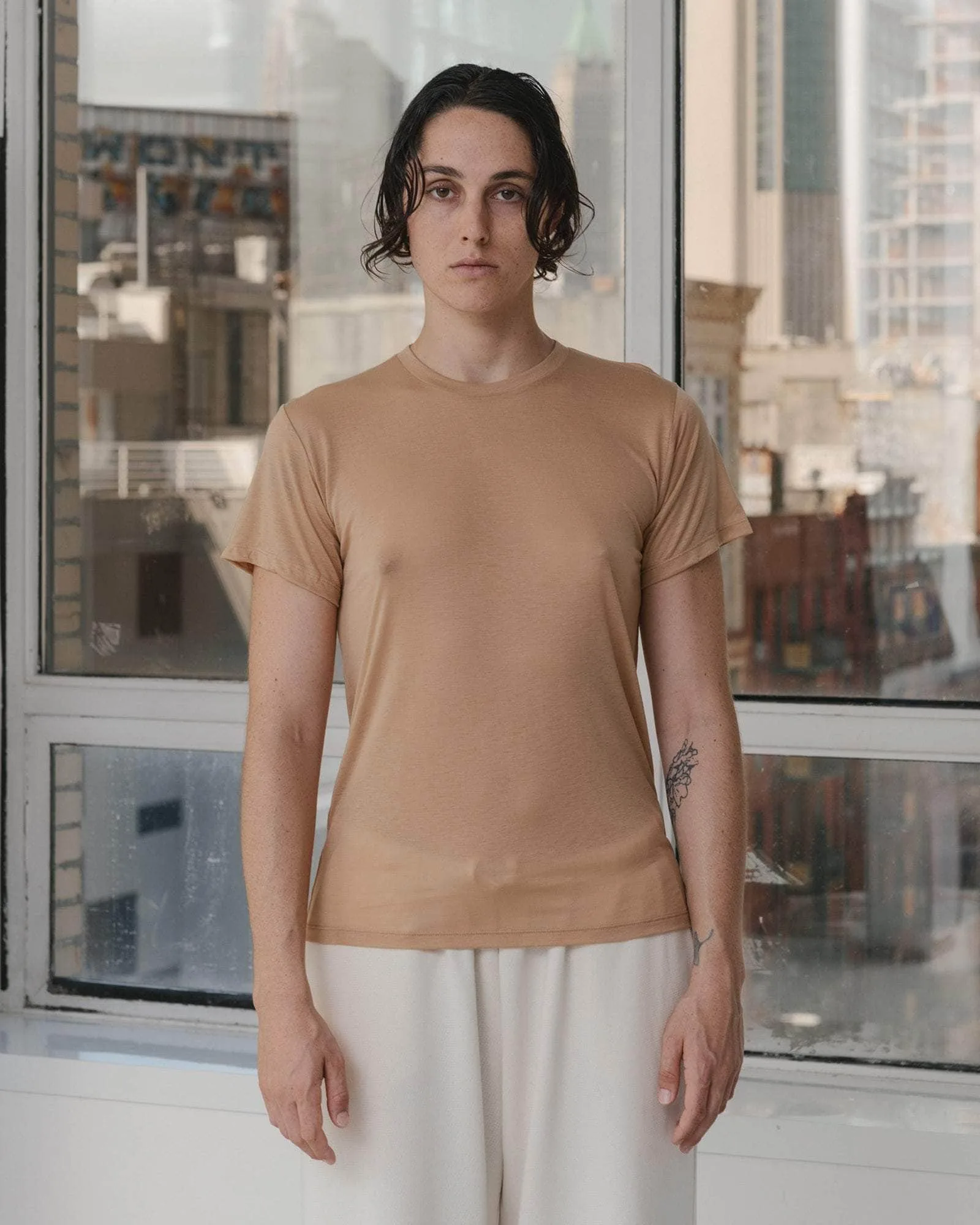
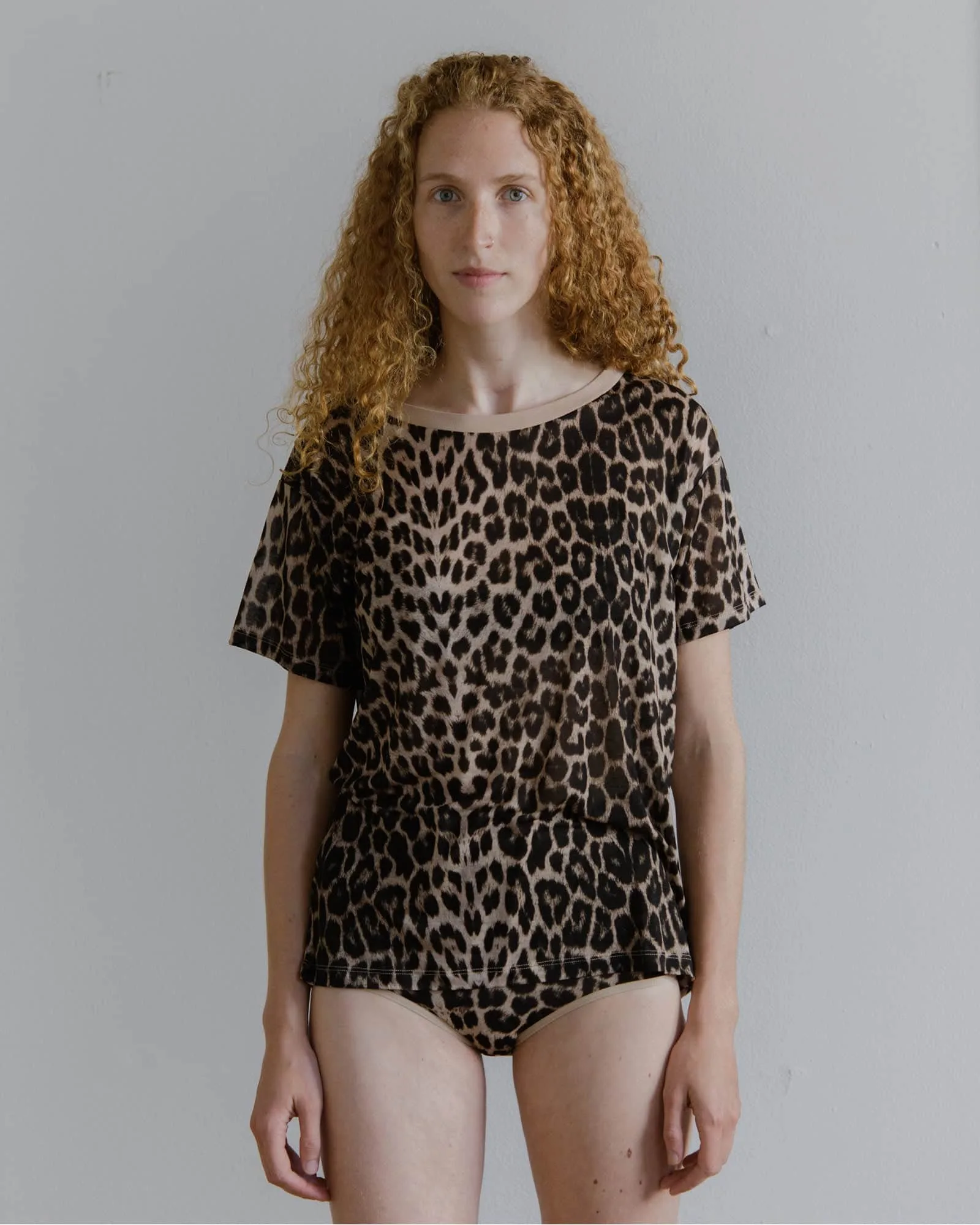
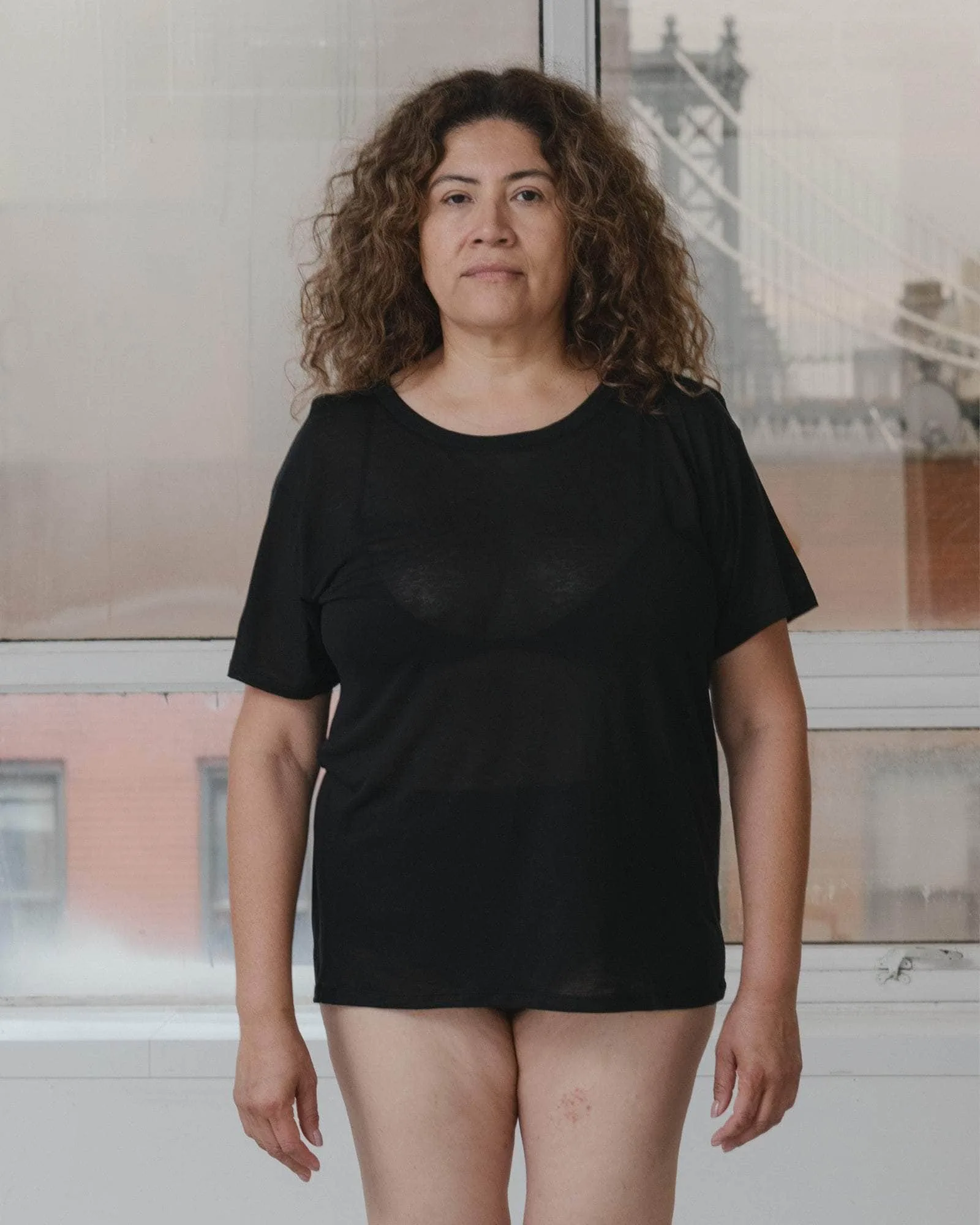
For hot, humid summers or mild year-round climates, choose cotton or Lyocell. These fibers breathe and wick moisture better than synthetic blends. A https://baserangepin.com/products/loose-tee-shirt-in-one-purple-95bee6a8e415565ce68425fe-1102409https://baserangepin.com/products/loose-tee-in-leopard-6a9d599d2b71800f8d9bd990-1102418loose https://baserangepin.com/products/tee-shirt-lyocell-in-aural-2de637254eac0028cc53b211-1102408tee shirt in 100% Lyocell shows how this fiber behaves: soft, breathable, and naturally draping, which is exactly what you want in a warm-weather layer.
For cool fall days and cold winters, look for organic cotton knits or wool blends with a denser gauge. A crewneck organic cotton sweater like the Tier Sweater provides warmth without the itch of some wool, and its ribbed collar, cuffs, and hem help seal in heat. If you need wind resistance, choose a tighter knit or wear a shell over it.
If you live somewhere with four distinct seasons, a mid-weight cotton or cotton-blend cardigan is the most versatile single purchase. It handles spring and fall on its own and becomes a mid-layer in winter.
How to test weight and quality before you buy
You can't always touch the fabric online, so use the product details. Look for fiber content, gauge description (fine, medium, chunky), and whether the knit is described as ribbed or dense. A fine cotton rib long sleeve tee, for example, signals a lighter, stretchier knit than a plain jersey cardigan.
Check the care instructions too. Natural fibers like cotton and Lyocell generally wash well but may shrink if exposed to high heat. Wool requires more careful handling. If you want low-maintenance layering, cotton and Lyocell blends are easier to live with.
Finally, read the fit notes. Many knits run small, especially ribbed styles with elastane. If the description says to size up, do it, particularly if you plan to layer over a shirt.
Decision rules for cardigan weight
- If your average daytime temperature is above 20°C (68°F): Choose a fine-gauge cotton, Lyocell, or cotton-blend cardigan. Prioritize breathability and a loose fit so air can circulate. Lightweight knits work best for summer evenings and air-conditioned spaces.
- If your average daytime temperature is 10–20°C (50–68°F): Choose a mid-weight cotton or cotton-blend cardigan with a relaxed fit. This range covers most of spring and fall. A mid-weight knit is the most versatile single cardigan you can own.
- If your average daytime temperature is below 10°C (50°F): Choose a chunky or dense knit in organic cotton or wool. Look for ribbed cuffs and hem to seal warmth, and size up if you plan to layer over a shirt. Dense knits provide warmth, but check that they fit under your winter coat without restricting movement.
Product facts that inform your choice
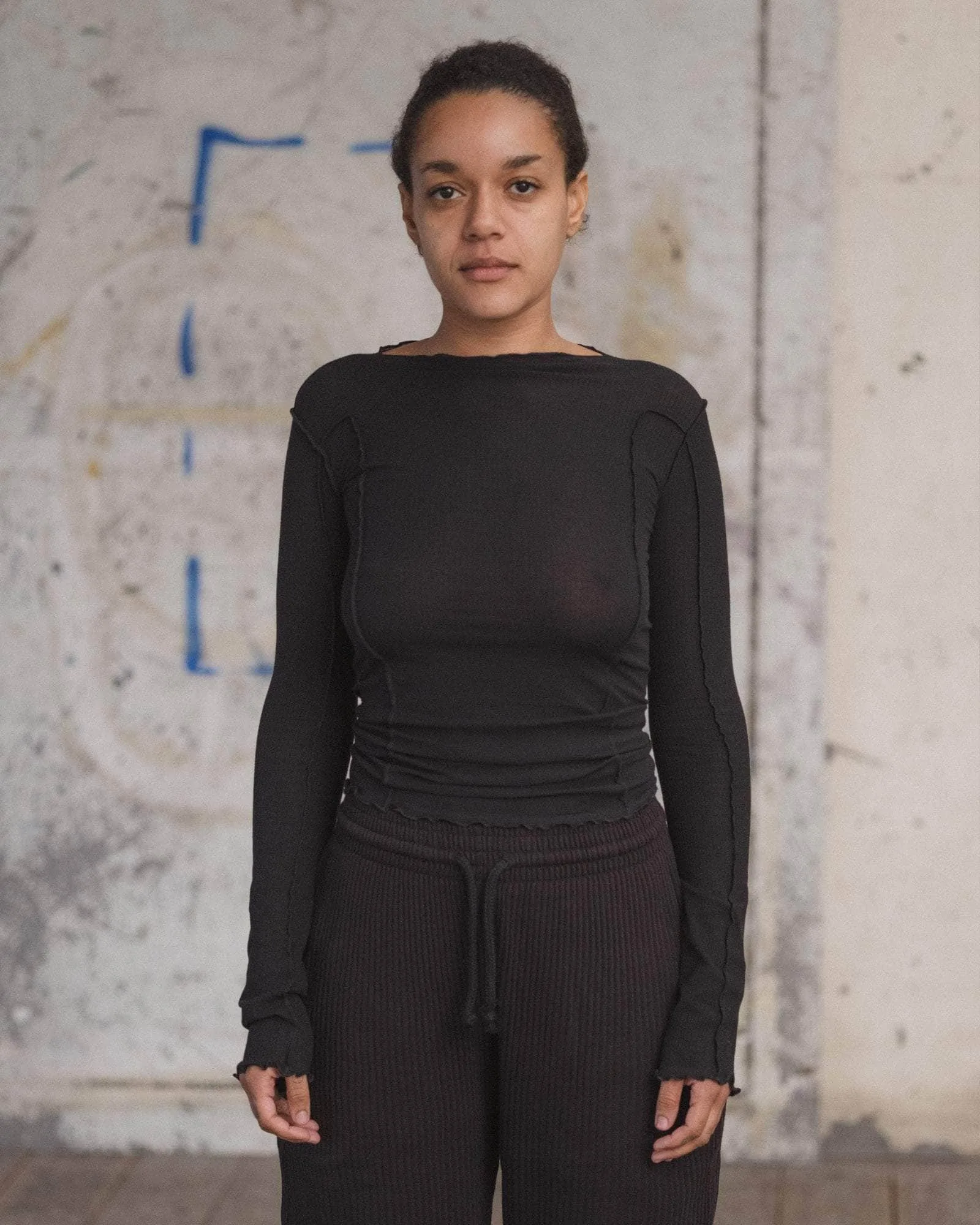
- Omato Long Sleeve Tee: Fine cotton rib long sleeve tee with boatneck, exposed seams, and lettuce edge at neckline and hems. Runs small, consider sizing up. A fine-gauge rib like this is lightweight and stretchy, making it a good base layer for mild weather or under a cardigan. The runs-small note means you should size up if you want a relaxed fit.
- Omato Polo Tee Shirt: Organic cotton rib polo with half button placket, 3/4 sleeves, and natural mineral dye. Runs small, consider sizing up. The organic cotton rib offers breathable mid-weight warmth with a bit of structure from the placket. Natural dye means color may vary, which is a trade-off for those who want exact color matching.
- Tier Sweater: Organic cotton knit sweater with crewneck and ribbed collar, cuffs, and hem. 100% organic cotton, made in France. This dense knit traps more warmth than a fine-gauge tee, making it suitable for cold weather as a standalone layer or under a coat. The ribbed trims help keep cold air out.
Fit guidance for layering
Best for
- Anyone building a capsule wardrobe who wants one cardigan that works across multiple seasons
- People who layer cardigans under coats and need a slim, fine-gauge knit that doesn't add bulk
- Those in cold climates who want a dense organic cotton sweater as a warm mid-layer
Not for
- Shoppers who want a single cardigan to handle both hot summer days and freezing winter nights
- Anyone who prefers a loose, oversized look in a chunky knit but plans to wear it under a fitted coat
- People who refuse to size up when a product description explicitly says the style runs small