Quick answer
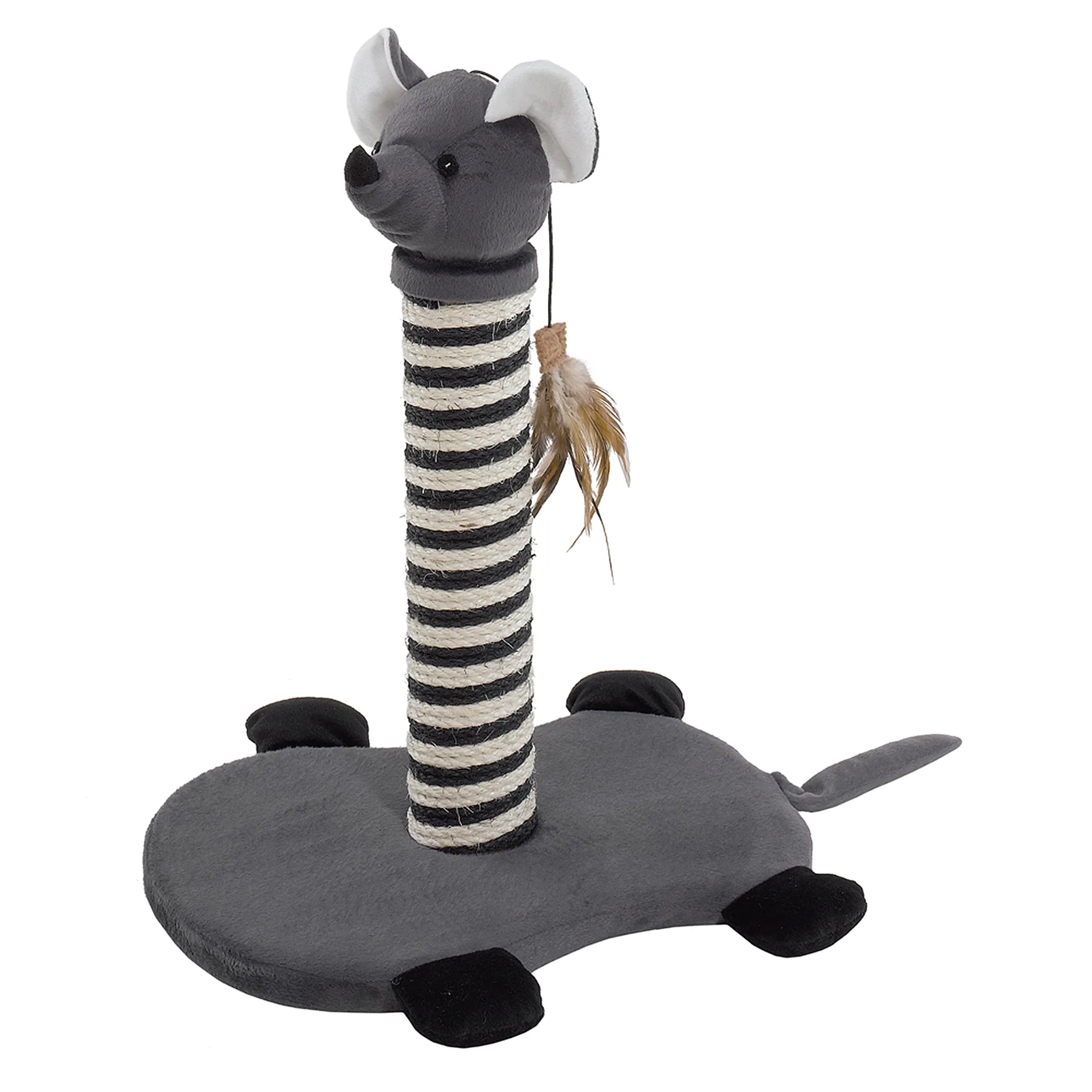
A scratching post that saves your furniture must be tall enough for a full stretch, stable enough not to wobble, and covered in a material your cat actually prefers. Sisal rope and cardboard are top choices; avoid cheap carpet that teaches your cat to scratch rugs.
Why cats scratch and what that means for your choice
Cats scratch to mark territory, stretch muscles, and maintain claw health. A post that lets them perform these natural behaviours is far more likely to be used than ignored. If the post is too short or flimsy, your cat will simply return to the sofa.
Key features to evaluate
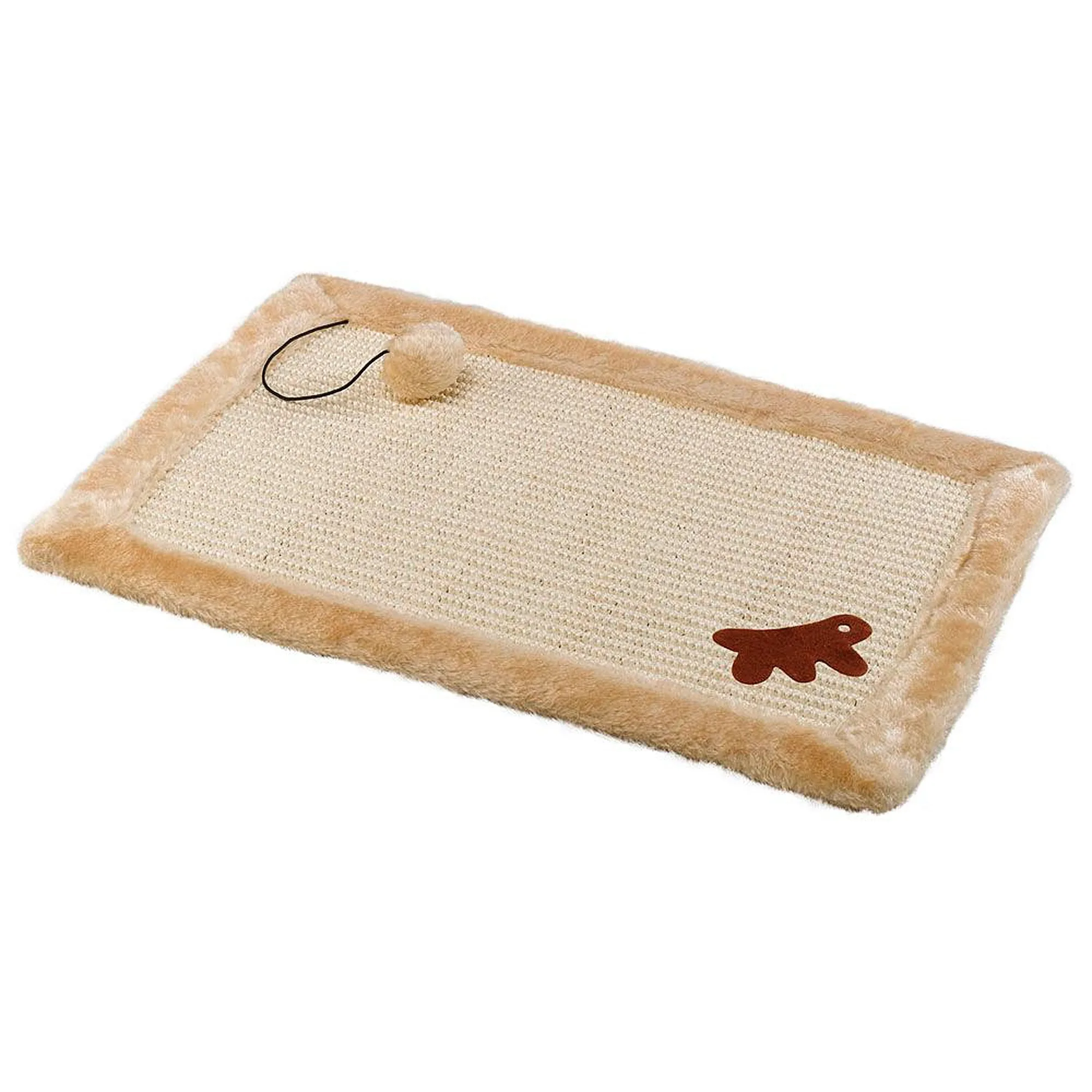
Height matters most: the post should be at least as tall as your cat when fully stretched on hind legs. Stability is second: a post that rocks or tips over scares most cats. Material preference varies, but sisal rope is widely accepted because it provides satisfying resistance and texture. Cardboard scratchers are great for horizontal scratching but wear out faster.
- Height: at least 60-90 cm for most adult cats
- Base: wide and heavy to prevent tipping
- Material: sisal rope, cardboard, or natural wood – avoid carpet
Placement and training tips
Put the post near the furniture your cat already targets. Rub catnip on the post or use a dangling toy to encourage first use. Never force your cat's paws onto the post – that creates negative association. Reward any interest with treats or play.
Decision rules for choosing a scratching post
- Height rule: Measure your cat from front paws to hind paws when fully stretched. The post must be at least that tall. A post too short encourages sofa scratching.
- Stability rule: Test the base: it should not rock when you push the post sideways. A wide, heavy base is essential. Wobbly posts are ignored by most cats.
- Material rule: Sisal rope is the most durable and cat-approved surface. Avoid carpet-covered posts – they train cats to scratch floor coverings. Sisal or cardboard > carpet.
Products that support smart scratching choices
- GRO 5924: This brush for cats and dogs has soft bristles for keeping your pet's coat tidy and making it shiny and soft. It is suitable for all cats and dogs with short, medium or long hair. Regular grooming reduces loose fur and dander, which can make scratching posts less appealing to cats who dislike debris. A tidy coat also means less fur on your furniture.
- CAT NET: Cat Net is an indispensable safety net for cats to keep your Fluffy from jumping off or falling from your balcony. Made of UV-resistant nylon, it is available in different models, with 3 x 3 cm mesh, complete with metal https://ferplasthgf.com/products/kit-%3Ca%20href=hooks-rabbit-milos-af2ed7f874dae00edded6a61-2206467">hooks and anchoring screws. If your cat enjoys high perches near windows or balconies, a safety net adds peace of mind while your scratching post provides an acceptable outlet for climbing and clawing indoors.
Which scratching post is right for your cat?
Best for
- Cats that scratch vertical surfaces like sofas and curtains
- Multi-cat households where a tall, sturdy post reduces competition
Not ideal for
- Cats that prefer horizontal scratching (try a flat cardboard scratcher instead)
- Very small spaces where a tall post may feel intrusive