Quick Answer
Choose chewy wrist bands based on your child's chewing intensity, preferred texture, and the need for a discreet wearable solution. The right band stays on the wrist, provides safe oral input, and lasts through daily use without causing skin irritation.
Why Wearable Chew Tools Are Different
Unlike handheld chew toys or chewable necklace pendants, chewy wrist bands stay on the wrist, making them ideal for kids who lose small items or need hands-free access. They also reduce the risk of the chew tool being dropped on the floor, which is a common hygiene concern in classrooms or therapy settings.
The trade-off is that wrist bands offer a smaller chewable surface than a pendant or a T-shaped chew. For children who need intense or prolonged chewing, a larger tool may be more satisfying. Wrist bands work best for light to moderate chewing and for kids who prefer a quick, discreet bite rather than sustained oral stimulation.
Texture and Firmness Matter More Than You Think
Chewy wrist bands are made from soft, stretchy silicone, but not all silicone feels the same. Some bands are smooth, while others have ridges or bumps that provide extra sensory feedback. For a child who seeks tactile input, a textured band can be more calming than a smooth one.
If your child tends to chew aggressively, look for a band that is thick and dense. A thin band may tear or lose its shape quickly. The Chewy Wrist Bands from Sensory Assist are designed to be soft yet durable, but they are best suited for moderate chewing. For heavy chewers, you might need to replace them more often or consider a firmer alternative like a chewable necklace.
How to Choose Chewy Wrist Bands in 4 Steps
- Assess Chewing Intensity: Observe how hard your child chews on existing toys or clothing. Light to moderate chewers will do well with a standard silicone wrist band. Heavy chewers may need a firmer, thicker band or a different chew tool entirely. A band that shows teeth marks after one use is too soft for your child.
- Check Wrist Size and Fit: Measure your child's wrist circumference and compare it to the band's dimensions. The band should fit snugly but not cut off circulation. A loose band can slide off, while a tight one may cause discomfort or skin irritation. If the band is too big, it won't stay in place; if too small, it may not be worn at all.
- Choose a Texture That Calms: Decide between smooth and textured bands based on your child's sensory preferences. Smooth bands are less stimulating, while textured bands provide extra tactile feedback that some children find grounding. Let your child touch and feel the band before buying to see if the texture is appealing.
- Consider Color and Discreetness: Pick a color that your child will actually wear. Neutral or skin-tone colors are more discreet and may be preferred in school settings. Bright colors can make the band feel like a fun accessory, which helps with acceptance. A band that matches the school uniform or daily outfits is more likely to be worn consistently.
Product Facts
-
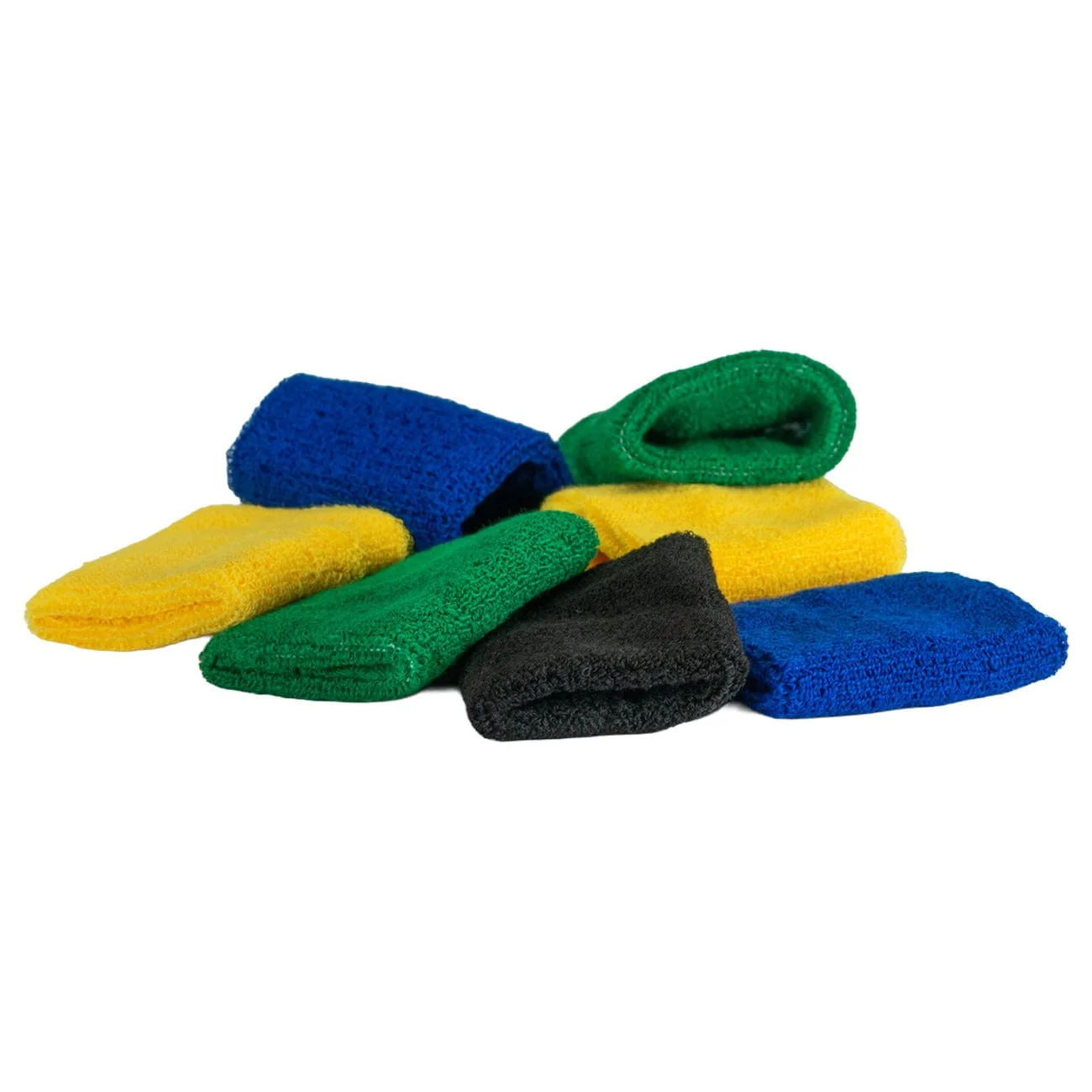
Chewy Wrist Bands: Chewy Wrist Bands are soft, safe and stretchy bands designed for kids who seek oral input throughout the day. The soft silicone is gentle on teeth and gums, making it a safe choice for children who chew to self-regulate, especially in school or therapy settings.
Chewy Wrist Bands