Quick Answer
For preschoolers aged 3-5, choose chairs with a seat height of 10-12 inches and tables that are 20-22 inches high. Ensure that when seated, children's feet rest flat on the floor and their elbows are at a 90-degree angle. Guidecraft's EdQ collection offers adjustable and appropriately sized options to support proper posture and comfort.
Selecting the right table and chair heights is crucial for creating a comfortable and productive learning environment for preschoolers. Incorrect sizing can lead to poor posture, discomfort, and difficulty focusing. This guide provides clear decision rules to help you choose the perfect fit for your classroom.
We'll cover standard height ranges, ergonomic principles, and how to measure your students. We'll also highlight some of Guidecraft's popular furniture pieces that meet these criteria, ensuring your classroom is both functional and inviting.
Why Proper Height Matters for Preschoolers
Preschoolers are at a critical stage of physical development. Furniture that is too high or too low can strain their developing muscles and bones, leading to discomfort and even long-term postural issues. When children sit with their feet flat on the floor and their knees at a 90-degree angle, they are more likely to sit still, engage in activities, and maintain focus.
Ergonomics play a vital role in early childhood education. Properly sized furniture supports fine motor skills, such as writing and drawing, by allowing children to rest their forearms comfortably on the table. It also encourages independence, as children can easily get in and out of their seats without assistance.
- Measure the popliteal height (the back of the knee to the floor) of your students to determine the ideal seat height.
- Ensure there is a 2-3 inch gap between the table surface and the child's thighs when seated.
Standard Height Guidelines for Preschool Furniture
While every child is unique, standard height ranges can guide your selection. For preschoolers (ages 3-5), chair seat heights typically range from 10 to 12 inches, with table heights between 20 and 22 inches. These measurements accommodate the average child's proportions and allow for proper ergonomic alignment.
It's important to remember that these are general guidelines. If your classroom has a wide age range or children of varying sizes, consider adjustable furniture or a mix of sizes to ensure every child has a comfortable seating option.
- For a 3-year-old, a 10-inch seat height is often suitable, while a 5-year-old may need 12 inches.
- If children are between sizes, opt for the taller option to allow for growth.
How to Measure Your Students for the Perfect Fit
To ensure a precise fit, measure the popliteal height of each child. Have the child sit on a flat surface with their knees bent at 90 degrees and measure from the floor to the back of their knee. This measurement is the ideal seat height. For tables, add 2-3 inches to the seat height to allow for comfortable legroom.
Also, check that the child's elbows rest comfortably on the table surface without raising their shoulders. If the table is too high, children will hunch; if too low, they'll slouch. Both can cause fatigue and reduce concentration.
- Use a tape measure and a flat, hard surface for accurate results.
- Re-measure at the beginning of each school year, as children grow quickly.
Guidecraft EdQ Collection: Sizing Options and Features
Guidecraft's EdQ collection is designed with early childhood education in mind. The furniture pieces feature sturdy construction and thoughtful details that support both comfort and durability. For example, the EdQ Hardwood Chairs - Set of 2 - 8" Seat offer a lower seat height suitable for younger toddlers, while other options accommodate preschoolers.
When selecting chairs, consider the seat height in relation to your table. The EdQ chairs feature ladder backs and angled back legs to prevent tipping, which is an important safety feature for active young children. The sturdy leg braces add stability, ensuring the chairs can withstand daily classroom use.
- Always match chair seat height to the table height for proper ergonomics.
- Look for chairs with non-slip feet to protect floors and reduce noise.
Tables and Storage: Completing the Classroom Setup
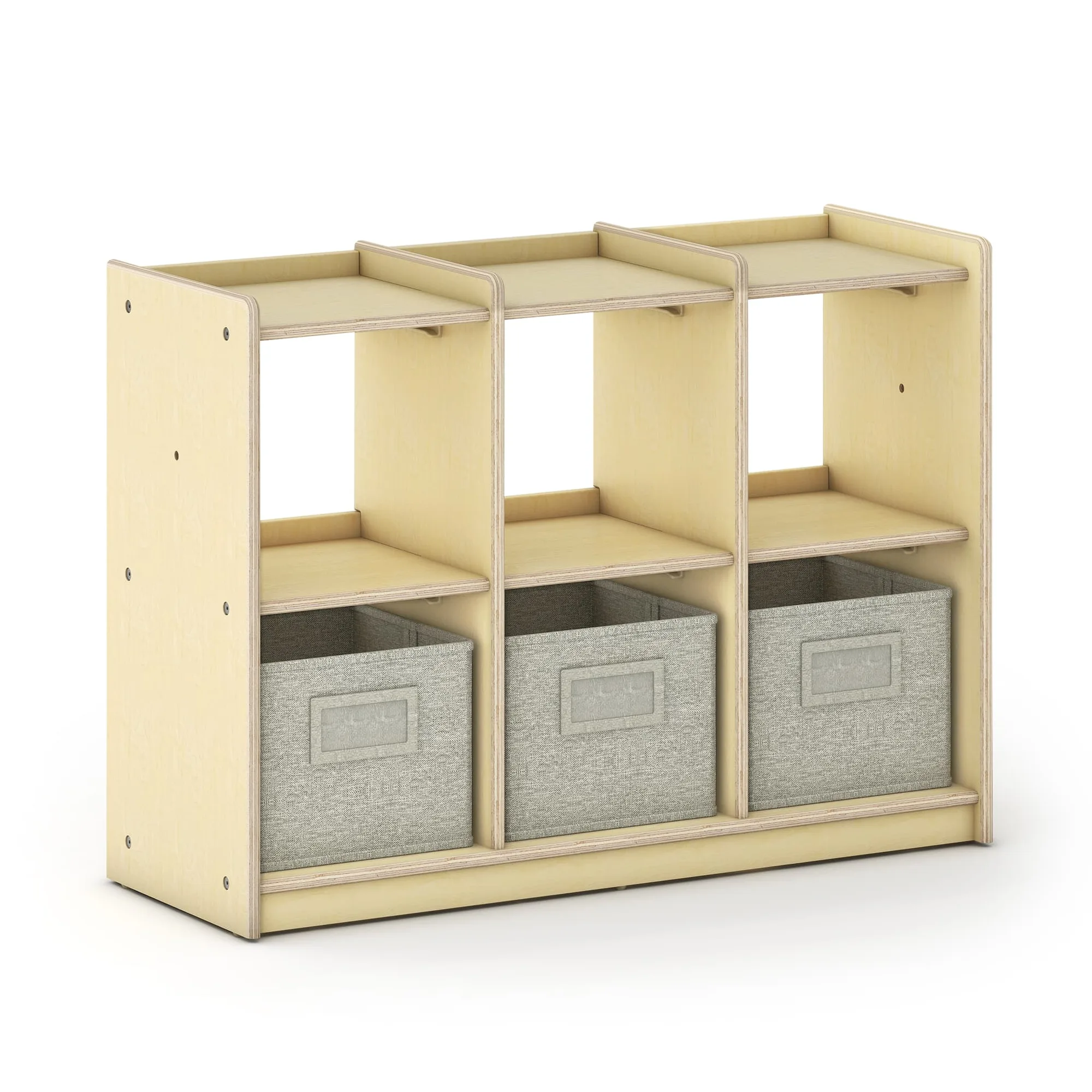
In addition to tables and chairs, storage solutions play a key role in classroom organization. The EdQ 3-Shelf Open Storage with Bins - 36" is an excellent choice for keeping toys and supplies accessible while maintaining a tidy space. Its open design encourages children to see and choose materials independently, fostering decision-making skills.
Another versatile option is the EdQ 2-Section Locker with Bench, which provides storage for personal belongings and a convenient seating area. This piece is perfect for cubby areas and helps children learn to organize their items.
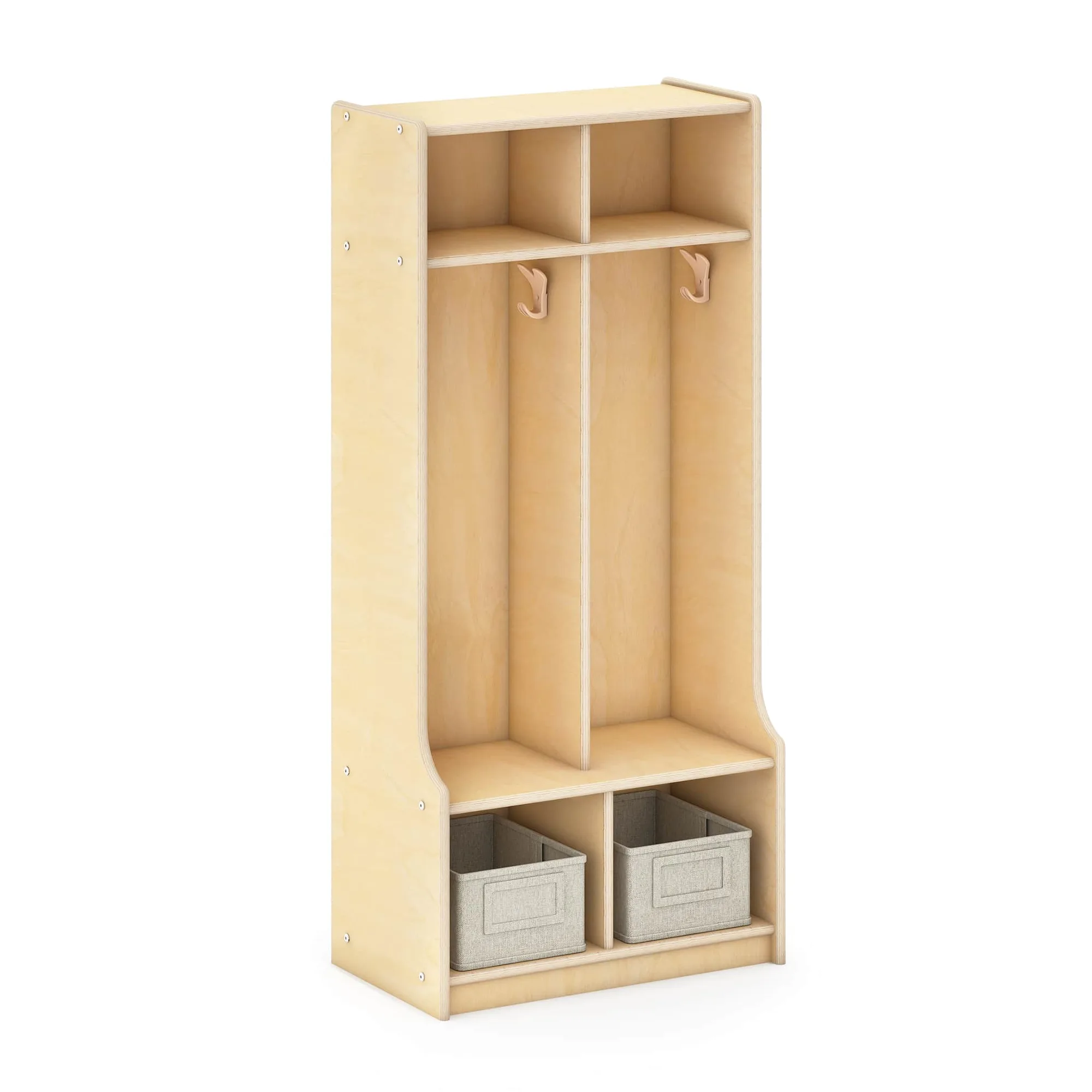
EdQ 2-Section Locker with Bench
- Position storage units at child-friendly heights to promote independence.
- Use bins and baskets to categorize items, making cleanup easier for children.
Decision Rules for Choosing the Right Height
- Rule 1: Measure Popliteal Height: Have each child sit with knees at 90 degrees and measure from the floor to the back of the knee. This is the ideal seat height. Use this measurement as the primary guide for chair selection.
- Rule 2: Add 2-3 Inches for Table Height: The table top should be 2-3 inches above the child's thighs when seated to allow for comfortable leg movement. Ensure the table height matches the chair height plus the legroom allowance.
- Rule 3: Check Elbow Position: When seated, the child's elbows should rest comfortably on the table without raising their shoulders or slouching. If elbows are not at a 90-degree angle, adjust the chair or table height.
Product Facts from Guidecraft
- EdQ Hardwood Chairs - Set of 2 - 8" Seat: Classic design meets classroom function in this ladder-backed Hardwood Chair Set for kids. Featuring sturdy leg braces for added strength and angled back legs to help prevent tipping, these kids' chairs provide a safe seating solution for preschool classrooms, playrooms, libraries, and other early learning environments. The ergonomic chair design includes a comfortable backrest that promotes good posture, while a UV... The 8-inch seat height is ideal for younger toddlers, and the sturdy construction ensures safety and durability in active classroom settings.
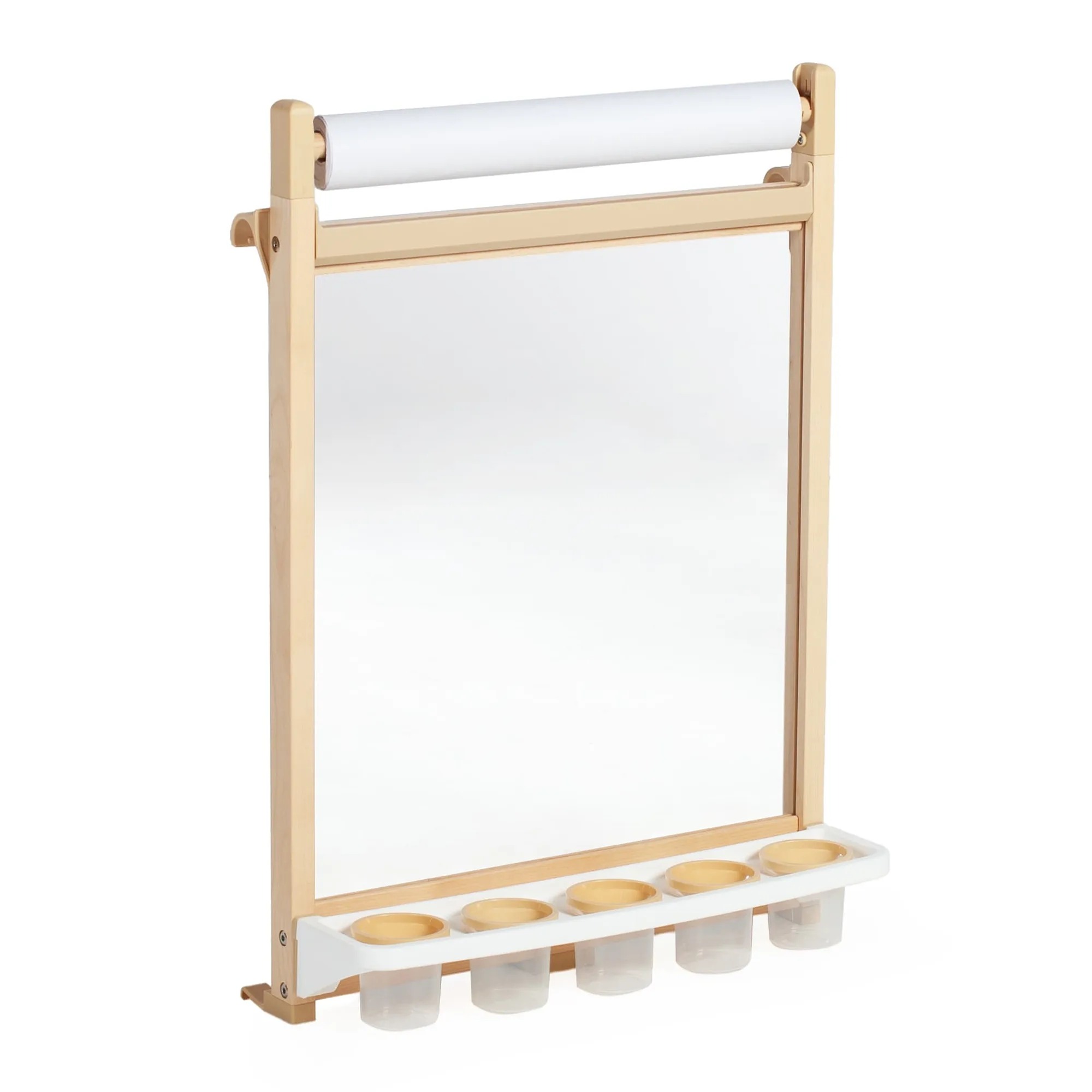
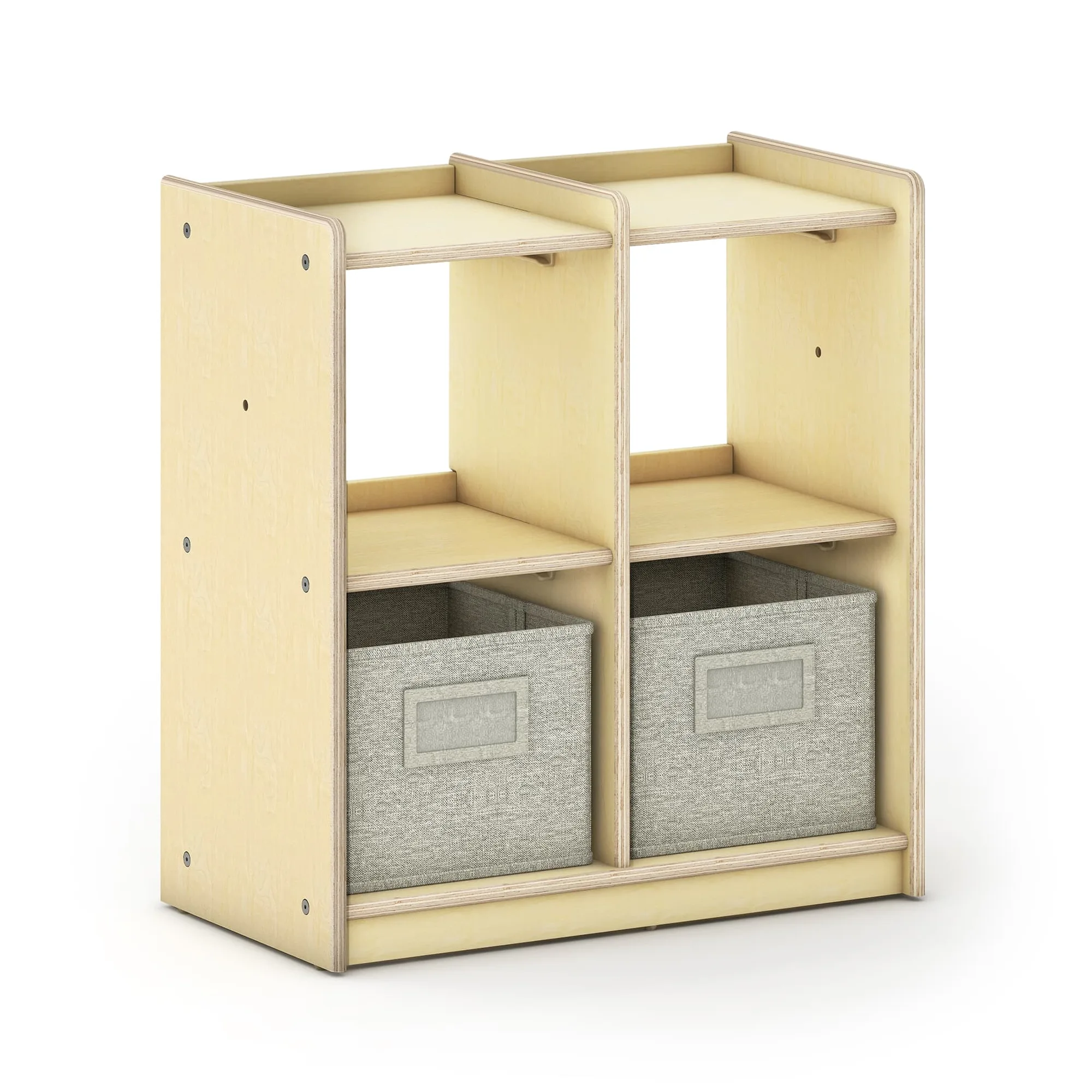
- EdQ Curated Storage 2x3 Unit: The EdQ Curated Storage reimagines shelving as an interactive learning environment, giving children the freedom to curate, explore and interact with materials at different levels and in different ways as they grow, with light, reflection and sensory play opening up new possibilities at every age and stage. The EdQ 2×3 Unit brings together accessible shelves and open-ended learning in one versatile classroom storage... This storage unit complements your classroom by offering accessible shelving that encourages exploration and independent learning, aligning with the developmental needs of preschoolers.
Fit Guidance
Best For
- Preschool classrooms with children aged 3-5 who need standard-sized furniture.
- Homeschool environments where multiple children of similar size learn together.
Not For
- Toddler rooms with children under 3, who typically need smaller furniture (e.g., 8-inch seat height).
- Mixed-age classrooms with a wide range of heights, where adjustable furniture may be more suitable.
Choosing the right classroom table and chair height is essential for the comfort, safety, and development of preschoolers. By following the decision rules and considering Guidecraft's EdQ collection, you can create an ergonomic learning environment that supports every child's growth. Explore our range of classroom furniture to find the perfect fit for your space.