Finding the right cleanser for sensitive skin can feel like a minefield. With so many formulas promising to purify, brighten, and exfoliate, it's easy to end up with a product that leaves your skin red, tight, or irritated. The truth is, sensitive skin needs a different approach—one that prioritizes gentle cleansing and barrier support over aggressive active ingredients.
In this guide, we'll walk you through exactly what to look for (and what to avoid) in a cleanser for sensitive skin. You'll learn how pH, texture, and ingredient lists influence your skin's reaction, and we'll point you to some of our favorite Korean clinical skincare cleansers that are designed with sensitive skin in mind.
Why Sensitive Skin Needs a Special Cleanser
Sensitive skin is not a skin type—it's a condition. It can be genetically predisposed or triggered by environmental stressors, over-exfoliation, or harsh products. When your skin barrier is compromised, it loses moisture and becomes more reactive to irritants. A cleanser that is too stripping can worsen this, leading to redness, flaking, and even breakouts.
That's why choosing a gentle cleanser is non-negotiable. A good sensitive skin wash should cleanse without disrupting the acid mantle, helping to maintain a healthy pH and support the skin's natural repair process. Korean skincare, often referred to as K-beauty, has long championed this philosophy, focusing on soothing ingredients and barrier-friendly formulations.
- Look for a cleanser with a pH around 5.5, which is close to your skin's natural pH.
- Avoid products with alcohol, fragrance, and essential oils—these are common irritants.
- Consider a cream or gel cleanser that rinses clean without leaving a tight feeling.
Key Ingredients to Look For in a Sensitive Skin Cleanser
When scanning ingredient labels, seek out calming and hydrating components. Aloe vera, centella asiatica, green tea, and allantoin are excellent for reducing inflammation and soothing irritation. Glycerin and hyaluronic acid help maintain moisture, while ceramides support the skin barrier.
For a truly hypoallergenic cleanser, opt for formulas that are free from common allergens and harsh surfactants. Instead of sodium lauryl sulfate (SLS), look for gentle surfactants like cocamidopropyl betaine or amino acid-based cleansers. These are less likely to cause that dreaded post-wash tightness.
- Centella asiatica is a K-beauty favorite for its calming properties.
- Ceramides help repair and strengthen the skin barrier over time.
- Avoid sulfates and opt for amino-acid-based cleansers for a gentler experience.
How to Test a Cleanser Before Committing
Even the most gentle cleanser can cause a reaction in some individuals. That's why patch testing is essential, especially for sensitive skin. Apply a small amount of the product to a small area of your inner arm or behind your ear, and wait 24 hours to see if any redness, itching, or bumps appear.
If you're trying a new sensitive skin wash on your face, introduce it slowly. Use it once a day for the first week, then gradually increase if your skin tolerates it well. Pay attention to how your skin feels immediately after rinsing—it should feel clean, not tight or greasy.
- Patch test every new cleanser for at least 24 hours.
- Follow the 'less is more' approach: start with one cleanse per day.
- If you experience stinging or burning, discontinue use immediately.
Choosing Between Cleanser Textures: Gel, Cream, or Oil
Cleansers come in various textures, and the right one for you depends on your skin's current state. Gel cleansers are often lightweight and refreshing, but they can be too drying if they contain strong surfactants. Cream cleansers are more hydrating and are often the best choice for very dry or reactive skin.
Oil cleansers, when formulated with gentle oils, can be excellent for removing makeup and sunscreen without stripping. However, if you're prone to clogged pores, you might prefer a non-comedogenic oil or a cleansing balm that rinses off easily. For sensitive skin, a cream or lotion cleanser is often the safest bet.
- Cream cleansers are ideal for dry, sensitive skin.
- Gel cleansers can work if they are sulfate-free and pH-balanced.
- Oil cleansers are great for removing makeup, but ensure they rinse clean.
Korean Clinical Skincare Cleansers for Sensitive Skin
Korean skincare has a reputation for innovation and gentle effectiveness. Many K-beauty cleansers are formulated with botanical extracts and advanced technologies to soothe and protect sensitive skin. For example, the Salix Tone is a toner that can be used after cleansing to further calm the skin, but it's the cleanser itself that sets the stage.
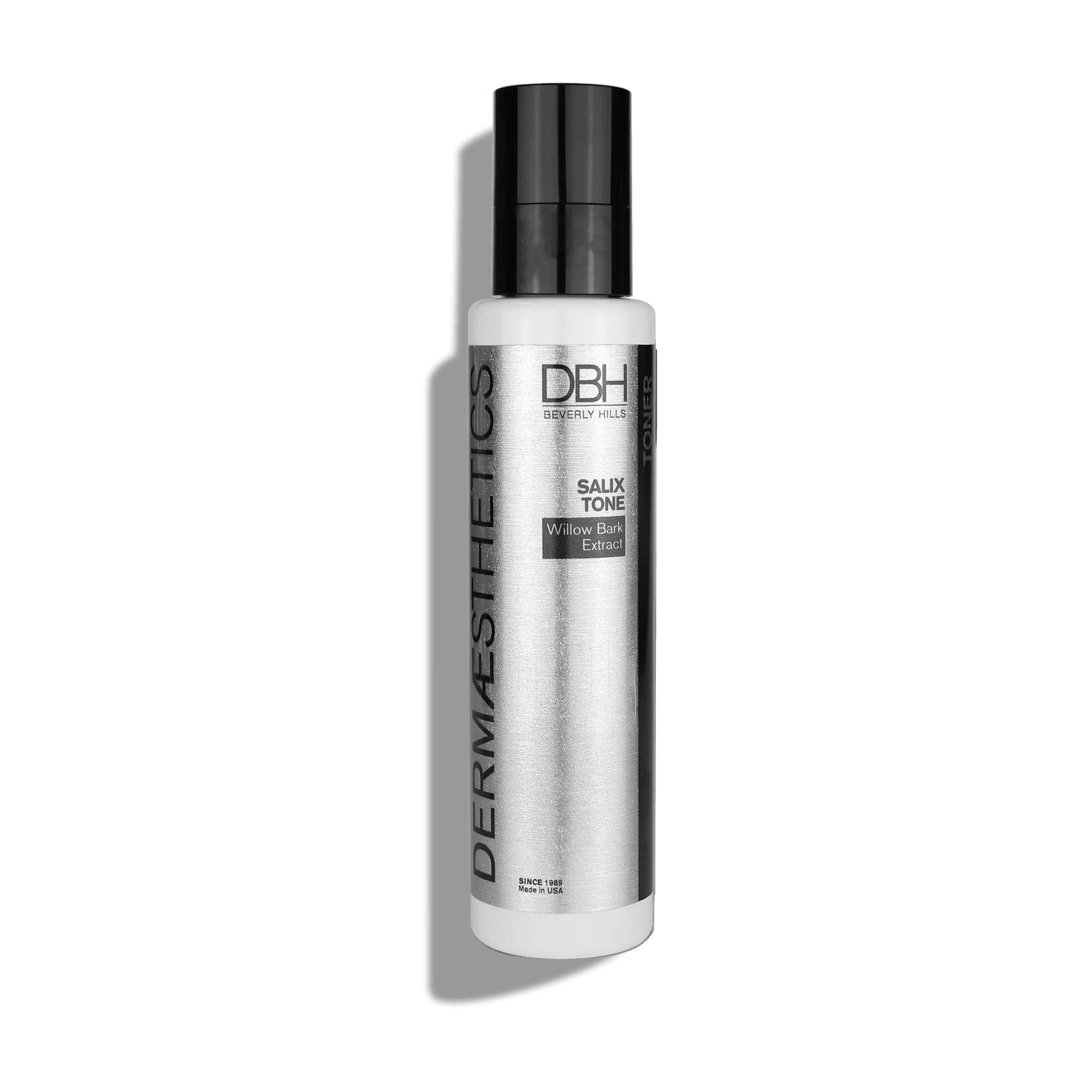
Salix Tone
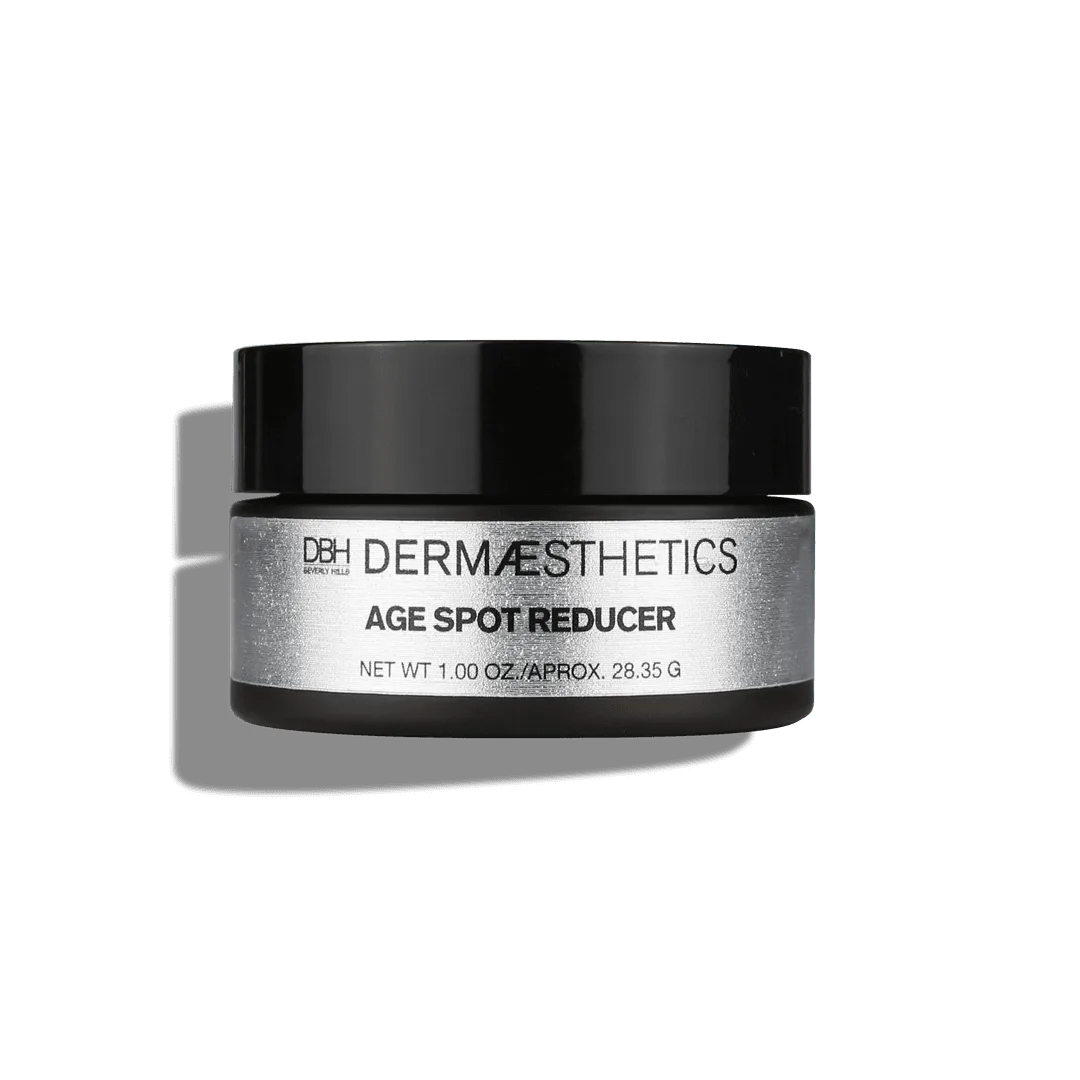
While we don't have a dedicated sensitive skin cleanser in our store, our product range includes several gentle options that are suitable for reactive skin. For instance, the Age Spot Reducer is a targeted treatment, not a cleanser, but it's formulated with skin-friendly ingredients. When choosing a cleanser, look for products that are free from harsh chemicals and fragrance—our DBH Spa: Organic Bio-Microneedle Peel is a professional treatment, but for daily cleansing, you might consider a simple, unscented formula.
- K-beauty cleansers often include fermented ingredients that support the skin microbiome.
- Look for the 'hypoallergenic' label, but always check the ingredient list.
- Consider a cleansing water or micellar water as a gentle alternative.
How to Incorporate Your Cleanser into a Sensitive Skin Routine
Once you've found your ideal cleanser, it's important to use it correctly. Wet your face with lukewarm water—hot water can strip oils and irritate skin. Massage the cleanser gently with your fingertips for about 30 seconds, avoiding vigorous rubbing. Rinse thoroughly and pat your face dry with a soft towel.
Follow up immediately with a moisturizer to lock in hydration. For an extra boost of soothing care, you can apply a hydrating toner like Salix Tone after cleansing. This step helps rebalance the skin's pH and preps it for the next products in your routine.
- Use lukewarm water, not hot.
- Massage gently for 30 seconds, no longer.
- Pat dry, never rub, and moisturize while skin is still damp.
Choosing the right cleanser for sensitive skin is a personal journey, but by focusing on gentle ingredients, proper pH, and a soothing formula, you can find a product that cleanses without compromise. Remember to patch test, listen to your skin, and prioritize barrier health. For a complete sensitive skin routine, explore our range of gentle, Korean clinical skincare products, such as the Salix Tone, to keep your complexion calm and balanced.