Selecting the right clipper blades is crucial for achieving professional-quality cuts and maintaining the longevity of your clipper. Whether you're a seasoned barber or just starting out, understanding blade compatibility and types can make a significant difference in your work. This guide will walk you through the key factors to consider when buying clipper blades, ensuring you make an informed decision.
From fade blades to standard cutting blades, each type serves a specific purpose. We'll cover the anatomy of a blade, how to ensure compatibility with your clipper model, and the importance of blade maintenance. By the end, you'll know exactly what to look for when shopping for replacement or upgrade blades.
Understanding Clipper Blade Anatomy
Clipper blades consist of two main parts: the stationary blade (comb) and the moving blade (cutter). The stationary blade has teeth that determine the cutting length, while the moving blade oscillates against it to cut hair. The number of teeth and their spacing affect the cut's closeness and smoothness.
Most blades are made from high-carbon steel or ceramic. Steel blades are durable and hold a sharp edge longer, while ceramic blades stay cooler during extended use but are more brittle. Knowing the material helps you decide based on your cutting frequency and maintenance preferences.
- Check the blade's tooth count and spacing for the desired cut length.
- Consider blade material: steel for durability, ceramic for heat resistance.
- Look for blades with a coating (e.g., titanium) for reduced friction.
Blade Compatibility: Ensuring a Perfect Fit
Not all blades fit all clippers. Each clipper model has a specific blade drive system and mounting mechanism. Before purchasing, check your clipper's manual or manufacturer's website for compatible blade models. Using an incompatible blade can damage your clipper or result in poor cutting performance.
Some clippers use a snap-on system, while others require screws. Additionally, the blade's size (e.g., #10, #15, #30) must match the clipper's blade holder. For example, the Shorty Professional Hair Clipper is designed to work with specific blade sizes; using the wrong one will not only cut poorly but also void the warranty.
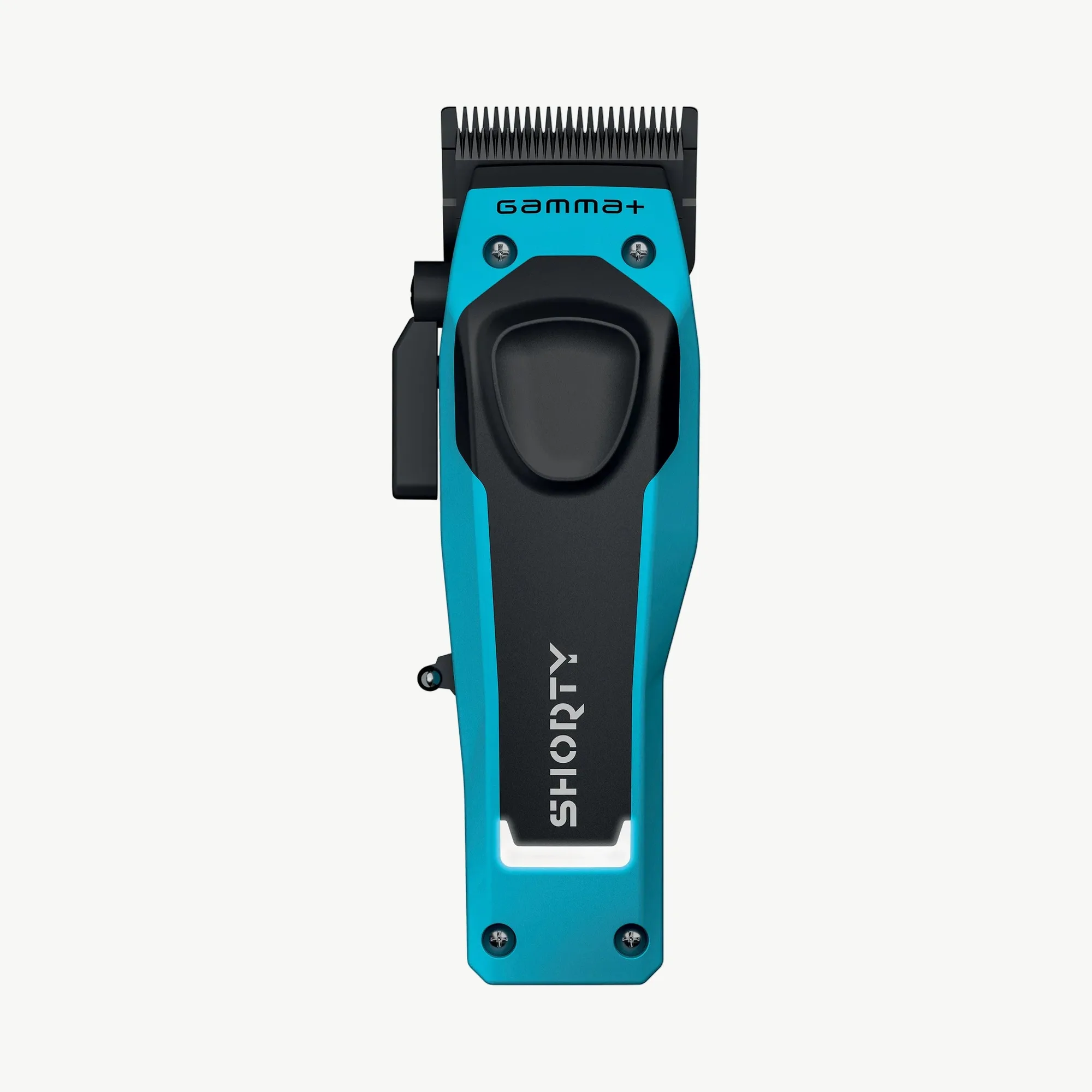
Shorty Professional Hair Clipper
- Always verify blade compatibility with your clipper model before buying.
- Check the blade's attachment method (snap-on vs. screw-on).
- Consult the manufacturer's website or customer support for a list of compatible blades.
Types of Clipper Blades: Which One Do You Need?
Clipper blades come in various types, each suited for different cutting techniques. Standard blades (e.g., #0000, #000) are versatile for general cutting. Fade blades have a wider tooth spacing and are designed for blending and fading. Taper blades, on the other hand, have a slight curve that helps with tapering and sculpting.
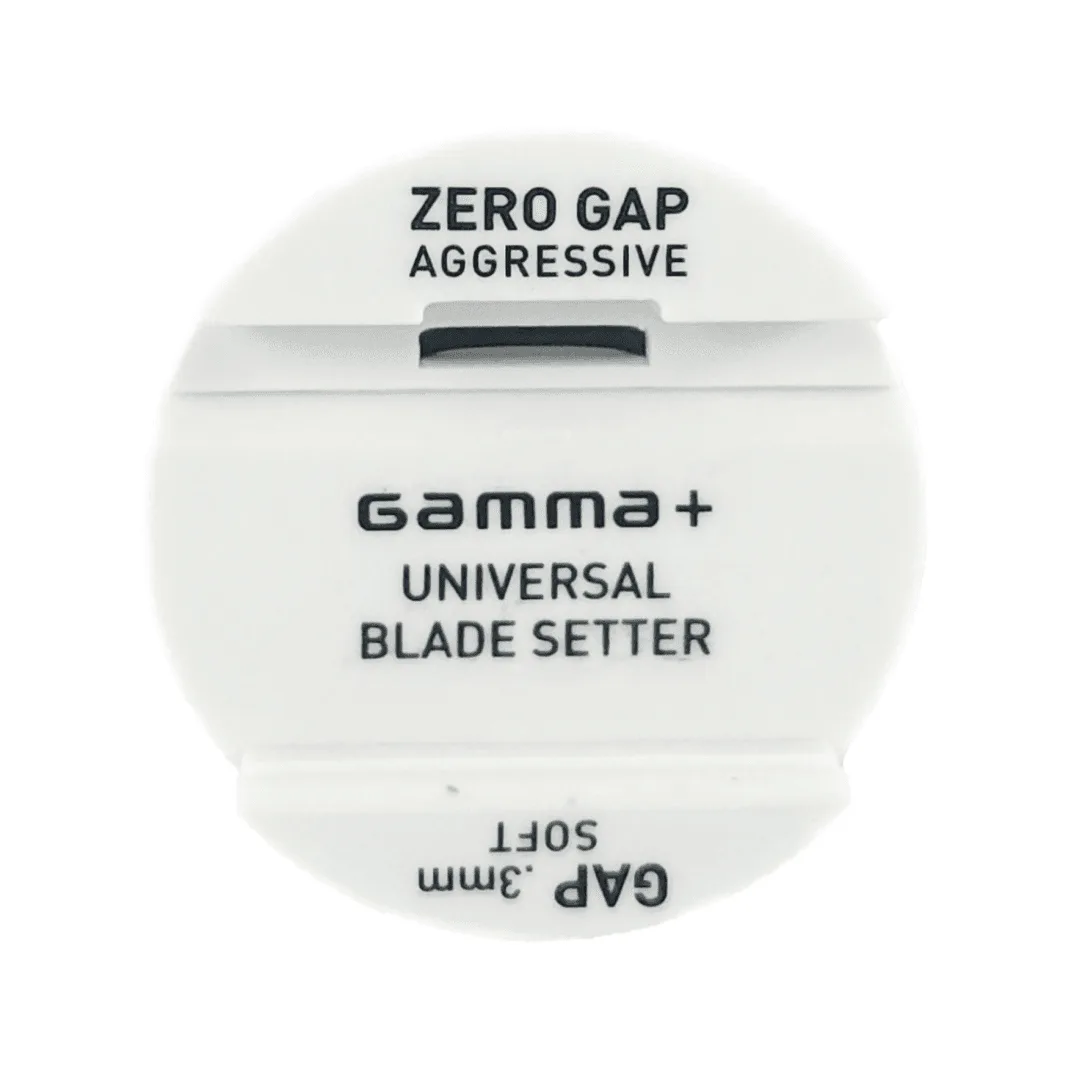
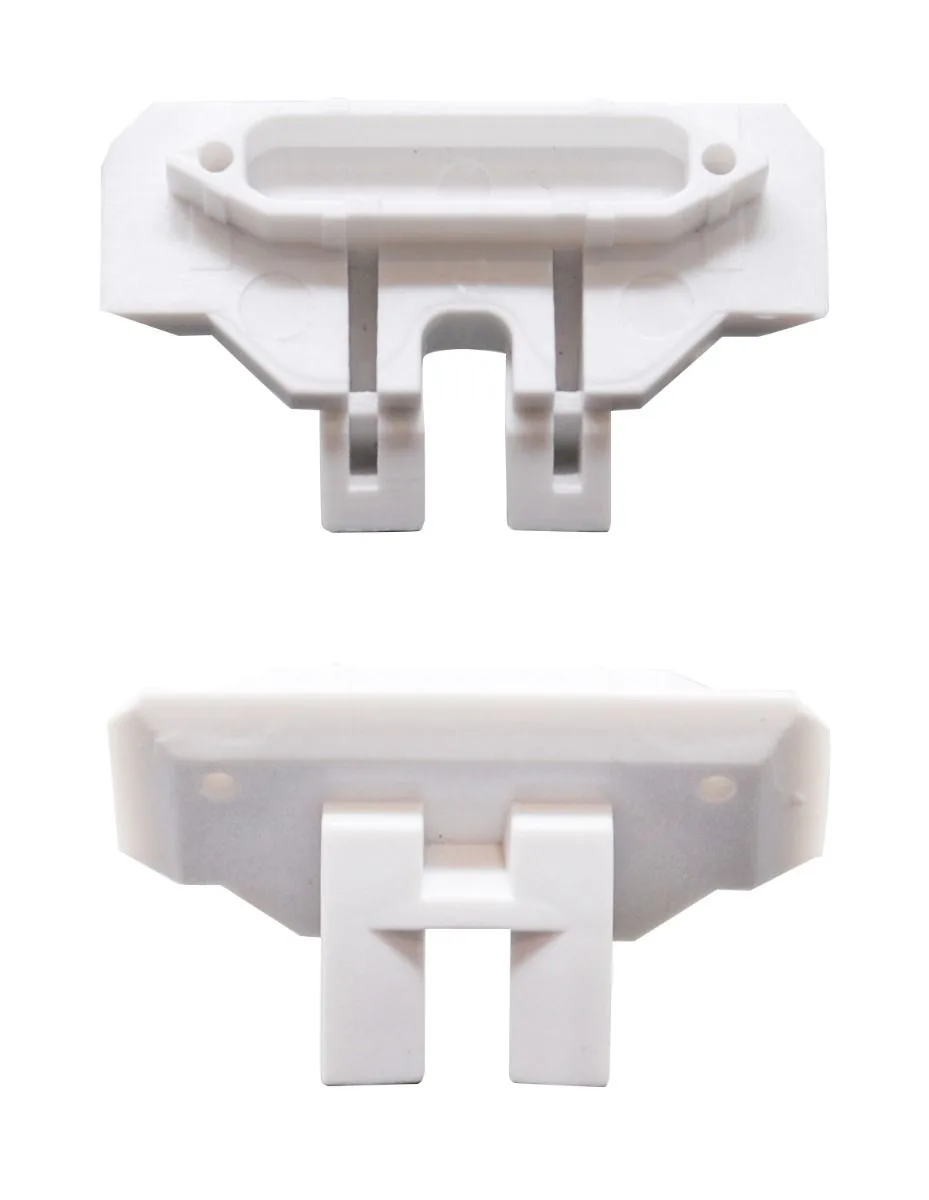
For barbers specializing in fades, a taper blade selection is critical. The Zero Gap Trimmer Blade Setter Tool is essential for adjusting your blades to achieve a zero-gap cut, which is perfect for crisp fades. Additionally, specialized blades like the Replacement Part Cam Follower Compatible with Ergo Clipper ensure your clipper operates smoothly, reducing vibration and noise.
- Standard blades: general-purpose cutting.
- Fade blades: wider teeth for blending and fading.
- Taper blades: curved design for tapering and sculpting.
- Zero-gap blades: adjusted for ultra-close cuts.
Maintenance Tips to Extend Blade Life
Proper maintenance not only extends the life of your blades but also ensures consistent cutting performance. After each use, remove hair and debris from the blades using a brush or compressed air. Lubricate the blades with clipper oil to reduce friction and prevent rust.
Sharpen your blades regularly or replace them when they become dull. Dull blades pull hair and cause discomfort to clients. Additionally, store your clipper in a dry place to prevent corrosion. Following these tips will save you money and keep your tools in top condition.
- Clean blades after every use to prevent buildup.
- Oil blades regularly to maintain smooth operation.
- Replace blades when they show signs of dullness or damage.
Choosing the right clipper blades is essential for any barber looking to deliver precise cuts and maintain professional standards. By understanding blade anatomy, ensuring compatibility, selecting the right type, and maintaining your blades, you'll be well-equipped to make the best choice. For a reliable option, consider the Shorty Professional Hair Clipper, which offers excellent performance and compatibility with a range of blades.