Quick answer
For light days, choose a reusable pantyliner when you need thin, discreet coverage for spotting, discharge, or backup, and choose a cloth pad when the flow is light but steady or you want more length and coverage. If you wear thongs, start with a thong-style liner; otherwise a longer pantyliner plus is the safer everyday pick.
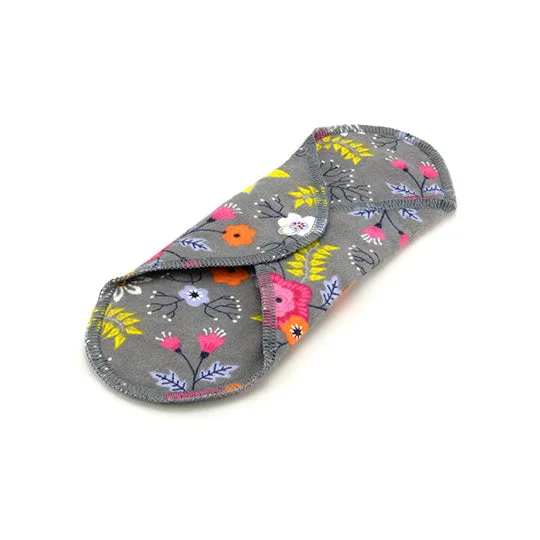
pantyliner plus
Match the product shape to your underwear first
The fastest way to narrow the choice is to look at what you actually wear. A pantyliner cut for thongs has a narrow shape and typically two sets of snaps to keep it in place, while standard pantyliners and pads are wider and longer. If you split your week between thong and full-coverage underwear, you may need one of each rather than trying to make a single style work everywhere.
Use flow duration, not just flow volume
A single spot of spotting and a light but continuous flow behave differently in a liner. If you change a disposable liner once or twice on a light day, a reusable pantyliner is usually enough. If you find yourself checking more often, or the flow lasts several hours, a cloth pad with more length gives you a better buffer. The Pantyliner Plus is longer than the standard Pantyliner and holds its shape well in the washer and dryer, which makes it a practical middle ground for light flow protection.
Decide how much discretion you need
Light-day protection is often about feeling unbothered rather than heavy absorbency. Small liners are discreet and not bulky, which matters if you are wearing fitted clothing or moving a lot. If you are mainly at home or wearing looser clothing, a slightly longer liner costs you very little in comfort and buys you more coverage. There is no single right answer here; pick based on the day, not on a rule.
Check the care routine before you commit to a full set
Reusable liners and pads need washing, and how you wash them affects how long they last. If you already have a routine for cloth pads, adding liners is simple. If you are new to reusables, start with a small number so you can test how they feel and how they dry before buying more. A light flow kit or a few liners is a lower-risk starting point than a large bundle.
Steps to choose your light-day protection
- Check your underwear style: Look at whether you mostly wear thongs, briefs, or a mix. Thong wearers should start with a thong-shaped liner; everyone else can start with a standard or plus pantyliner. Common mistake: buying a standard liner for thong underwear and finding it shifts or shows.
- Estimate your light-day flow: Count how many disposable liners you would normally use on a light day. One or two suggests a reusable pantyliner; three or more, or a steady flow, suggests a longer cloth pad. Checkpoint: if you are unsure, choose the longer option first, since extra length is less noticeable than insufficient coverage.
- Pick a starting quantity: Buy two or three liners to test fit and absorbency before committing to a larger set. Once you know your preferred style, a bulk option can lower the per-item cost. Next step: wash and dry your test liners once before relying on them, so you know how they behave.
Product facts
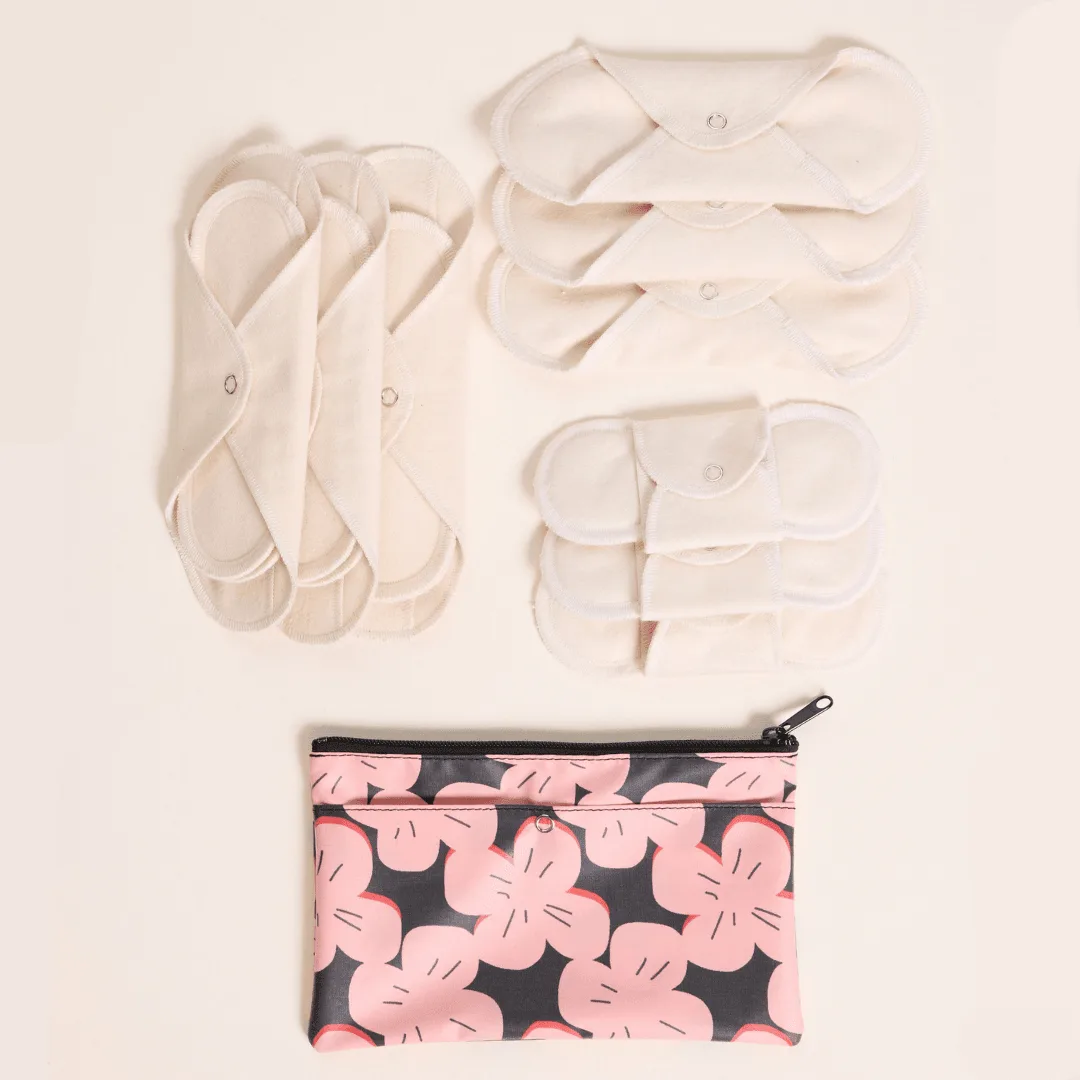
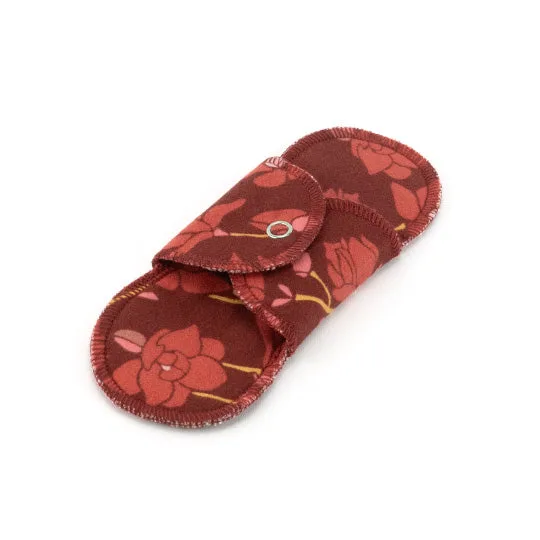
- Organic Thong Pantyliner: The Thong Pantyliner is small and discreet, absorbent as a disposable liner, and has two sets of snaps to stay in place. It is the practical choice if you wear thongs and want light coverage without bulk.
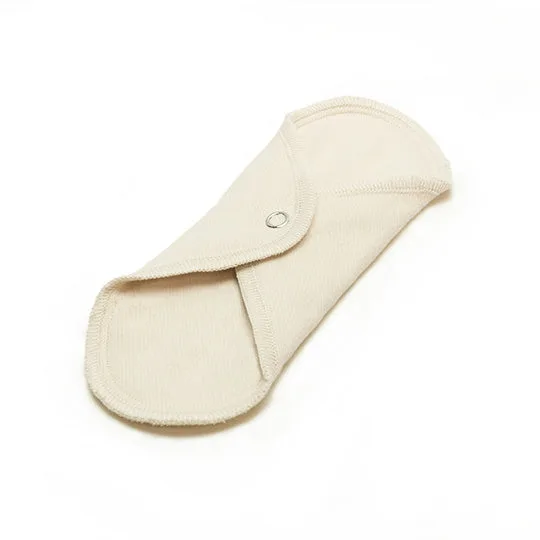
- Organic Pantyliner Plus: The Pantyliner Plus is longer than the standard Pantyliner, more flexible in the undies, and holds its shape well in the washer and dryer. It suits light flow, spotting, daily discharge, or light incontinence, and is a good first reusable if you want a bit more coverage.
- Bulk Pantyliner Plus: Bulk Pantyliner Plus offers slightly longer coverage than the standard Pantyliner and is free from plastics or PFAS. Buying in bulk lowers the per-liner cost if you plan to use them regularly for light flow or backup.