Quick answer
For pour over, choose a burr grinder with a wide, repeatable adjustment range and low fines so you can chase clarity at medium-coarse settings. If you also pull espresso, prioritize stepless or micro-adjustable burrs and accept a higher budget or a second grinder. If you mostly brew V60, a hand grinder with conical steel burrs is often enough.
A grinder changes your cup more than most brewers do. It sets particle size, which controls how fast water moves through coffee and how much sweetness versus bitterness you extract. If you are building a pour over or espresso setup, the grinder is the piece that decides whether you can repeat a good result tomorrow. This coffee grinder buying guide walks through the decisions that actually matter: burr type, adjustment range, retention, and workflow.
You do not need the most expensive option. You need a grinder that matches your brew method, your patience for manual work, and how often you switch between methods. The sections below give concrete rules so you can choose once and stop second-guessing.
Burr type: the first decision
Burr grinders crush beans between two hard surfaces, producing a more even particle distribution than blade grinders. Conical burrs are common in hand grinders and many home electric grinders; they feed beans downward and tend to be forgiving. Flat burrs, usually in electric grinders, often produce a tighter distribution that suits espresso and high-clarity pour over. Neither is automatically better—flat burrs typically cost more and can be less forgiving of alignment, while conical burrs are easier to live with at lower budgets.
For a grinder for V60 or similar cone brewers, conical burrs at medium-coarse settings give you enough clarity without demanding a lab-grade setup. For espresso, flat burrs or well-aligned conical burrs help you make small, repeatable changes. If you cannot name a reason to choose flat burrs, start conical and put the savings into fresh coffee.
- Avoid blade grinders for pour over or espresso—they produce too many fines and boulders to adjust reliably.
- Check that replacement burrs are available for the model you buy; that is what makes a grinder last.
Adjustment range and repeatability
Espresso needs fine, stepless or near-stepless adjustment because a tiny change in burr distance shifts shot time. Pour over needs a wider range from fine to coarse, and it needs detents or markings you can return to. A grinder that only moves in large steps can still work for pour over but will frustrate you on espresso. A grinder with a wide range but sloppy adjustment will make you chase settings instead of drinking coffee.
Decide which method you brew most. If it is pour over, prioritize a clear coarse range and consistent medium settings. If it is espresso, prioritize fine adjustment and a burr set designed for it. If you split time evenly, expect to pay more or accept a hand grinder for one method.
- Write down your pour over setting so you can return to it after cleaning.
- Espresso grinders should let you move less than one full step between a fast and slow shot.
Workflow: hand vs electric, retention, and noise
Hand grinders cost less, take up little space, and are quiet, but grinding 20 grams for a V60 can take 30–60 seconds of effort. Electric grinders are faster and easier for multiple cups, but they add noise, counter space, and often retention—grounds left inside the chute that stale between sessions. Retention matters most for espresso, where you dose by weight and a gram of old grounds changes the shot.
If you brew one or two pour overs a day and do not mind the ritual, a hand grinder is a strong value. If you make espresso daily or brew for a household, an electric grinder with low retention and easy access to the burr chamber will save you time and frustration. Single-dosing grinders reduce retention but require you to weigh beans before each use.
- Ask whether the grinder is designed for single dosing or hopper use; that choice shapes your morning routine.
- Clean the burr chamber regularly—old oils and fines dull flavor and make settings drift.
Budget allocation and what to skip
Spend most of your budget on the grinder and buy a simple scale and kettle with what is left. A precise scale and a gooseneck kettle improve pour over more than an upgraded brewer. Skip built-in scales, timers, or app connectivity unless you know you will use them; they add cost and failure points without changing grind quality. Also skip any grinder that cannot be serviced or does not publish burr size.
If you are choosing between a better grinder and a better brewer, choose the grinder. A Hario V60 Glass Coffee Dripper is inexpensive and capable; the same money spent on a grinder will show up in every cup you brew. For espresso, the grinder matters even more because small particle differences change extraction pressure and flow.
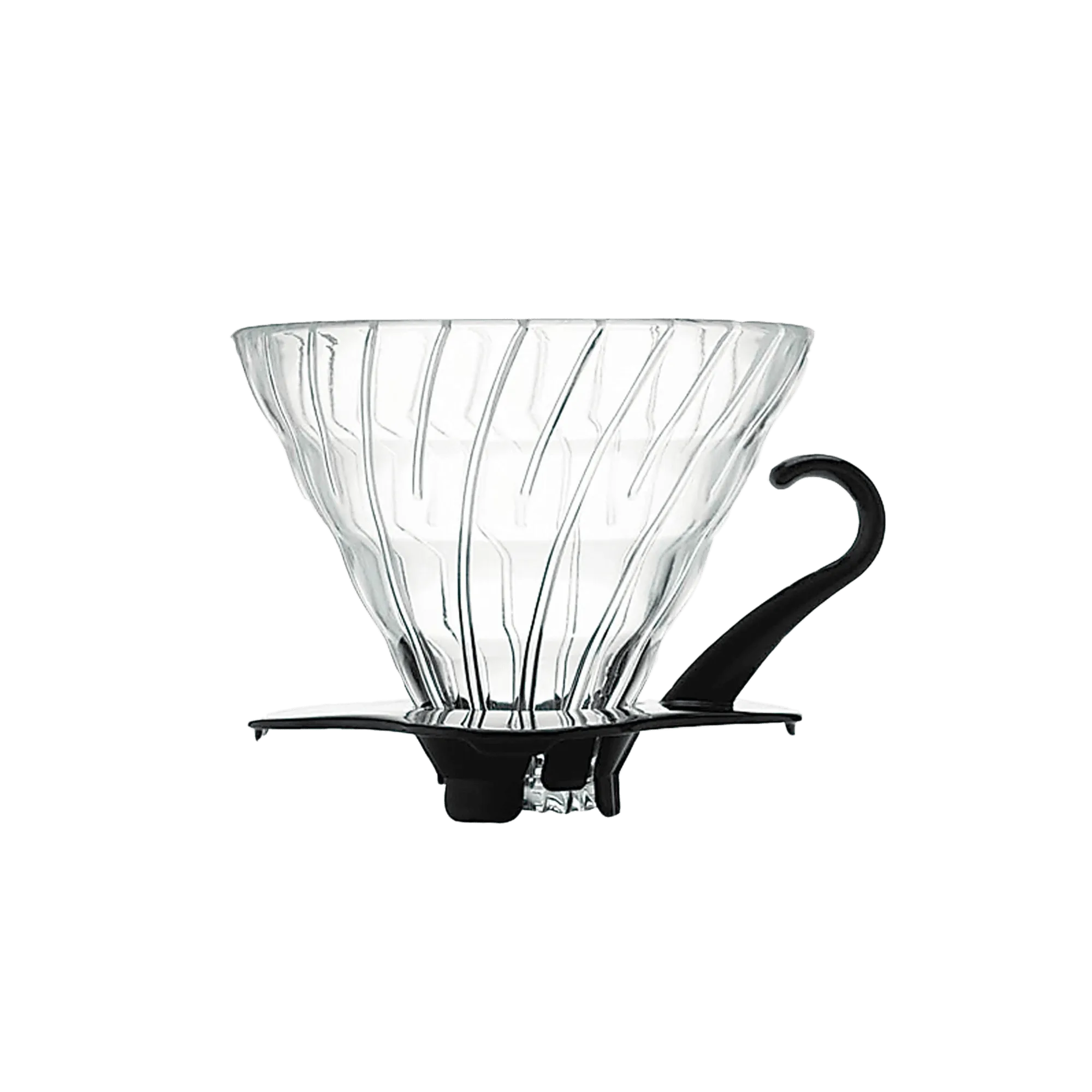
Hario V60 Glass Coffee Dripper
- Buy the best burr set you can afford, then stop upgrading until you can taste the difference.
- A 0.1-gram scale and a gooseneck kettle are not optional for repeatable pour over.
Decision rules for choosing your grinder
- If you brew V60 or another pour over daily: Choose a conical burr grinder with a clear medium-coarse range and detents you can record. Hand grinders are fine for one or two cups. Prioritize repeatability over speed.
- If you pull espresso daily: Choose a grinder with stepless or micro-adjustable burrs and low retention. Flat burrs or well-aligned conical burrs are worth the extra cost. Do not compromise on adjustment; espresso exposes every flaw.
- If you brew both pour over and espresso: Either buy a grinder with a wide, precise range and accept more cleaning, or keep a dedicated hand grinder for pour over and an electric grinder for espresso. Two modest grinders often beat one expensive compromise.
- If your budget is tight: Buy a hand grinder with steel burrs and spend the rest on a scale, kettle, and fresh coffee. Skip powered features that do not change grind quality. A good hand grinder beats a cheap electric one.
- If you mostly drink instant or pre-ground: Do not buy a grinder yet. Start with a brewer and filters, then add a grinder when you commit to whole bean. Match the tool to your actual routine.
Products that pair well with a new grinder
- Hario V60 Glass Coffee Dripper: Cone-shaped brewer built for speed, consistency, and visual appeal, with Hario glassware made since 1921. A V60 rewards a consistent medium-coarse grind; if you buy this dripper, put your budget into a grinder with repeatable settings rather than a fancier brewer.
- Hario V60 Coffee Filters: Cone-shaped thin paper filters fit V60-01 or V60-02 brewers, and the 02 option has a larger opening for faster brewing. Filter size and shape affect flow rate, so match your filter to your dripper size and adjust grind only after the filter and dose are fixed.
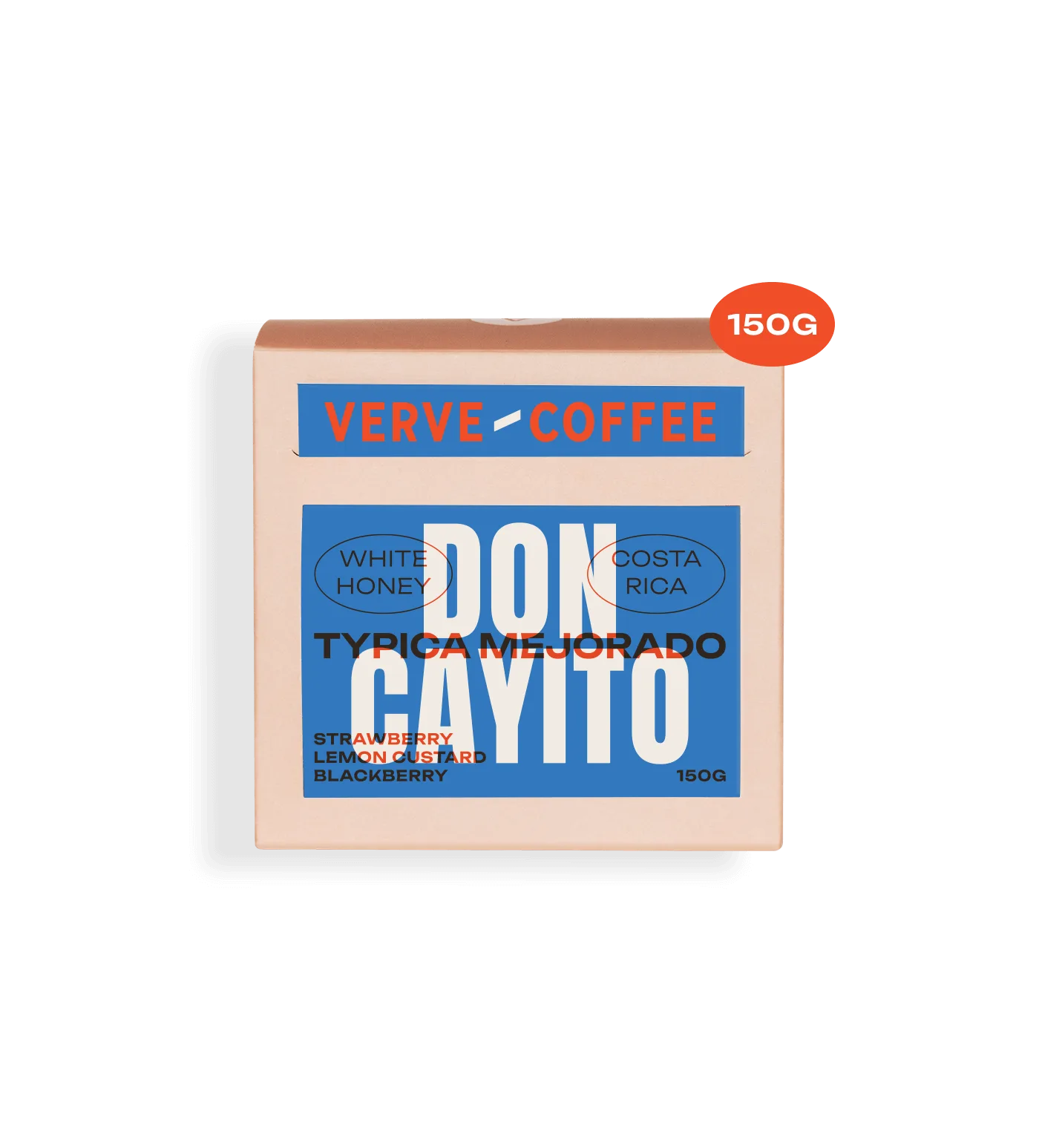
- Costa Rica Don Cayito Typica Mejorado White Honey Farmlevel Reserve: Grown at 1,850 meters in Tarrazú, where slower cherry maturation supports clarity and composure; red honey processing preserves natural sweetness while maintaining structure. Delicate, layered coffees like this show grind faults clearly, so a grinder with low fines and repeatable medium settings helps you taste strawberry and blackberry notes instead of muddiness.
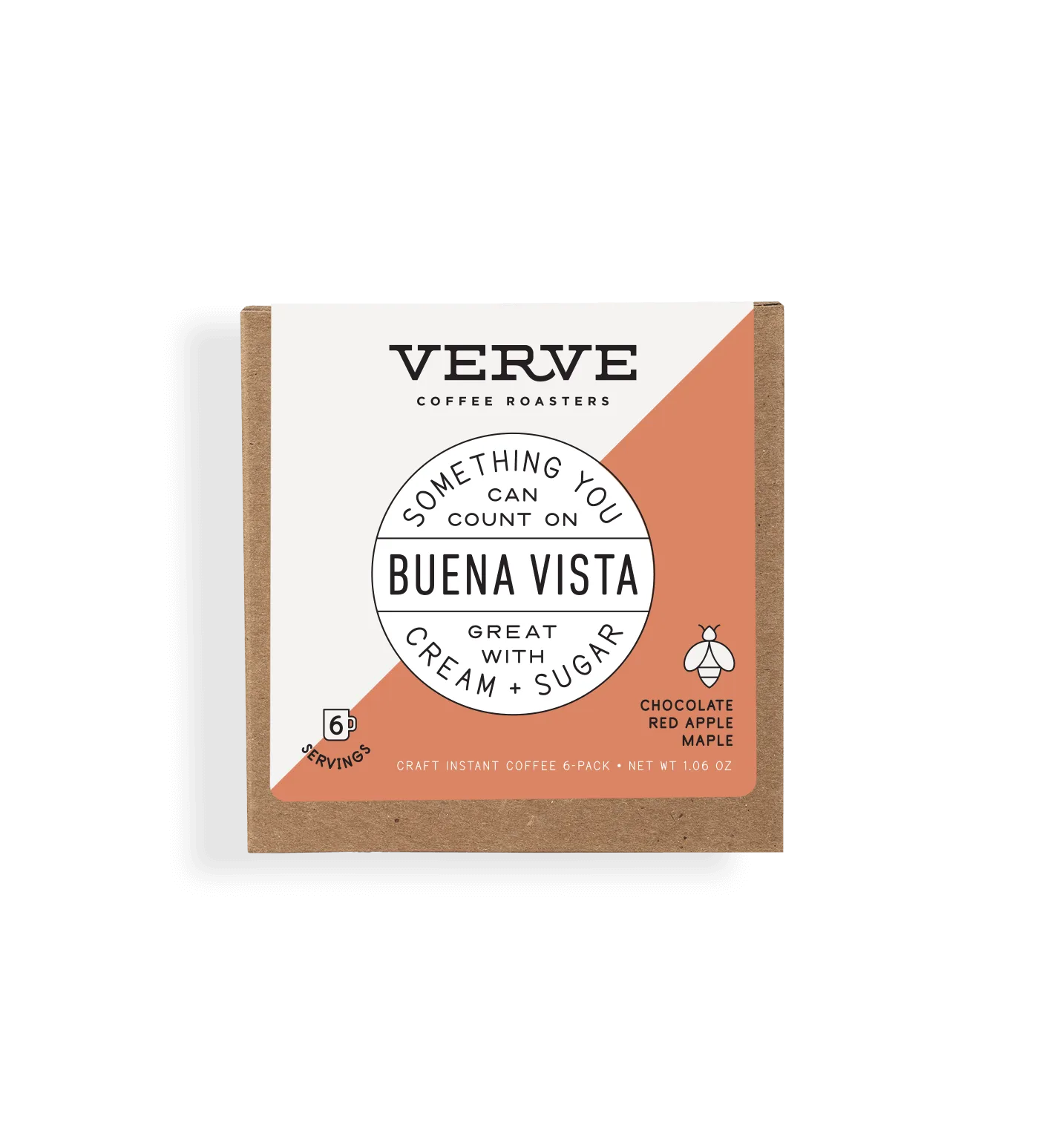
- Buena Vista Dark Roast Craft Instant Coffee 6 Pack: A dark roast with deep structure and full body, described as dynamic and adaptable across brewing devices. If instant coffee covers your travel or office days, you can spend your grinder budget on pour over or espresso at home without losing a dark, full-bodied option on the road.
Who should buy which grinder
Best for
- Pour over brewers who want repeatable medium-coarse settings for V60 or similar cone drippers
- Espresso drinkers who need fine, stepless adjustment and low retention
- Home brewers who want one grinder that can move between methods with written settings
Not for
- Shoppers who only drink pre-ground or instant coffee and do not plan to buy whole bean
- Anyone unwilling to clean burrs or weigh doses, since grind quality depends on both
- Buyers looking for the cheapest possible electric grinder, which usually sacrifices adjustment and burr quality
Choose the grinder that matches your main brew method, then spend on burr quality and adjustment instead of extra features. If you brew pour over, a repeatable conical burr grinder and a Hario V60 setup will take you far; if you pull espresso, pay for fine adjustment and low retention. Buy once, learn your settings, and let the grinder disappear into your routine.