Quick Answer
For dark eyes, choose opaque colored contacts that fully cover your natural iris. If you want a natural look, pick warm browns or soft beiges with a limbal ring; for a bold change, go with vibrant or light shades. Always check the lens diameter and water content for comfort.
Dark eyes are rich and deep, but they can also be tricky when you want to change your look with colored contacts. Unlike light eyes, dark brown or black irises need opaque lenses to show the new color clearly. Translucent tints won't show up well, so you need lenses designed with enough pigment to cover your natural shade.
The good news is that many brands now offer opaque contacts in a range of shades, from subtle enhancements to dramatic transformations. This guide will help you understand what to look for, how to choose between natural and bold styles, and how to ensure a comfortable fit.
Why Dark Eyes Need Opaque Lenses
Your natural iris color determines how much a contact lens can change your look. Light eyes have less pigment, so even semi-transparent tints can alter their appearance. Dark eyes, on the other hand, are heavily pigmented. If you wear a translucent lens, the dark brown or black underneath will show through, leaving you with a muddy or barely noticeable color.
Opaque contacts have a solid or patterned center that completely covers your iris. They are the only reliable way to achieve a noticeable color change on dark eyes. When shopping, look for terms like '3-tone' or 'opaque' in the product description. These lenses are designed to give you a new eye color that looks natural, not like a painted overlay.
- Check the product description for 'opaque' or '3-tone' to ensure full coverage.
- Avoid 'enhancement tints' if you want a dramatic change; they work best on light eyes.
Natural vs. Bold: Matching Your Goal
Some people want colored contacts that look like their natural eye color, just brighter or warmer. Others want a complete transformation, like going from brown to blue or gray. Both are possible with opaque lenses, but the design matters.
For a natural look, choose shades that are close to your natural color but add depth—like warm browns, honey, or soft beige. These often have a limbal ring (a darker outer edge) that mimics real eyes. For a bold change, opt for lighter colors like blue, green, or gray. These will stand out, but they may look more artificial if the pattern is too flat. Look for lenses with multiple tones or a radial pattern to mimic the natural iris.
- If you want a subtle change, pick a shade one or two tones lighter than your natural iris.
- For a bold look, choose a color that contrasts with your skin tone and hair color for the most impact.
Key Specifications to Consider
When comparing colored contacts, pay attention to the lens diameter, graphic diameter, and water content. The lens diameter (DIA) is the total width of the lens, usually around 14.0–14.5mm. The graphic diameter is the colored part that sits over your iris; a larger graphic can make your eyes look bigger, but it might also feel less natural.
Water content affects comfort. Lenses with higher water content (like 55%) can be comfortable initially but may dry out faster. Lower water content (like 38%) is often better for sensitive or dry eyes. Always check the base curve (BC) to ensure the lens fits your eye shape; a mismatched base curve can cause discomfort.
- If you have dry eyes, look for lenses with water content around 38–45%.
- A larger graphic diameter (13.5mm+) can create a wide-eyed look, but test comfort first.
Decision Rules for Picking Colored Contacts
- Rule 1: Choose opaque for color change: If you want a visible color change on dark eyes, select lenses labeled 'opaque' or with a 3-tone design. Translucent tints won't work. Check product descriptions for 'opaque' or '3-tone'.
- Rule 2: Match the shade to your undertone: For natural looks, pick warm browns, caramels, or soft beiges that complement your skin's undertone. Cooler shades like gray or blue can look striking but may appear less natural. Hold the lens next to your skin to see if it harmonizes.
- Rule 3: Consider the limbal ring: A dark limbal ring adds definition and makes the lens look more realistic. If you want a softer look, choose lenses without a prominent ring. Look for 'limbal ring' in the description for a natural edge.
- Rule 4: Prioritize comfort and fit: Always check the base curve and water content. A proper fit is essential for all-day comfort, especially if you have dry eyes or wear lenses for long hours. Consult your eye care professional for the right base curve.
Product Highlights for Dark Eyes
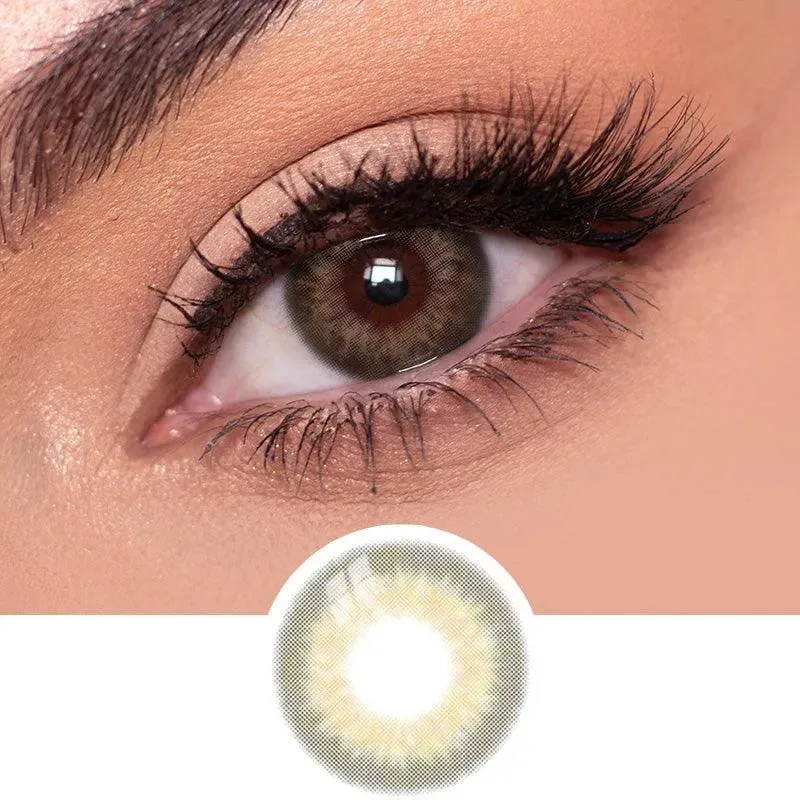
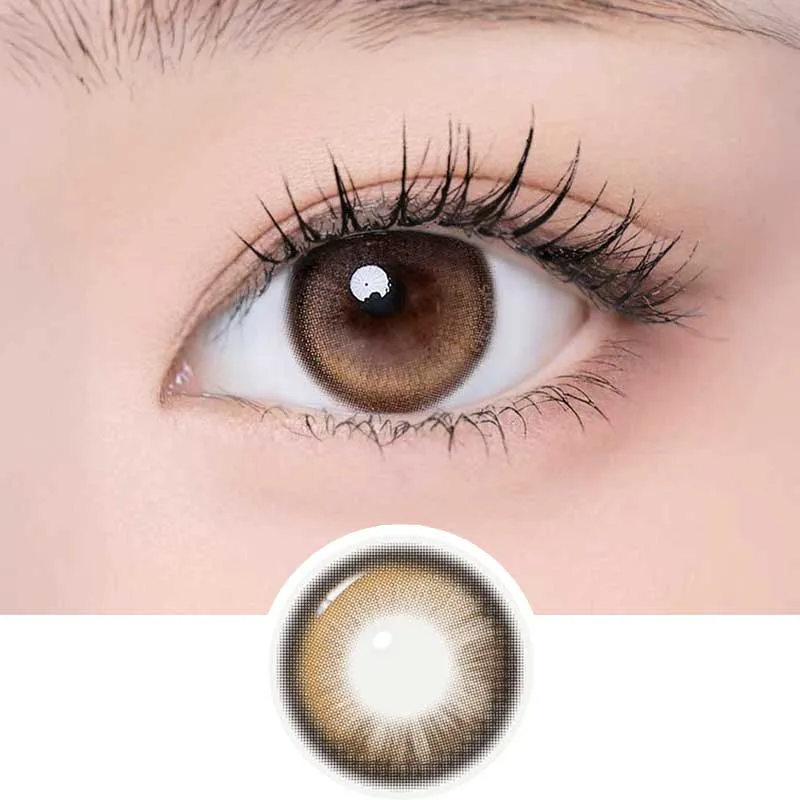
- EyeCandys Sugarlook Brown: Sugarlook Brown is a 3-tone lens designed to enhance dark eyes with a soft yet defined transformation. Blending warm caramel, golden, and deep brown tones, it creates a multidimensional look that feels natural while still elevating your style. A subtle dark limbal ring adds definition and depth. This is a great choice if you want a natural enhancement for dark brown eyes. The 3-tone pattern and limbal ring mimic real iris details, so the color change looks believable.
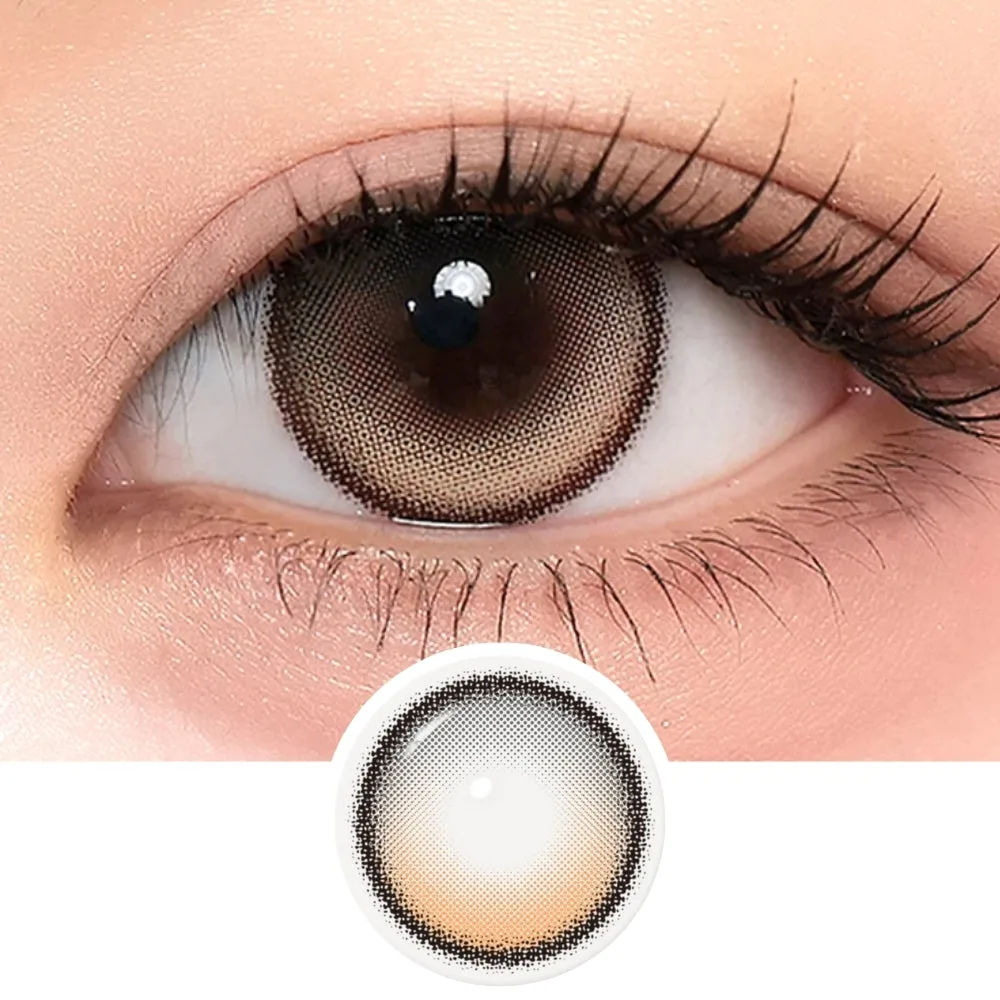
- i-Sha One Pick Only One Dusty Brown: i-Sha Dusty Brown is the warm cinnamon brown that works as your everyday lens and your 'I'm trying' lens, both at once. A soft, sun-washed brown with the faintest dusty undertone, it gives the eye a natural enhancement that looks like you woke up well-rested and well-loved. If you have dark eyes and want a subtle, wearable upgrade, Dusty Brown adds warmth without looking overdone. It's perfect for daily wear, giving a soft, flattering glow.
Fit Guidance: Who Should Choose What
Best For
- People with dark brown or black eyes who want a natural enhancement with warm, earthy tones.
- Those who want a noticeable color change and are willing to try opaque lenses with a bold design.
Not For
- Anyone with very light eyes who wants a subtle tint—translucent lenses are more suitable.
- People who need toric lenses for astigmatism; they should look for specialty options like Pink Label Truffle Brown Custom Toric.
Choosing colored contacts for dark eyes doesn't have to be guesswork. Focus on opaque lenses that fully cover your iris, pick shades that match your goal—natural or bold—and always check the fit specifications. With the right pair, you can enjoy a comfortable, flattering new look that feels like you.