Quick answer
Match the format to the child's grip and patience, not just the age on the box. Toddlers and preschoolers do best with chunky crayons, simple shapes, and water-reveal or sticker kits; ages 5–7 can handle coloring books with smaller details and sticker-by-number pages; ages 8+ stay engaged with more intricate line art and portable kits. When in doubt, buy one step easier than you think, then size up once the child finishes a whole page without help.
Coloring books and activity kits look interchangeable on a shelf, but they ask very different things of a child. Some need a steady grip and patience; others work with just water or a sticker. The right pick depends on hand strength, attention span, and where the child will actually use it—kitchen table, car seat, or waiting room.
This guide gives you decision rules you can apply in the store or online. It covers crayons, water-reveal books, sticker kits, and travel-friendly formats, plus honest limits so you do not buy something a child will abandon after one page.
Start with grip and attention span, not the age label
Age ranges on activity products are a starting point, not a rule. A 4-year-old with strong fine motor skills may handle a standard coloring book, while a 6-year-old who is still developing a tripod grip will do better with chunky crayons and larger shapes. Watch how the child holds a crayon and how long they stay with a single task before you choose a format.
Attention span matters just as much. A child who finishes a page in five minutes needs a different product than one who works for twenty. Sticker kits and water-reveal books give quick, visible results, which suits shorter attention spans. Detailed coloring books reward longer focus but can frustrate a child who wants fast feedback.
- If the child still grips crayons in a fist, choose chunky crayons and simple, large shapes.
- If the child can color a full page without help, move up to smaller details and more pages.
- If the child loses interest in minutes, pick a format with instant results, like water-reveal or stickers.
Match the format to the setting
Where the child will use the kit changes what works. At a table, a standard coloring book and a box of crayons are fine. In a car or on a plane, loose crayons roll away and pages tear. Look for kits with attached pages, a tray, or a reusable tin. Water-reveal books need only water, which makes them a strong travel choice, though the pages need to dry before the book is closed.
Sticker kits are another travel-friendly option because they need no sharpener or water. A color by sticker kit asks the child to match numbered or shaped stickers to spaces, which builds matching and fine motor skills while producing a clean result. The trade-off is that stickers are single-use; once placed, the page is done.
- For car trips, choose water-reveal books or sticker kits over loose crayons and loose pages.
- For shared tables, a standard coloring book with a crayon box is easy to pack up.
- For waiting rooms, pick a kit that fits in a bag and needs no water source.
Choose crayons and tools that fit the child's hand
Crayons are not one size. Chunky crayons are easier for toddlers and preschoolers to hold and are less likely to snap. Standard crayons give older kids more control for detailed work. If the child presses hard, look for sturdier crayons or a kit that includes them, since thin crayons break under heavy pressure.
Washability matters more than color count for young children. A washable crayon saves walls, clothes, and tabletops. For water-reveal books, no crayons are needed at all, which removes the cleanup question entirely. If the child is ready for markers, check that the kit's pages are thick enough to prevent bleed-through; if that information is not listed, assume standard paper and test on a spare page.
- Toddlers and preschoolers: chunky, washable crayons.
- Ages 5–7: standard crayons for more detail.
- Water-reveal kits: no crayons required, so nothing to lose or break.
Decide between coloring books, sticker kits, and water-reveal books
Coloring books build color choice and control. They are the most open-ended option because the child decides what colors go where. Sticker kits build matching and sequencing, and they produce a tidy result even if the child is not yet precise with a crayon. Water-reveal books build cause-and-effect understanding and need no cleanup, but the reveal is temporary and the page resets when it dries.
A practical approach is to keep one of each format on hand. A coloring book for focused table time, a sticker kit for quiet independent play, and a water-reveal book for travel or bath time. That mix covers most situations without buying three of the same thing.
- Choose a coloring book when you want open-ended color choice.
- Choose a color by sticker kit when you want matching practice and a clean finished page.
- Choose a water-reveal book when you want no-mess, no-crayon entertainment.
Check the details that cause returns
Before buying, check page count, page size, and whether the book lies flat. A book that will not stay open frustrates a child who is still learning to hold a crayon. Check the binding: spiral-bound books lie flat, while glued books may need a hand to hold them open. If the listing does not state the binding, treat it as a limitation and consider a kit with a tray or tin instead.
Also check what is included. Some activity kits for kids come with crayons or stickers; others are the book only. If the child has no crayons at home, a kit that includes them saves a second purchase. If you already have a crayon stash, a book-only option is the better value.
- Confirm whether crayons or stickers are included before you buy.
- Prefer spiral-bound or lay-flat books for younger children.
- If binding or page thickness is not listed, assume standard paper and plan accordingly.
Decision rules for choosing by age and setting
- Ages 1–3: choose water-reveal or chunky-crayon formats: Look for safe-for-all-ages water-reveal books or chunky washable crayons with large shapes. If the child still mouths objects or grips in a fist, stay with water-reveal and chunky tools.
- Ages 4–5: choose simple coloring books and sticker kits: Pick books with large shapes and a color by sticker kit for matching practice. If the child finishes a page without help, move to smaller details.
- Ages 6–8: choose detailed coloring books and portable kits: Standard crayons and smaller line art fit this range; a tin or tray keeps pieces together. If the child wants a challenge, add a 100-piece puzzle in a reusable tin for variety.
- Travel or waiting rooms: choose no-water, no-crayon kits: Sticker kits and water-reveal books need no loose parts and pack flat. If the child needs to stay quiet, avoid loose crayons that roll away.
- Check inclusion before buying: Confirm whether crayons or stickers come with the kit. If the listing does not say, assume the book only and buy tools separately.
Product facts that help you decide
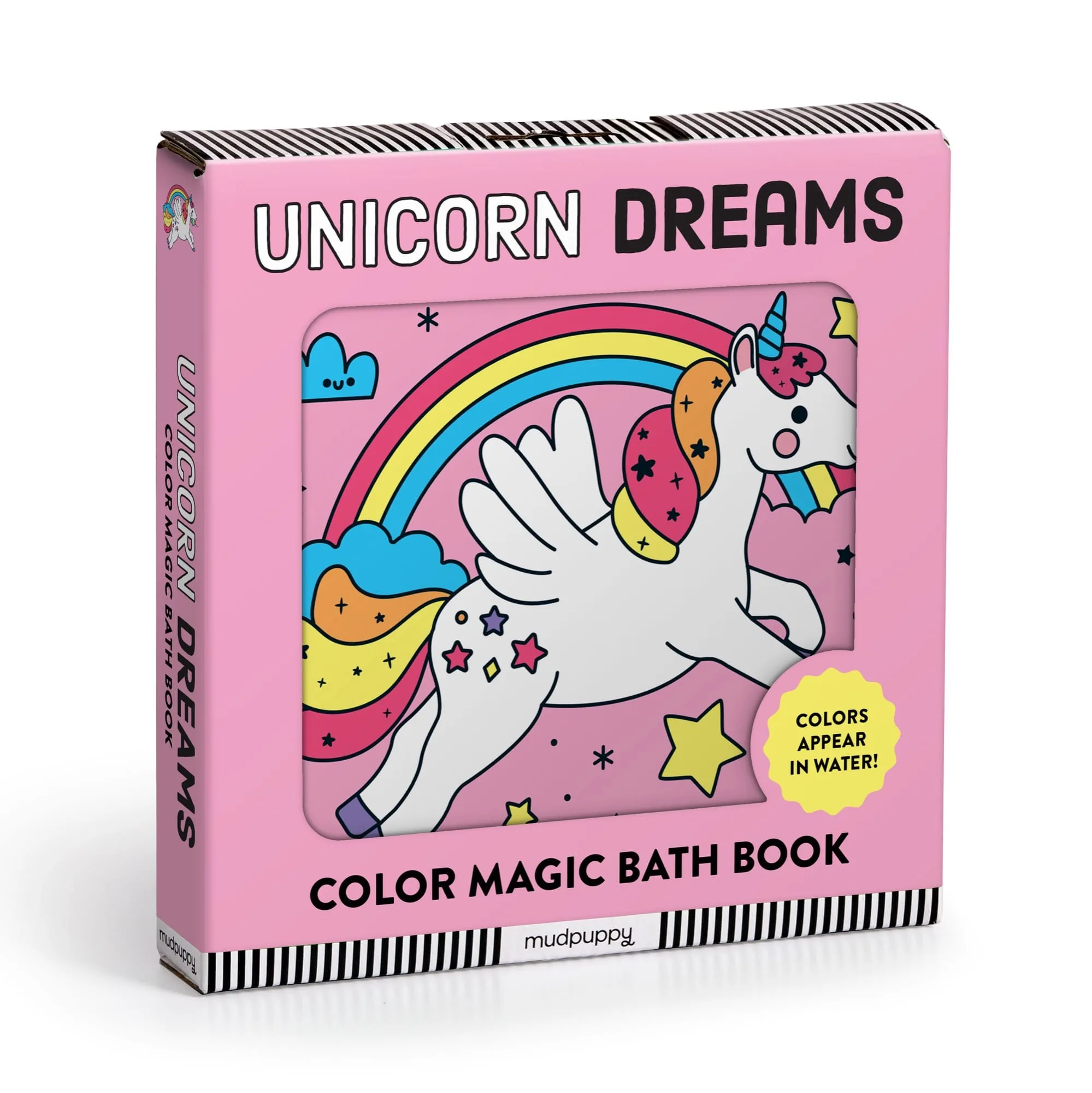
- Unicorn Dreams Color Magic Bath Book: 6 x 6 in (15 x 15 cm), 6 color-changing pages, colors appear in water, safe for all ages, and designed to keep babies and toddlers entertained at bath time. A no-crayon, no-mess option that works for the youngest children and for travel, though the color change is temporary and the book is small.
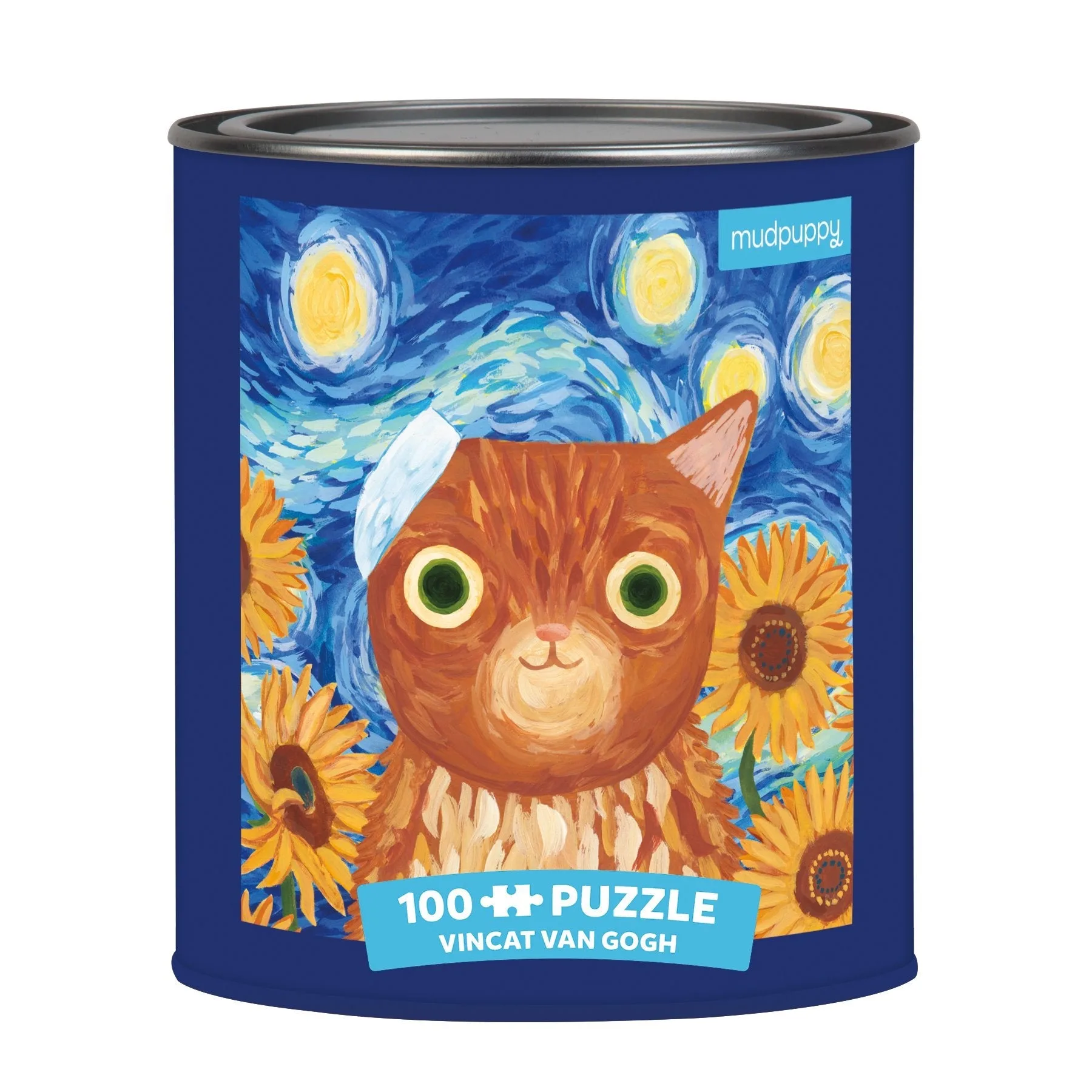
- Vincat van Gogh Artsy Cats 100 Piece Puzzle Tin: 100-piece puzzle, 12 x 12 in (30 x 30 cm), packaged in a paint can tin, ages 6+. Shows how a reusable tin makes a compact, giftable activity for ages 6 and up, useful when you want a quiet table activity that stores easily.
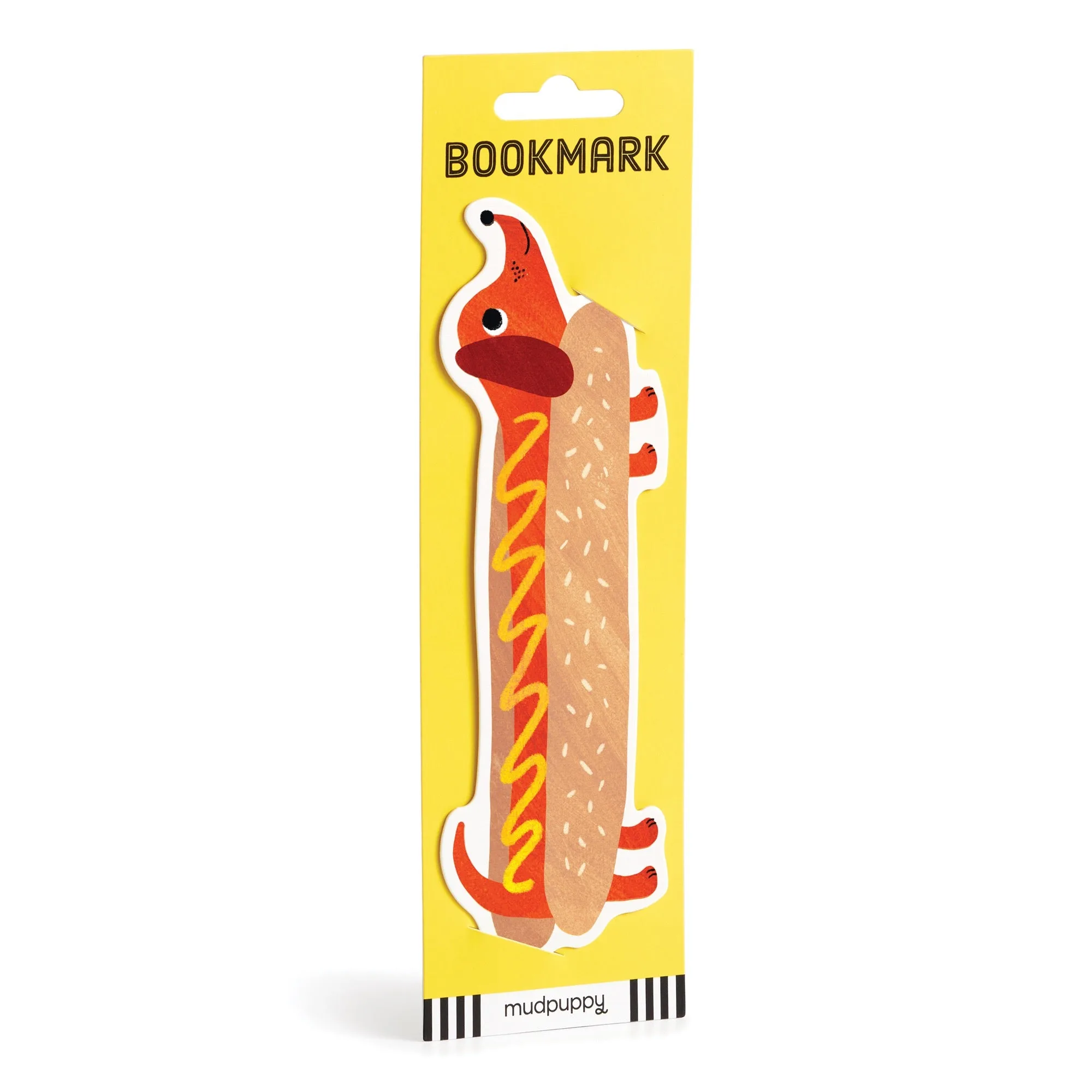
- Hot Dog Bookmark: Shaped like a hot dog, 2.9 in, slides between pages to keep your place. A small add-on for a child who is moving from coloring books into reading, and an easy way to pair an activity gift with a reading habit.
Who this guide fits
Best for
- Parents and gift-givers choosing a first coloring book or activity kit
- Buying for a child whose grip and attention span you can observe
- Travel, bath time, and quiet independent play
- Mixing formats so one child has table, travel, and no-mess options
Not for
- Buyers who need a single product to cover every age in a mixed-age group
- Children who already work confidently with fine detail and want advanced art projects
- Anyone looking for a reusable, permanent art result from a water-reveal book
Choose by grip, attention span, and setting rather than the age label alone. Start one step easier than you think, keep one coloring book, one sticker kit, and one water-reveal book on hand, and size up when the child finishes a page without help.