Quick answer
Choose compostable trash bags that match your bin size and the type of waste you handle. Look for certifications like BPI or TUV OK Compost Home, and remember that 'biodegradable' is not the same as 'compostable.' For most households, a 13-gallon bag certified for home composting is a solid starting point.
Know the difference: compostable vs. biodegradable
Compostable bags break down into non-toxic components within a specific timeframe, usually under industrial or home composting conditions. Biodegradable bags, on the other hand, may fragment into microplastics and leave harmful residues. Always look for certifications like BPI (industrial) or TUV OK Compost Home (home) to ensure the bag meets real standards.
Check your local composting facility: many require certified compostable bags, while others prefer no bags at all. If you compost at home, you need bags labeled for home composting, as industrial compostable bags may not break down in a backyard pile.
Match the bag to your bin and waste type
Measure your bin before buying: bags that are too small will tear, and oversized bags waste material. Common sizes are 13-gallon (kitchen), 8-gallon (bathroom), and 2.6-gallon (countertop). Check the bag's thickness and weight capacity to avoid leaks with heavy or wet waste.
For food scraps going to a countertop composter, a smaller, thinner bag may be fine. For mixed household waste, a thicker bag with a higher weight rating is safer. If you're using the bag for yard waste, look for larger sizes and stronger material.
Understand material and performance trade-offs
Most compostable bags are made from plant-based materials like cornstarch or PLA. They feel different from plastic—often softer and less stretchy. They may tear more easily if overfilled, and they can start to break down if stored in a humid place for too long. Buy only what you'll use in a few months.
Some bags are designed for both kitchen and yard waste, but not all are suitable for liquids. If you need to line a bin that collects wet waste, look for bags labeled 'leak-resistant' or 'heavy-duty.'
Cost and availability: what to expect
Compostable trash bags typically cost more than conventional plastic bags. You can expect to pay roughly 20–50% more per bag, depending on brand and size. However, prices vary, and buying in bulk can reduce the cost.
They are widely available in grocery stores, online, and in specialty eco stores. Check the packaging for the certification logo and the size/weight rating to make sure it fits your needs.
Decision rules for choosing compostable trash bags
- Check the certification: Look for BPI or TUV OK Compost Home logos. Avoid bags that only say 'biodegradable' without a certification. Certified bags are your safest bet for true compostability.
- Measure your bin: Measure the height and width of your bin, then choose a bag size that fits without stretching. Common sizes include 13, 8, and 2.6 gallons. A proper fit prevents tears and waste.
- Match the bag to the waste: For wet or heavy waste, choose a thicker bag with a higher weight rating. For dry countertop scraps, a thinner bag works fine. Using the right bag for the job reduces breakage and mess.
- Consider your composting method: If you compost at home, buy bags labeled for home composting. If you use a municipal service, check if they accept bags and which type. Home compostable bags break down in backyard piles; industrial ones may not.
- Buy only what you need: Compostable bags have a shelf life. Buy in quantities you'll use within a few months and store them in a cool, dry place. Avoid stockpiling to prevent premature breakdown.
Related eco-friendly products
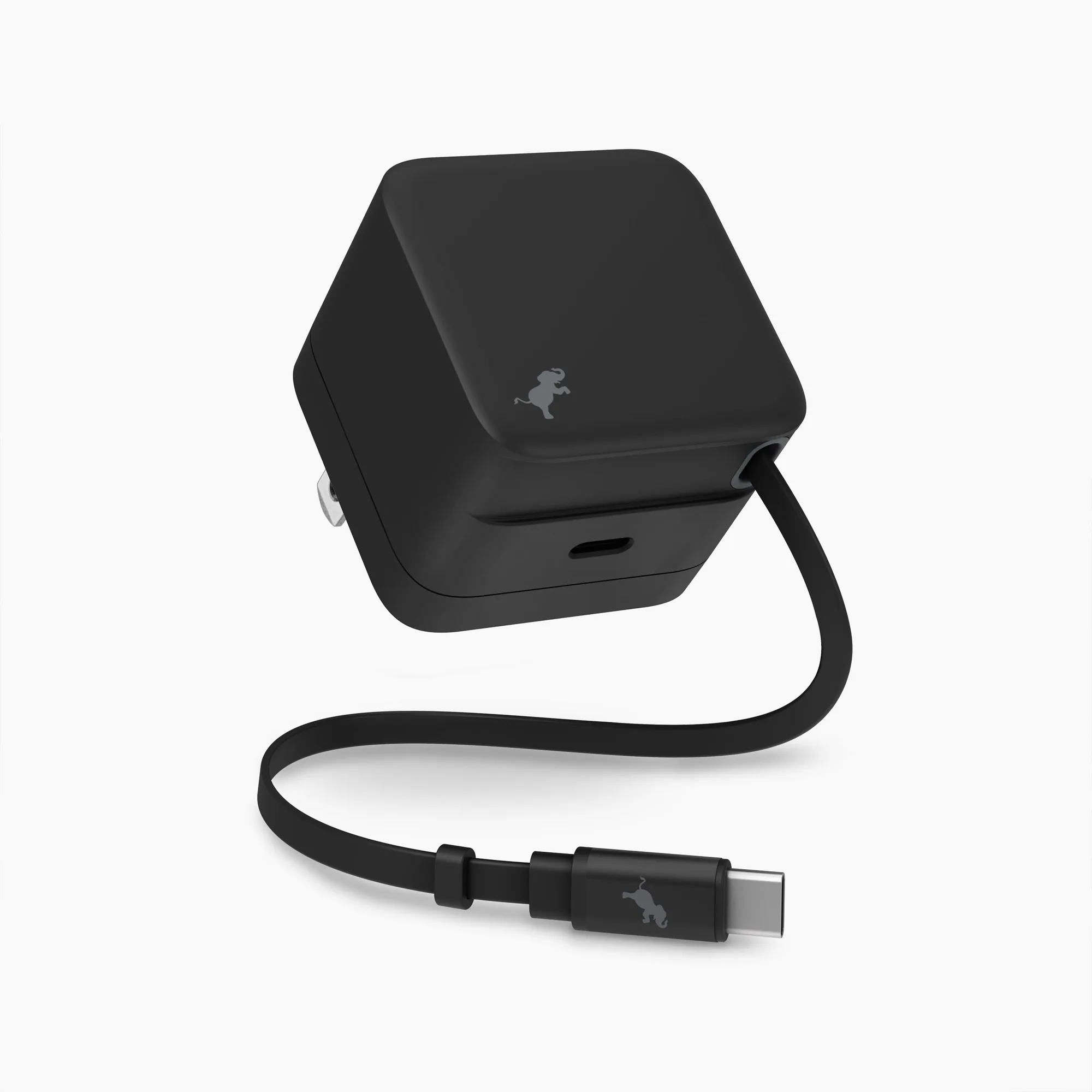
- WALLY Stretch 35W Wall Charger: The WALLY Stretch 65W Wall Charger uses GaN technology to stay cool and efficient while charging faster, with a built-in retractable USB-C cable and a second USB-C port. While not related to trash bags, this charger is a practical eco-friendly upgrade for your home, reducing energy waste and the need for multiple chargers.
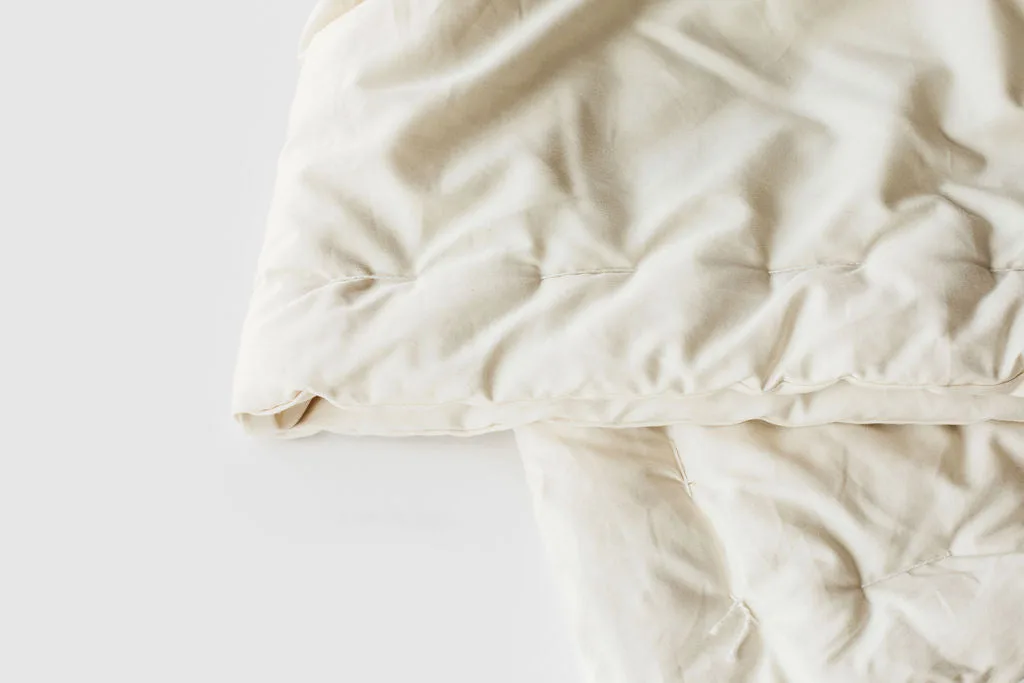
- Certified Organic Wool Comforter: The Certified Organic Wool Comforter is made from GOTS-certified organic wool and cotton, naturally regulating body temperature for restful sleep in any season. Pairing your sustainable kitchen habits with eco-friendly home textiles extends your low-impact lifestyle to every room.
Who should choose compostable trash bags?
Best for
- Households that compost food scraps at home and need a liner for their countertop bin
- Eco-conscious renters or homeowners who want to reduce plastic use in their daily waste routine
Not for
- People who send all waste to a landfill without any composting program—compostable bags won't break down in anaerobic landfill conditions
- Those who need heavy-duty bags for sharp or very heavy waste, as compostable materials are generally less tear-resistant than plastic