Quick answer
Choose daily disposables if you want maximum convenience and minimal upkeep, or if you have allergies or dry eyes. Choose monthly lenses if you wear contacts regularly and want a more economical option, provided you're diligent about cleaning. For colored contacts, the same rules apply: prioritize eye health and follow the recommended replacement frequency.
When you're shopping for contact lenses, it's easy to get caught up in color, diameter, and brand—but the replacement schedule is just as important. It affects not only your eye health but also your daily routine and your wallet. Whether you need prescription lenses or just want to switch up your look, understanding the differences between daily, weekly, and monthly wear can help you make a confident choice.
Your eye doctor will always give you the final say on what's safe for your eyes, but this guide will help you understand the trade-offs. We'll break down the pros and cons of each schedule, show you what to consider for colored contacts, and point you to some popular options that fit different lifestyles.
Daily Disposables: The Ultimate in Convenience
Daily contact lenses are worn once and thrown away at the end of the day. They're the most hygienic option because there's no cleaning, storing, or protein buildup to worry about. You start each day with a fresh, sterile lens, which is especially beneficial if you have allergies, dry eyes, or a busy lifestyle that makes lens care a chore.
The main trade-off is cost: dailies are generally more expensive per lens than monthlies. However, many people find the convenience worth it, especially if you only wear contacts occasionally—like for sports, special events, or when you want to change your eye color for a day.
- No cleaning supplies needed—just open, insert, and dispose.
- Great for travel and on-the-go use.
- Reduces risk of eye infections from improper cleaning.
Monthly Lenses: A Balanced Choice for Regular Wearers
Monthly contact lenses are designed to be worn for up to a month, then replaced. They require daily cleaning and proper storage in a contact lens case with fresh solution. Because they're worn repeatedly, they're more cost-effective over time, making them a popular choice for people who wear contacts every day.
The downside is the maintenance: you need to be disciplined about cleaning and replacing your lens case regularly. If you're not consistent, you increase your risk of eye infections and discomfort. Monthly lenses also tend to be a bit thicker than dailies, which some people notice, but modern materials have made them very comfortable for most wearers.
- More affordable per lens than daily disposables.
- Ideal for daily wearers who have a good lens care routine.
- Available in a wide range of prescriptions and colors.
What About Weekly or Bi-Weekly Lenses?
Some lenses are designed for replacement every two weeks, and others are marketed as 'weekly' disposables. These offer a middle ground between daily and monthly schedules. Bi-weekly lenses still require nightly cleaning and care, but they may be a good option if you want a fresh pair more frequently than monthly without the cost of dailies.
However, the replacement schedule is not just about the lens type—it's about following the schedule strictly. If a lens is meant to be replaced every two weeks, wearing it for a month can cause protein deposits to build up, reducing comfort and increasing infection risk. Always stick to the recommended schedule, even if the lenses still feel fine.
Colored Contacts: Does Replacement Schedule Matter?
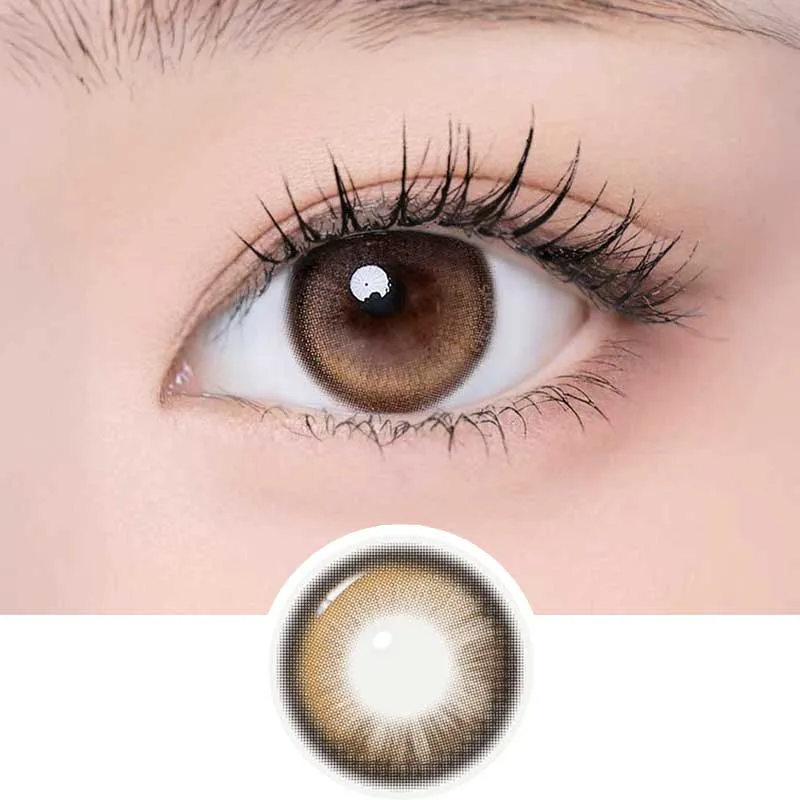
Colored contacts come in all the same replacement schedules as clear lenses: daily, monthly, and even extended wear (though extended wear is not recommended for everyone). The color technology is the same, but the replacement schedule still matters for eye health. For example, a daily colored lens is thrown away after one wear, while a monthly colored lens needs to be cleaned and stored properly.
If you're new to colored contacts, a daily schedule can be a great way to try different colors without committing to a month-long supply. If you find a color you love and wear contacts often, a monthly schedule can be more economical. Just remember that colored lenses often have a slightly thicker design, which can affect oxygen permeability, so following the replacement schedule is even more critical.
Decision rules for choosing a replacement schedule
- If you wear contacts less than 5 days a week: Daily disposables are often the best value because you're not paying for lenses you won't use, and you avoid the hassle of storing them between wears. Choose dailies for occasional wear.
- If you wear contacts every day and have a solid cleaning routine: Monthly lenses will save you money over time, but only if you're consistent about cleaning and replacing your lens case. If you're prone to skipping steps, dailies are safer. Choose monthlies for daily wear if you're diligent about care.
- If you have allergies, dry eyes, or a history of eye infections: Daily disposables minimize allergen buildup and reduce infection risk because you're not reusing lenses. The fresh lens each day is gentler on sensitive eyes. Choose dailies for sensitive or allergy-prone eyes.
- If you're on a tight budget but still want colored contacts: Monthly colored lenses offer the lowest cost per wear, but you'll need to invest in quality contact lens solution and a proper case. Don't skip the cleaning routine to save time. Choose monthlies if budget is a priority and you can commit to care.
Real colored contact options by schedule
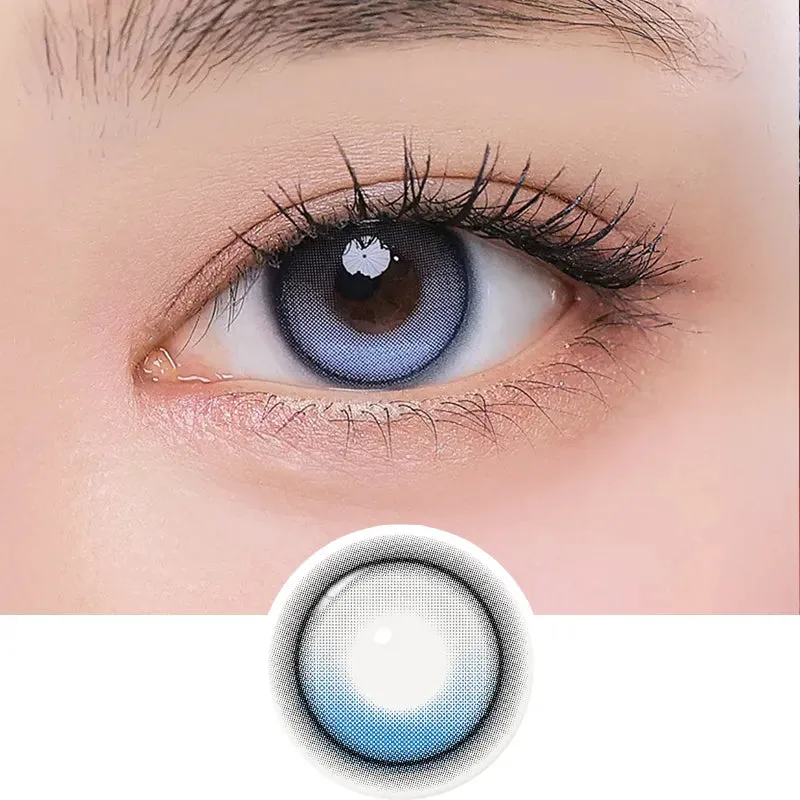
- i-Girl One Pick Balance 1-Day Summer Song Blue (10pk): These daily colored contacts feature a soft gradient aqua blue that blends into your natural eye color, and use Fit Balance weighted lens technology to keep the lens centered and stable. A daily schedule means you can switch up your eye color without any cleaning hassle—perfect for occasional wear or trying a bold new shade for a day.
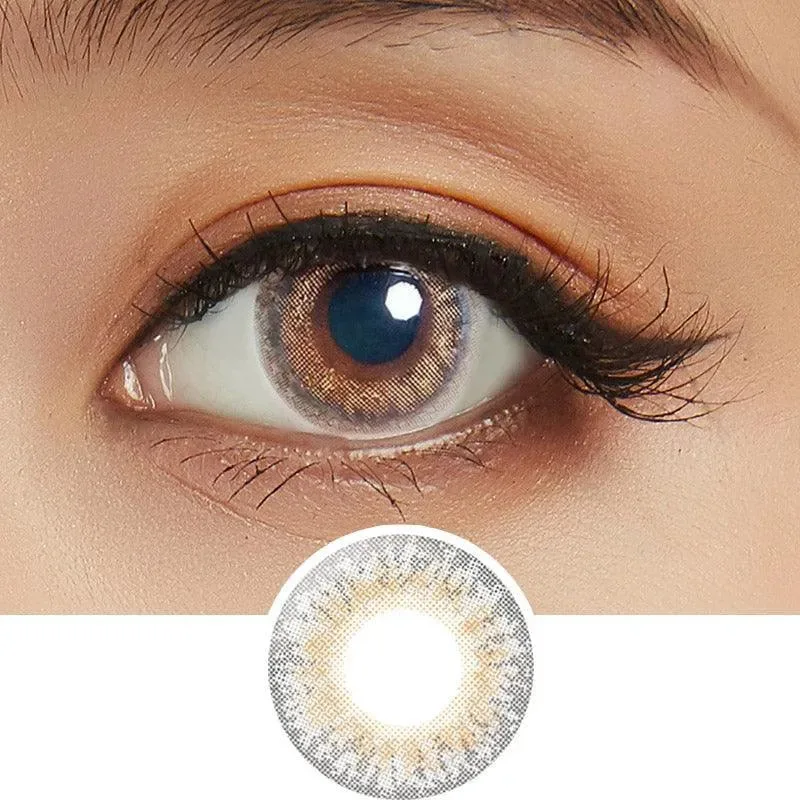
- Lilmoon Monthly Cream Grege (Prescription): Lilmoon's monthly EYEDOLL lenses offer the same rich, natural-looking coloration as their 1-day series, but with a monthly wear cycle that's more wallet- and environment-friendly. If you love the look of Lilmoon and wear contacts regularly, choosing the monthly version lets you enjoy that color every day while saving money and reducing waste.
- Bausch & Lomb Lacelle Colors Jubilee Violet (30pk): These circle lenses feature a vibrant amethyst tone and are available in both non-prescription and myopia prescription powers, sold as a box of 30 lenses. A 30-pack gives you a month's supply if you wear one lens per day, but you'll need to follow the recommended replacement schedule (likely daily or bi-weekly) to keep your eyes healthy.
Matching the schedule to your needs
Best for
- Daily disposables: people who wear contacts occasionally, travel often, or prioritize convenience and eye health.
- Monthly lenses: daily wearers who want an economical option and are disciplined about lens care.
Not for
- Daily disposables: if you wear contacts every day and want to minimize ongoing costs, daily lenses can add up.
- Monthly lenses: if you're forgetful about cleaning or have sensitive eyes that react to protein buildup, monthly lenses may cause discomfort.
No single replacement schedule is right for everyone. Think about how often you'll wear your lenses, how much time you want to spend on care, and your eye health needs. Always follow the schedule your eye care professional recommends, and don't be tempted to stretch a lens beyond its intended lifespan—your eyes will thank you.