Quick answer
Choose a convertible car seat for small cars by measuring your back seat first, then prioritizing a compact footprint and a low-profile base over extra padding. If you drive a sedan or small SUV, a narrow convertible car seat that installs without forcing the front seats forward will keep both your child and your passengers comfortable. Start with the car, not the seat: check the space between the seatback and the front seat, the width at the buckle, and whether the seat can recline without hitting the front console.
Measure your back seat before you shop
Before comparing seats, take three measurements. First, the seat cushion depth from the backrest to the front edge. Second, the width between the seatback and the back of the front seat when the front seat is in your normal driving position. Third, the distance between the lower anchors if your car has them. A compact convertible car seat may fit in one small car and not another because the shape of the seat cushion and the angle of the backrest vary. Write these numbers down and compare them to the seat's installed dimensions, not its box dimensions. If the manufacturer lists a minimum front-seat position, treat that as a hard limit for your daily comfort.
Check legroom and recline for your child and your front passenger
Car seat legroom in the back seat is really about two things: how far the child's feet reach and how much the front seat has to move forward. Rear-facing seats need more front-to-back space than forward-facing ones, so a seat that fits your child at age one may crowd the front passenger at age three. Look for a seat with a small rear-facing footprint and a base that lets you adjust the recline without pulling the whole seat away from the backrest. If you often carry a tall front passenger, choose a seat that allows a more upright rear-facing angle once your child has good head control, as long as the seat's manual permits it. Never modify the seat or use a pool noodle unless the manufacturer allows it.
Installation features that make a difference in tight spaces
In a small car, the installation method matters as much as the seat's size. A seat with a clear belt path and a lock-off can be easier to install with a seat belt than with lower anchors, especially if the anchors are buried between the seat cushions. Lower anchors have a weight limit, so you will eventually switch to a seat belt anyway. Look for a seat with a narrow base that leaves room for the buckle stalk, and check whether the harness adjuster is accessible when the seat is installed. If you share the car with another driver, a seat that is easy to remove and reinstall correctly will save you time and reduce the chance of a loose install.
When a compact convertible car seat is not the right answer
Sometimes the car is the limiting factor, not the seat. If your back seat is too small for any rear-facing convertible seat at the required angle, you may need to use an infant car seat with a smaller footprint until your child meets the forward-facing requirements, or change how you position the front seats. If you regularly carry three across, a narrow car seat for compact cars can help, but you still need to check that each seat installs independently and that the doors close without pressing on the seats. Do not choose a seat just because it is the smallest; a seat that is hard to install correctly is less safe than a slightly larger seat that fits well.
Decision rules for fitting a convertible seat in a small car
- Rule 1: Measure first, buy second: Use the three measurements from your back seat and compare them to the seat's installed dimensions. If the seat's minimum front-seat position is tighter than your normal driving position, keep looking. If it does not fit with the front seat where you actually sit, it does not fit.
- Rule 2: Prioritize a low-profile base and narrow width: A seat with a low base and a narrow width is easier to load and leaves more room for passengers. Check the width at the buckle, not just the seat's overall width. Narrow at the base matters more than narrow at the shoulders.
- Rule 3: Match the installation method to your car: If your lower anchors are hard to reach, plan to install with the seat belt and a lock-off. Practice the install before your child rides in the seat. A seat that installs correctly every time is safer than a smaller seat that does not.
- Rule 4: Plan for growth: A convertible seat that fits rear-facing today may not fit when your child is taller. Check the rear-facing height and weight limits and how much front-seat space you lose as your child grows. If you cannot keep the front passenger comfortable at the next stage, consider a different seat or a different car.
- Rule 5: Do not compromise on the manual: Follow the seat's manual for recline angles, allowed installation methods, and harness routing. If the manual does not allow a workaround, do not use it. No fit trick is worth an unsafe install.
Products that help with small-car fit
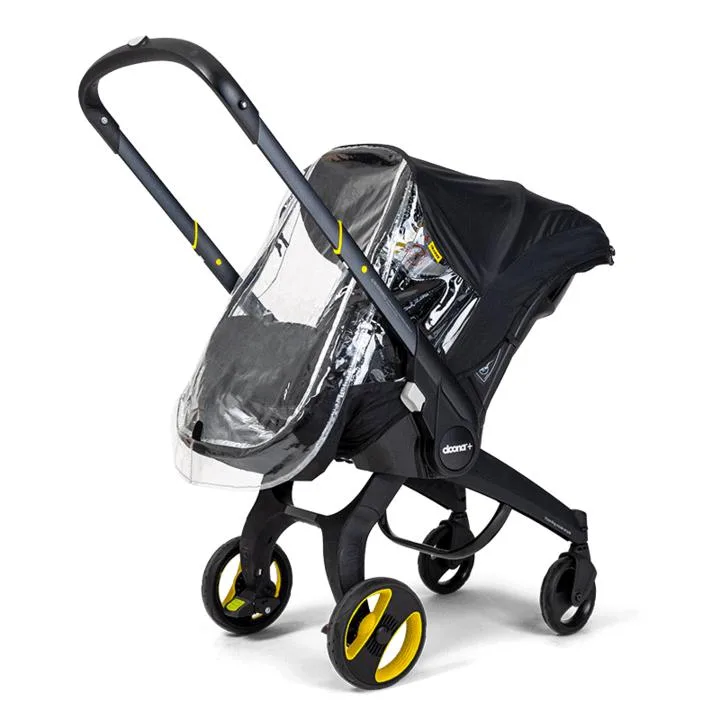
- Doona - Infant Car Seat & Stroller - Rain Cover: The Doona Rain Cover is purpose-built for the Doona Infant Car Seat & Stroller, keeping your baby dry in wet weather without interrupting the car-to-stroller transition. If you use a Doona as your infant seat, this cover protects it in rain without adding bulk to the back seat, and it stores easily when not in use.
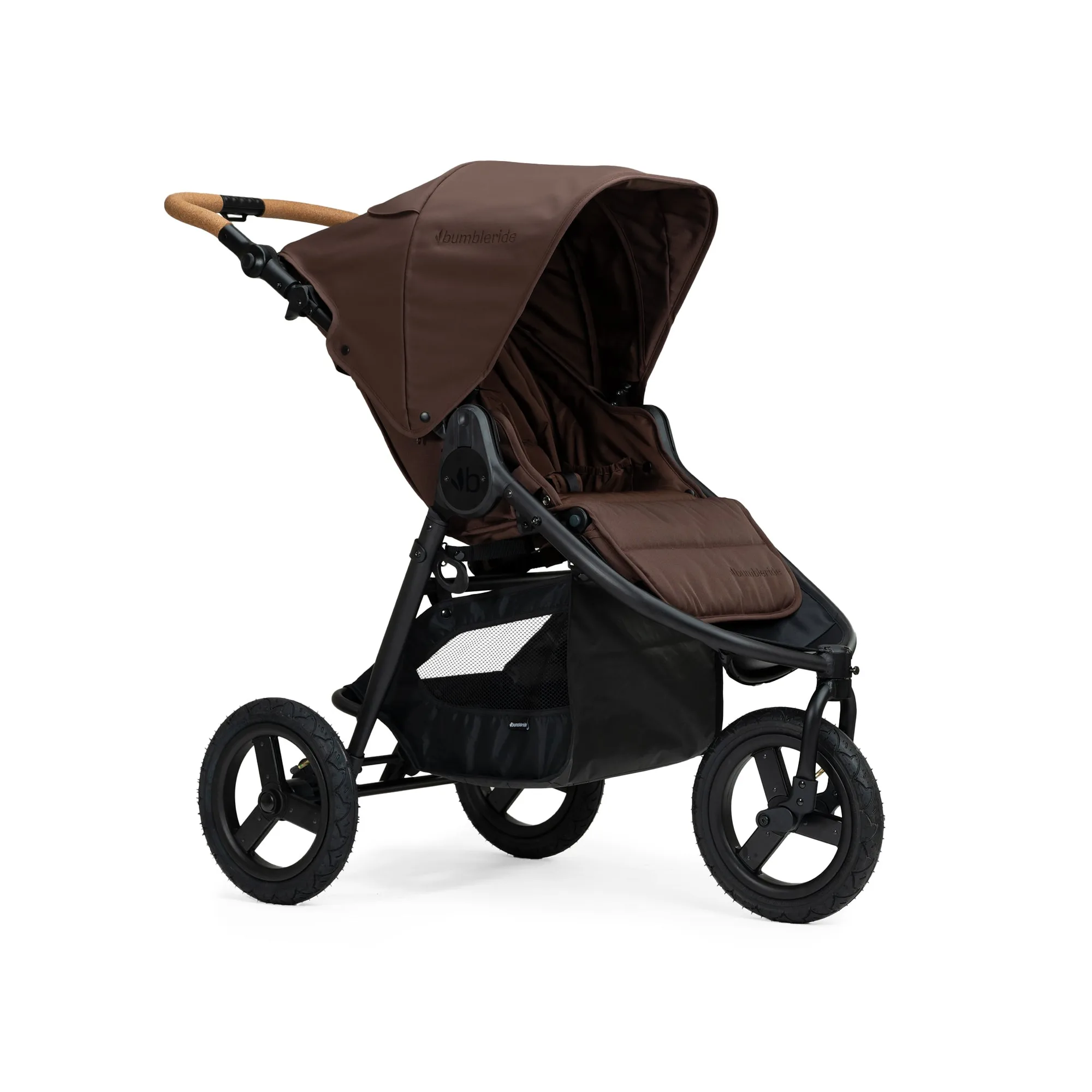
- Bumbleride - NEW Indie Stroller - Walnut: The Bumbleride Indie is an all-terrain stroller with a lightweight frame, compact footprint, air-filled tires, and all-wheel suspension. A compact stroller leaves more room in a small car's trunk, and the Indie's footprint can make it easier to fit alongside other gear when you are not using a convertible seat.
Who this guide is for
Best for
- Drivers of sedans, hatchbacks, and small SUVs who need a convertible car seat that leaves room for front passengers.
- Families who want a compact convertible car seat and are willing to measure their back seat before buying.
- Caregivers who often switch between cars and need a seat that is straightforward to install correctly.
Not for
- Drivers of large SUVs or minivans who have plenty of back-seat space and do not need to prioritize a compact footprint.
- Families who need three car seats across in a small car; a narrow convertible seat can help, but you should check each seat's installation independently.
- Anyone looking for an infant car seat with a carry handle; a convertible seat stays in the car.