Quick Answer
To choose a crossbody bag, first decide your primary use: travel or daily. For travel, prioritize security, water resistance, and organizational pockets. For daily, focus on size and style. Measure your essentials, consider the bag's dimensions and compartments, and ensure the strap is adjustable for comfort. Look for features like RFID protection or a water-resistant finish if needed.
Crossbody bags are a versatile choice for both travel and daily use, offering hands-free convenience and easy access to your essentials. But with so many styles, sizes, and features, how do you pick the right one? This guide breaks down the key factors to consider, from size and organization to materials and security, so you can make an informed decision.
Whether you're exploring a new city or just running errands, a well-chosen crossbody bag can simplify your life. We'll help you evaluate your needs and match them to the perfect bag, ensuring you get the most functionality and style from your purchase.
Consider Your Primary Use
The first step in choosing a crossbody bag is to determine your primary use. Are you looking for a travel companion that can hold your passport, boarding pass, and a water bottle? Or do you need an everyday bag for commuting, shopping, or social outings? Travel bags often need to be more secure and weather-resistant, while daily bags might prioritize style and lightweight comfort.
If you're a frequent traveler, look for bags with anti-theft features like hidden pockets, lockable zippers, or slash-resistant straps. For daily use, consider the bag's aesthetic and how it fits with your wardrobe. Some bags, like the Dakine Journey Crossbody, are designed to transition seamlessly from travel to daily use, offering a balance of functionality and style.
Size and Capacity
Size is a crucial factor. A bag that's too small won't hold your essentials, while one that's too large can become cumbersome and heavy. To determine the right size, list the items you plan to carry daily: phone, wallet, keys, sunglasses, maybe a small tablet or a snack. Measure these items and compare them to the bag's interior dimensions.
Most crossbody bags range from 1 to 10 liters. For minimalists, a 1-3 liter bag is enough for phone, cards, and keys. A 4-6 liter bag can fit a small camera or a paperback, while 7-10 liters can hold a tablet or a light jacket. Check the product specifications for dimensions and capacity to ensure your items will fit comfortably.
Organization and Pockets
Good organization can make or break a crossbody bag. Look for bags with multiple compartments, including dedicated slots for your phone, pens, and cards. A key leash or a zippered pocket for valuables is a plus. For travel, consider a bag with a back pocket that sits against your body for storing passports and cash securely.
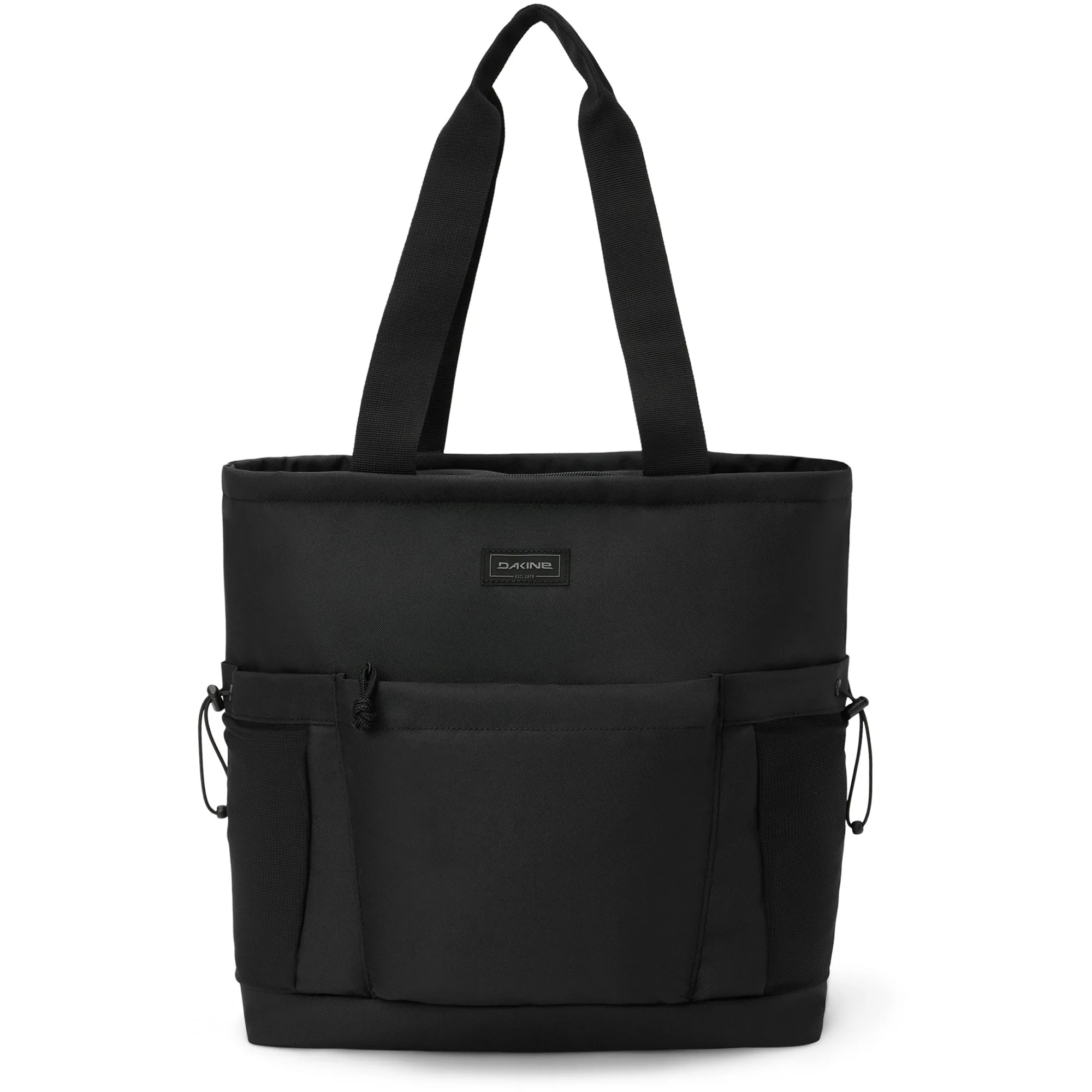
Some bags, like the Dakine Journey Crossbody, offer a well-thought-out layout with quick-access pockets and a main compartment that opens wide for easy visibility. Think about how you access your items: do you prefer to grab your phone without opening the main compartment? If so, look for a bag with a front or side pocket for quick access.
Material and Durability
The material affects the bag's weight, durability, and weather resistance. Common materials include nylon, polyester, canvas, and leather. Nylon and polyester are lightweight, durable, and often water-resistant, making them ideal for travel. Canvas is sturdy but can be heavier and less water-resistant. Leather offers a classic look but requires more care and is heavier.
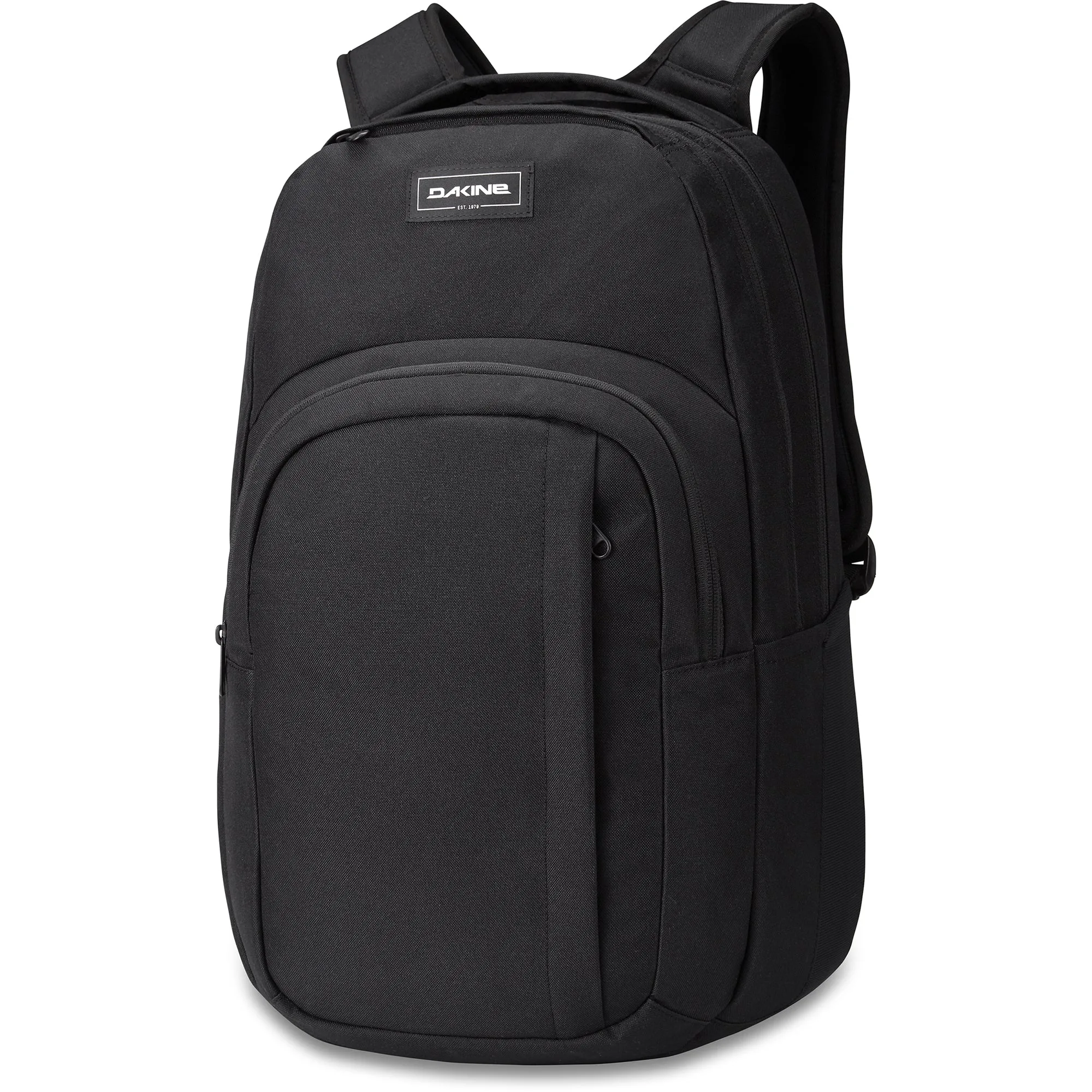
Check the denier of nylon or polyester for an indication of durability: higher denier (e.g., 600D or 1000D) is more abrasion-resistant. If you'll be in rainy climates, look for a water-resistant coating or a bag made with waterproof materials. Some Dakine bags feature recycled materials, like the https://dakine-usa.com/products/campus-l-33l-black-d096d6a40c814d0636ca79b3-885810Campus Backpack 33L, which is made from 86% recycled polyester and 14% nylon, offering durability with an eco-friendly twist.
Security Features
For travel, security is paramount. Look for bags with lockable zippers, hidden pockets, or slash-resistant straps. Some bags have RFID-blocking pockets to protect your credit cards from electronic theft. A bag that sits close to your body and has a secure closure system can deter pickpockets.
Consider the strap design: a strap that is not easily cut is a plus. Some bags have a strap that can be looped around a chair or pole. When evaluating a bag, check if the zippers can be locked with a small padlock, and whether there are any discreet pockets for storing valuables.
Comfort and Adjustability
Since you'll be carrying the bag for extended periods, comfort is key. Look for a bag with an adjustable strap so you can position it at your preferred length. A wider strap can distribute weight more evenly, reducing strain on your shoulder. Padded straps add extra comfort.
The bag's weight is also important. A heavy bag can become tiresome even if it's comfortable. Check the bag's weight in the specifications; aim for under 1 pound if possible. Some bags are made with lightweight materials without sacrificing durability, making them ideal for all-day wear.
Decision Rules for Choosing a Crossbody Bag
- If you're a frequent traveler: Prioritize security features like lockable zippers, hidden pockets, and water-resistant materials. Look for a bag that fits under an airplane seat and allows quick access to your passport. Choose a bag with anti-theft features and a compact size.
- If you're a daily commuter: Focus on organization and easy access. Look for a bag with multiple pockets for your phone, keys, and transit pass. A lightweight design will keep you comfortable throughout the day. Opt for a bag with dedicated pockets and a lightweight build.
- If you're a minimalist: Choose a small crossbody bag (1-3 liters) that fits just the essentials: phone, wallet, and keys. A slim profile is easier to manage and less likely to get in the way. Select a compact bag to keep things simple.
Product Facts
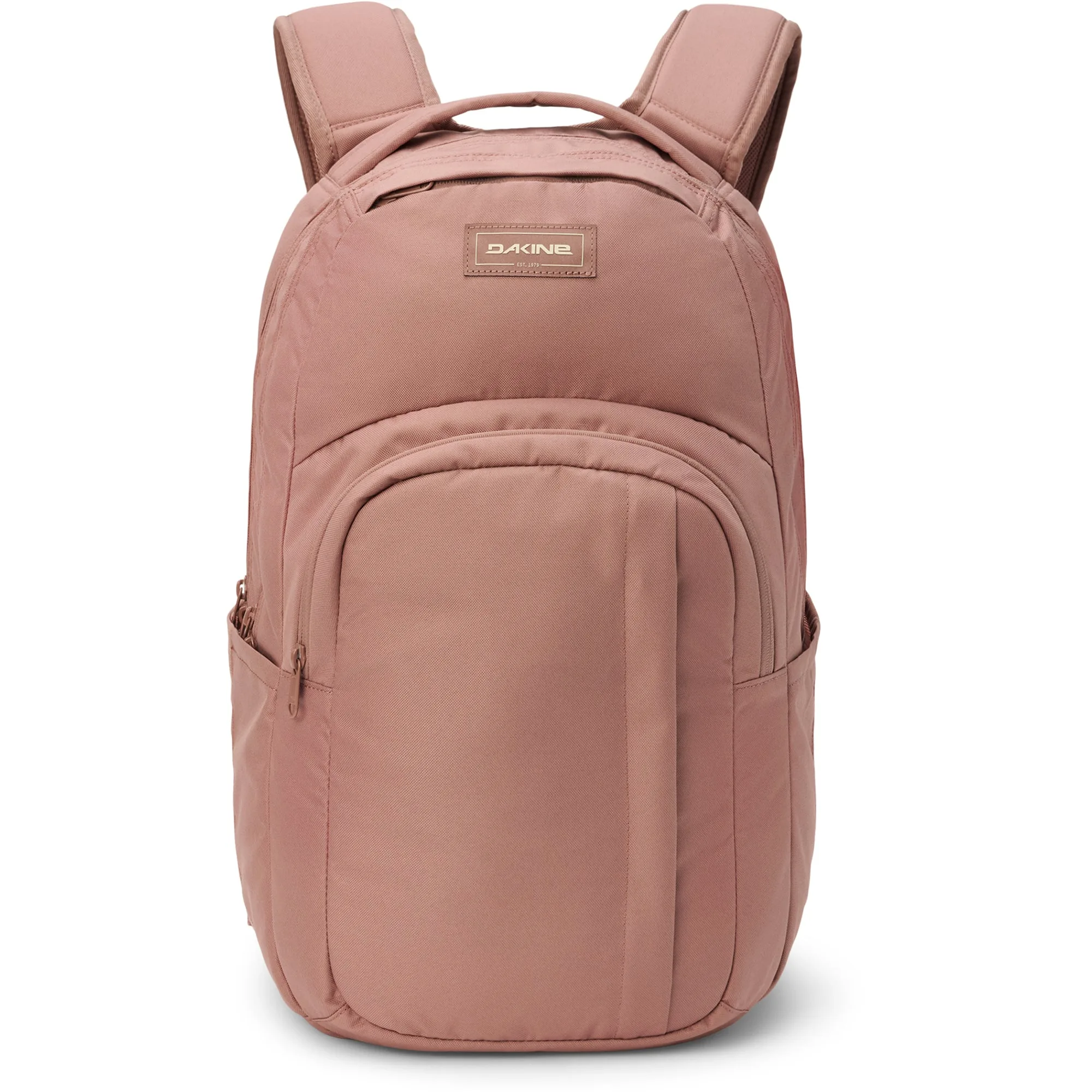
- Campus Backpack 33L: This backpack is made from 86% recycled polyester and 14% nylon, with a lining of 58% polyester and 42% recycled polyvinyl chloride. It features multiple compartments, a padded laptop sleeve, and an insulated pocket. If you're considering a crossbody bag but need more capacity for a laptop or books, the Campus Backpack 33L offers a more spacious alternative with similar organizational features, including a padded laptop sleeve and insulated pocket for snacks or drinks.
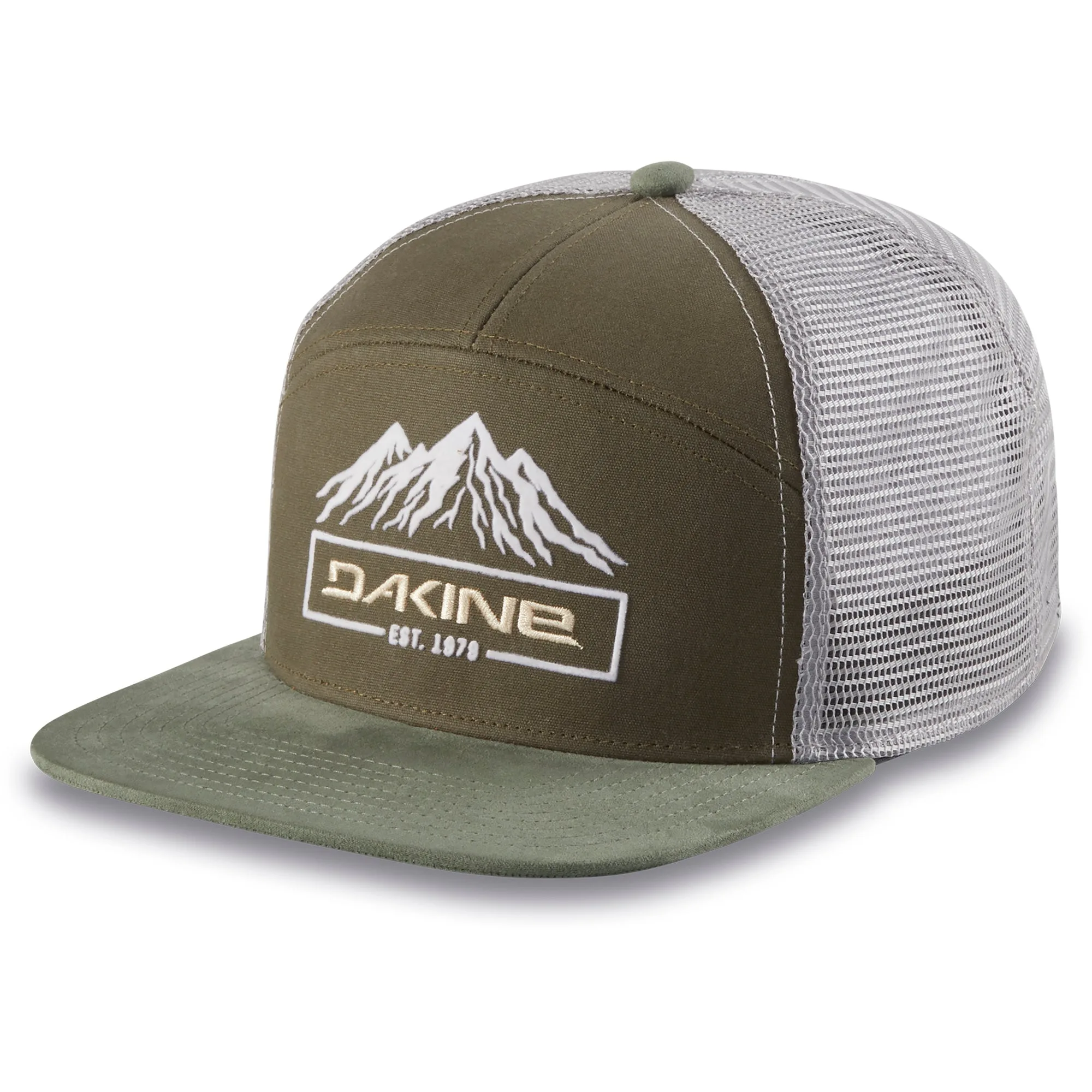
- Arch Cap: The Arch Cap is a seven-panel flat-bill cap with a waxed cotton front panel, breathable mesh back panels, and an adjustable snap back. It features a mesh interior sweatband and a suede brim made from Bureo's fully traceable NetPlus material. When choosing a crossbody bag, consider the overall style and how it pairs with accessories like hats. The Arch Cap's breathable mesh and adjustable fit make it a comfortable choice for outdoor activities, complementing a crossbody bag for a cohesive, functional look.
Fit Guidance
Best For
- Travelers who need a secure, hands-free bag for exploring cities or airports.
- Daily users who prefer a lightweight, organized bag for commuting or errands.
Not For
- Those who need to carry a laptop or large tablet – consider a backpack instead.
- People who prefer a minimalist, ultra-light bag – some crossbody bags are heavier due to added features.
Choosing the right crossbody bag comes down to understanding your needs and matching them to the bag's size, organization, and features. By considering your primary use, the items you carry, and the security and comfort you require, you can find a bag that serves you well on both daily adventures and far-flung travels. Remember to check the specifications and, if possible, try the bag on to ensure it feels right. Happy travels!