Quick answer
For most cold, wet rides, start with a waterproof shell glove with sealed seams and pair it with a thin liner you can remove when the pace heats up. If rain is unlikely but wind and road spray are constant, a windproof glove with a breathable back is lighter, packs smaller, and dries faster. Buy the smallest size you can fully close your hand in, because a loose glove pumps cold air and water with every pedal stroke.
Waterproof or windproof: match the shell to the weather you actually ride in
Waterproof gloves use a membrane plus taped or sealed seams to keep rain out, but they also trap more sweat, so they feel clammy on long climbs. Windproof gloves block wind and light spray while letting more moisture escape, which makes them the better default for dry cold, gusty descents, and variable conditions where you may take them off mid-ride.
The trade-off is simple: waterproofing buys you comfort in sustained rain at the cost of breathability, bulk, and pack size. Windproofing buys you breathability and a smaller packed volume at the cost of wet-out in heavy rain. If your rides regularly include both, a waterproof shell over a thin liner covers more conditions than one thick glove.
Fit rules that matter more than brand or price
A cycling glove should fit like a second skin at the palm and fingers, with no fabric bunching when you wrap your hand around the bar hoods. Check three points before you commit: fingertips should reach the ends of the fingers without pressing, the wrist closure should sit flush without cutting off circulation, and you should be able to make a fist without the palm fabric pulling tight across your knuckles.
Gloves that are too large slide on the bar, bunch at the palm, and create air pockets that feel cold within minutes. Gloves that are too small restrict blood flow, which is the fastest way to get numb fingers even in mild cold. If you are between sizes, size up only if you plan to wear a liner underneath; otherwise size down.
Touchscreen, grip, and the details worth paying for
Touchscreen-compatible fingertips are useful for route checks and messages, but conductive patches wear out faster than the rest of the glove and can be less sensitive in heavy rain. If you rely on your phone for navigation, test the touchscreen function with the glove on before you buy, and keep a backup plan such as voice navigation.
Look for a silicone or textured palm for grip on wet hoods, a long cuff that overlaps your jacket sleeve to stop water running in, and a pull tab that lets you remove gloves with wet hands. Reflective details on the back of the hand help in low light, and a clip or loop keeps pairs together in a jersey pocket.
Layering beats buying one thick glove
A thin liner glove under a windproof or waterproof shell gives you three configurations from two items: liner only for cool starts, shell only for wet but mild rides, and both for cold rain. This is usually cheaper and more versatile than a single heavily insulated glove, and it lets you dry the liner separately after a sweaty ride.
The catch is fit: a liner adds volume, so a shell that fits perfectly alone may feel tight with a liner. If layering is your plan, try the shell on with the liner you intend to use. Also avoid cotton liners, which hold water and lose insulation once damp.
Decision rules for buying cold and wet weather cycling gloves
- Riding in steady rain: Choose waterproof cycling gloves with sealed seams and a long cuff that overlaps your jacket sleeve. Accept that they will feel warmer and less breathable than windproof gloves. If rain is occasional, a windproof glove plus a packable rain shell is more versatile.
- Cold, dry, and windy: Choose windproof gloves cycling with a breathable back panel. They block wind chill, dry fast, and pack small enough for a jersey pocket. This is the best cycling gloves cold weather default for most riders.
- Temperature swings on one ride: Choose a thin liner plus a shell rather than one thick glove. Add or remove the liner at the top of a climb instead of stopping to swap gloves. Test the shell with the liner on before buying.
- You navigate by phone: Prioritize touchscreen cycling gloves and test the conductive fingertips in the shop or on arrival. Conductive patches wear faster than the rest of the glove. Keep voice navigation as a backup in heavy rain.
- You get numb fingers early: Check fit before insulation. A glove that is too tight restricts blood flow, and no amount of insulation fixes that. Size up or switch to a liner system. If fingers go numb in mild cold, the problem is usually fit, not warmth.
Product facts that help you decide
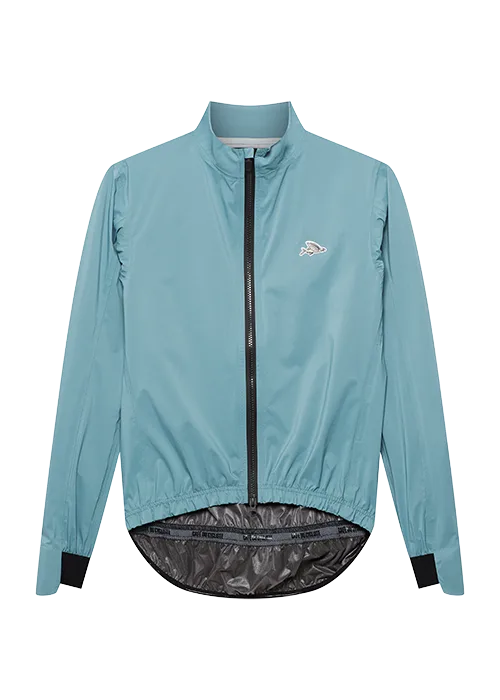
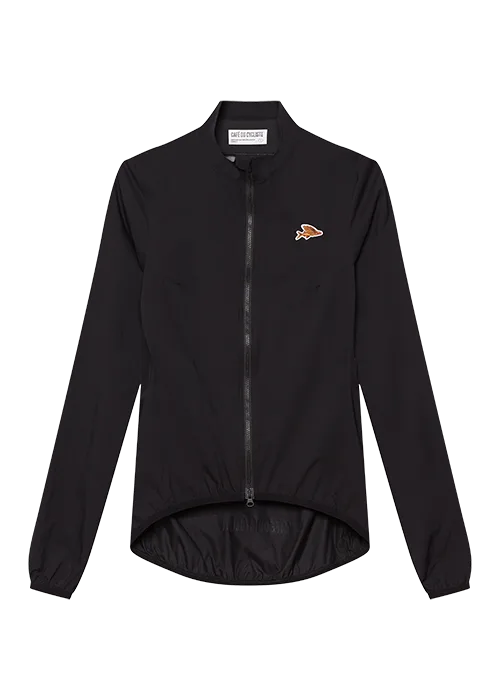
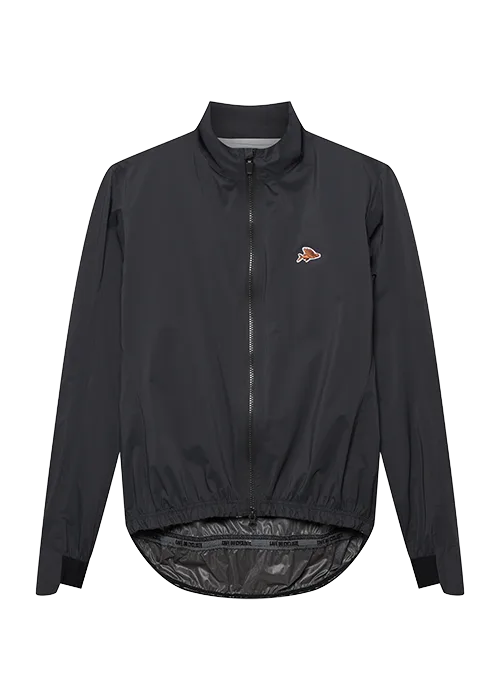
- Suzette: suzette-anthracite-51069a037c4a9350e212506c-761842">suzette-deep-water-37b17ce2309c73bce6b7b08d-761841">suzette-b-jwa-suzett-w-rdmo-2e41c5bfbf51d624c1f48c43-761837">suzette-red-moss-30b7a91cae150f114caa5a41-761835">Suzette is a highly technical rain jacket with a water-repellent treatment, fully sealed seams, and an ultralight breathable membrane, with an ergonomic shoulder cut that minimizes wind resistance on the bike. If you already ride in a shell like this, your gloves only need to handle hand-level rain and wind, so a lighter windproof glove is often enough.
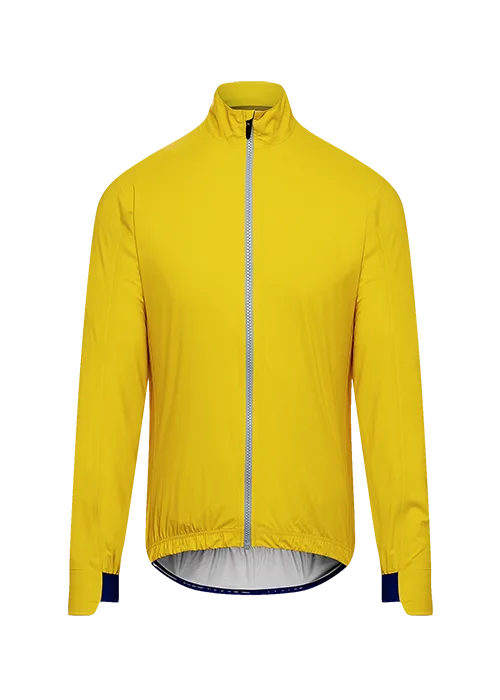
- Edith: Edith is an ultralight windproof made from recycled fabric, with a fully windproof base, a breathable rear section, and a two-way YKK zipper for temperature control, and it packs down small. A packable windproof layer like this pairs well with windproof gloves and lets you adjust core temperature without changing gloves mid-ride.
- Kit Essentiels pour Femmes: Kit Essentiels pour Femmes bundles a jersey, bib shorts, and socks at a 15% saving, described as key autumn and winter wardrobe pieces for layering and variable weather. A layered kit means your hands and core are managed together; if your core overheats, your hands sweat and then freeze on the descent.
Who these glove choices suit
Best for
- Riders who commute or train through autumn and winter in mixed weather
- Cyclists who want one glove system that covers cold, wind, and rain
- Riders who navigate by phone and need touchscreen-friendly fingertips
Not for
- Riders in sub-freezing, dry conditions who need heavily insulated winter gloves
- Cyclists who only ride indoors or in warm, dry weather
- Riders who refuse to layer and want a single glove to do everything