Quick answer
Match the nail head size to your trim width, choose a finish that complements the fabric and room, and pick a head style that suits the furniture period. For most upholstery projects, 7/16-inch textured decorative nails in antique brass offer a classic look, while nickel or antique copper work better for modern or rustic pieces. Always test a few nails on a scrap of your fabric before committing.
Decorative nails do more than hold fabric—they define the style of a piece. But with so many sizes, finishes, and head shapes, it’s easy to buy the wrong ones. This guide gives you clear decision rules so you can choose with confidence.
We’ll cover how to match nail size to your trim, how finishes change the look, and which head styles work for different furniture eras. You’ll also find practical tips on installation and fabric compatibility, plus honest trade-offs to help you avoid common mistakes.
Match nail size to your trim and fabric
Nail head diameter should relate to the width of your trim or the scale of your furniture. A 7/16-inch head is a versatile middle ground for standard upholstery trim, while 5/8-inch or larger heads make a bolder statement on large pieces like sofas or headboards. Smaller heads (3/8-inch or less) suit delicate chairs or tight curves.
Also consider fabric weight. Heavy fabrics like linen or velvet can support larger heads without the nail disappearing. On lightweight fabrics, a large head may pull or distort the weave, so choose a smaller head or use a backing strip.
- Measure your trim width: the nail head should cover about half to two-thirds of the trim.
- For curved areas, use smaller heads to follow the contour smoothly.
- Test on a scrap: push a nail through your fabric to see if the head sits flat and doesn’t tear the weave.
Choose a finish that fits the room and fabric
Finish sets the mood. Antique brass and antique copper add warmth and a vintage feel, working well with traditional leather, tapestry, or dark woods. Nickel and silver tones feel cooler and more contemporary, pairing nicely with grey, blue, or modern neutral palettes. Gold-coloured finishes bring a touch of glamour to headboards and chairs.
Think about contrast. A dark fabric with antique brass creates a subtle, rich look, while bright nickel on dark fabric pops. If you want the nails to blend, choose a finish close to the fabric colour. If you want them to stand out, go for contrast.
- Antique brass vs nickel nails: brass for warmth and tradition, nickel for cool modern spaces.
- Antique copper works well with rustic or industrial decor.
- Order a small sample first if you’re matching an existing finish.
Pick a head style for your furniture period
Head style—domed, flat, textured, or French natural—signals a period or aesthetic. Domed or round heads are classic for traditional upholstery. Flat or textured heads suit Arts and Crafts or rustic pieces. French natural nails have a hammered, irregular look ideal for antique reproductions.
If you’re restoring an antique, try to match the original head style. For new builds, choose a style that complements the overall design. Textured heads hide minor installation marks better than smooth, polished ones.
- Traditional: domed or round heads in antique brass.
- Modern: flat or low-profile heads in nickel or silver.
- Rustic: textured or hammered heads in antique copper or brass.
Consider installation and fabric protection
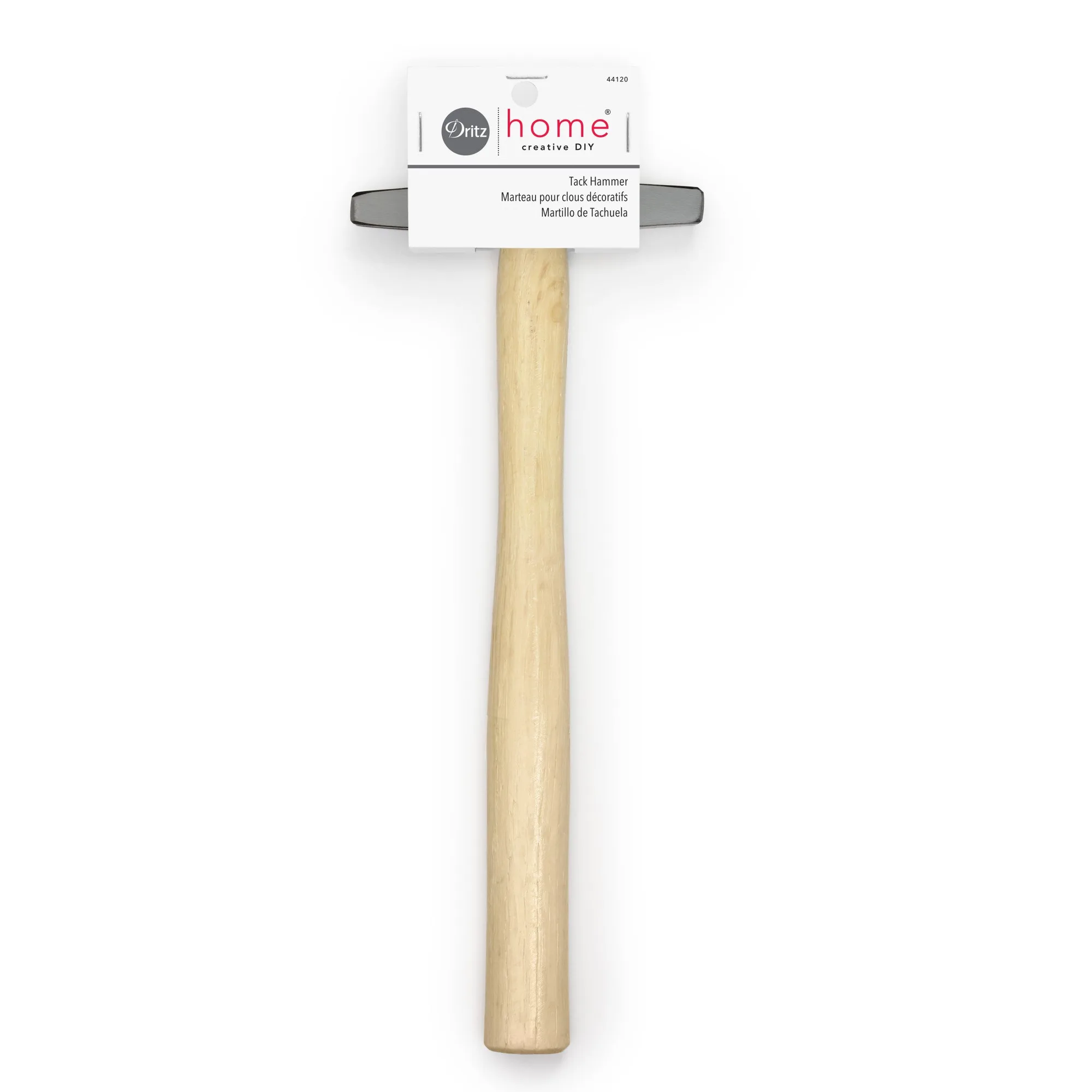
Decorative nails are usually set by hand with a https://prymamerica.com/products/44120-cb0d93db390a1c00eecfd77d-1316609tack hammer, but you can also use a space and set tool for consistent spacing. The tool speeds up the job and keeps rows even, especially on long runs. If you’re working with delicate fabrics, place a piece of cardboard or a leather strip behind the fabric to reinforce the nail entry point.
For a professional finish, mark a chalk line or use a spacing tool to keep nails aligned. Remove any stray fibres and check that each nail sits flush. Avoid over-hammering, which can dent the head or crush the fabric.
- Use a tack hammer with a small head for precision.
- A space and set tool ensures even spacing and saves time.
- Reinforce delicate fabrics with a backing strip before nailing.
Decision rules for buying decorative nails
- Rule 1: Size by trim width: Measure your trim or the area to be nailed. Choose a head diameter that covers about half to two-thirds of the trim width. For example, a 7/16-inch head suits a 3/4-inch to 1-inch trim. If the trim is wider than 1-1/2 inches, step up to a 5/8-inch head. When in doubt, order a small pack of two sizes and test both on a scrap.
- Rule 2: Finish by lighting and palette: Look at the room’s lighting and dominant colours. Warm light (incandescent, warm white LED) enhances brass and copper; cool light (daylight, cool white LED) makes nickel and silver look their best. If your fabric has a cool undertone, nickel will harmonise; if it’s warm, brass or copper will blend. Order a sample nail in your top two finishes and hold them against the fabric in the actual room lighting.
- Rule 3: Head style by furniture era: Identify the style of your piece: traditional (domed heads), modern (flat or low-profile), rustic (textured or hammered), antique reproduction (French natural). Matching the head style to the era makes the upholstery look intentional rather than added on. If you can’t match the original, choose a subtle domed head in a finish that blends with the wood.
- Rule 4: Test on a scrap first: Always drive a few nails into a scrap of your actual fabric over the same backing you’ll use. Check that the head sits flat, the fabric doesn’t tear, and the spacing looks right. This five-minute test prevents costly mistakes. Keep the test scrap for reference when you order more nails.
Product facts to guide your choice
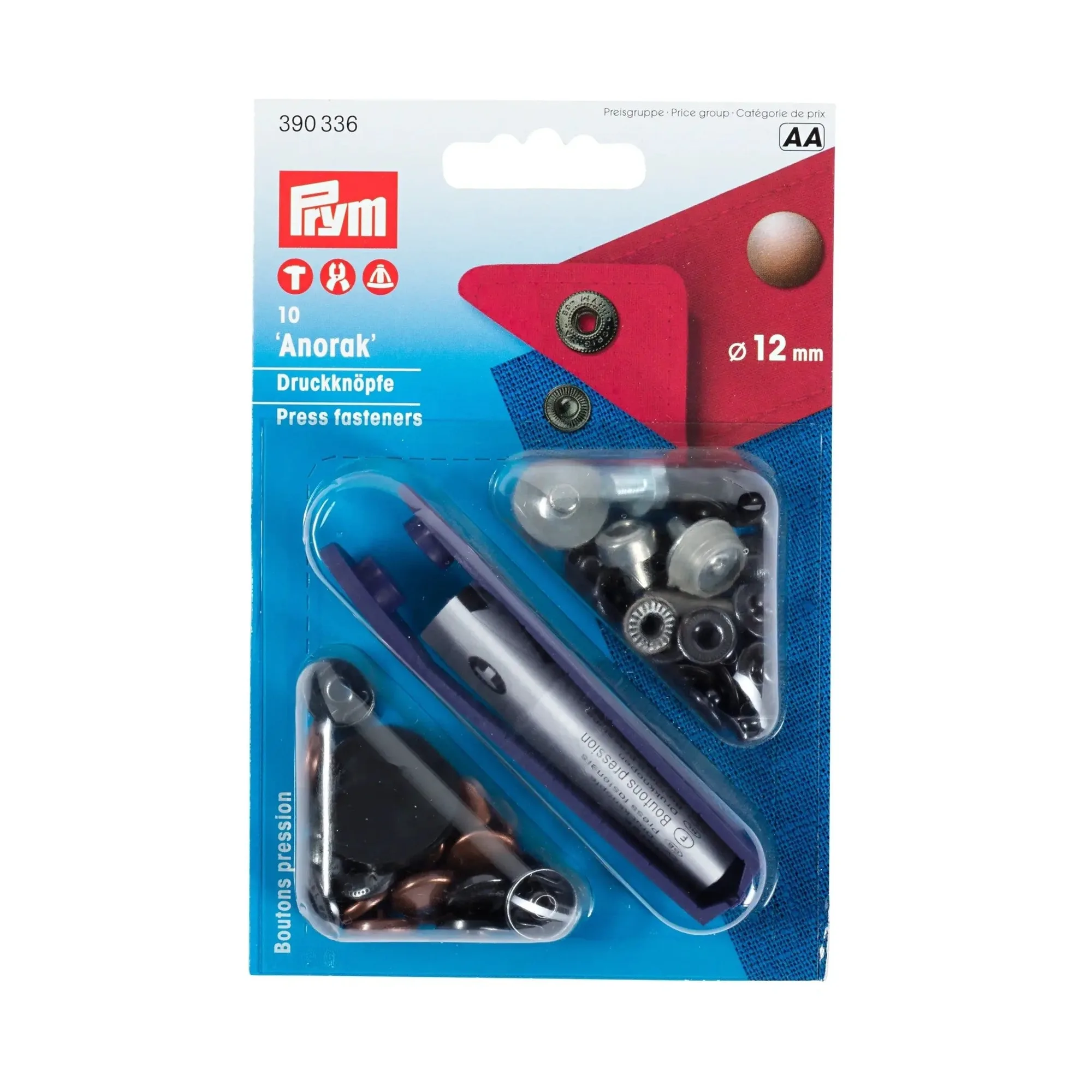
- https://prymamerica.com/products/390336-b2b-622c295322647986363f2cde-1318131ANORAK 12 mm antique copper with tools 10pc: The “anorak” non-sew press fasteners are perfect for jackets, anoraks, dresses, skirts and fine leather materials thanks to their medium fastening strength. The special feature is the bronze spring wire (S-spring), which guarantees a smooth opening and closing function. The press fasteners are available from rustproof brass and in various finishes such as silver, gold-coloured, antique brass, antique copper, old... If your project needs functional fasteners rather than decorative nails, these press fasteners offer a secure, smooth-closing option with a finish that can match your nailhead trim.
- Hooks & Eyes with Rhinestones, 3 Sets, Nickel: Dritz hooks and eyes are sewing fasteners that are used to hold finished edges together. Hooks and eyes are most commonly used for pants, skirts, bridal, lingerie and costumes. Item Number: 441-65 Hold finished edges of your fabric and apparel projects together Fashionable rhinestone adds a decorative design and touch of sparkle Easy to attach with needle and thread Package contains (3) sets of size 3 nickel color... For garments or cushions that need a hidden closure with a touch of sparkle, these nickel hooks and eyes add function and decoration without the bulk of nails.
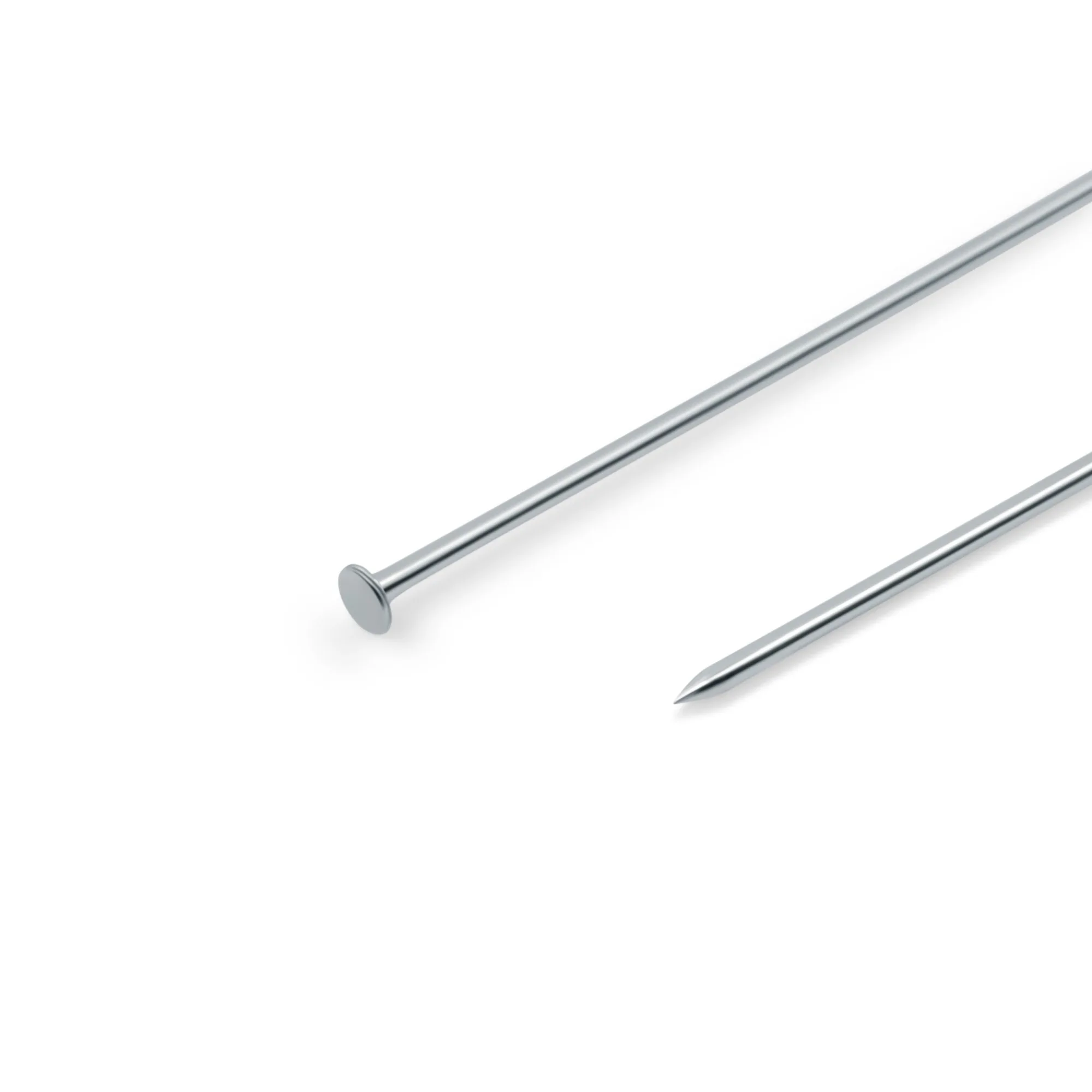
- 1-1/4" T-Pins, Nickel, 50 pc: Dritz T-pins are sharp, fine pins that can be used in a variety of sewing and DIY projects. Use for loosely woven or bulky fabrics and deep piles. Ideal for upholstery, slipcovers and numerous other crafts. Item Number: 109 Use for loosely woven or bulky fabrics and deep piles Ideal for upholstery, slipcovers and crafts Sturdy, sharp fine points and "T"-shaped head makes them easy to hold and use Reusable plastic... Before you commit to nailing, use T-pins to temporarily hold fabric in place and check alignment, especially on bulky or deep-pile upholstery.
- Disappearing Ink Marking Pen, Fine Point, Purple: Use the Dritz Fine Point Disappearing Ink Marking Pen Purple to trace embroidery, applique, paint patterns or to mark exact locations of embellishments on fabrics. Equipped with a fine point tip, this marking pen is ideal for quilting, sewing and other types of fabric crafts. The pen is designed for use on washable fabrics and has ink that disappears within 2 to 3 days of application. Item Number: 3086 For sewing,... Mark a straight guide line for your nailhead trim; the ink vanishes in a few days, so you won’t leave permanent marks on your upholstery fabric.
Is this guide for you?
Best for
- DIY upholsterers choosing nails for chairs, sofas, or headboards
- Restorers matching a period-appropriate finish and head style
- Crafters adding decorative trim to small furniture or accessories
Not for
- Projects requiring structural fasteners or load-bearing joints
- Automotive or marine upholstery where corrosion resistance is critical
- Anyone looking for a no-tools, adhesive-only trim solution
Choosing decorative nails comes down to size, finish, and head style—and a quick test on scrap fabric. Use the decision rules above to narrow your options, and don’t be afraid to order a small sample first. With the right nails, your upholstery project will look polished and professional.