Quick answer
For most beginners, start with a manual die cutting machine if your budget is under $200 and you cut a few times a week; choose an electric machine if you have hand or wrist pain or cut daily. Whichever you pick, budget for a metal cutting plate and a simple word die to learn the pressure and sandwich basics before buying more.
Manual vs electric: match the machine to your hands and volume
Manual machines crank or roll the material through, so they cost less and need no power outlet. They are slower per pass and require steady hand force, which is fine for cardmaking, small die sets, and occasional scrapbook pages. Electric machines feed the sandwich automatically, so they suit long sessions, repetitive batches, and anyone with limited grip strength. The trade-off is higher upfront cost and a power cable. If you only cut a few shapes a week, the manual saving is real; if you cut every day or your wrists ache after a session, the electric convenience is worth the extra spend.
Check the plate system and die compatibility before you buy
Every machine uses a sandwich of plates, and the plate size limits what you can cut. Confirm the machine accepts the die type you own or plan to buy (thin metal dies, embossing folders, or both) and that replacement plates are easy to find. A machine that only takes proprietary plates can lock you into one brand. Also check the opening width: a 6-inch machine handles most card panels, while 9-inch and larger platforms suit bigger backgrounds and multi-die layouts. If a product listing does not state plate dimensions or die compatibility, treat that as a missing specification and ask the seller before ordering.
What a starter kit actually needs
You do not need every accessory on day one. A basic setup is the machine, one set of cutting plates, a metal shim plate for detailed dies, and one or two simple dies to practice with. Add a spatula for scooping and spreading glue or paste, and cardstock that cuts cleanly on the smooth side. Buy more plates only when you know your machine's sandwich order and pressure. A common beginner mistake is buying intricate dies first; start with bold shapes and a word die so you can see whether the cut is clean before adding detail.
Decision rules for your first machine
- If you cut less than weekly: Choose a manual machine with a 6-inch platform and one set of plates. Save the difference for dies and cardstock. Manual is the lower-risk first purchase for occasional cardmaking.
- If you have hand or wrist pain: Choose an electric machine even if it costs more. The automatic feed removes the repeated cranking force. Comfort beats saving if you will avoid using a manual machine.
- If you already own thin metal dies: Check the machine's plate compatibility and buy a metal shim plate for detailed cuts. Do not assume any plate fits any machine. Verify plate size and die type before checkout.
- If you plan to cut large backgrounds: Look for a 9-inch or wider platform. A 6-inch machine will force you to piece together bigger designs. Match platform width to your most common project size.
Products that support the decision
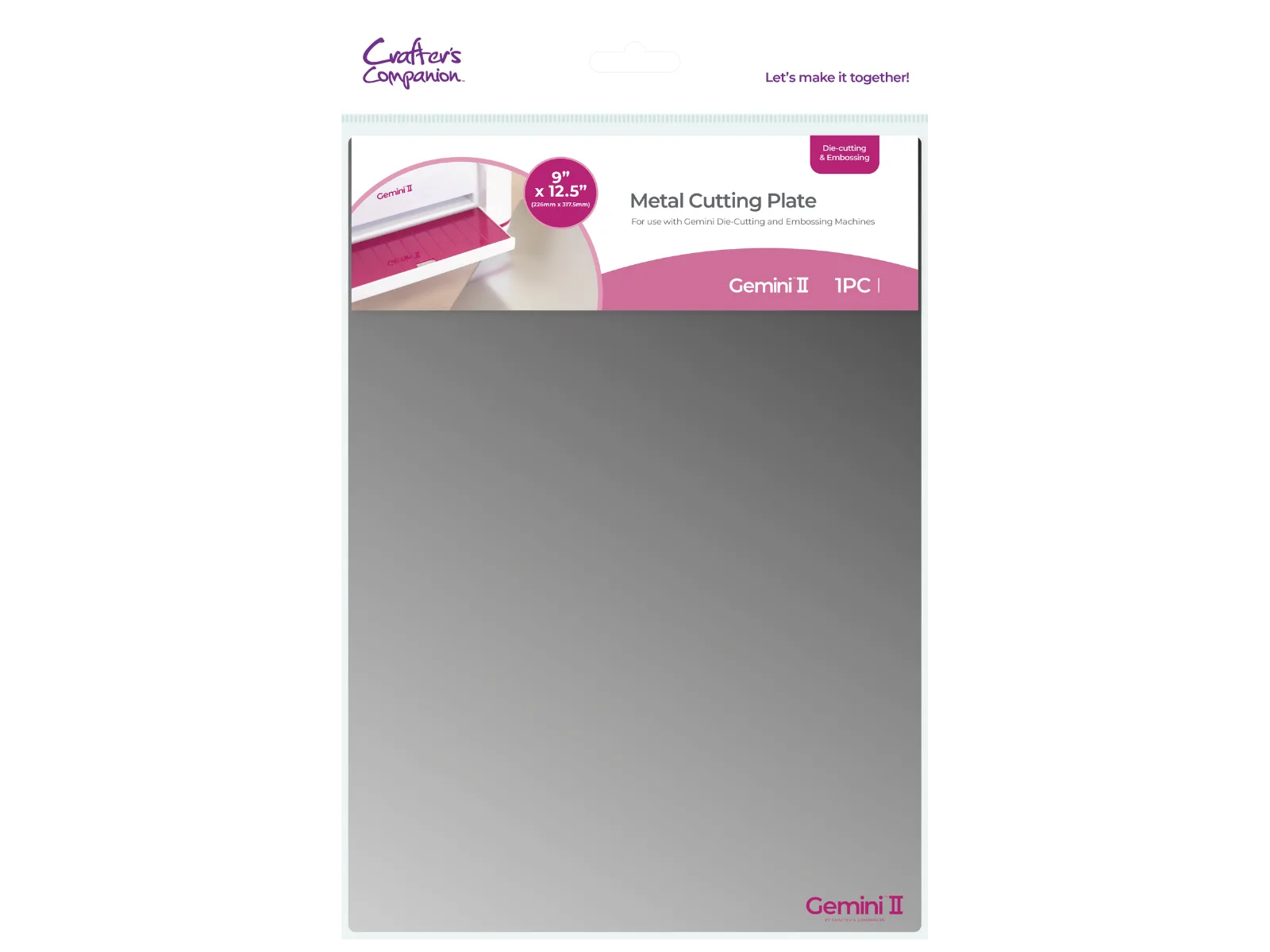
- Gemini II Accessories - Metal Cutting Plate: The Gemini II Accessories - Metal Cutting Plate adds an extra layer to your existing die-cutting combination, creating higher pressure for smaller, more detailed designs. If you choose a manual machine and plan to cut intricate dies, this plate helps every detail pop out in one pass instead of re-running the sandwich.
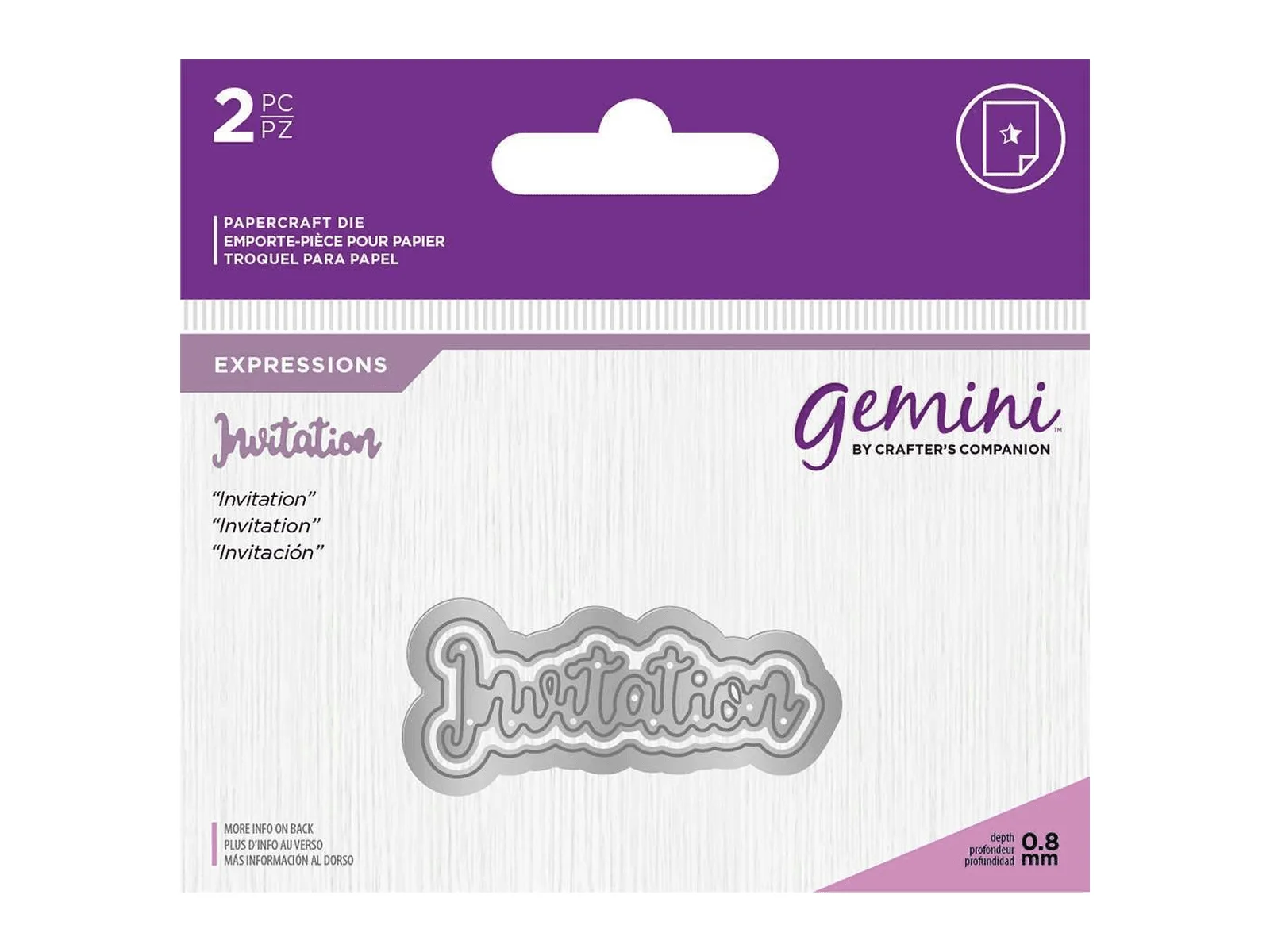
- Gemini Expressions Metal Die - Invitation: The Gemini Expressions Metal Die - Invitation is a thin metal die with a matching frame, so you can use the die alone or matt and layer with the frame. A word die with a frame is a practical first die: it teaches you how the machine handles thin metal and gives you a finished sentiment for cards or invites.
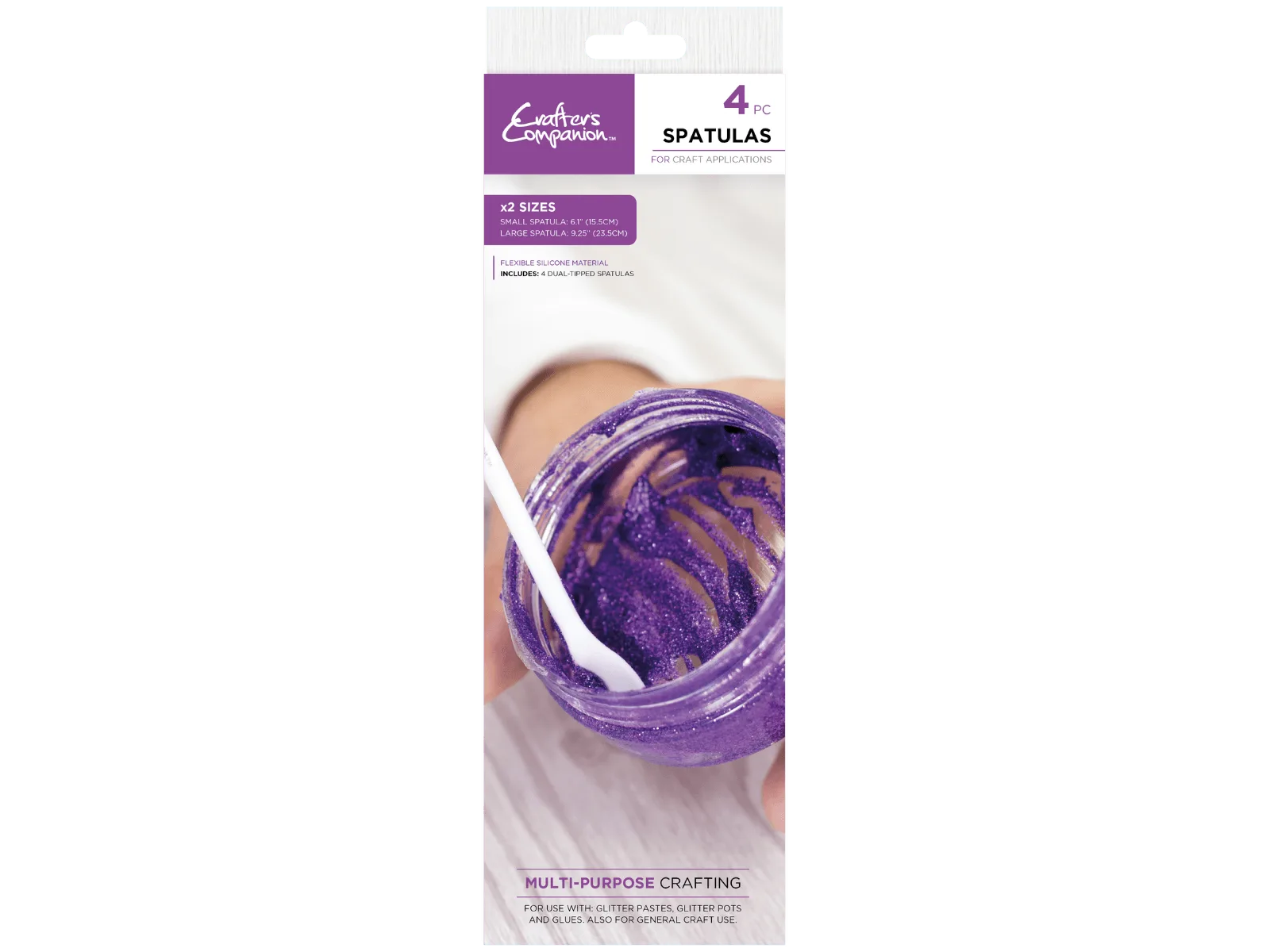
- Crafters Companion - Spatulas: Crafter's Companion - Spatulas are double-ended, with a spoon on one end to scoop or scrape and a flat spatula on the other to spread smoothly and evenly, made from flexible silicone that bends into corners and small containers. After cutting, you still need to apply glue or paste; a flexible spatula helps you use every last drop and reach into small containers without wasting medium.
Who this is for
Best for
- Beginners who make cards or small papercraft projects a few times a week
- Crafters who want a manual machine with room to add a metal shim plate for detailed dies
- Anyone who prefers to buy one machine and learn its plate sandwich before upgrading
Not for
- Crafters who need to cut hundreds of identical shapes daily; a larger electric or commercial machine is a better fit
- Anyone who only wants to emboss and never cut; a dedicated embossing folder setup may be enough
- Buyers who refuse to check plate dimensions and die compatibility before ordering