Quick answer
Choose chew toys by matching material and size to how your dog actually chews: soft-plush toys for gentle mouthers, firmer rubber or tennis-style balls for moderate chewers, and durable, size-appropriate chews for strong chewers. Always supervise, size up when in doubt, and replace any toy that develops holes, tears, or loose squeakers.
Start by watching how your dog chews, not by breed
Before you buy anything, spend a few minutes watching your dog with a toy they already own. Note whether they nibble gently, hold and gnaw steadily, or try to rip and shred. That behavior tells you more about the right dog chew toy materials than breed size alone.
Gentle mouthers often do fine with plush toys and soft squeakers. Moderate chewers need firmer surfaces that hold up to repeated gnawing. Strong chewers need toys built for durability, and even then, no toy is indestructible. If your dog destroys toys in minutes, treat every purchase as a supervised session, not a solo activity.
Match material to chewing intensity
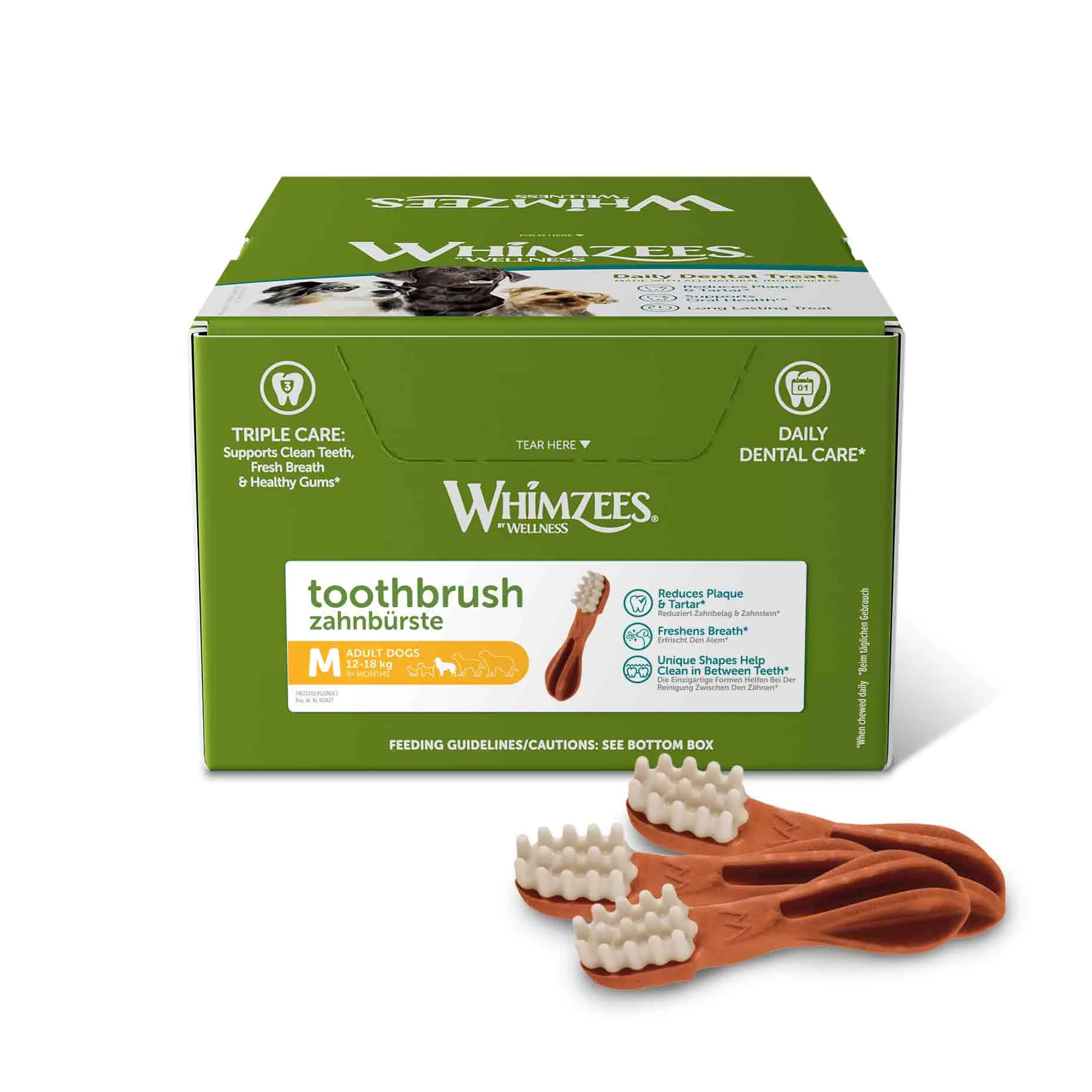
Material is the single biggest decision in a dog chew toys buying guide. Plush and fabric toys are soft and comforting, but they are not designed for heavy chewing. Rubber and tennis-style balls offer more resistance and work well for fetch and interactive play. Dental chews are edible or consumable and serve a different purpose: they are chewed and moved around the mouth to help reduce plaque and tartar, not to survive weeks of play.
If you are shopping for a chew toy for strong chewers, look for firm, thick constructions and avoid thin plush or small squeakers that can be pulled out. For dogs who do not like to chew, a soft plush toy can be a better fit because it encourages gentle play without demanding heavy resistance.
Get the size right for safety and engagement
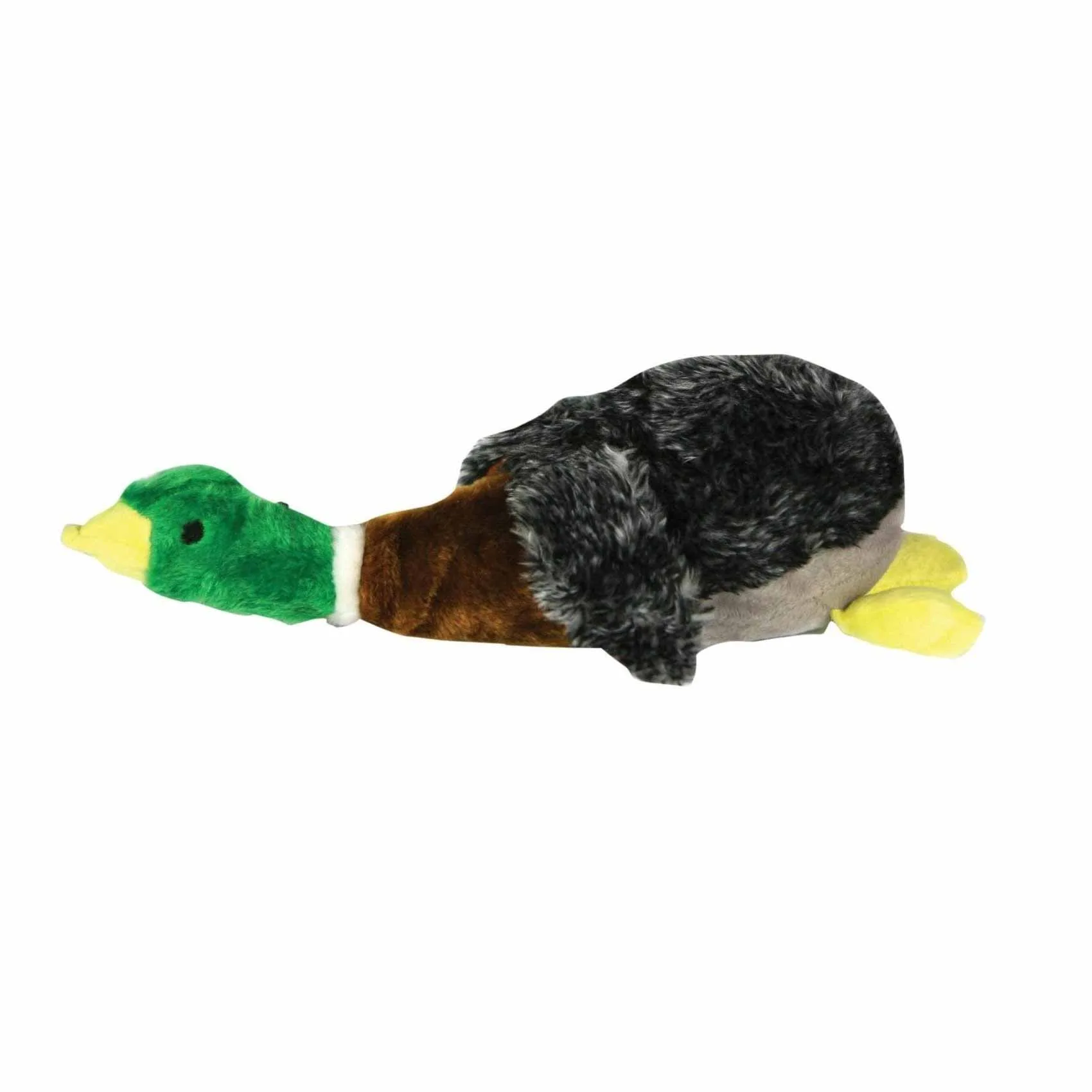
The best chew toy size for dogs is large enough that they cannot swallow it, but small enough that they can comfortably hold and carry it. A toy that is too small can become a choking hazard; one that is too large may be ignored. When a product lists dimensions, use them. For example, a plush duck toy listed at approximately 30cm is intended for small to medium breed dogs and puppies, which tells you it is not a good match for a large dog who needs a bigger toy.
For balls, check whether the product offers a size option. A ball that fits comfortably in your dog's mouth during fetch is safer and more fun than one they have to force. If a product does not list dimensions or size options, treat that as a limitation and choose a toy where you can confirm the size.
Use supervision and replacement rules as your safety net
Safe dog chew toys are not just about the product; they are about how you use them. Supervise chewing until you know how your dog treats a particular toy. Remove any toy that develops a hole, a tear, a loose squeaker, or exposed stuffing. Squeakers are a common failure point, so check them regularly.
Rotate toys to keep them interesting and to give you a chance to inspect each one. If your dog is a dedicated shredder, choose toys with fewer weak points and avoid leaving them alone with plush items. A toy that works for a gentle chewer may be unsafe for a strong chewer, even if it is labeled durable.
Decision rules for choosing a dog chew toy
- If your dog nibbles gently: Choose plush or soft fabric toys with secure squeakers. Check seams and stuffing regularly, and replace at the first sign of a tear. Gentle chewers can enjoy soft toys, but they still need supervision.
- If your dog gnaws steadily: Choose firmer rubber or tennis-style balls with recessed squeakers. Pick a size your dog can hold comfortably and use them for fetch and interactive play. Moderate chewers need more resistance than plush can offer.
- If your dog shreds toys quickly: Skip plush and thin fabric. Look for thick, durable constructions, size up when possible, and treat every toy as a supervised session. Strong chewers need durability plus supervision, not just a tougher label.
- If your dog needs dental help: Add a dental chew treat to your routine. It is designed to be chewed and moved around the mouth to help reduce plaque and tartar. Dental chews support oral care but do not replace a durable chew toy.
Product facts to compare
- Good Boy Quackers Duck Dog Toy: Plush body with soft stuffing and an internal squeaker; suitable for small/medium breed dogs and puppies; dimensions approx. 30cm. A good match for gentle mouthers and dogs who do not like to chew, but not for strong chewers who would quickly pull out stuffing or the squeaker.
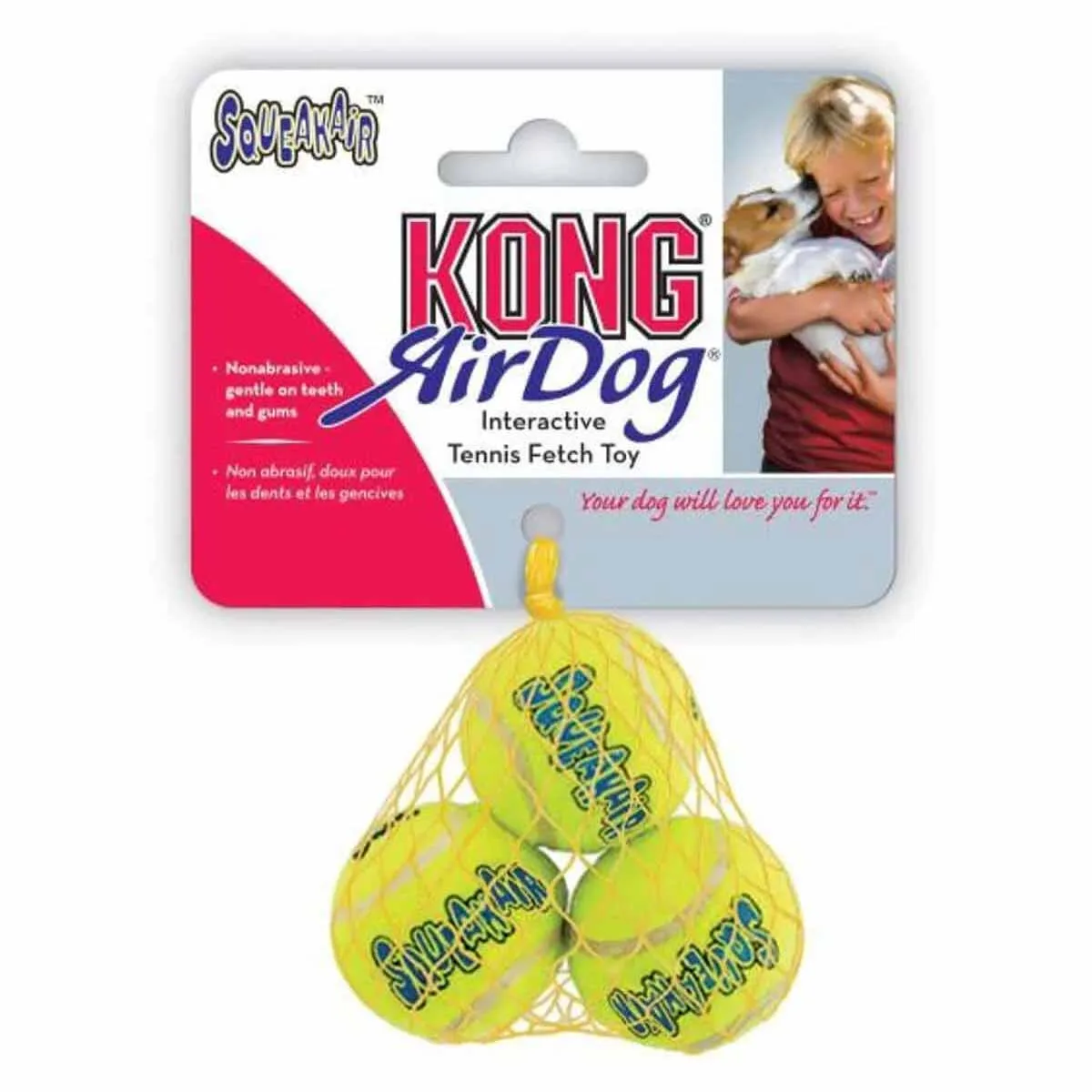
- KONG Squeakair Tennis Balls - Pack of 3: Non-abrasive tennis ball fabric with a recessed squeaker covered in fabric; floats on water; pack of 3; available in size options. Works for fetch and interactive play, and the recessed squeaker is less exposed than a standard squeaker. Choose the size option that fits your dog's mouth.
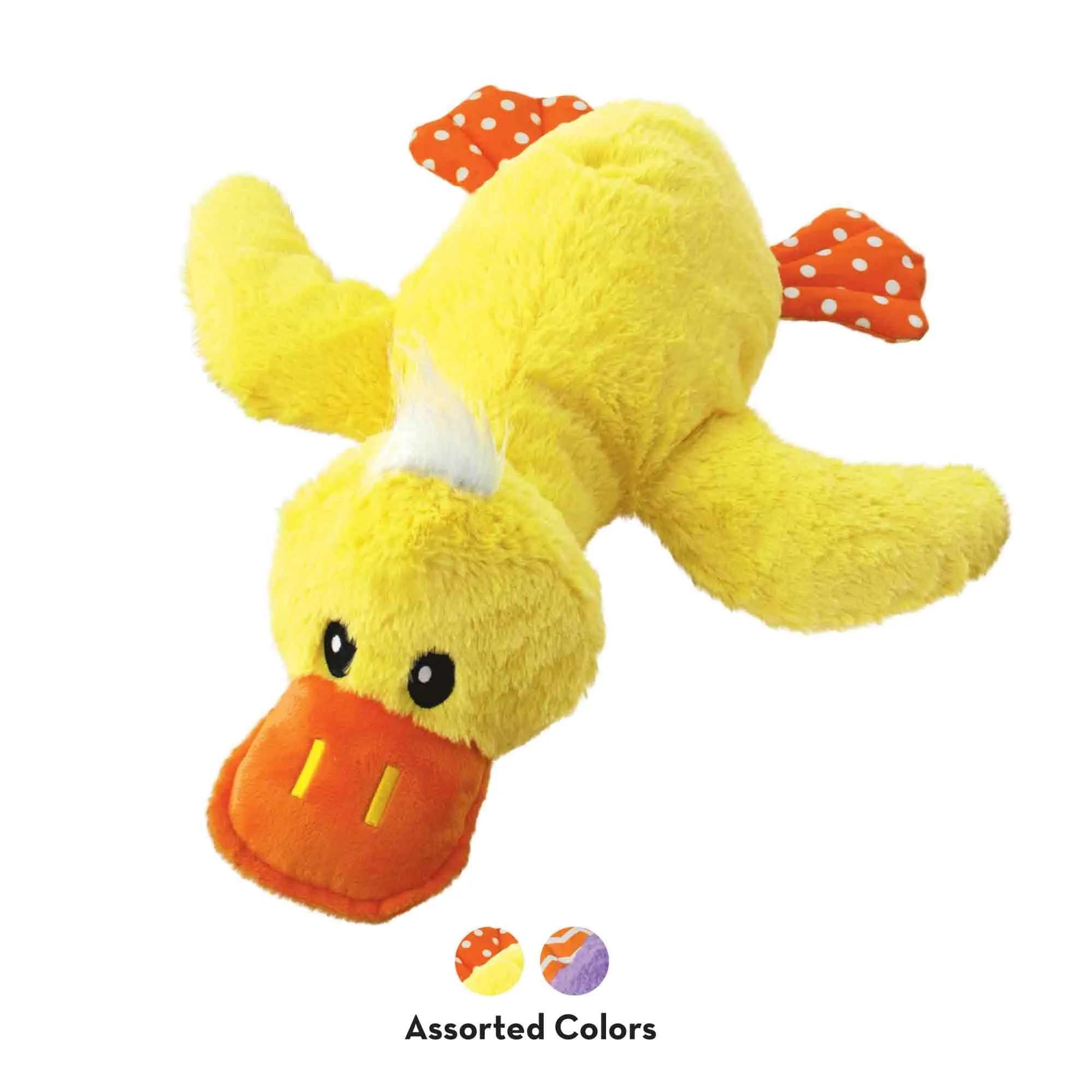
- KONG Comfort Jumbo XL Dog Toy: XL plush toy with crinkle sounds and squeakers in the body; ideal for indoor play and naptime. A better fit for dogs who enjoy soft, snuggly toys and indoor play, but not a durable chew toy for strong chewers.
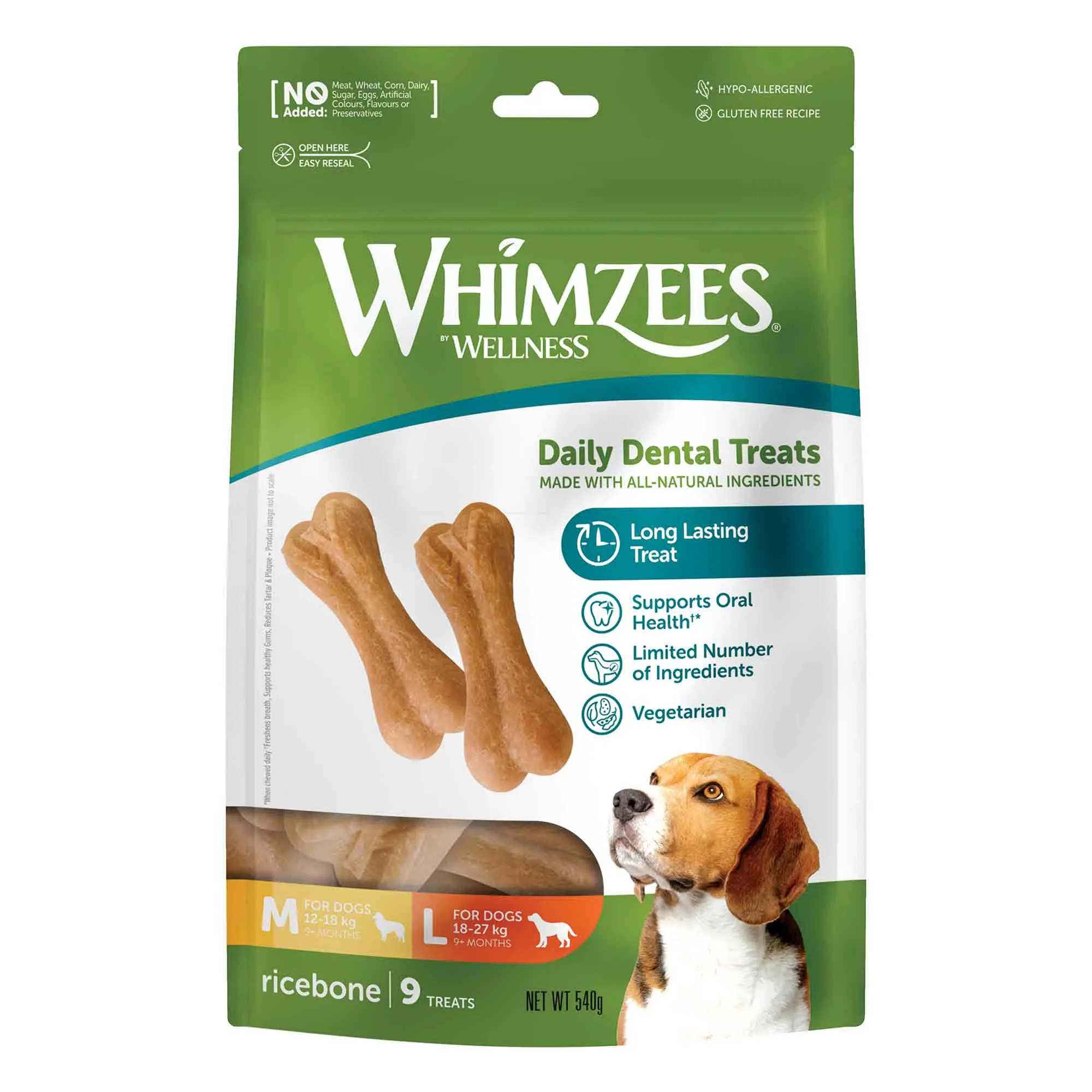
- WHIMZEES Rice Bone Dental Dog Chew Treat - 9 pack: All-natural dental chew treat; helps clean teeth and freshen breath by reducing plaque and tartar as it is chewed and moved around the mouth; 9 pack. A dental chew is a different category from a durable chew toy. Use it as part of a dental routine, not as a replacement for a long-lasting chew toy.
Who this buying approach fits
Best for
- Owners who want a repeatable way to choose dog chew toys without guessing
- Dogs who need toys matched to gentle, moderate, or strong chewing
- Homes that can supervise chewing and inspect toys regularly
Not for
- Owners looking for a single indestructible toy that can be left alone with a strong chewer
- Dogs who need a veterinary dental treatment rather than a chew toy
- Homes that cannot supervise or replace toys when they show wear