Quick answer
For most winter runs, choose thin, close-fitting dog socks when the main problem is snow packing into the paw pads, and choose insulated booties when the surface is icy, salted, or cold enough to sting. If your dog runs canicross, prioritize a low-bulk sock or bootie that stays put under a pulling harness and does not change the dog's natural gait.
Start with the surface, not the product
The right choice depends on what your dog is actually running on. Dry, fluffy snow is usually the easiest condition: a thin sock that blocks snow from balling up in the paw pads is often enough. Hard-packed trails, refrozen slush, and roads treated with salt are harder on paws and call for a bootie with a sole and some insulation. If you run the same route all winter, check it after a freeze and after a thaw, because the same trail can demand two different setups.
- Fresh powder: thin sock or no covering if paws stay warm.
- Hard-packed or icy trail: bootie with a grippy sole.
- Salted roads: bootie to block chemical contact.
- Wet, heavy snow: sock plus a bootie that sheds snow.
Socks vs. booties: what each one actually does
A dog sock for running sits against the paw and lower leg. It protects against snow packing and light abrasion, and it adds very little bulk, so it rarely changes how your dog moves. A bootie adds a sole and usually more insulation, which helps on ice, salt, and long runs in deep cold. The trade-off is that a bootie is harder to fit well and easier to lose if the fit is loose. Many winter runners carry both: socks for mild days and booties for the coldest or roughest outings.
Fit rules that prevent lost booties and rubbed paws
Measure the paw at its widest point while your dog is standing, and measure the length from the back of the pad to the tip of the longest toe. Add a small amount for fur if your dog has a thick coat between the toes, but do not size up to compensate for a bootie that feels tight in one spot. A bootie should be snug enough that you cannot twist it more than slightly, and the cuff should sit above the paw without cutting into the leg. Check after five minutes of running: if the bootie has rotated or slid down, the size or the fastening is wrong, not the dog.
- Measure both front and back paws; they are often different sizes.
- Recheck fit after the first few minutes of movement.
- Trim paw fur only if it causes matting, not as a default.
- Replace booties that twist or slip rather than tightening them excessively.
How canicross changes the decision
In canicross, your dog is pulling, so anything on the paws has to survive more force and more movement. A bulky bootie can alter the dog's stride and cause rubbing where the leg meets the bootie cuff. That is why many canicross handlers choose a thin sock or a low-profile bootie and reserve heavier booties for rest days or very cold, slow outings. If you use a belt system, keep the dog's gear simple and check the paws at the halfway point of any run where the dog is pulling hard.
Warmth, grip, and the honest limits
No sock or bootie keeps paws warm indefinitely. Insulation slows heat loss, but a dog standing still in deep cold will still get cold paws. Grip matters more on ice than warmth, and a sole that is too soft wears quickly on pavement. If your dog lifts paws, stops, or chews at the gear, that is a signal to end the run rather than a sign to add more layers. For dogs that will not tolerate anything on their paws, paw wax and shorter routes are a reasonable alternative, though wax does not protect against salt the way a bootie does.
Decision rules for winter dog paw protection
- If snow balls up in the paw pads: Choose a thin, close-fitting sock before a bootie. The goal is to block snow from packing, not to add insulation. Start with socks; move to booties only if the surface is also icy or salted.
- If the trail is icy or salted: Choose a bootie with a sole that grips and a cuff that stays above the paw. Check fit after five minutes of running. A bootie that twists is the wrong size, not a dog that needs tighter straps.
- If your dog pulls in canicross: Keep paw gear low-profile. Bulky booties can change the stride and rub where the cuff meets the leg. Reserve heavier booties for slower or shorter cold-weather outings.
- If your dog refuses paw gear: Use paw wax and shorten the route, and avoid salted roads where wax offers less protection. Comfort and a shorter run beat a forced bootie that rubs.
Product facts that matter for winter paw decisions
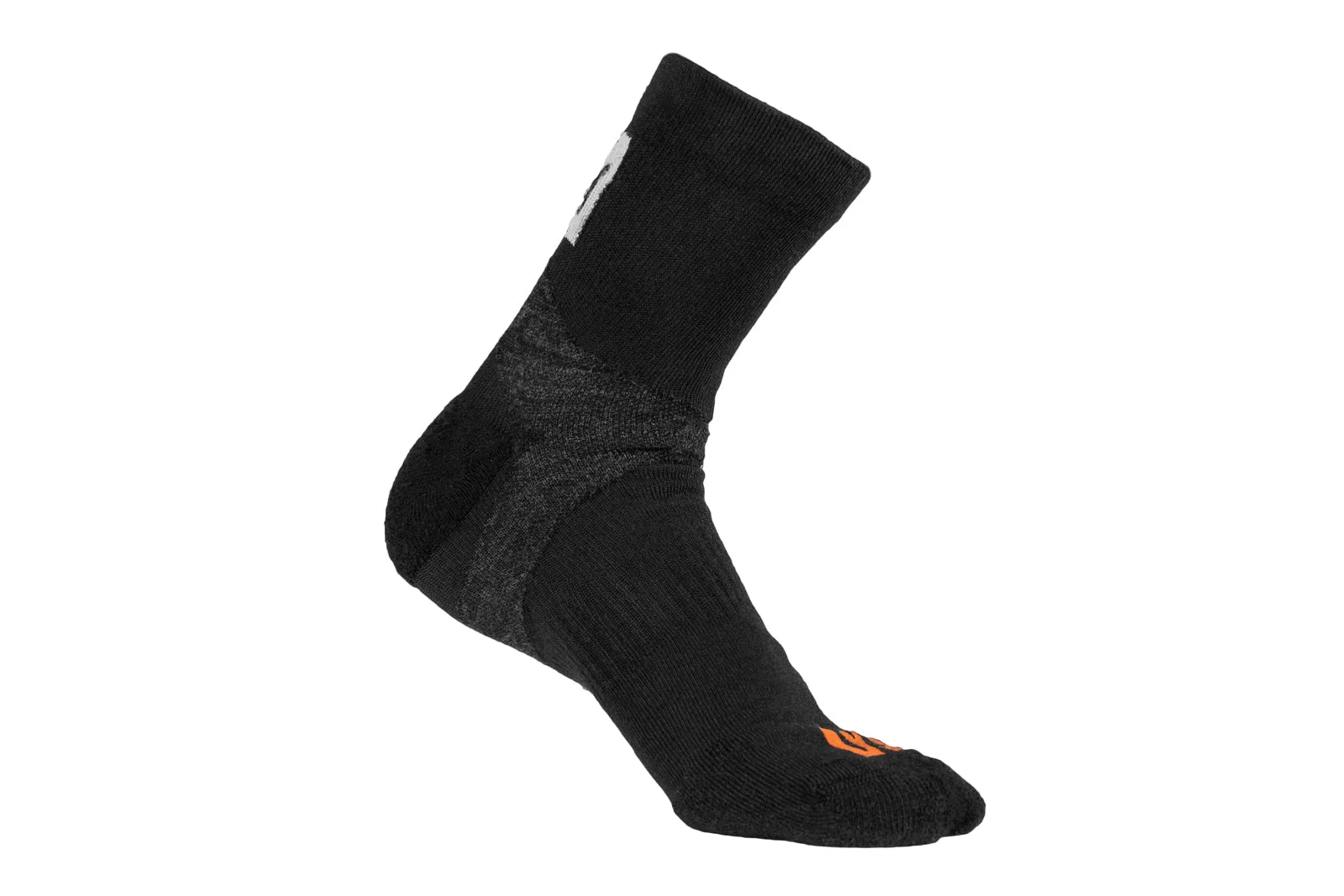
- CaniX socks: Thin and lightweight socks developed specifically for canicross with extra support around the ankles. Low bulk reduces gait changes during pulling, and ankle support helps the sock stay in place on active runs.
- CaniX long tights men's: Running tights developed specifically for canicross with unique features to ensure optimum comfort, also when running with a belt. If you run with a belt, your own clothing choice affects how often you stop to adjust gear, which affects how well paw protection stays in place.
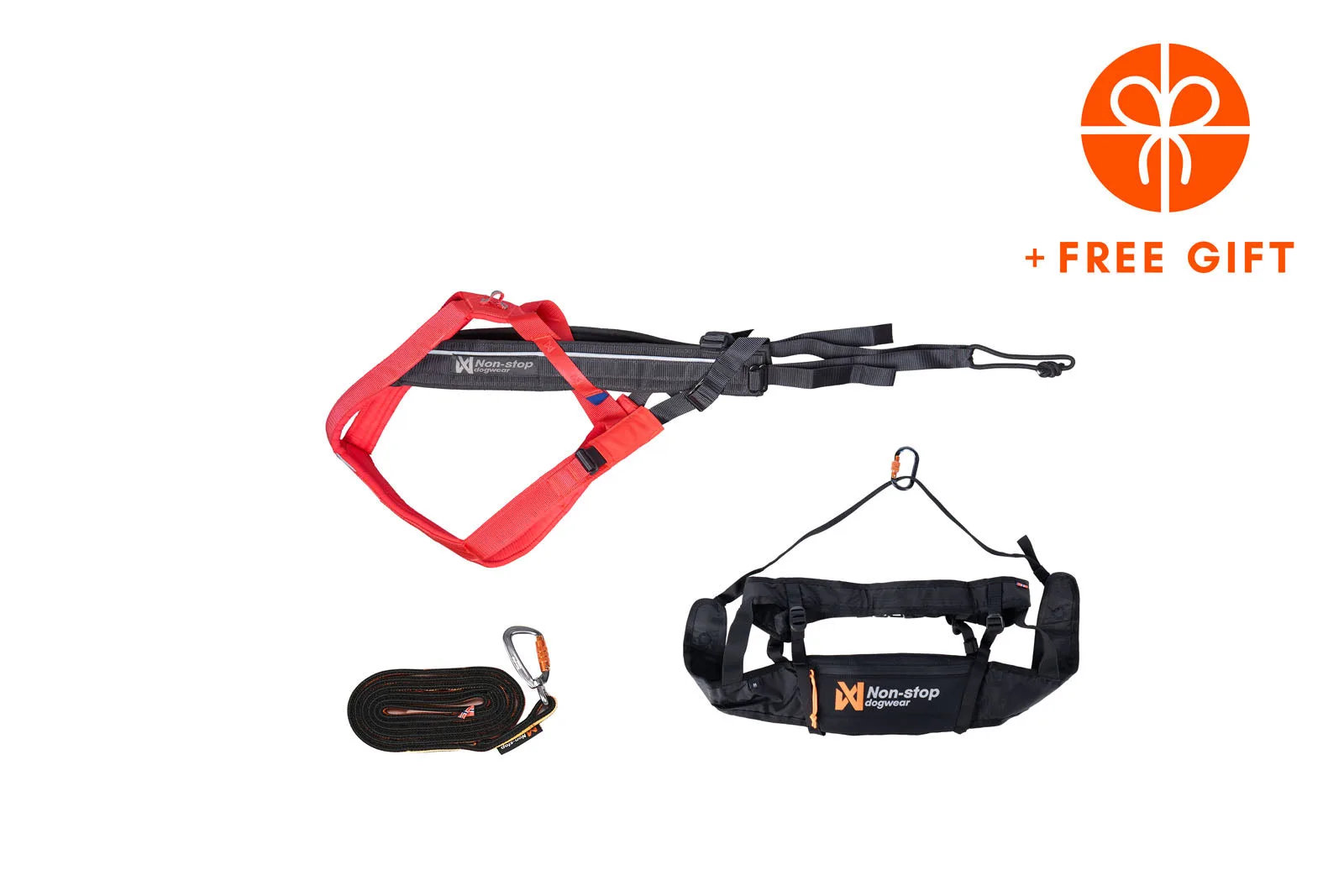
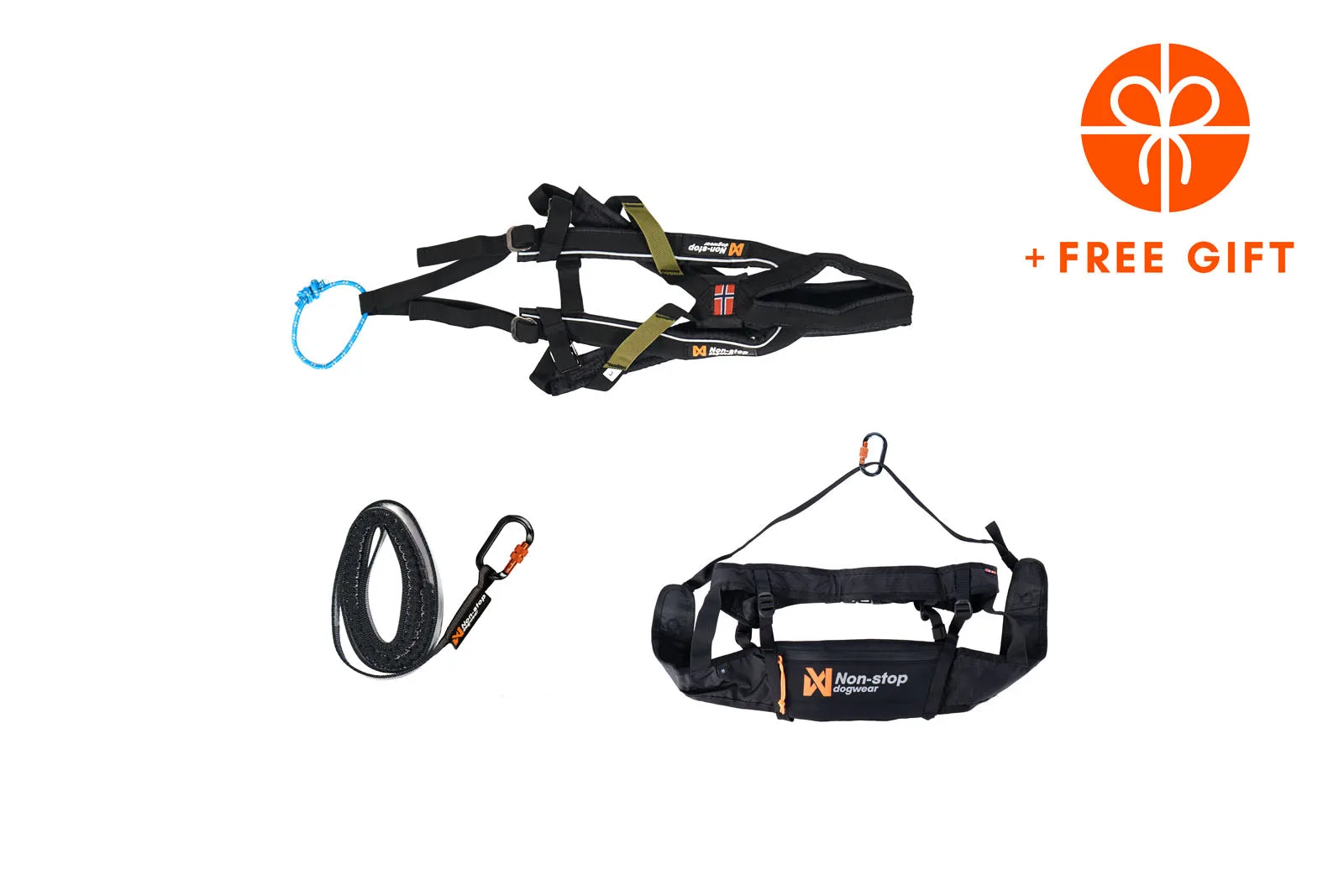
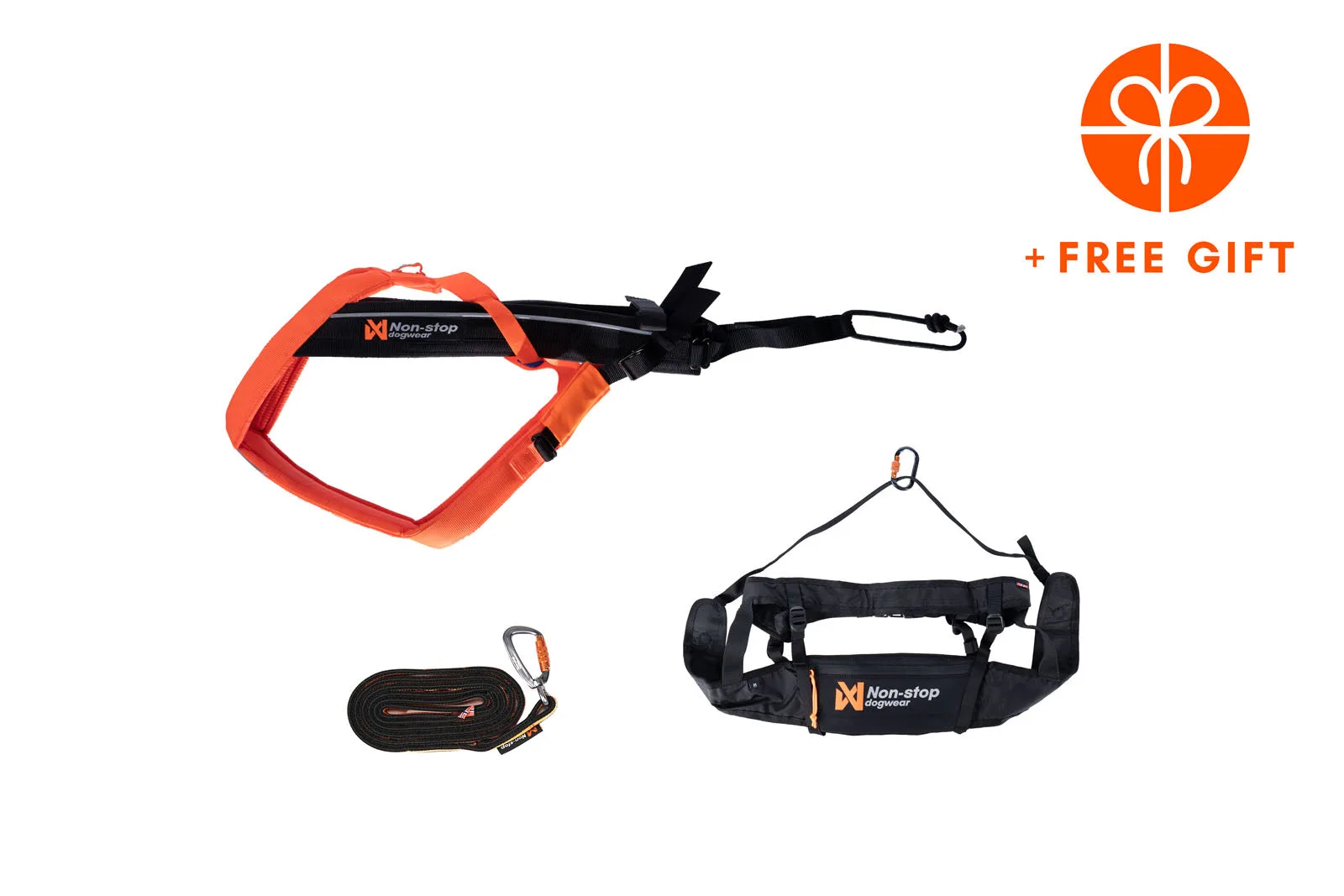
- Trail light belt: A multifunctional belt pack to store everything you need when trail running with your dog, and it can be used with or without your dog attached. A belt that carries spare booties or socks lets you swap gear mid-run instead of cutting the route short.
Who this winter paw setup is for
Best for
- Runners who train on mixed winter surfaces and want a sock-and-bootie system
- Canicross handlers who need low-bulk paw protection that stays put during pulling
Not for
- Dogs that will not tolerate anything on their paws, who should use wax and shorter routes
- Owners looking for a single bootie that works in every condition without fit checks