Quick answer
For a structured clutch or evening bag, choose a fabric that holds a crisp fold without bulk: 420D printed Hexatex or 600D heather Oxford for the exterior, and a thin ripstop or Neoflex for linings and panels. Match the print scale to the bag size, and pick hardware that suits the fabric weight. If you want a soft, slouchy clutch, use a lighter ripstop or a single layer of Neoflex instead.
A clutch is small, so every fabric choice shows. A print that looks charming on a tote can overwhelm a 10-inch envelope, and a heavy stabilizer that works in a backpack can make a clutch look lumpy. The good news: small bags use very little fabric, so you can afford to be selective and test a few options before committing.
This guide gives you decision rules, not a single answer. You will learn how to match fabric weight to the shape you want, how print scale changes the look, and which linings and zippers keep the closure clean. We will use real examples from the shop, including Hexatex, ripstop, Oxford, and Neoflex, so you can see how the specs translate into a finished clutch.
Start with the silhouette, not the print
The shape you want determines the fabric weight. A structured envelope or box clutch needs an exterior that resists collapsing, so a 420D ripstop like Hexatex or a 600D Oxford is a practical starting point. These fabrics have enough body to hold a crease and take a crisp top edge. If you want a soft, gathered, or slouchy clutch, a thinner ripstop or a single layer of Neoflex will drape instead of standing up.
Think about how the bag will be carried. A hand-carried clutch can be firmer because it does not rub against your body. A wristlet or crossbody clutch needs a little flexibility so it does not dig in. If you are unsure, make a quick mock-up in paper or scrap fabric at your finished dimensions. Fold it, close it, and see whether it holds the shape you pictured before you cut your good fabric.
- Structured clutch: choose 420D Hexatex or 600D Oxford for the exterior.
- Soft clutch: choose a lightweight ripstop or one layer of Neoflex.
- Test the fold: if the fabric cracks or bulges at the flap, go thinner or skip the stabilizer.
Match print scale to the bag size
A printed fabric clutch lives or dies by scale. Large motifs can be cut down to a single focal point, but you need to plan the placement before you cut. Small, dense prints read as texture on a clutch and are more forgiving if your pattern has darts or curved seams. If you are using a directional print, decide whether the motif should run vertically, horizontally, or sit centered on the flap.
For a printed fabric clutch, buy a little extra so you can center the design. A half yard is often enough for a simple envelope, but a print with a large repeat may need a full yard to get a clean focal cut. If the print is busy, keep the lining solid so the exterior stays the star. If the exterior is solid, a printed lining adds a surprise without competing.
- Small prints: forgiving on curves and darts; good for first clutches.
- Large prints: plan a focal cut; buy extra to center the motif.
- Directional prints: mark the top of the fabric before cutting.
Choose a lining that supports without bulk
Clutch linings have two jobs: hide the seams and add a little structure without making the bag bulky. A thin ripstop is a strong choice because it is lightweight and water-resistant, and it slides against the exterior instead of grabbing. If you want a padded, squishy feel, Neoflex V2 at 2.0mm gives you a soft interior, but it is not a domestic-machine-friendly material and it can show compression creases.
For a crisp lining, cut the lining slightly smaller than the exterior so it pulls the seam to the inside. For a soft lining, cut it the same size or slightly larger so it does not restrict the drape. If you use Neoflex, test a scrap first: it may have a light manufacturing scent that airs out, and a quick heat-press can minimize creases, but prolonged heat can slightly compress the foam. Always test on a scrap before pressing your cut pieces.
- Crisp clutch: thin ripstop lining, cut slightly smaller than the exterior.
- Soft clutch: Neoflex V2 lining, cut same size or slightly larger.
- Always test heat and needle choice on a scrap before sewing the final bag.
Pick hardware and zippers that fit the fabric
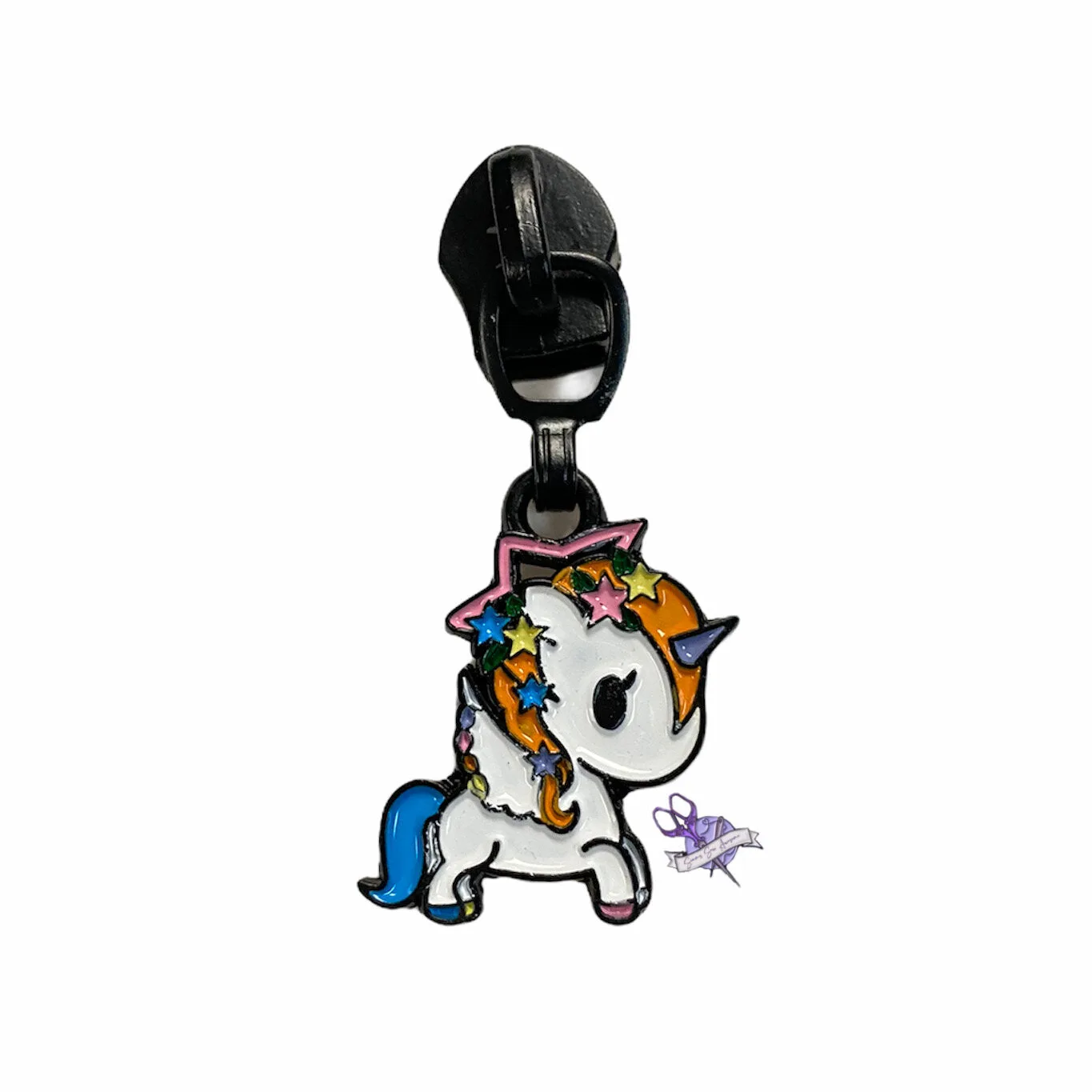
Small bags put hardware in close-up, so scale matters. A #5 nylon zipper is a common choice for clutches because it is flexible and comes in many colors. Enamel zipper pulls, like the Pegacorn pack, add a decorative touch, but they are only compatible with #5 nylon zipper tape. Check your zipper tape size before buying pulls, and remember that a metal zipper can add weight and stiffness to a soft clutch.
If your fabric is thin, use a lightweight zipper and interface the seam allowance so the zipper does not ripple. If your fabric is heavy, a #5 zipper balances the scale better than a tiny #3. For a clean top edge, sew the zipper before attaching the lining, and clip the corners rather than trimming them too close. A little extra seam allowance at the corners helps the clutch hold its shape.
- Match zipper size to fabric weight: #5 for most clutches, lighter for very thin fabrics.
- Enamel pulls are decorative; confirm they fit #5 nylon tape.
- Interface thin fabric at the zipper seam to prevent ripples.
Decide on stabilizer and interfacing
Not every clutch needs stabilizer. A 420D Hexatex or 600D Oxford exterior already has body, so adding a heavy stabilizer can make the bag stiff and bulky. For those fabrics, a light fusible or none at all may be enough. If you want a crisp envelope, a medium fusible on the exterior and a light fusible on the lining can give you a clean fold without a board-like feel.
For soft clutches, skip the stabilizer entirely and let the fabric drape. If you use Neoflex, remember it is 2.0mm thick and double-sided, with a graphic exterior and solid interior. It can replace both lining and stabilizer in a simple clutch, but it is not domestic-machine friendly. Use a Microtex needle and test your machine on a scrap before committing.
- Structured exterior: light or no stabilizer to avoid bulk.
- Crisp envelope: medium fusible on exterior, light on lining.
- Soft clutch: no stabilizer; let the fabric drape.
Decision rules for clutch fabric
- If you want a structured envelope: Choose a 420D Hexatex or 600D Oxford exterior. Add a light fusible only if the fabric still feels too soft after a mock-up. Checkpoint: the fabric should hold a folded edge without cracking.
- If you want a soft, slouchy clutch: Choose a thin ripstop or a single layer of Neoflex. Skip heavy stabilizer and let the fabric drape. Checkpoint: the bag should collapse gently, not stand up on its own.
- If you are using a printed fabric: Buy extra to center the motif. Keep the lining solid if the print is busy, and mark the top of the fabric before cutting. Checkpoint: the focal point should sit where you want it when the flap is closed.
- If you are choosing a zipper: Match zipper size to fabric weight. Use #5 nylon for most clutches and confirm that decorative pulls are compatible with #5 tape. Checkpoint: the zipper should lie flat without rippling when the bag is closed.
- If you are using Neoflex: Test your machine on a scrap first. Use a Microtex needle, expect a light manufacturing scent that airs out, and heat-press creases cautiously. Checkpoint: if your machine struggles, choose a different lining.
Fabric facts that matter for clutches
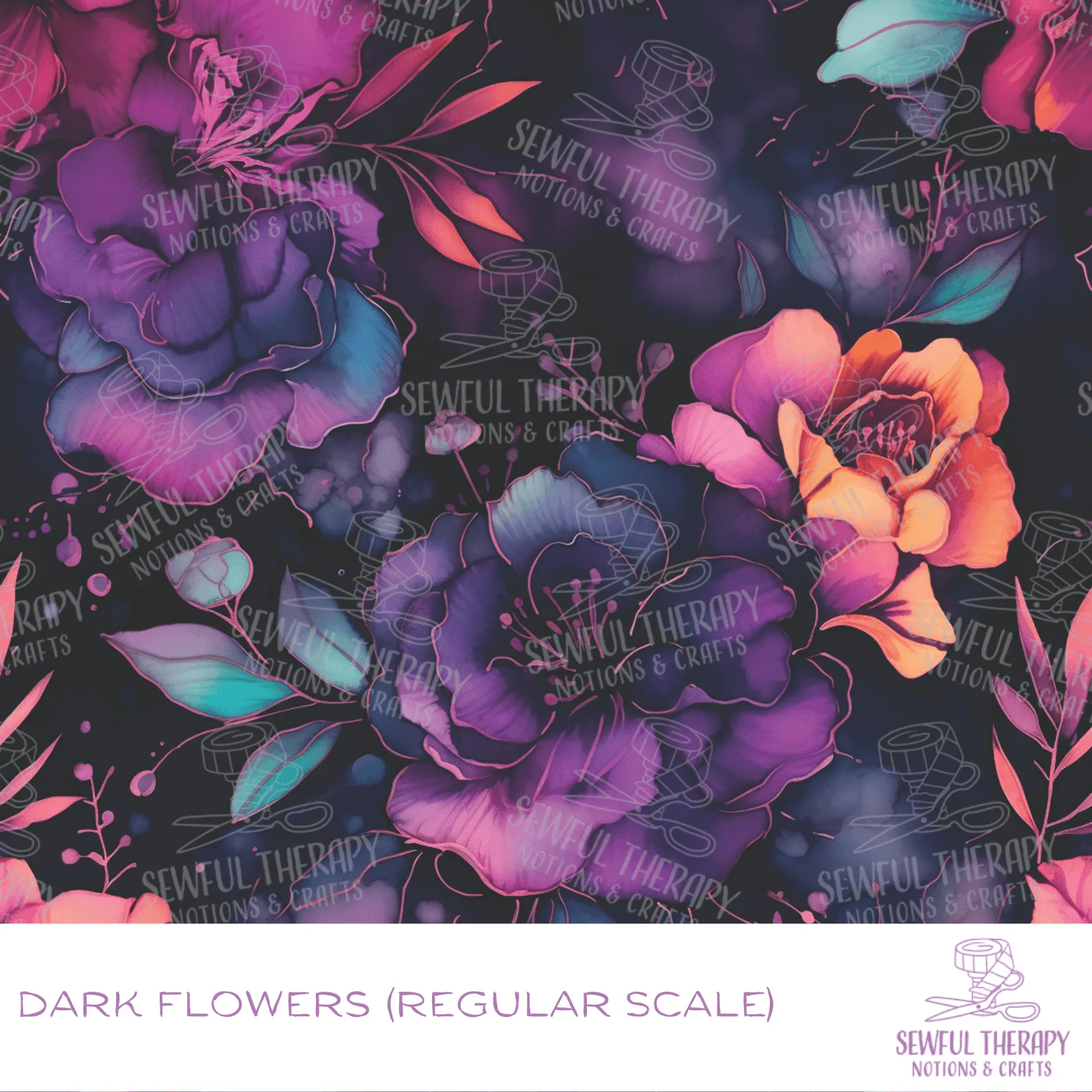
- Sewful NON-Adhesive Hexatex 420D (Yard): Dark Flowers: 420 denier polyester ripstop, sold by the yard precut, with custom printed designs. The 420D weight gives a clutch enough body to hold a crisp shape, and the print lets you make a printed fabric clutch without adding a separate exterior layer.
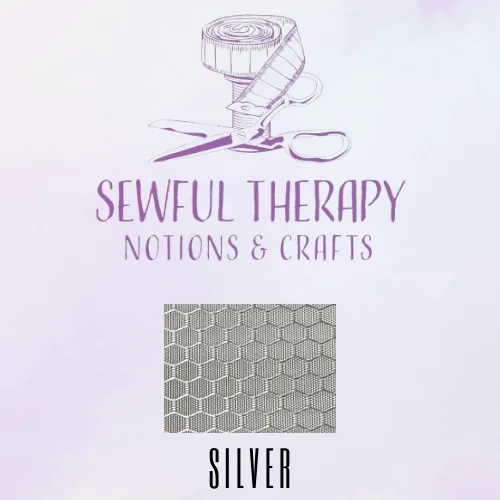
- Adhesive Hex Polyester Ripstop 420D (HALF Yard) Silver: Ultrathin, water-resistant ripstop with a sleek finish, available in a half yard. A half yard is a practical size for a clutch lining or a small exterior panel, and the water-resistant finish helps protect the bag from spills and damp hands.
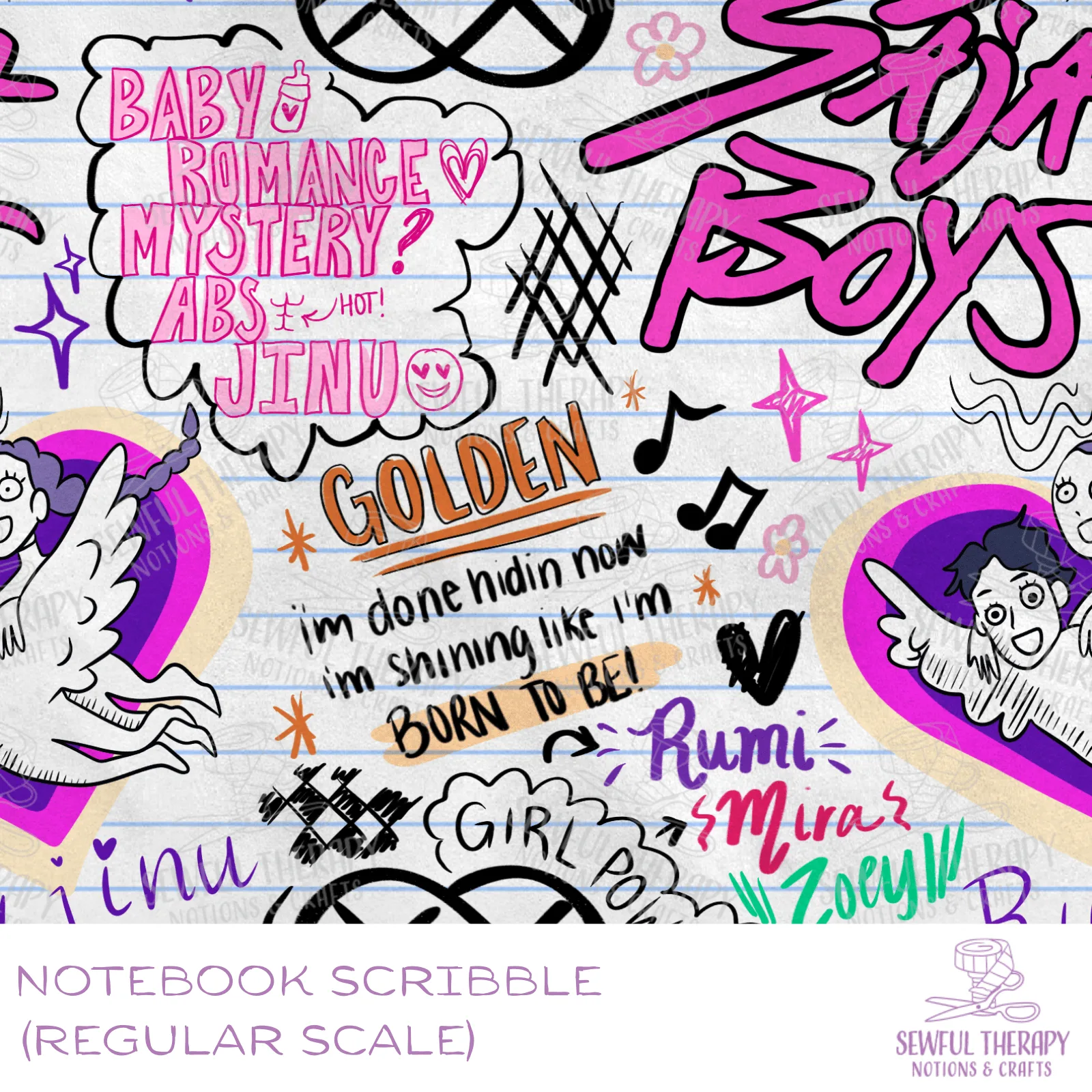
- Notebook Scribble Neoflex V2 (2.0mm Thick) Half Yard: Double-sided Neoflex V2, 2.0mm thick, graphic exterior and solid interior, not domestic-machine friendly, Microtex needle recommended. It can replace both lining and stabilizer in a soft clutch, but you need a machine that can handle the thickness and a Microtex needle to avoid skipped stitches.
- Pegacorn (Pack of 3) #5 Enamel Zipper Pull (Pack of 3): Double-sided enamel zipper pulls, compatible only with #5 nylon zipper tape, sold as a pack of 3. A quick way to add a decorative finish to a clutch, but you must use #5 nylon zipper tape or the pulls will not fit.
Who should choose which fabric
Best for
- Sewists who want a structured clutch with a crisp fold and a printed exterior.
- Bag makers who want a soft, lightweight clutch that packs flat.
- Anyone making a first clutch who wants a forgiving, small-scale print.
Not for
- Sewists who need a washable, heavy-duty everyday bag; choose a heavier Oxford or canvas instead.
- Makers who only have a basic domestic machine and want to use 2.0mm Neoflex as a main material.
- Anyone who wants a single fabric to do everything; clutches work best with a considered exterior and lining pairing.
A clutch is a small project, so the fabric does most of the design work. Decide on the silhouette first, then choose an exterior that supports it, a lining that does not fight it, and hardware that fits the scale. Test your choices on a scrap before you cut, and you will get a bag that looks intentional from every angle.