Quick answer
Match the fabric's weight and drape to the garment shape you want, then check the care instructions before you buy. For a first garment, choose a stable woven like cotton or a cotton blend in a light-to-medium weight. Avoid slippery or highly stretchy fabrics until you have sewn a few simple projects.
Choosing fabric for clothing gets easier when you stop shopping by print and start shopping by behavior. Ask yourself how the fabric will hang, how it will feel against your skin, and how you will wash it. Those three answers narrow the options fast.
This guide gives you decision rules for common garments, plus honest trade-offs. You will also see how specific fabrics from Crosscut Sewing Co. fit into real projects, so you can compare before you cut.
Start with the garment, not the fabric
The same fabric can look polished in one pattern and limp in another. A structured jacket needs a fabric with some body, while a gathered skirt needs fabric that drapes and folds softly. Before you buy, read the pattern's recommended fabrics and compare them to the garment's silhouette. If the pattern calls for a lightweight woven and you choose a heavy canvas, the seams will be bulky and the fit will change.
Write down three things: the garment type, the desired silhouette, and the season you will wear it. That short list tells you whether you need a stable woven, a stretch knit, or something in between. It also keeps you from falling for a beautiful print that cannot do the job.
- Skirts and dresses: look for drape and movement.
- Structured tops and jackets: look for body and recovery.
- Everyday tees: look for softness and slight stretch.
Understand weight and drape
Fabric weight is usually given in ounces per square yard. A 5 oz. per square yard fabric is a medium weight that works for shirts, light pants, and simple dresses. Lighter weights feel airy but can show every seam and wrinkle. Heavier weights hold a shape but can be stiff at the neckline and cuffs. Drape is how the fabric falls under its own weight. Hold a yard at one corner and let it hang. If it forms soft folds, it drapes. If it stands out, it has body.
For a first garment, aim for a medium weight with moderate drape. It is forgiving to cut and sew, and it does not slide around like silk or chiffon. If you want a flowy dress, choose a lightweight woven and be prepared to stabilize the neckline and hem.
- Medium weight: easiest to sew and press.
- Lightweight: needs careful seam finishing.
- Heavyweight: best for structured shapes, not gathers.
Check fiber content and care
Fiber content tells you how the fabric will wash, breathe, and wear. Cotton is breathable and easy to press, but it can shrink unless it is preshrunk. Polyester adds durability and wrinkle resistance, but it can feel less breathable. Blends like 55% cotton and 45% polyester balance softness with shape retention, which is why they are common in everyday apparel. Always read the washing instructions before you buy. If a fabric says machine wash cold and tumble dry low, that is a realistic care routine for most beginners.
If you cannot find care instructions, treat that as a limitation. You can pre-wash a swatch to test shrinkage, but you cannot guess how a fabric will behave after repeated washing. When in doubt, choose a fabric with clear care instructions.
- Pre-wash cotton and cotton blends before cutting.
- Test a small swatch for shrinkage and color bleed.
- Choose fabrics you are willing to wash and iron.
Match fabric to common garments
For dresses, drape matters most. A medium-weight canvas can work for a structured dress or pinafore, while a lightweight batik or quilting cotton suits a simple gathered dress. For tops, a soft cotton blend or a stable knit gives comfort without clinging. For pants, look for a fabric with some body and recovery so the knees do not bag out. For skirts, a fabric with soft folds creates movement, while a crisp fabric holds an A-line shape.
If you are sewing for a child or a beginner project, choose a fabric that presses well and does not fray excessively. Tightly woven cottons and cotton blends are the most predictable. Save slippery satins and stretch velvets for later.
- Dresses: medium-weight wovens with drape.
- Tops: soft cotton blends or stable knits.
- Pants: medium-weight wovens with body.
- Skirts: lightweight to medium-weight wovens.
Fit guidance: how fabric changes the fit
Fabric affects fit as much as the pattern. A stiff fabric will stand away from the body and can make a garment feel tight across the bust or hips. A drapey fabric will follow your curves and can make a loose pattern look oversized. If you are between sizes, choose the size based on the finished garment measurements and the fabric's stretch. For woven fabrics with no stretch, you need wearing ease. For knits, negative ease allows the fabric to hug the body.
Always make a test garment in an inexpensive fabric before cutting your good fabric. This is called a muslin, and it shows you where the fabric pulls, sags, or bunches. If you skip this step, you may blame the pattern when the fabric is the real issue.
- Wovens: choose a size with at least 2 inches of ease at the bust.
- Knits: choose a size with negative ease for a close fit.
- Structured fabrics: avoid tight fits unless the pattern is designed for them.
Decision rules for choosing clothing fabric
- If you want an easy first garment: Choose a medium-weight woven with little to no stretch, such as a cotton chambray or a stable cotton. Avoid slippery fabrics and stretch knits until you have sewn a few seams. Checkpoint: can you press it flat and sew a straight seam without it shifting?
- If you want a flowy dress: Look for lightweight wovens with drape, like batik or voile. These fabrics move with you but can be more challenging to cut and sew because they shift. Use a rotary cutter and pattern weights to keep the fabric stable.
- If you want a structured jacket or pinafore: Choose a medium-weight canvas or a fabric with body. These hold a shape and resist wrinkling, but they can be bulky at seams. Use a walking foot if your machine has one. Verdict: structured fabrics are worth the extra pressing time for a polished result.
- If you are unsure about care: Pick a fabric with clear washing instructions, like machine wash cold and tumble dry low. Pre-wash a swatch to test shrinkage before cutting your garment. Next step: keep a small notebook of how each fabric washes so you can choose confidently next time.
Fabric facts from our catalog
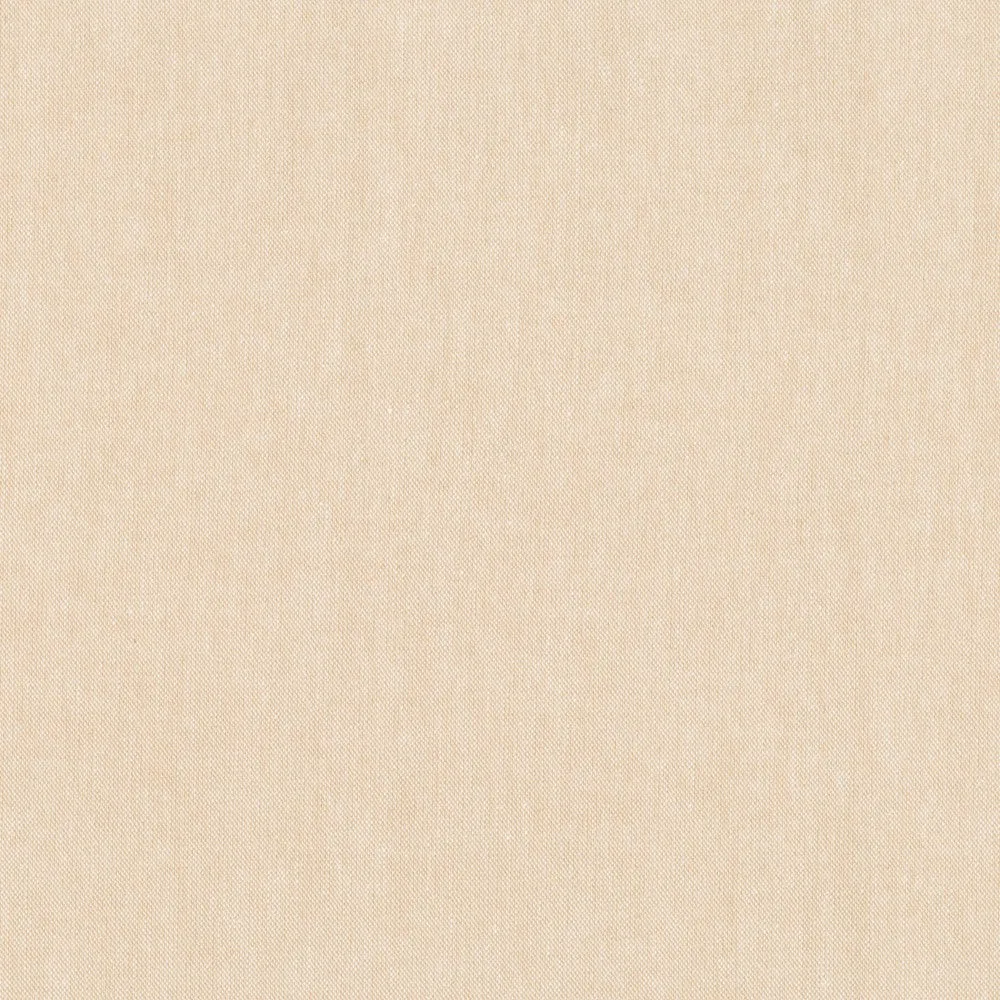
- Worker Chambray in Sand 7 from Robert Kaufman: Contents: 55% COTTON 45% POLYESTER. Width: 44'' wide. Weight: 5 oz. per square yard. This medium-weight blend is a practical choice for shirts, light pants, and simple dresses. The cotton-poly blend helps with wrinkle resistance and shape retention, while the 5 oz. weight gives enough body for structured details without being stiff.
- Pacific Brown Organic Canvas from Belize by Lauren Poole for Paintbrush Studio Fabric: A medium-weight canvas that's versatile and lightweight enough to be used for sewing apparel and home decor projects. Canvas can work for garments that need structure, such as jackets, pinafores, and tote bags. Because it is medium-weight, it holds a shape but still moves. It is not the best choice for gathered skirts or flowy dresses unless you want a very structured look.
- Dashes Violet Multi from Dots & Dashes Batik Fabric by Benartex: Width: 43/44 inches. 100% Cotton. Triple-dyed Bali Batiks. This lightweight cotton batik is a good match for dresses, tops, and quilting projects. The hand-dyed process means each piece is unique, so expect slight variations in color. It presses well and is easy to sew, but it has less drape than a rayon or silk.
Fit guidance: match fabric to your body and pattern
Best for
- Beginners who want a predictable fabric that presses well and does not shift.
- Everyday garments like shirts, simple dresses, and elastic-waist skirts.
- Sewists who prefer machine washable fabrics with clear care instructions.
Not for
- Projects that require high stretch or recovery, such as leggings or swimwear.
- Formal wear that needs drape and shine, like silk or satin.
- Anyone unwilling to pre-wash or test a swatch before cutting.
Choosing fabric for clothing comes down to matching weight, drape, and care to the garment you want to make. Start with a medium-weight woven, test a swatch, and make a muslin if the fit matters. With a few projects behind you, you will know at a touch whether a fabric will work.