Quick answer
For most wallet makers, the best fabric for wallet making depends on the wallet's role: use a stable canvas or 600D oxford for the exterior and card slots, a lightweight ripstop for linings and fold pockets, and a non-adhesive Hexatex when you want a thin, water-resistant, leather-like hand without adding bulk. If you are unsure, start with a mid-weight canvas for structure and a ripstop for the interior.
A wallet is a small project with big demands: it has to fold, hold its shape, survive pockets, and still feel slim. The fabric you choose affects every one of those traits, and the wrong pick shows up as bulky seams, fraying card slots, or a wallet that flops open. This guide gives you concrete decision rules for canvas, ripstop, and Hexatex so you can match the material to the pattern instead of guessing.
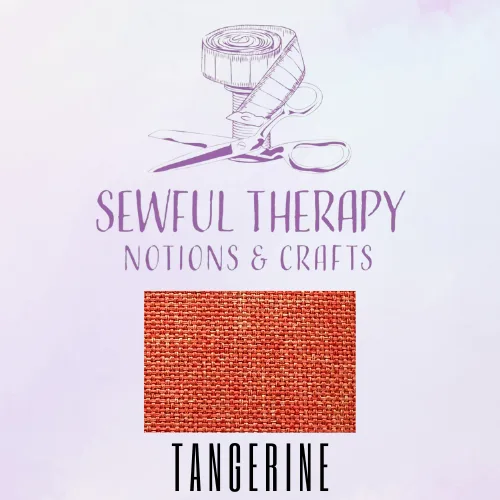
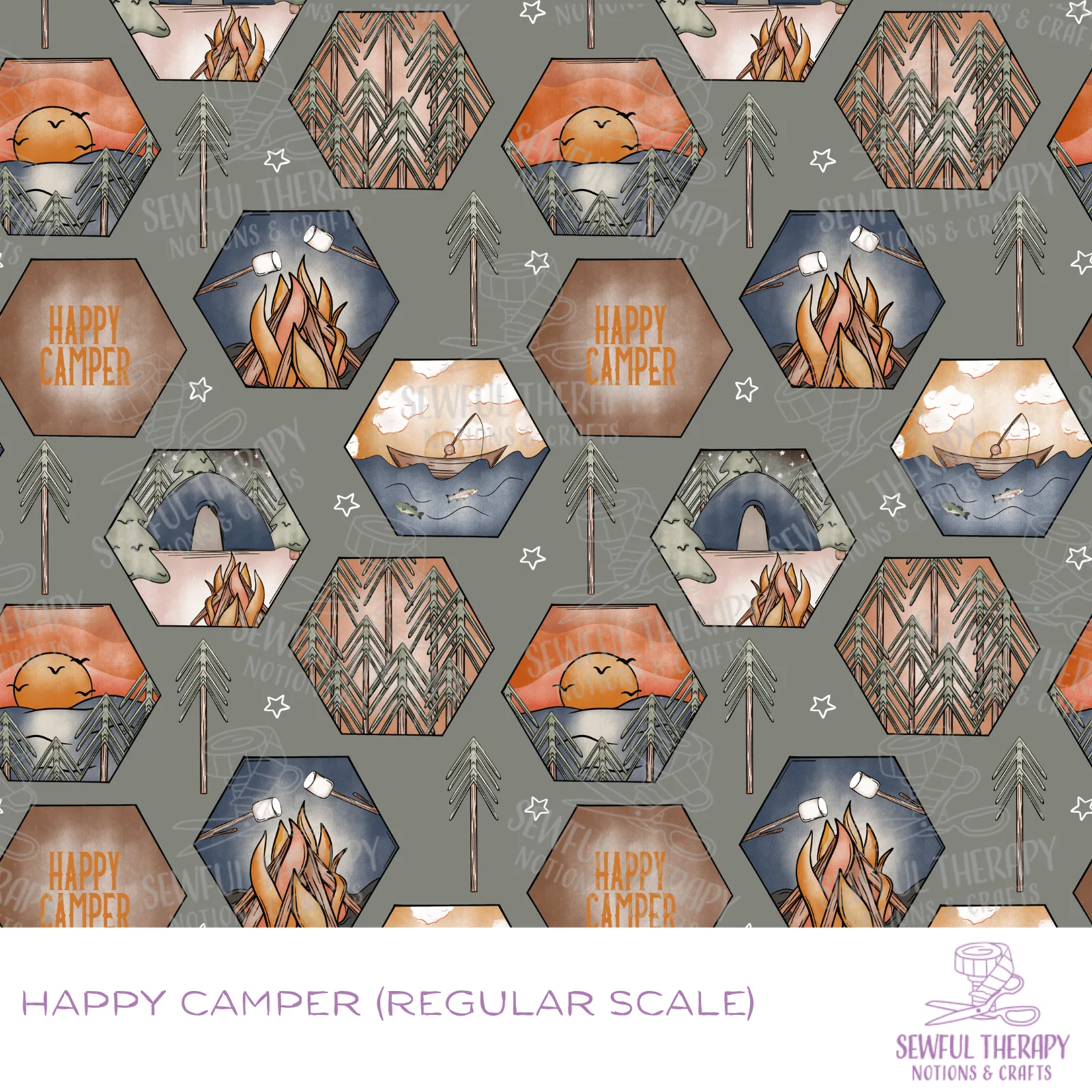
You will also see how specific products in our catalog fit those rules, including Hex Polyester Ripstop Golden Lemon 420D (Yard), Happy Camper Hexatex (YD), and 600D HEATHERED OXFORD - Tangerine. Use the rules first, then the product facts to confirm your choice.
Start with the wallet's job, not the fabric name
Before you pick a fabric, decide what the wallet must do. A bifold that lives in a front pocket needs thin materials and low seam bulk. A zip-around wallet can handle a slightly thicker exterior because the zipper tape and lining distribute stress. A cardholder or small wallet is mostly card slots, so the fabric must resist stretching and fraying at the top edge.
Write down three constraints: maximum closed thickness, whether the wallet will be washed or wiped, and how much structure you want when it is empty. Those answers point to a fabric family faster than any swatch photo. If you cannot answer them yet, make a quick mock-up in paper or muslin before you cut into good fabric.
- Thin wallet: prioritize ripstop or a lightweight canvas for the interior and a thin exterior.
- Structured wallet: choose a mid-weight canvas or 600D oxford with a stable backing.
- Wipe-clean wallet: look for water-resistant finishes and avoid highly absorbent fabrics.
Canvas and oxford: the structure builders
Canvas and oxford weaves give wallets their shape. A mid-weight canvas holds a crease, supports card slots, and keeps a bifold from collapsing when you open it. Heathered oxford with a PVC backing adds even more body and a wipe-clean surface, which is useful for the exterior of a wallet that sees daily pocket wear.
The trade-off is bulk. Thicker canvas and backed oxford add millimeters at every fold, and those millimeters multiply once you add lining, interfacing, and card slots. If your pattern already includes firm interfacing, choose a lighter canvas or skip the backing to avoid a wallet that will not close flat.
- Use canvas for the exterior and card slot layers when you want a crisp, structured wallet.
- Skive or trim seam allowances on thick canvas to reduce bulk at the fold.
- If the canvas is heavily backed, test a small fold before committing to the full wallet.
Ripstop: the thin, water-resistant lining option
Ripstop is a lightweight, water-resistant fabric with a grid of reinforcement threads that helps stop tears from spreading. In wallets, it shines as a lining, a pocket layer, or a fold-over flap where you want strength without thickness. It also slides easily, which makes it a good choice for card pockets that need to stay flat.
The catch is that ripstop is not a structure builder. On its own, a ripstop wallet exterior will feel floppy and may show wrinkles at the fold. Pair it with a stable exterior fabric or add a light interfacing if the pattern calls for it. Also check the hand: some ripstop is slick and thin, which is great for linings but can be tricky to keep aligned during sewing.
- Use ripstop for linings, hidden pockets, and fold pockets where bulk matters.
- Do not rely on ripstop alone for a structured exterior unless the pattern adds support.
- A water-resistant ripstop is a practical choice for wallets that may get damp.
Hexatex: thin, water-resistant, and leather-like
Hexatex is a non-adhesive, hexagon-textured material often used for bag making, and it translates well to wallets when you want a thin, water-resistant exterior with a subtle leather-like look. Because it is non-adhesive, you can sew it without fighting a sticky backing, and its texture hides minor creases and wear.
The main limitation is that Hexatex is not a heavy structural fabric. It works best as an exterior layer over a stable lining or as a decorative accent on a wallet that already has support from canvas or interfacing. If your pattern needs a firm, self-supporting wallet, use Hexatex as the outer shell and let canvas or oxford do the structural work underneath.
- Choose Hexatex when you want a thin, wipe-friendly exterior with visual texture.
- Use a stable lining or interfacing behind Hexatex if the wallet must stand up on its own.
- Test needle and stitch length on a scrap; textured surfaces can show perforations.
Match fabric to wallet parts
A single wallet often uses two or three fabrics. The exterior needs abrasion resistance and structure, the card slots need thinness and edge stability, and the lining needs to be smooth and lightweight. Mixing a structured canvas exterior with a ripstop lining and a Hexatex accent is a common, practical combination.
If you are making a small wallet, keep every layer thin. A cardholder with four slots can become unusable if each slot is cut from heavy canvas. Use ripstop or a lightweight canvas for the slot layers and save the heavier fabric for a single exterior panel.
- Exterior: canvas, oxford, or Hexatex over a stable lining.
- Card slots: lightweight canvas or ripstop to reduce bulk.
- Lining: ripstop or a smooth, thin fabric that does not add thickness.
Test before you cut
Fabric behavior changes once it is folded, layered, and stitched. Before cutting your final pieces, sew a small sample with the exact combination you plan to use: exterior, interfacing, lining, and a card slot. Fold it, close it, and check the thickness at the fold. This five-minute test prevents a finished wallet that will not stay closed.
Pay attention to how the fabric takes a crease and whether it frays. Canvas and oxford generally fray less than loose-weave fabrics, while ripstop can ravel at raw edges if not enclosed. Hexatex holds its shape but may show needle marks, so use a fresh needle and a slightly longer stitch length.
- Sew a layered sample and fold it to check closed thickness.
- Finish raw edges of ripstop by enclosing them in a seam or binding.
- Change to a fresh needle when sewing textured or coated fabrics.
Decision rules for wallet fabric
- If the wallet must stay thin: Choose ripstop for the lining and card slots, and use a single layer of lightweight canvas or Hexatex for the exterior. Avoid PVC-backed oxford in every layer. Thin wallets fail from accumulated layers, not from one thick fabric.
- If the wallet must hold its shape: Use a mid-weight canvas or 600D oxford with a stable backing for the exterior, and keep the lining thin. Add interfacing only where the pattern needs it. Structure belongs in the exterior and interfacing, not in every slot.
- If the wallet must resist moisture: Pick a water-resistant ripstop or a PVC-backed oxford for the outer layer, and avoid highly absorbent fabrics for the parts that get handled most. Water resistance is a surface property, so put it on the outside.
- If you want a leather-like look without leather: Use Hexatex as a thin exterior over a stable lining. It is non-adhesive, so you can sew it without a sticky backing, but it will not self-support. Hexatex is a finish layer, not a foundation.
- If you are making a small wallet or cardholder: Cut card slots from ripstop or lightweight canvas and reserve thicker fabric for a single exterior panel. Test a folded sample before cutting all pieces. Small wallets punish bulk faster than large ones.
Catalog facts that affect your choice
- Hex Polyester Ripstop Golden Lemon 420D (Yard): Polyester ripstop 400D fabric, available by the yard, described as durable and ultrathin with a sleek, slick finish and water-resistant nylon ripstop suitable for lining or exterior projects. Its thin, water-resistant hand makes it a strong candidate for wallet linings and fold pockets where bulk is the enemy, though it is not a structure builder.
- Happy Camper Hexatex (YD): Hexatex sold by the yard, with base shipping starting at $11.99 and overages refunded; international orders require a $30 shipping deposit. If you are ordering a small quantity for a wallet project, factor in shipping cost and the refund policy so a single-yard purchase stays economical.
- 600D HEATHERED OXFORD - Tangerine: 1 quantity equals one half-yard roll approximately 18" x WOF (52"-54"), 0.4mm thick, PVC backing; limited-time offer of 10 rolls for $100. The PVC backing and 0.4mm thickness give this oxford real structure and a wipe-clean surface, making it a good exterior choice for a wallet that needs to hold its shape.
- Weft & Warp Slick - Charcoal Grunge Floral (Yard): Bonded poly nylon, precut 1 yard 36" x WOF, with a note that additional postage may be due for vinyl when the order is ready to ship. A bonded poly nylon can add a durable, slick exterior layer, but the potential extra postage is a reminder to plan your order size before checkout.
Who should choose which fabric
Best for
- Makers sewing a first wallet who want a forgiving, structured exterior and a thin lining.
- Sewists who need a wipe-clean, water-resistant wallet for daily pocket carry.
- Bag makers who want a leather-like Hexatex exterior without adding bulk.
Not for
- Sewists looking for a single fabric that does everything; wallets usually need two or three layers.
- Makers who want a soft, unstructured wallet with no interfacing or stable exterior.
- Anyone unwilling to sew a test sample before cutting final pieces.
Choose your wallet fabric by the job each layer must do: structure on the outside, thinness on the inside, and water resistance where it counts. Start with a mid-weight canvas or oxford for the exterior, ripstop for linings and slots, and Hexatex when you want a thin, textured finish. Test a folded sample, then commit to your cuts.