Quick answer
Match the fidget to the setting first, then to the sensory need. For classrooms and libraries, choose quiet, low-profile options that stay in one hand and make no noise. For travel, prioritize small, self-contained pieces with no loose parts. For kids who need heavy input, look for textured or resistance-based fidgets. If you are unsure, start with a small, inexpensive multi-piece brainteaser set and a compact construction kit so you can test what actually holds attention.
Start with the setting, not the toy
The most common mistake is buying a fidget that feels great in the store but gets confiscated in class or lost in a backpack. Before you compare textures or colors, decide where the fidget will live. A desk fidget needs to be silent, stay in one hand, and not roll onto the floor. A travel fidget needs to be small enough for a pocket or zip pouch and durable enough to survive being squished. A home fidget can be bigger, louder, and messier because there is no audience.
Write down the three places your child will use it most. If two of those places are quiet, your default should be a quiet fidget. If most use happens at home or in a car, you have more freedom to choose textured or mechanical options that provide stronger feedback.
Match the sensory need to the fidget type
Sensory seekers often need one of four kinds of input: touch, movement, resistance, or visual tracking. Touch seekers gravitate toward squishy, bumpy, or smooth surfaces. Movement seekers want pieces that spin, click, or slide. Resistance seekers prefer something they can push, pull, or squeeze. Visual seekers like watching a pattern change or a piece snap into place.
A single fidget rarely covers all four. That is why a small collection works better than one expensive item. A compact brainteaser can satisfy problem-solving and touch, while a take-apart construction set gives resistance and movement through assembly. Rotating between two or three options also prevents habituation, where a fidget stops working because the brain has fully predicted it.
Quiet fidgets for classrooms and shared spaces
In a classroom, the goal is to redirect restless energy without becoming a distraction to anyone else. Look for fidgets with no loose parts, no rattling beads, and no clicking mechanisms that can be heard across a room. Silicone or fabric textures are usually quieter than metal or hard plastic. If a fidget has a case, choose one that opens silently or stays closed during use.
Teachers often allow fidgets that stay below the desk and in one hand. Practice using the fidget with the non-dominant hand while writing or reading. If your child needs two hands to operate it, it will compete with schoolwork rather than support it.
Travel and on-the-go fidgets
Travel fidgets have three jobs: stay contained, stay quiet, and survive being dropped. Small zip bags and pocket-sized cases solve the containment problem because pieces do not scatter under a car seat. Avoid fidgets with tiny removable parts if your child is likely to lose them. A self-contained puzzle or a micro-brick kit in a reusable bag is easier to manage than a loose collection of spinners and cubes.
For flights and long drives, bring two different fidgets so you can switch when attention fades. Keep them in separate pockets or pouches so you are not digging through a bag one-handed.
Age, safety, and durability checks
Check the manufacturer age rating before buying. Small parts are a choking hazard for children under three, and even older kids can be rough on hinges and clips. Look for fidgets with smooth edges and no exposed springs. If a fidget has a metal pin or screw, check it periodically and tighten it before it falls out.
Durability matters more than novelty. A fidget that breaks in a week creates frustration, not focus. Simple designs with fewer moving parts usually last longer than complex mechanical toys with many small components.
Decision rules for choosing a fidget
- If the fidget must be silent: Choose a brainteaser or a soft-textured fidget with no clicking or rattling parts. Avoid metal spinners and hard plastic cubes that echo on a desk. Test it in a quiet room before sending it to school.
- If the fidget must travel: Choose a self-contained option in a zip bag or pouch, with no loose pieces that can roll under a seat. Pack two different fidgets for longer trips.
- If your child needs heavy sensory input: Choose a take-apart or build-and-rebuild toy that requires pushing, pulling, or assembling. These provide resistance and movement that a simple squishy toy cannot. Reserve these for home or free time if they are noisy.
- If you are buying for a first-timer: Start with one quiet brainteaser and one small construction kit. Watch which one gets used without prompting, then buy a second of that type. Do not buy a large set until you know the preferred sensory input.
Fidget-friendly picks from the catalog
- Toysmith Bamboozlers Puzzle: Toysmith Bamboozlers Puzzle is a brainteaser that challenges problem-solving skills and keeps hands and minds engaged. A quiet, low-profile option for kids who need a mental and tactile challenge without classroom noise.
- Small Zip Bag Pug: The BRIXIES Small Zip Bag – Pug is a micro-brick construction kit that builds a detailed 3D Pug figure and comes in a reusable zip bag. The zip bag keeps pieces contained for travel, and the build gives resistance and movement input for sensory seekers ages 8+.
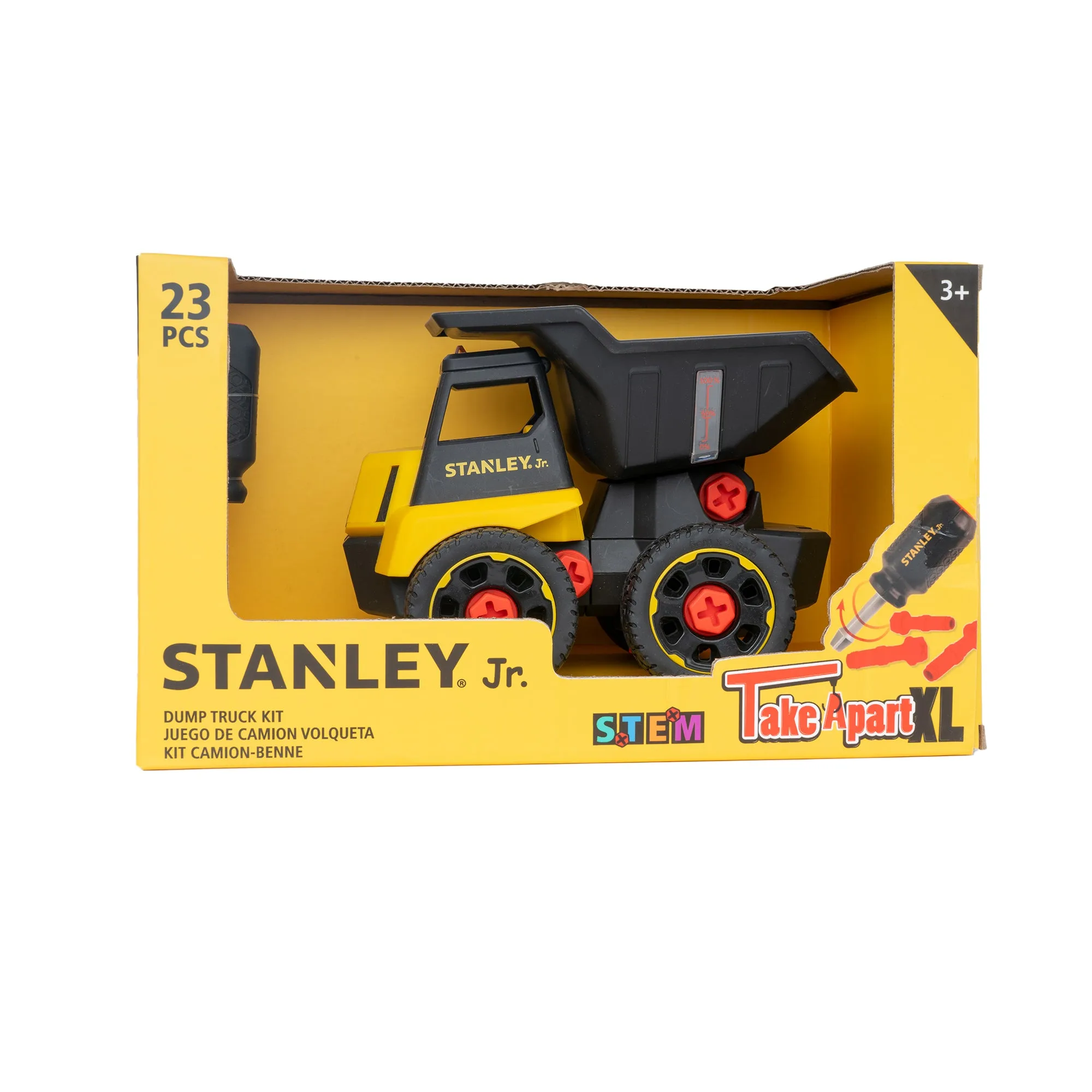
- Toysmith Take-Apart Construction Equipment: Toysmith Take-Apart Construction Equipment lets kids assemble and disassemble construction vehicles for interactive play. The take-apart action provides repeated resistance and movement, which suits kids who need heavier sensory input.
- Majorette Farm Trailer Diecast Vehicles: Majorette Farm Trailer Diecast Vehicles are built with durable die-cast metal and free-rolling wheels, and attach to Majorette tractors. A durable, rolling option for kids who seek movement and vehicle play, though it is not a quiet desk fidget.
Who these fidgets fit
Best for
- Kids ages 8+ who need a quiet, portable brainteaser for school or travel
- Sensory seekers who need resistance and movement from take-apart or construction play
- Parents building a small rotation of fidgets instead of relying on one item
Not for
- Children under 3, because small parts are a choking hazard
- Kids who need a completely silent fidget during tests, since take-apart and vehicle play can be noisy
- Anyone looking for a single fidget that covers every sensory need