Quick answer
Choose flour by matching protein content and grain type to what you are baking. Higher-protein bread flour gives sourdough structure and chew; lower-protein pastry flour keeps pastry and scones tender; all-purpose is the flexible middle for everyday loaves and quick breads. Whole grain flours add flavor and absorb more water, so blend them with a bread or all-purpose flour rather than swapping them one-for-one.
Flour is the one ingredient you buy most often, and the one that changes a bake the most. The same recipe can turn out open and chewy or dense and crumbly depending on the flour you reach for, which is why the label matters more than the brand.
This guide skips the marketing and gives you decision rules you can use in the store aisle: what protein content actually does, when whole grain is worth it, and how to pick a bag that fits sourdough, pastry, and the everyday loaf you make most.
Start with protein content, not the label
Protein content is the clearest signal on a flour bag. Higher-protein flour forms more gluten when hydrated and worked, which gives sourdough and lean yeasted breads their structure, chew, and oven spring. Lower-protein flour forms less gluten, which keeps pastry, scones, and cakes tender instead of tough.
You do not need to memorize exact percentages. A simple rule works: if you want chew and structure, choose bread flour; if you want tenderness, choose pastry or cake flour; if you want one bag that handles most everyday baking, choose all-purpose. When a recipe does not specify, all-purpose is the safe default, and you can adjust from there.
- Bread flour: higher protein, best for sourdough and lean breads that need structure
- All-purpose: medium protein, the flexible everyday choice for loaves, muffins, and cookies
- Pastry or cake flour: lower protein, best for tender pastry, scones, and cakes
Bread flour vs all purpose: when the swap is worth it
Bread flour vs all purpose is the decision most home bakers face. Bread flour's higher protein gives sourdough a stronger gluten network, which helps the dough hold its shape during a long ferment and rise higher in the oven. If your sourdough spreads flat or feels slack, bread flour is often the first fix to try.
All-purpose is not a downgrade. It is the better choice for sandwich bread, pancakes, quick breads, and anything where you want a softer crumb rather than a chewy crust. If you bake a mix of sweet and savory, keep both on hand and use bread flour for the lean, high-hydration bakes and all-purpose for everything else.
- Use bread flour when a dough feels weak, spreads during bulk ferment, or needs more oven spring
- Use all-purpose for softer sandwich loaves, quick breads, and recipes that do not specify a flour type
- Blending the two is a practical middle ground if you only want to buy one bag at a time
Whole grain flour: flavor and water come together
Whole grain flour includes the bran and germ, which bring deeper flavor and more nutrients but also change how the dough behaves. Bran particles interrupt gluten strands and soak up water, so a whole wheat dough often feels stiffer and needs more liquid than the same recipe made with white flour.
The practical approach is blending rather than a full swap. Start by replacing about a quarter of your white flour with whole wheat, then increase as you learn how the dough responds. Expect a denser crumb and a shorter window before the dough feels dry, and add water gradually rather than all at once.
- Begin with a 25 percent whole grain blend, then adjust upward based on how the dough feels
- Add extra water a spoonful at a time; whole grain absorbs more than white flour
- Whole grain flours go rancid faster, so buy amounts you will use within a few months
Match the flour to the bake
Sourdough and lean breads benefit most from higher-protein bread flour, especially at higher hydration. Pastry, scones, and pie crust do better with lower-protein flour, where less gluten means flakiness instead of toughness. Everyday sandwich bread and quick breads sit in the middle, where all-purpose handles the job without fuss.
If you bake across all three categories, you do not need a pantry full of specialty bags. One bread flour, one all-purpose, and one whole grain flour cover sourdough, pastry, and daily baking, and you can blend them to hit the texture you want.
- Sourdough and lean breads: bread flour for structure and chew
- Pastry, scones, and pie crust: pastry or all-purpose flour for tenderness
- Everyday loaves and quick breads: all-purpose as the dependable default
What to check before you buy
Freshness matters as much as type. Flour absorbs odors and loses quality over time, so buy bags you will finish within a few months for white flour and sooner for whole grain. Check the packaging for a milling or best-by date, and store flour in an airtight container away from heat and strong-smelling foods.
Buy the smallest bag that matches how often you bake. A large bag is only a bargain if you will use it before it goes stale. If you bake sourdough weekly, a larger bread flour bag makes sense; if you bake pastry a few times a year, a smaller all-purpose or pastry flour bag will stay fresher.
- Check for a milling or best-by date and choose the freshest bag available
- Store in an airtight container away from heat, moisture, and strong odors
- Match bag size to your baking frequency so flour does not sit long enough to go stale
Decision rules for buying flour
- If you bake sourdough or lean bread most often: Buy bread flour as your primary bag. Its higher protein builds the gluten strength that long ferments and high hydration demand. Keep a smaller all-purpose bag for quick breads and softer loaves.
- If you bake pastry, scones, or pie crust: Choose pastry flour or all-purpose rather than bread flour. Lower protein keeps the crumb tender and the layers flaky. Do not substitute bread flour here; it will make pastry tough.
- If you want whole grain flavor: Buy whole wheat or another whole grain flour and blend it with bread or all-purpose flour, starting around 25 percent of the total. Add extra water gradually, because whole grain absorbs more than white flour.
- If you only want one bag: Choose all-purpose. It handles everyday breads, muffins, cookies, and most recipes that do not specify a flour type. Accept that sourdough will be less chewy and pastry slightly less tender than with a dedicated flour.
- If you bake only occasionally: Buy the smallest bag that fits your pace, and check the milling or best-by date before you commit. Fresh flour outperforms a bargain bag that sits in the pantry for a year.
Flour in context: what our bakery uses it for
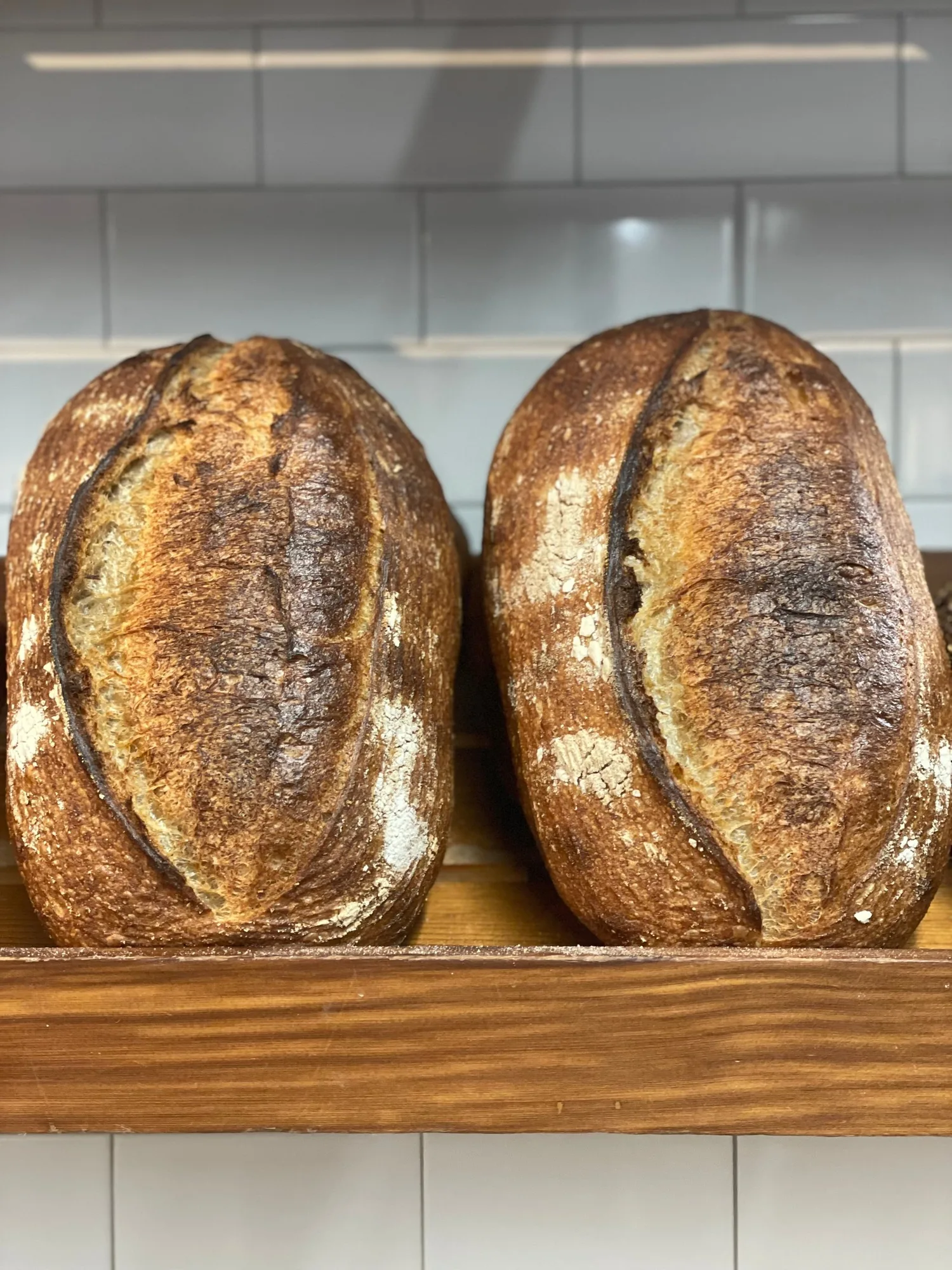
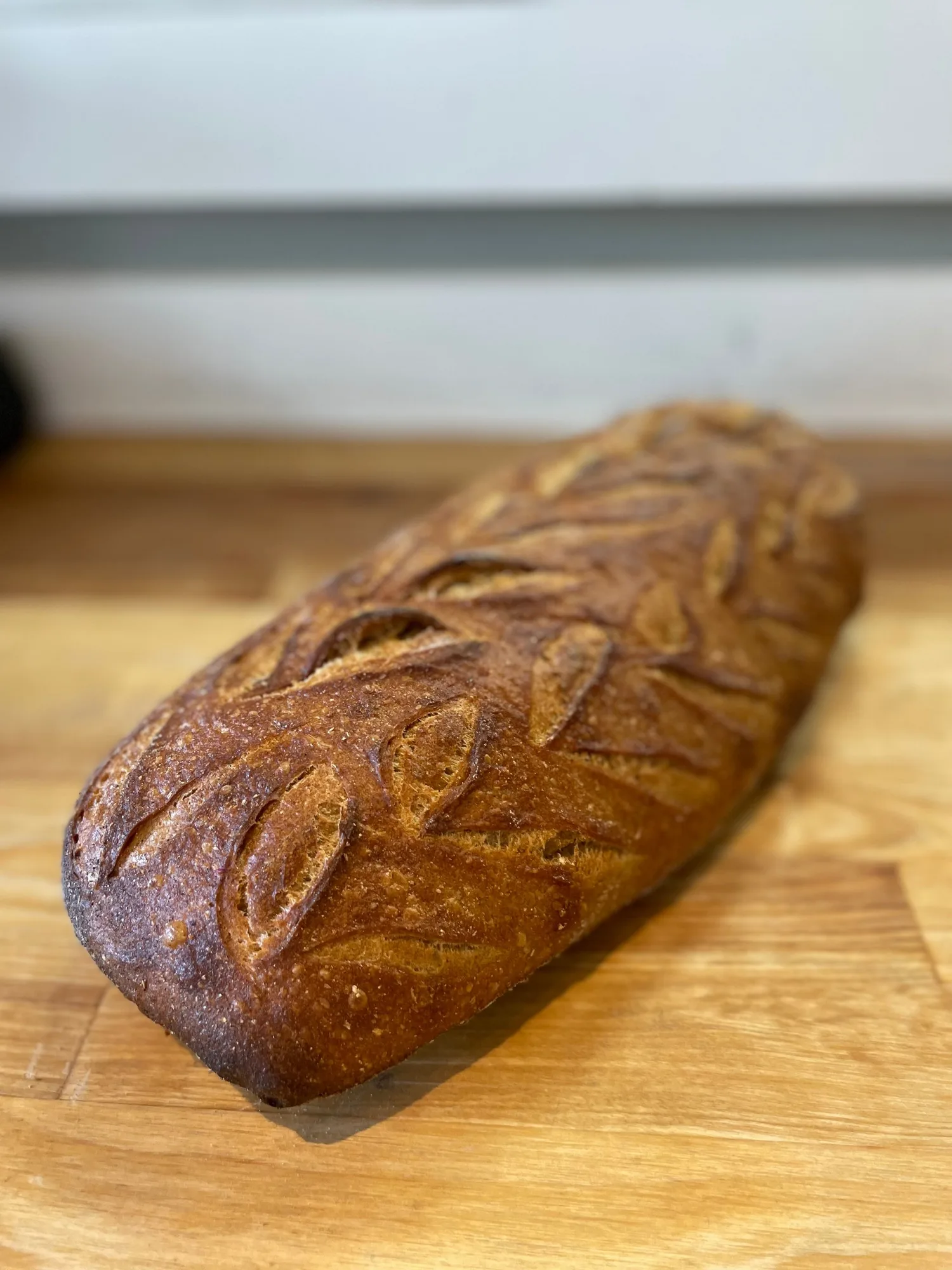
- Large Country Sourdough: A whole wheat sourdough loaf in a large 1.4 kilo size, listed under our Breads selection. It shows how a whole grain sourdough behaves in a finished loaf: denser than white bread, with more flavor and a heartier crumb, which is what you can expect when you blend whole wheat into your own dough.
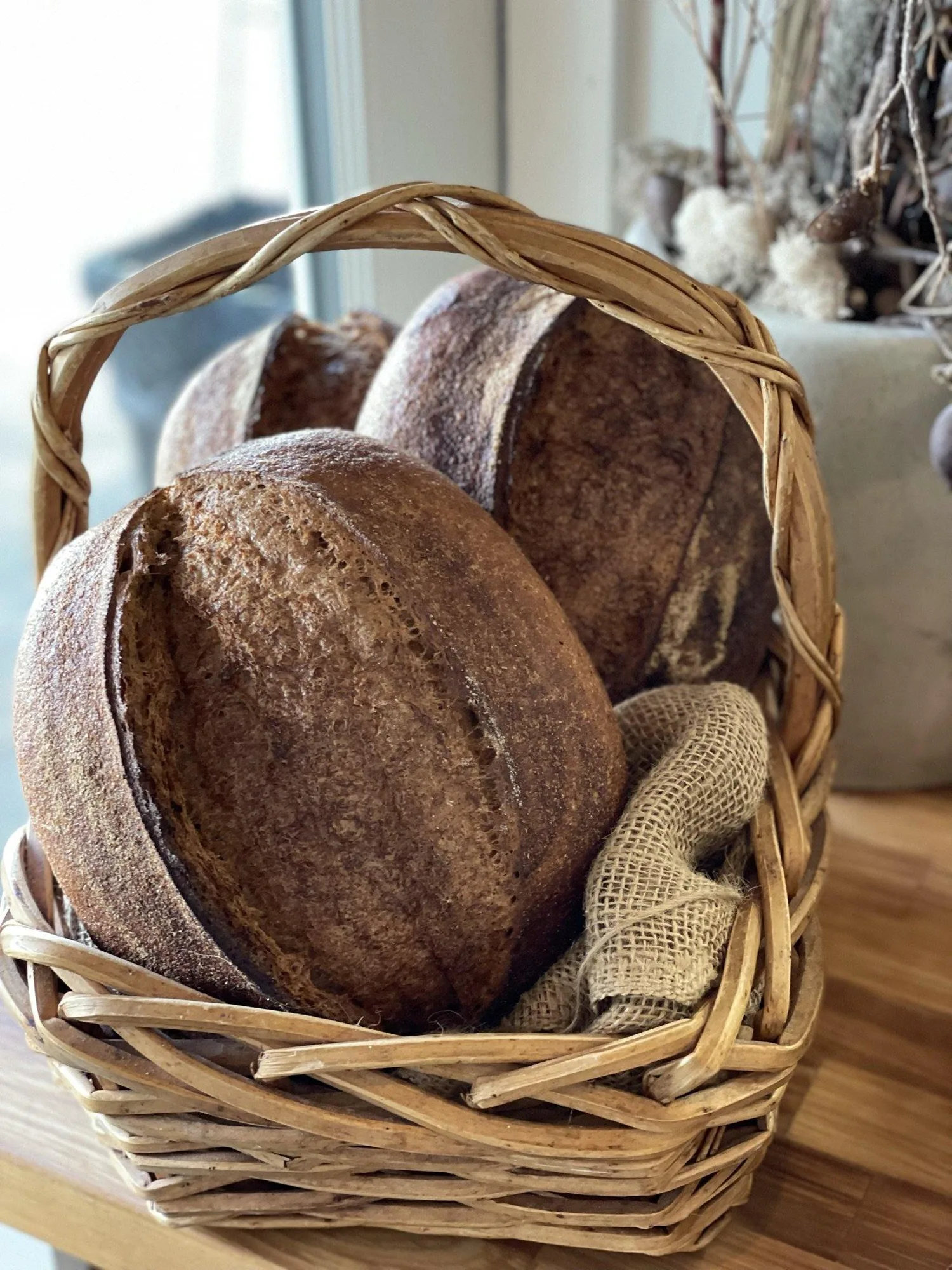
whole wheat sourdough
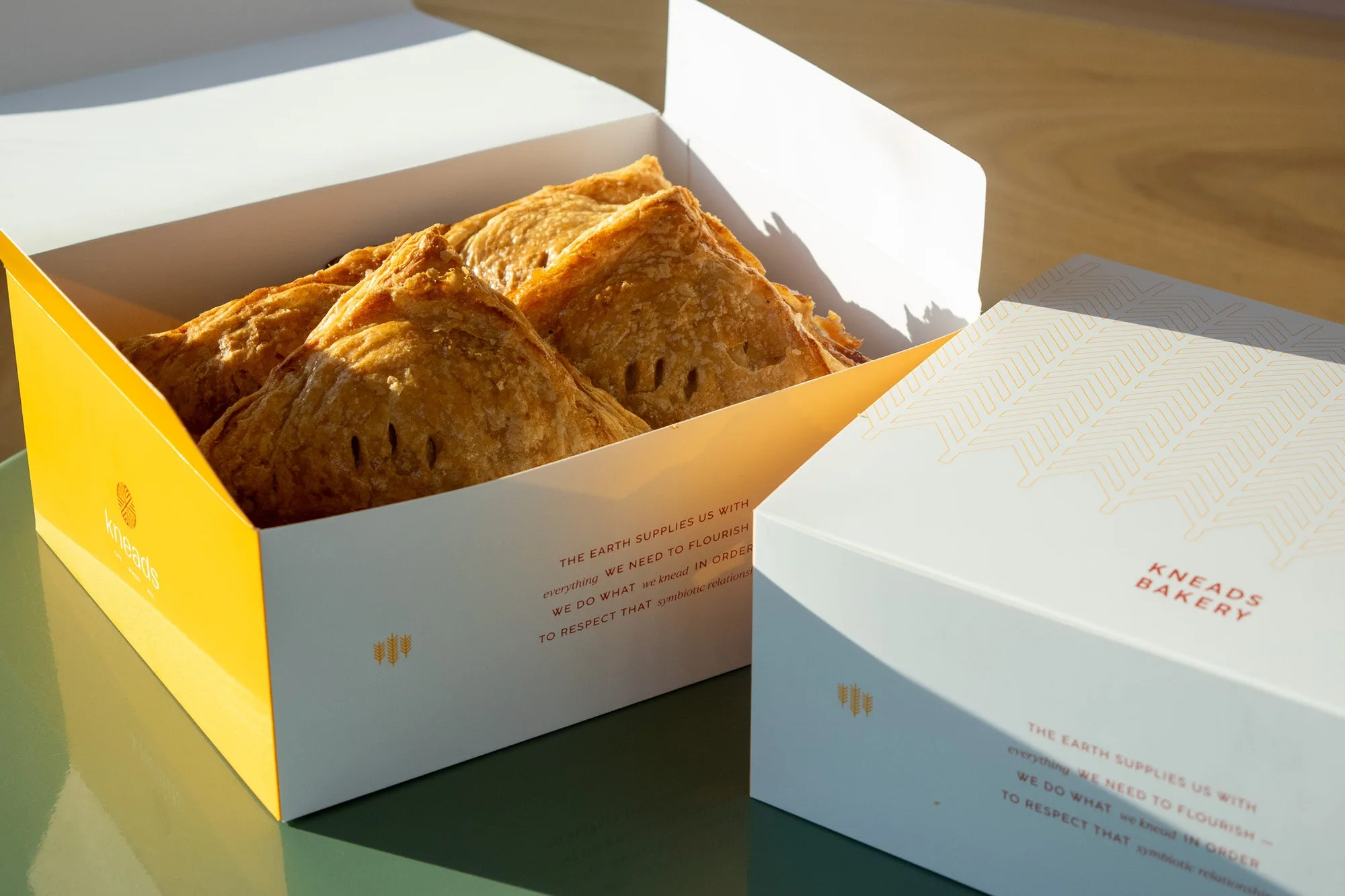
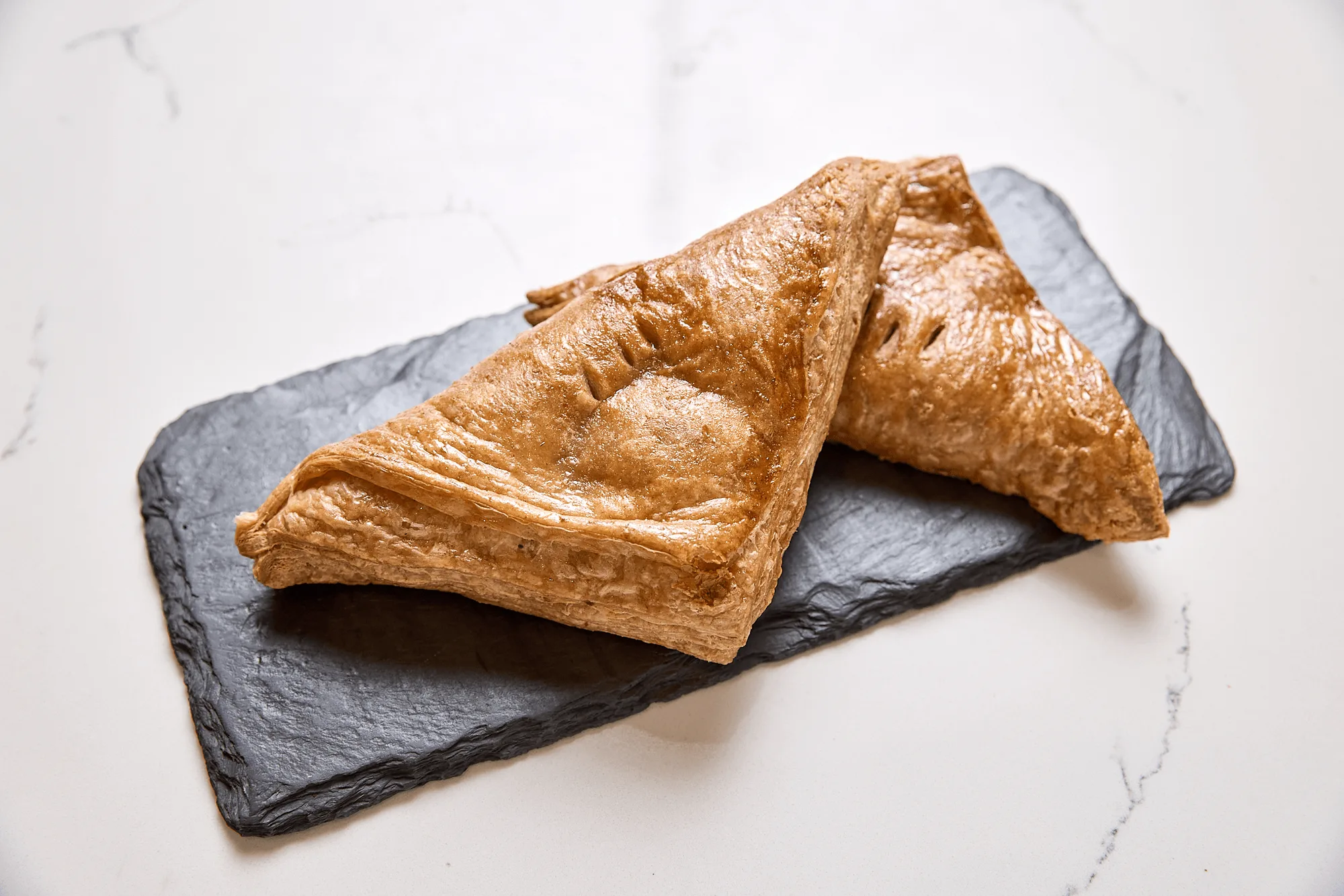
- https://kneadsbakeshopcafe.com/products/apple-turnover-box-c894c259978f8499f2b03c80-1645690Apple Turnover Box: A dozen Mutsu apple turnovers in one box, with a standard option available. Turnovers depend on lower-protein pastry flour for flakiness, so this is a useful reference point for what tender, well-laminated pastry should feel like when you bake at home.
Who this flour guide is for
Best for
- Home bakers who want one clear rule for choosing between bread flour, all-purpose, and pastry flour
- Sourdough bakers troubleshooting weak dough or flat loaves who suspect their flour is the issue
- Anyone building a small pantry of flours for sourdough, pastry, and everyday bread without overbuying
Not for
- Professional bakers who already buy flour by spec sheet and need commercial volume pricing
- Gluten-free bakers looking for guidance on alternative flour blends, which behave very differently
- Shoppers who only need a single bag for one specific recipe and do not plan to bake again soon
Pick your flour by protein content and grain type, not by brand or packaging. Bread flour for structure, all-purpose for flexibility, pastry flour for tenderness, and whole grain blended in for flavor. Buy fresh, store it airtight, and match the bag size to how often you actually bake.