Quick answer
To choose a foundation shade online without swatching, first identify your undertone using three quick checks: the color of your veins, how your skin reacts to gold versus silver jewelry, and whether you burn or tan. Then match your depth using a photo taken in natural daylight. If you are between two shades, choose the one that matches your undertone and adjust depth with a lighter or darker powder. For a protected, photo-ready base, consider a duo that pairs SPF primer with full-coverage foundation.
Identify your undertone before you pick a depth
Undertone is the subtle hue beneath your skin's surface, and it determines whether a foundation looks seamless or slightly off. Check your wrist veins in natural light: if they appear blue or purple, you likely have a cool undertone; if green, warm; if a mix, neutral. Next, think about jewelry — gold flatters warm undertones, silver flatters cool, and both work for neutral. Finally, recall how your skin behaves in sun: if you burn easily, you may lean cool; if you tan easily, you may lean warm or neutral. These clues are not absolute, but they narrow your starting point.
Match depth using natural-light photos
Depth is how light or deep your skin is, and it is separate from undertone. Take a selfie outdoors in indirect daylight, with no makeup and no filters, holding a white piece of paper next to your cheek. The paper helps your camera balance color. Compare your face to your neck and chest — foundation should blend with your neck, not just your face. If your face is lighter or darker than your neck, match your neck. Online shade finders often ask for these same photos, so having them ready speeds up the process.
Use a decision filter for close calls
When two shades seem possible, use this filter: if one is warmer and one is cooler, pick the one that matches your undertone. If both share your undertone, pick the lighter shade for a more natural look, or the deeper shade if you plan to add bronzer. If you are still unsure, choose the shade that matches your neck and correct with concealer or powder. Remember that foundation can look slightly different once it sets, so factor in the finish — matte formulas can appear a touch deeper, while radiant formulas can reflect light and seem lighter.
Account for formula and coverage
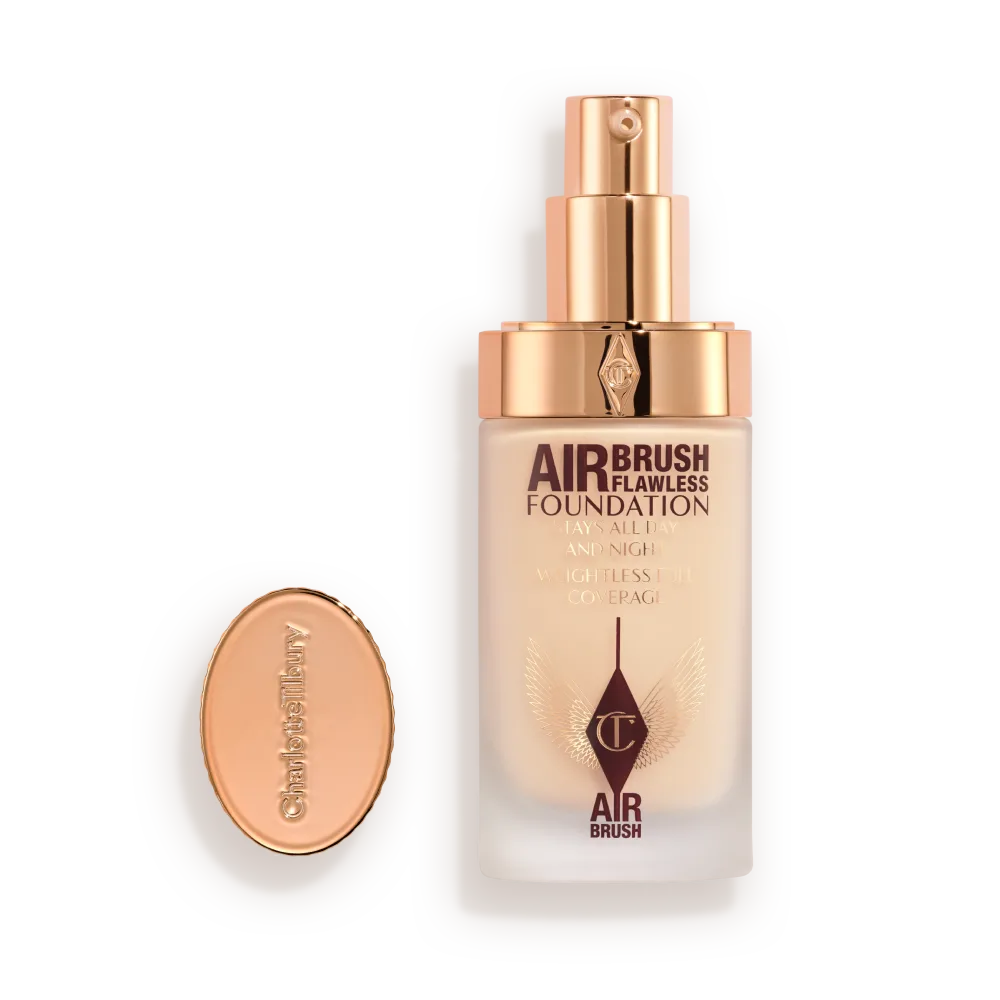
Sheer and medium-coverage foundations are more forgiving of a slight shade mismatch because your natural skin shows through. Full-coverage formulas need a closer match because they mask more. If you are buying a full-coverage foundation online, spend extra time on the undertone check. Also consider your skin type: dry skin often prefers hydrating, radiant finishes, while oily skin may prefer matte, long-wear formulas. These choices affect how the shade reads on your skin, so treat them as part of the matching process.
Plan for adjustments after delivery
Even with careful matching, you may need a small tweak. Keep a white mixing pigment or a lighter concealer on hand to adjust a foundation that is slightly too dark, or a deeper powder to warm up a shade that is too light. Test your new foundation in daylight across your jawline, not just your hand — hand swatches are often a different depth. If the match is close but not perfect, give it a full day of wear before deciding to exchange. Many online retailers offer shade exchanges, so check the policy before you buy.
Decision rules for choosing a foundation shade online
- Rule 1: Undertone first, depth second: Use vein color, jewelry preference, and sun reaction to identify warm, cool, or neutral. Then match depth with a natural-light photo. If you skip undertone, even a perfect depth match can look off. Checkpoint: your chosen shade should share your undertone before you consider depth.
- Rule 2: Match your neck, not your hand: Hand swatches are often a different depth and undertone than your face and neck. Compare foundation to your neck and chest in daylight, and choose the shade that blends there. Checkpoint: if the shade disappears into your neck, it is likely a good match.
- Rule 3: Adjust with powder or concealer, not a different undertone: If you are between depths, pick the shade that matches your undertone and correct depth with a lighter or deeper powder. Do not switch undertone to fix depth, as that creates a mismatch. Next step: keep a translucent or tinted powder in your routine to fine-tune depth after application.
Product facts to support your choice
- SPF50 AIRBRUSH COMPLEXION DUO - MAKEUP KIT: SPF50 Airbrush Complexion Duo is a makeup kit that includes an SPF primer and a full-coverage foundation, with a 5% saving compared to buying the products separately. If you want sun protection and full coverage in one step, this duo simplifies your routine and helps you avoid mismatched primer and foundation shades.
- AIRBRUSH FLAWLESS FINISH - 1 FAIR: Airbrush Flawless Finish in 1 Fair is a finishing powder designed for fair skin tones, providing a smooth, airbrush-effect finish that helps set makeup and minimize the look of pores. A setting powder in a matching fair shade can help adjust a foundation that is slightly too light or too radiant, and it extends wear without adding heavy texture.
Who this approach is for
Best for
- Shoppers buying foundation online without access to in-store swatches
- Anyone who wants a repeatable method to find their foundation shade match
- People with fair, medium, or deep skin who need to match undertone and depth
Not for
- Those who prefer to test every foundation in person before buying
- Shoppers looking for a single universal shade that works for everyone