Quick answer
Choose grooming shears by matching blade length to the area you trim, the handle to your hand, and the steel to how often you sharpen. A 6.5- to 7-inch straight shear covers most body work, a 4- to 5-inch curved or blunt-tip shear handles feet and faces, and a second straight pair in a different length saves constant switching. Buy the pair that fits your hand and coat first, then upgrade steel later.
Start with the coat, not the catalog
The coat in front of you decides the shear. Fine, silky coats such as Yorkie or Maltese hair slide through almost any sharp shear, so you can prioritize comfort and control. Dense, curly, or double coats need a shear that holds tension under load, because a loose pivot lets the blades push hair instead of cutting it. If you groom a mix of breeds, buy one shear that handles the densest coat you see weekly and accept that it will feel slightly heavy on fine coats.
Matting changes the rule again. Shears are for finishing and shaping, not for slicing through felted clumps; that work belongs to a clipper or a dematting tool. Buying a longer shear to reach through matting usually ends with a bent blade and a stressed dog.
Blade length: the number that matters most
Shear length is measured tip to tip, and it controls reach versus control. Short blades give you precision around eyes, paws, and sanitary areas but force more strokes on the body. Long blades cover body and leg work in fewer passes but magnify every wobble, so they suit steady hands and cooperative dogs.
A practical starter set is one 6.5- to 7-inch straight shear plus one 4- to 5-inch curved or blunt-tip shear. If you only groom one small dog at home, a single 5.5- to 6-inch straight shear may be enough. Professional pet shears selection usually adds a second straight length later, once you know which areas slow you down.
Straight vs curved grooming shears
Straight shears cut a flat line and are the workhorse for toplines, body, and legs. Curved shears have a bowed blade that lets you follow rounded shapes, which is why they are used on heads, feet, and furnishings. The curve is a shaping tool, not a shortcut; you still need a straight shear for clean edges.
If you can only buy one pair now, buy straight. If you already own a straight shear and struggle to round out feet or topknots, a curved shear is the next purchase that changes your results.
Handle, tension, and steel checks in the hand
Hold the shear before you commit. Your ring finger should sit in the finger hole with the thumb resting naturally in the thumb hole, and the tips should close without your wrist bending. Offset handles suit most groomers because they keep the hand in a relaxed position; straight handles can work if your hand is small or you prefer a traditional grip.
Test tension by opening the blades and letting them fall. They should close smoothly under their own weight, not snap shut or hang open. Loose tension causes folding and pulled hair; too-tight tension tires your thumb. Steel quality is harder to judge in a store, but a shear that feels rigid, closes with a clean ring, and holds its edge after a few weeks of use is telling you it will survive sharpening. If a listing does not state the steel type, treat that as a limitation: you cannot compare edge retention from the description alone, so buy from a seller with a return policy.
A realistic budget and sharpening plan
Cheap shears are not a bargain if they dull in a month and cannot be resharpened. Budget for the shear plus periodic sharpening, and keep a backup pair so a dull blade never forces you to rush a nervous dog. Two mid-priced shears that fit your hand beat one expensive shear that does not.
Set a simple rule: replace or sharpen when the shear starts folding fine coat hair instead of cutting it, or when you notice yourself squeezing harder to finish a line. That moment arrives faster on dense coats than on silky ones.
Decision rules for buying your next pair
- If you groom one small, silky-coated dog at home: Buy one 5.5- to 6-inch straight shear with a comfortable offset handle and blunt tips. Skip curved shears until you actually need rounded feet or topknots.
- If you groom multiple breeds weekly: Buy a 6.5- to 7-inch straight shear for body work and a 4- to 5-inch curved shear for feet, face, and furnishings. Two well-fitted shears cover more ground than one long blade.
- If your current shear folds hair or pulls: Check tension first, then the edge. If tightening does not fix it, the blade needs sharpening or replacement. Do not buy a longer shear to compensate for a dull one.
- If the listing does not state steel type or Rockwell hardness: Treat edge retention as unknown and buy where you can return the shear if it dulls quickly. Missing specs are a decision limitation, not a detail to ignore.
Products that support shear work
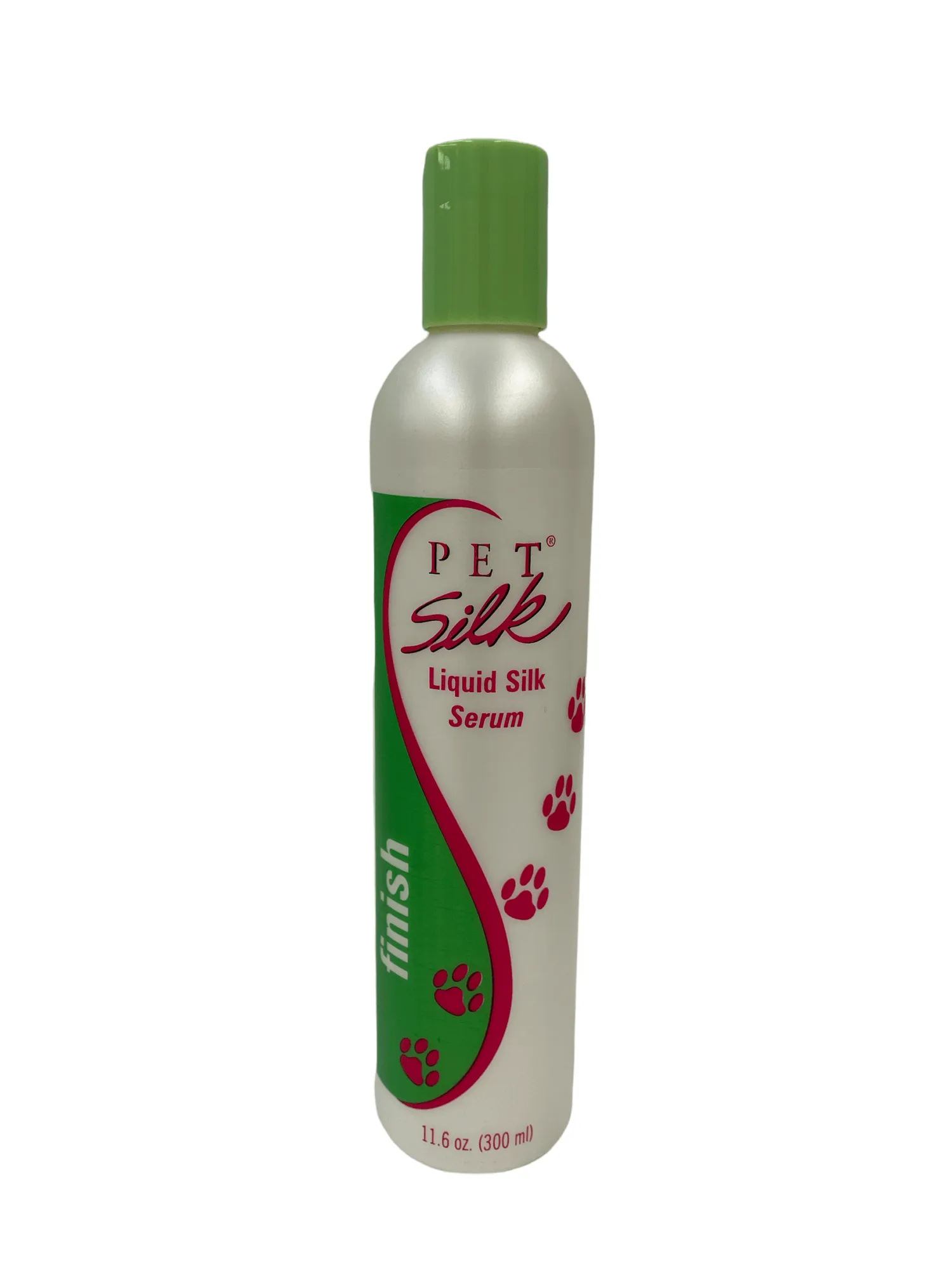
- Pet Silk Liquid Silk Serum-11.6oz.: Pet Silk Liquid Silk Serum is a professional-grade dog grooming solution formulated with conditioners and silk proteins. A light serum applied before finishing can help detangle fur and reduce static, so your shears glide instead of catching on dry, flyaway coat.
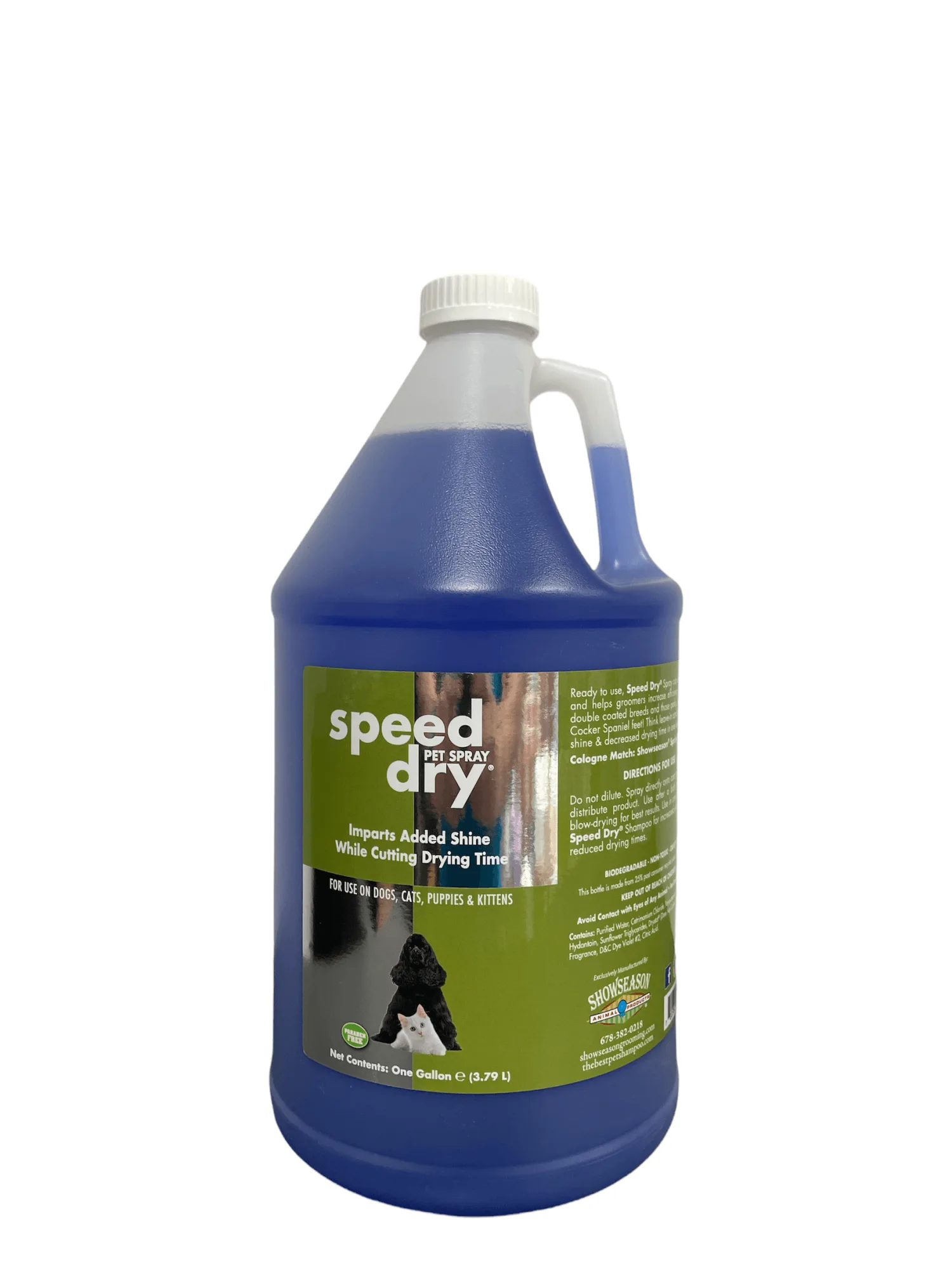
- Showseason Speed Dry Spray - Gallon: Showseason Speed Dry Spray accelerates drying time, especially on long or double-coated breeds, and works as a leave-in conditioner and shine enhancer. Fully dry coat is easier to scissor cleanly, and cutting drying time means more time for the finishing work where shear choice actually shows.
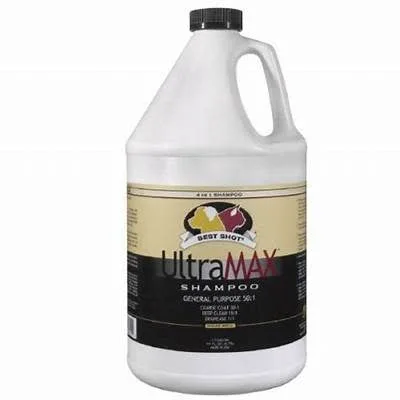
- Best Shot UltraMax 4-In-1 Shampoo 50:1-Gallon: Best Shot UltraMax 4-In-1 Shampoo is a general purpose dog shampoo with a 50:1 dilution rate. A clean, properly diluted bath removes oils and debris that make coat clump under the blade, which keeps your shears cutting consistently.
Who these shears are for
Best for
- Home groomers who want one or two shears that fit their hand and their dog's coat
- Professional groomers adding a curved or shorter shear to an existing straight pair
- Anyone replacing a dull shear who wants to match blade length to the area they trim
Not for
- Removing heavy matting, which needs a clipper or dematting tool rather than scissors
- Groomers who need clipper blades or trimmers instead of scissor work
- Buyers who want a single do-everything shear for every breed and every finish