Quick Answer
Match interfacing weight to your fabric weight, then choose fusible for speed and stability or sew-in for heat-sensitive and textured fabrics. For most garment collars, cuffs, and waistbands, a lightweight fusible works well; for silks, coatings, and loose weaves, choose sew-in. Always test on a scrap first.
Interfacing is the hidden layer that gives shape, support, and longevity to everything from a crisp shirt collar to a soft tote bag. Choose the wrong type or weight, and your project can turn stiff, bubbly, or floppy after the first wash. The good news: you do not need a shelf full of options. A few decision rules will cover almost every project.
This guide walks through interfacing types, how to match them to your fabric, and when to choose fusible versus sew-in. You will also find concrete tips for testing, applying, and avoiding common mistakes. If you keep a small selection of lightweight and midweight interfacing on hand, you will be ready for most garments, bags, and home decor projects.
Start With Fabric Weight, Not Project Type
The single most useful rule is to match interfacing weight to fabric weight. Lightweight fabrics like cotton voile, silk, and rayon need lightweight interfacing. Medium-weight fabrics like quilting cotton, linen blends, and flannel need midweight. Heavy fabrics like canvas, denim, and wool coating need heavyweight or a sew-in that will not add bulk.
If you go too heavy, the fabric will feel like cardboard and may pucker. Too light, and the interfacing will not do its job. When in doubt, choose one step lighter than you think you need. You can always add a second layer if more structure is required, but you cannot easily remove stiffness.
- Lightweight: for delicate fabrics, blouses, and drapey garments.
- Midweight: for quilting cotton, structured shirts, and everyday bags.
- Heavyweight: for canvas, denim, upholstery, and firm bag bases.
Fusible vs. Sew-In: How to Decide
Fusible interfacing has a heat-activated adhesive on one side. It is fast, stays put, and works well on stable, smooth fabrics like cotton and linen. It can be tricky on textured fabrics, heat-sensitive fabrics, or anything with a loose weave because the adhesive may not bond evenly or may show through.
Sew-in interfacing has no adhesive. You baste or sew it into the seam allowance. It is the better choice for silks, rayons, coatings, lace, and fabrics that cannot take high heat. It also gives a softer, more natural drape. The trade-off is extra time and the risk of shifting during sewing, so pin or baste carefully.
- Choose fusible for speed and crisp edges on stable wovens.
- Choose sew-in for heat-sensitive, textured, or very loose-weave fabrics.
- Always test fusible on a scrap to check for shine, bubbles, or bleed-through.
Match Interfacing to the Job
Collars, cuffs, and waistbands need crisp support. A lightweight to midweight fusible works for most shirt and dress patterns. For a soft, rolling collar, use a lighter weight or a knit interfacing to avoid a hard edge. Button plackets and facings usually need a lightweight fusible to prevent stretching without adding bulk.
Bags and totes need firm structure. Use a midweight to heavyweight fusible, or combine a fusible with a sew-in for extra body. For quilted bags, you can also use foam or batting, but interfacing still helps the base hold its shape. For delicate garments like silk blouses, use a lightweight sew-in so the fabric keeps its drape.
- Garment collars and cuffs: lightweight to midweight fusible.
- Bag bases and handles: heavyweight fusible or sew-in.
- Silk and rayon: lightweight sew-in to preserve drape.
Test Before You Commit
No guide can replace a test on your actual fabric. Cut a small square of interfacing and fuse it to a scrap of your project fabric following the manufacturer's instructions. Let it cool completely, then check for bubbles, stiffness, and color changes. Wash and dry the test piece if the finished project will be laundered.
If the fused sample feels too stiff, try a lighter weight or a sew-in. If it peels at the edges, you may need a different fusible or a higher temperature. Testing takes five minutes and can save hours of rework. Keep notes on what worked so you can repeat it next time.
- Always test on a scrap of the exact fabric you are using.
- Check after washing if the project will be laundered.
- Label your interfacing stash so you remember the weight and type.
Decision Rules for Choosing Interfacing
- If your fabric is lightweight or drapey: Choose a lightweight sew-in interfacing for silk, rayon, or voile. It supports without stiffness and avoids heat damage. Test a scrap to confirm the drape stays soft.
- If your fabric is medium-weight and stable: Choose a lightweight to midweight fusible for quilting cotton, linen, or flannel. It is fast and gives crisp edges. Use a pressing cloth to prevent shine.
- If your project needs firm structure: Choose a heavyweight fusible or a midweight sew-in for bags, totes, and upholstery. You can layer two interfacings for extra body. Test the base to ensure it stands up without being rigid.
- If your fabric is heat-sensitive or textured: Choose sew-in interfacing. Fusible adhesive may not bond evenly or may damage the fabric surface. Baste the interfacing to prevent shifting.
Interfacing-Friendly Fabrics from Our Catalog
- Kona Cotton Titanium - Gray Solid Fabric: 100% cotton, 44 inches wide, 4.35 oz. per square yard. A stable, medium-weight cotton like Kona is ideal for fusible interfacing. It takes heat well and holds shape, making it a reliable choice for bags, home decor, and structured garments.
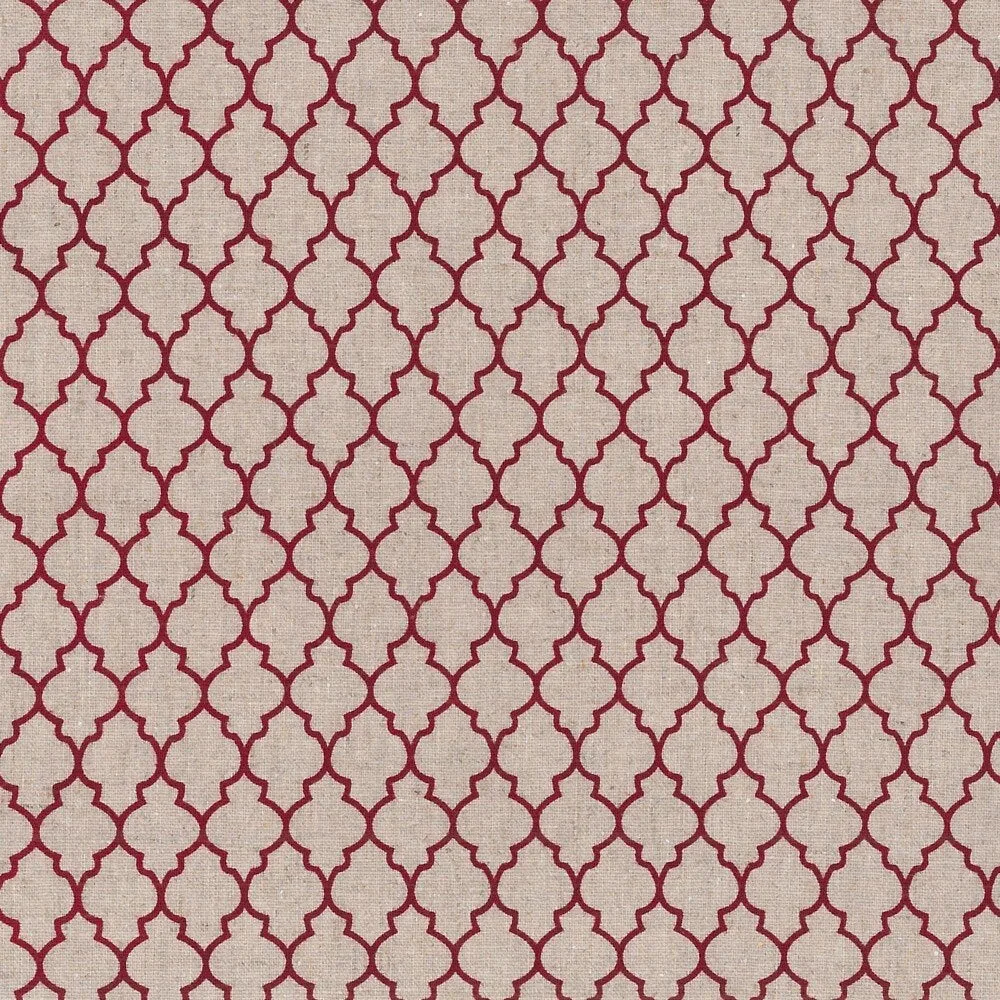
- Shabby Chic Linen Red Quatrefoil (18-154) by Stof Fabrics: 55% linen, 45% cotton blend. Linen blends have texture and can be heat-sensitive. Use a lightweight sew-in interfacing to preserve the fabric's natural look and avoid shine or bubbling from fusible adhesive.
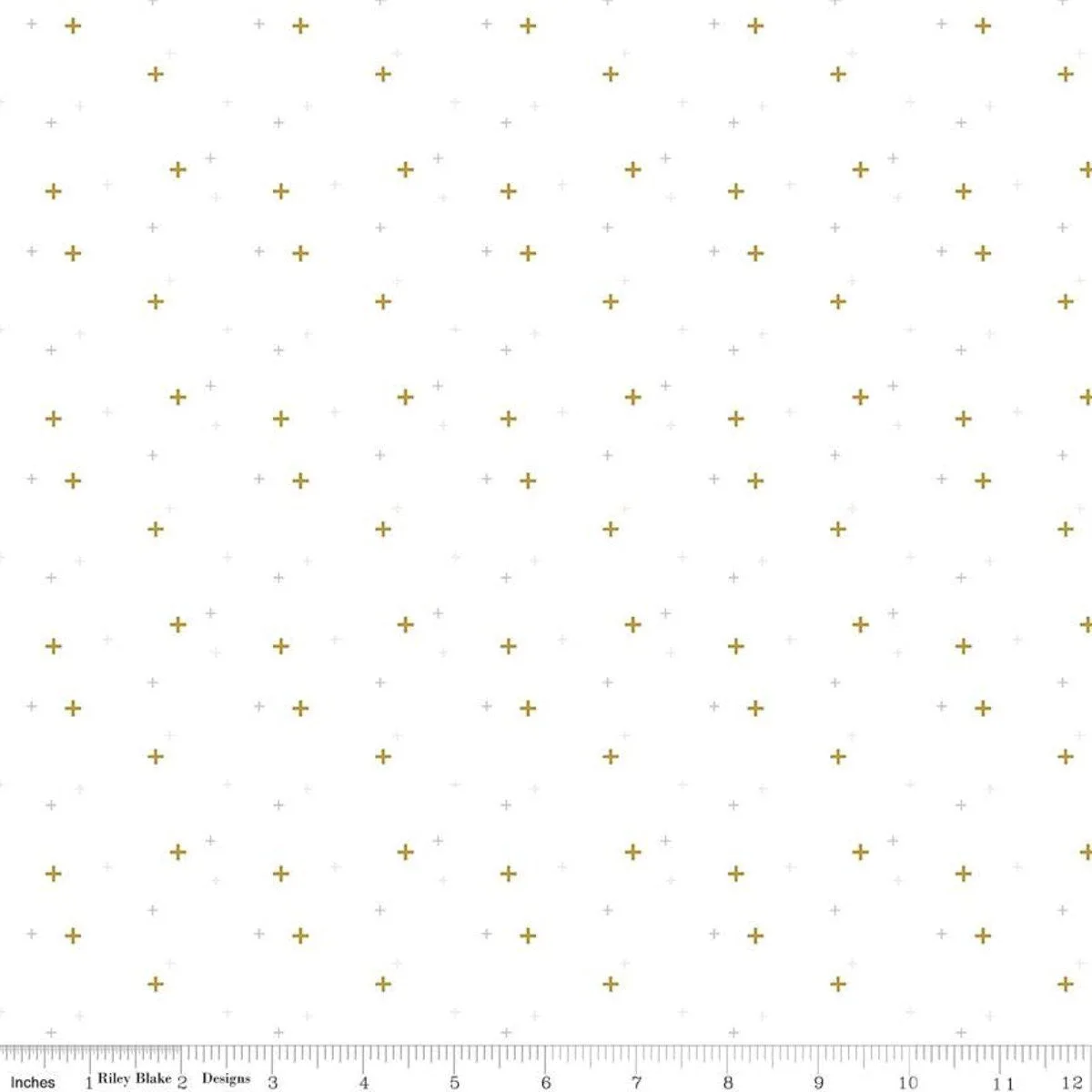
- White Sparkle from Sparkler Basics by Melissa Mortenson for Riley Blake: 100% cotton, 43/44 inches wide, machine wash cold and tumble dry low. This quilting cotton is a good candidate for lightweight fusible interfacing when you need a bit of body for a bag lining or a small pouch. The sparkle adds fun without affecting interfacing choice.
Is This Interfacing Right for Your Project?
Best for
- Garments with collars, cuffs, and waistbands that need crisp shaping
- Bags, totes, and home decor projects that require firm structure
- Sewists who want a simple, reliable method for stable woven fabrics
Not for
- Delicate silks or rayons where drape is more important than structure
- Heat-sensitive fabrics that cannot take fusible adhesive
- Projects where you want a completely soft, unstructured finish
Choosing interfacing comes down to matching weight to fabric and picking fusible or sew-in based on heat sensitivity and desired drape. Start with a lightweight and midweight option in both types, test on scraps, and you will handle almost any project with confidence. When you need reliable fabrics to pair with your interfacing, browse our Fabric and Notions categories.