Quick answer
Buy a kids bike jersey that fits close but not tight, wicks moisture, and adds visibility without bulk. Prioritize a full-length front zipper or a stretchy pullover your child can manage alone, and size for the torso they have now, not the one they will grow into. If your rider is between sizes, size up only when the jersey has an adjustable hem or elastic cuffs; otherwise stay with the smaller size for control.
A bike jersey is not just a smaller version of a T-shirt. It sits between your child and the handlebars for every pedal stroke, so the wrong fabric or cut can cause chafing, overheating, or distracted riding. The right one disappears under a helmet and lets your kid focus on the trail or the block ahead.
This guide gives you decision rules for fit, fabric, sleeves, visibility, and layering so you can pick a cycling jersey for kids that actually gets worn. It also covers when a jersey is worth buying versus when a regular athletic top does the job.
Fit: close enough to stay put, loose enough to move
A kids bike jersey should skim the torso and stay in place when your child stands on the pedals. If you can pinch more than two inches of fabric at the belly, it will bunch up and rub. If the fabric pulls across the chest or shoulders, it will restrict breathing and arm movement. Check the sleeve seam: it should sit at the edge of the shoulder, not halfway down the upper arm.
Test fit with the child in riding position, not standing straight. Have them lean forward with hands out as if gripping bars. The back hem should stay below the waistband, and the front should not gap open. For growing riders, an adjustable hem or a slightly longer torso gives more wear time without turning the jersey into a parachute.
- Measure chest at the widest point and compare to the size chart, not to age.
- Have your child raise both arms overhead; if the hem lifts above the navel, size up or choose a longer cut.
- Check that the collar does not press on the throat when the chin is tucked.
Fabric and moisture management
Look for a synthetic blend or merino wool that moves sweat away from skin. Cotton holds moisture, gets heavy, and stays damp, which chills a rider on breezy descents. A comfortable bike jersey for kids should feel dry within a few minutes of hard pedaling. If you can see through the fabric when you hold it to light, it may be too thin for cooler days but fine for summer.
Seams matter as much as fabric. Flatlock or offset seams reduce rubbing under a backpack strap or hydration pack. Avoid thick seams across the shoulders if your child wears a pack. Mesh panels under the arms and down the back add airflow without exposing skin to sunburn.
- Choose polyester or nylon blends with a brushed inner face for cool-weather comfort.
- Skip cotton for any ride longer than 20 minutes or any ride where your child will sweat.
- Check that the fabric has some stretch so it moves with the body instead of against it.
Sleeves, zippers, and closures kids can use
Short sleeves work for warm weather and casual riding. Long sleeves add sun and brush protection on trails but can feel hot on climbs. A three-quarter or roll-up sleeve is a compromise if your child rides in mixed conditions. Whatever the length, the sleeve should not flap or catch on brake levers.
A full-length front zipper gives the most temperature control: zip up on descents, open on climbs. A quarter-zip is easier for small hands but offers less venting. Pullover jerseys with a stretchy neck opening are simplest for young riders who dress themselves. If your child has fine motor difficulty, choose a pullover or a zipper with a large pull tab.
- Test the zipper with one hand while wearing gloves if your child rides with gloves.
- Avoid drawstrings at the neck or waist; they can catch on saddles or branches.
- Choose a jersey with a drop tail if your child rides a bike with a forward-leaning posture.
Visibility and safety details
Bright colors and reflective accents help drivers see your child earlier, especially at dawn, dusk, or in shade. A jersey with a reflective strip on the back and a bright front panel covers both directions. This is not a substitute for lights, but it adds a layer of noticeability that costs nothing extra in weight.
Avoid loose fabric that can snag on the saddle, brake levers, or a backpack. A jersey that fits close is safer than one that flaps. If your child rides in traffic, consider a jersey with a small rear pocket for a phone or snack, but check that the pocket does not hang low enough to catch the rear tire.
- Pick at least one high-contrast color: neon yellow, orange, or white.
- Look for reflective piping or a reflective logo on the rear panel.
- Skip long, dangling hems or oversized hoods; they can block peripheral vision.
Layering and weather decisions
A jersey is one layer in a system. In cool weather, pair a short-sleeve jersey with arm warmers or a light wind vest. In hot weather, choose the lightest color and the most mesh you can find. If your child rides to school or camp, a jersey that looks like a normal athletic top gets worn more often than one that looks like race kit.
For rain, a jersey alone will not keep your child dry. Add a waterproof shell over it, but make sure the shell has pit zips or a vent so sweat can escape. A soaked jersey under a rain jacket is a recipe for a cold, unhappy rider.
- Buy one size that fits now for safety, and one size up only if the jersey has adjustable cuffs or hem.
- Choose a darker color for muddy trail days and a bright color for road visibility.
- Wash jerseys inside out in cold water and hang dry to protect reflective accents and zippers.
Decision rules for buying a kids bike jersey
- If your child rides 30 minutes or less in mild weather: Choose a short-sleeve pullover jersey in a synthetic blend with a bright color and no rear pocket. This is the simplest, most comfortable option for casual riders.
- If your child rides in traffic or low light: Choose a jersey with reflective accents on the back and a high-contrast front panel, and add lights to the bike. Visibility is a system; the jersey is one part of it.
- If your child rides trails with brush or strong sun: Choose a long-sleeve jersey with a lightweight, breathable fabric and flatlock seams. Coverage reduces scratches and sunburn without overheating if the fabric wicks.
- If your child is between sizes: Stay with the smaller size unless the jersey has an adjustable hem or elastic cuffs. A close fit is safer and more comfortable than a loose one that flaps.
- If your child dresses independently: Choose a pullover or a full-zip with a large pull tab, and avoid small zippers or tight neck openings. A jersey your child can put on alone gets worn more often.
Prevelo gear that supports the ride
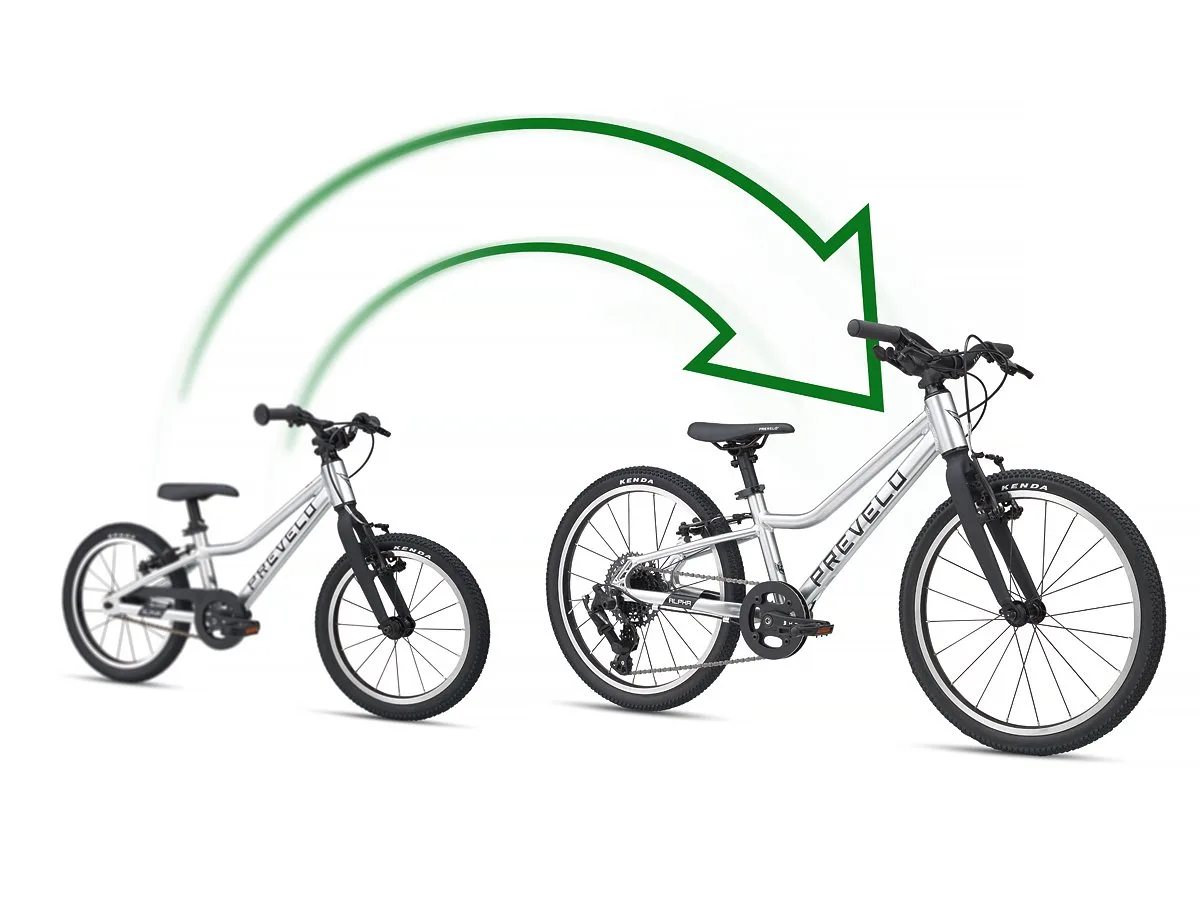
- Prevelo Factory Trade-Up Club: Members get 40% back of the original purchase price of their previous Prevelo bike when they trade up, and Prevelo pays return shipping; membership is lifetime. If you are buying a jersey now for a rider who will outgrow the bike in a year or two, the Trade-Up Club lowers the long-term cost of keeping your child on a properly sized bike.
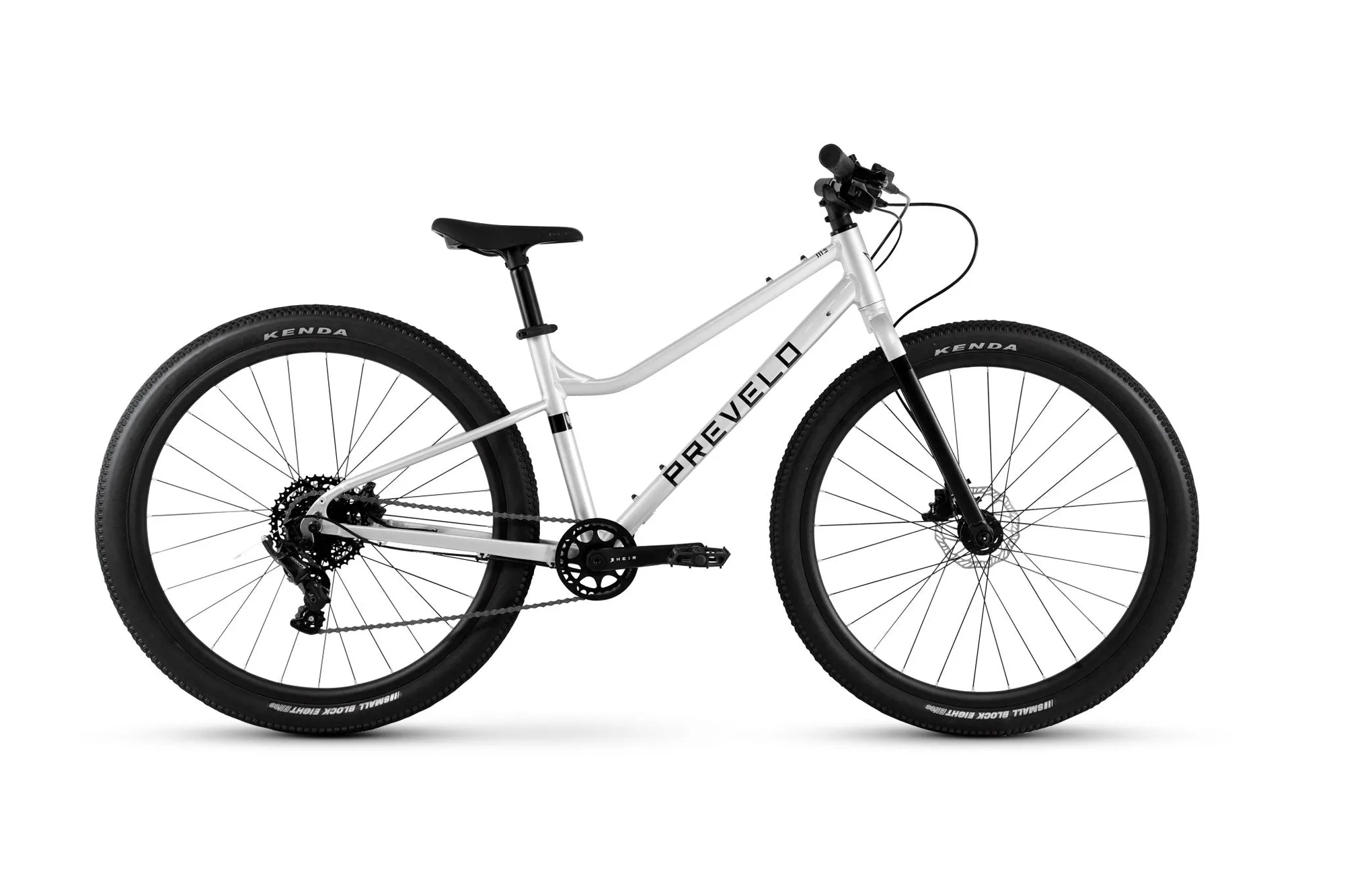
- Alpha Five: The Alpha Five Mk III is a 26-inch geared bike for riders ages 9 to 13, with an 8-speed Microshift Acolyte drivetrain, 11–38 T cassette, clutched derailleur, and Promax hydraulic disc brakes. A jersey that fits close and stays put matters more on a bike with this much gear range, because your child will be moving around on the saddle and standing to climb.
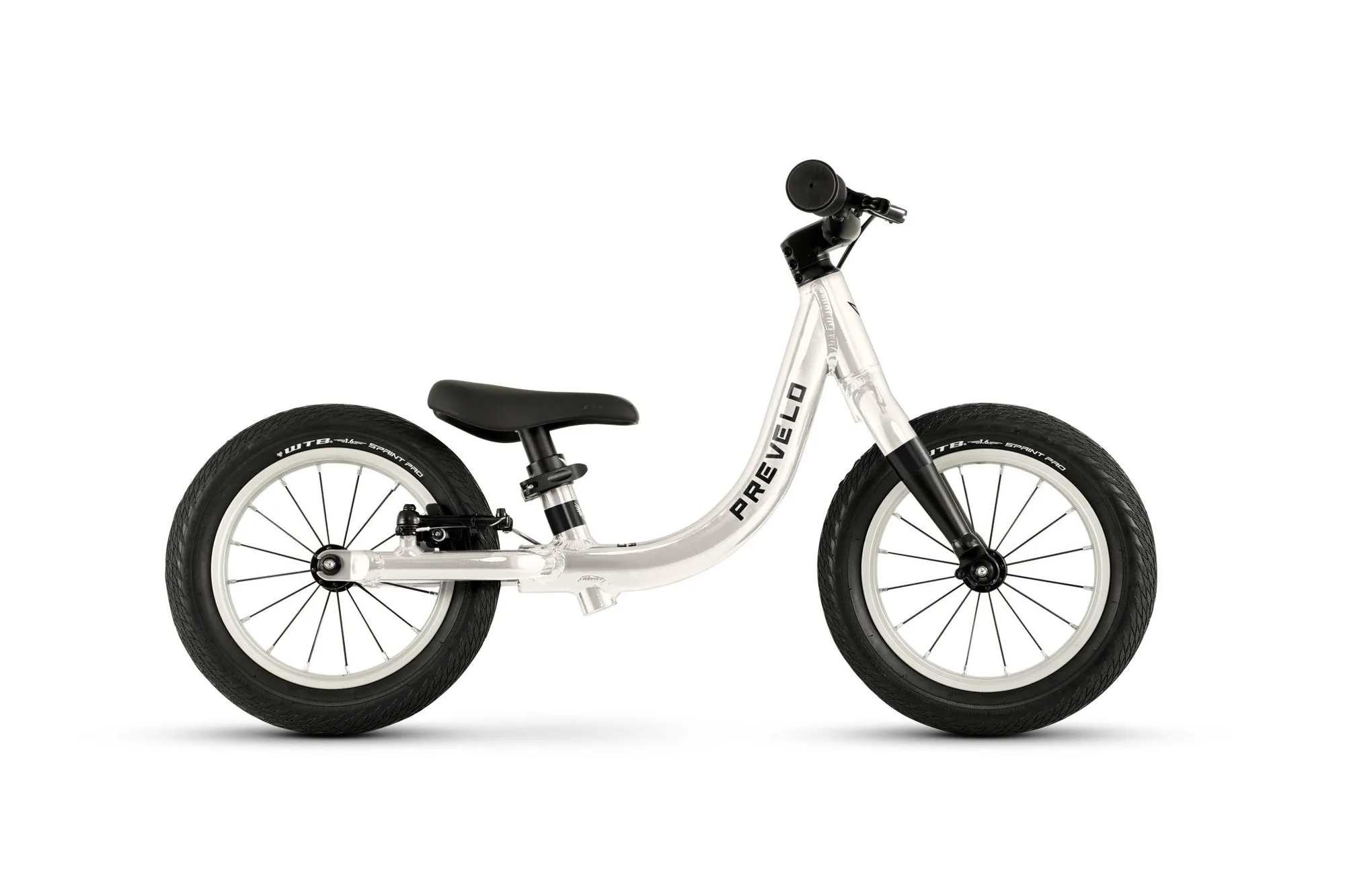
- Alpha Zero: The Alpha Zero Mk III balance bike weighs 6.9 pounds, has a lightweight aluminum frame, a real rear V-brake, sealed hubs, air tires, and tool-free seat adjustment. For toddlers on a balance bike, a simple pullover jersey with no loose hem is safer and easier to manage than a zippered or pocketed jersey.
Who this guide is for
Best for
- Parents buying a first or replacement cycling jersey for a child who rides regularly
- Riders ages 4 to 13 who need a comfortable, visible layer for paved paths or light trails
- Families who want a jersey that works for both casual rides and longer weekend outings
Not for
- Children who only ride a balance bike indoors or in a driveway and do not need moisture-wicking fabric
- Riders who need full rain protection, which requires a waterproof shell rather than a jersey
- Parents looking for a race-fit skinsuit or aerodynamic clothing for competitive youth cycling
Pick a jersey that fits close, breathes, and adds visibility, and your child will wear it without thinking about it. Start with the decision rules above, measure your rider, and choose the simplest option that matches how and where they actually ride.