Quick Answer
Choose a kid's toothbrush with soft or extra soft bristles and a head size that fits your child's mouth comfortably. Prioritize a handle your child can grip easily, and replace it every three months or after illness.
Why Soft Bristles Matter for Kids
Children's gums are more delicate than adults', so firm bristles can cause irritation or even damage enamel over time. Soft bristles effectively remove plaque without being harsh, making them the safest choice for daily brushing. Extra soft bristles are especially gentle for toddlers who are still learning to brush and may press too hard.
Bristle hardness isn't regulated by a universal standard, so a brush labeled 'soft' from one brand may feel different from another. When in doubt, choose an extra soft option to be safest for young mouths.
Head Size and Handle Design: Get the Fit Right
A toothbrush head that's too large can't reach back molars and may trigger gagging. The head should cover about two to three teeth at a time. For toddlers, look for a compact head; older kids can handle a slightly larger one but still smaller than an adult brush.
Handles come in various shapes: some have thick, non-slip grips for small hands, others are angled to reach back teeth. Let your child hold the brush to see if it feels comfortable. A handle that's too long or slippery can make brushing frustrating and less effective.
Steps to Pick the Perfect Kid's Toothbrush
- Check the bristle softness: Look for 'soft' or 'extra soft' on the label. Avoid medium or hard bristles for children. If the package doesn't specify, choose another brand. When uncertain, extra soft is the safest bet.
- Match head size to your child's mouth: Place the brush against your child's teeth. The head should cover about two to three teeth. If it covers more, it's too big. A smaller head reaches back molars more easily.
- Evaluate the handle: Have your child hold the brush. The handle should feel comfortable and not slip. For toddlers, a thicker, non-slip grip is ideal. A good grip encourages proper brushing technique.
- Replace every three months or after illness: Set a reminder to swap the toothbrush every three months, or sooner if bristles are frayed. Replace after a cold or flu to avoid reintroducing germs. Mark the calendar to keep replacement on track.
Product Spotlight
-
Extra Soft Kid's Toothbrush: The Extra Soft Kid's Toothbrush is priced at USD 2.87 with a catalog comparison price of USD 4.49. This budget-friendly price makes it easy to replace the brush every three months without breaking the bank, ensuring your child always has a hygienic, effective tool.
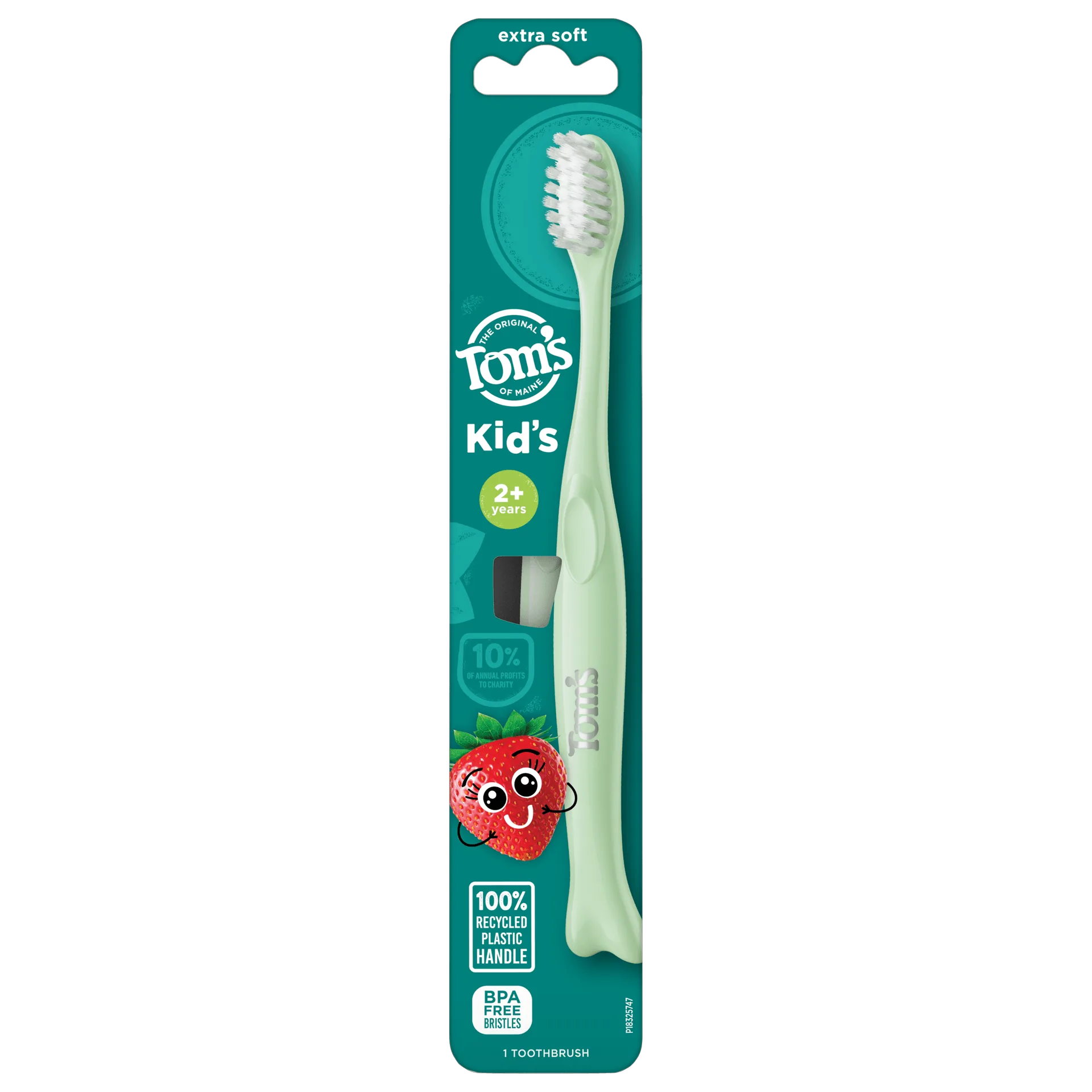
Extra Soft Kid's Toothbrush