Quick answer
Buy knee pads that stay put when your child pedals, walk, and falls. Prioritize a snug but non-pinching fit, coverage that matches their riding style, and a sleeve or strap system they can put on without help. For most families, a lightweight pair for everyday riding plus a burlier pair for trail days covers nearly every situation.
Knee pads are the piece of bike safety gear kids actually notice, because they either stay in place or they do not. A pad that slides down mid-ride stops protecting the knee and starts annoying the rider, which usually means it ends up in a backpack. The goal is simple: match the pad to how your child rides, then verify the fit before you buy.
This guide walks through the decisions that matter most for kids knee pads: coverage level, sleeve versus hard-shell construction, sizing that accounts for growth, and when knee protection is worth the extra layer. It also covers how to check fit at home and when to replace a pad that has lost its shape.
Match the pad to how your child actually rides
The biggest mistake parents make is buying one pair for every situation. A learner wobbling around the driveway needs light padding that does not restrict pedaling or feel bulky under shorts. A kid hitting jump lines or rocky trails needs a pad with more coverage and a shell that can take repeated impacts. Treat these as two different purchases, not one compromise.
If you are only buying one pair, choose the lighter option. A pad your child will actually wear beats a heavier pad that stays home. You can always add a burlier set later for trail days, and many families end up with a simple rotation: everyday pads for the neighborhood, heavier pads for park and trail sessions.
- Learner or casual rider: prioritize low bulk and easy on/off.
- Trail or park rider: prioritize coverage above and below the kneecap.
- Rider who crashes often: prioritize a shell that holds its shape.
Fit checks that predict whether pads will stay in place
A knee pad stays put when the sleeve or straps anchor above and below the knee without cutting off circulation. Have your child bend their knee to about 90 degrees, then try to slide the pad down with your hand. If it rolls or slides more than a finger's width, it is too loose. If the skin bunches or the edges dig in, it is too tight.
Check the top edge against the thigh and the bottom edge against the calf. Both should sit flat, not roll. Then have your child pedal around the block or do ten squats. Pads that pass the static fit test but migrate during movement are the ones that end up unused, so this step matters more than any size chart.
- Measure the thigh just above the knee and the calf just below it, then compare to the size range.
- When between sizes, size up only if the pad has adjustable straps; otherwise stay with the smaller size.
- Test fit over the shorts or pants your child will actually ride in.
Sleeve, strap, or hard shell: what each design buys you
Sleeve-style pads slide on like a compression garment and stay close to the leg. They are light, breathe well, and work under shorts, but they can be harder for younger kids to pull on independently. Strap-style pads use Velcro or buckles and are easier to adjust, though straps can rub if they are not positioned flat.
Hard-shell pads add a plastic or composite cap over the kneecap. That cap spreads impact and helps the pad slide instead of grabbing the ground, which reduces the chance of a twist injury. The tradeoff is weight and bulk. For most young riders, a soft pad with a dense foam insert is enough; the shell becomes worth it as speed and terrain difficulty increase.
- Soft sleeve: best for pedaling comfort and everyday riding.
- Strap-on soft pad: best for kids who dress themselves and need adjustability.
- Hard shell: best for trail, park, and higher-speed riding.
Materials and care: what holds up to kid-level wear
Look for a pad with a durable outer fabric that resists scuffs and moisture, because kids set pads down on pavement, toss them in gear bags, and ride through puddles. A rubber-like or abrasion-resistant coating on the exterior extends the life of the pad and makes it easier to wipe clean.
Inside, the foam or gel insert should feel dense rather than squishy. A pad that compresses flat between your fingers will compress flat in a fall. Check the care instructions before buying; most pads are hand wash or gentle cycle and air dry, and heat from a dryer can break down the foam and elastic.
- Wipe the exterior after muddy rides rather than letting grit work into the seams.
- Air dry only; heat shortens the life of elastic and foam.
- Replace pads once the elastic stays stretched out or the foam stays compressed.
What to pair with knee pads
Knee pads cover one impact zone. For a complete setup, pair them with a helmet that fits, gloves for grip and palm protection, and elbow pads if your child is riding park or downhill terrain. On longer rides, a small top-tube bag keeps snacks and a multi-tool within reach so your child is not digging through a backpack mid-trail.
Personalizing gear also helps younger riders take ownership of safety equipment. Stickers on a helmet or pad case make the gear feel like theirs, which is a small but real factor in whether it gets worn without a negotiation every time.
- Helmet first, then gloves, then knee pads, then elbow pads for aggressive riding.
- Carry a basic tool and snack on the bike, not in a backpack, for shorter riders.
- Let your child decorate their gear so it feels personal.
Decision rules for buying kids knee pads
- If your child is still learning to pedal: Choose a lightweight sleeve or strap pad with soft foam and minimal bulk. The priority is that it stays in place during slow-speed wobbles and does not interfere with pedaling. Buy for comfort and compliance first; upgrade coverage later.
- If your child rides trails or jumps: Choose a pad with a hard shell or dense insert and coverage that extends above and below the kneecap. Confirm the pad does not slide when the knee bends. Coverage and stability matter more than weight savings here.
- If your child dresses themselves: Choose a strap-on design with easy-to-reach closures. Sleeve pads can be difficult for younger kids to pull on, and a pad they cannot put on alone is a pad they will skip. Independence is a safety feature.
- If you are between sizes: Measure the thigh above the knee and the calf below it. If the pad has adjustable straps, size up; if it is a fixed sleeve, stay with the smaller size to prevent sliding. A pad that slides is worse than a pad that feels snug.
- If the pad has lost its shape: Replace it when the elastic stays stretched or the foam stays compressed after use. Protection depends on the pad recovering its thickness between impacts. Inspect pads at the start of each season.
Prevelo gear that fits this decision
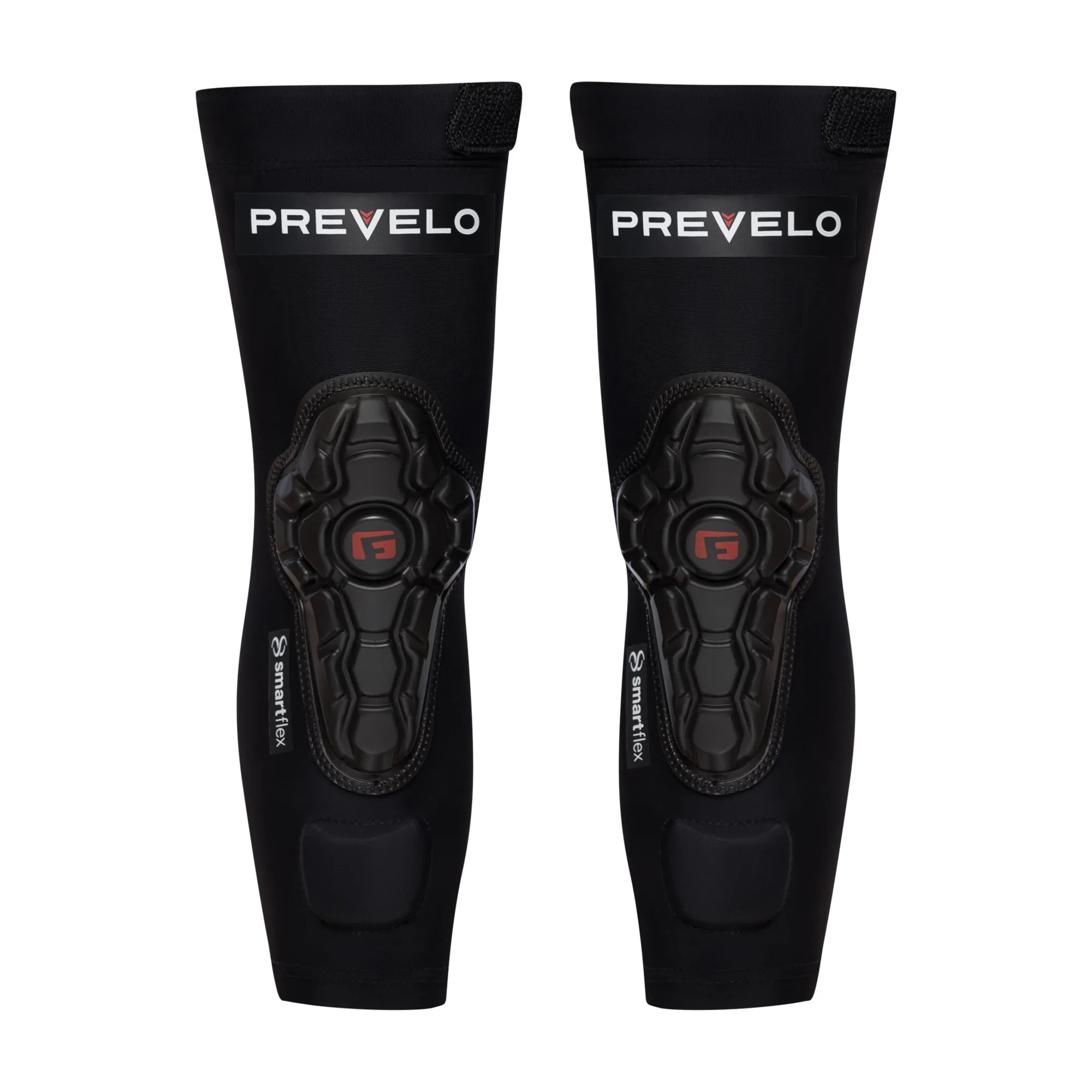
- Prevelo Knee Pads by G-Form: Designed as a knee pad for young riders of all skill levels, suited to saving learners from scrapes on the sidewalk and shredders from trail mishaps. One pad covers both the learner phase and the trail phase, which simplifies the decision if you would rather buy once and adjust fit as your child grows.
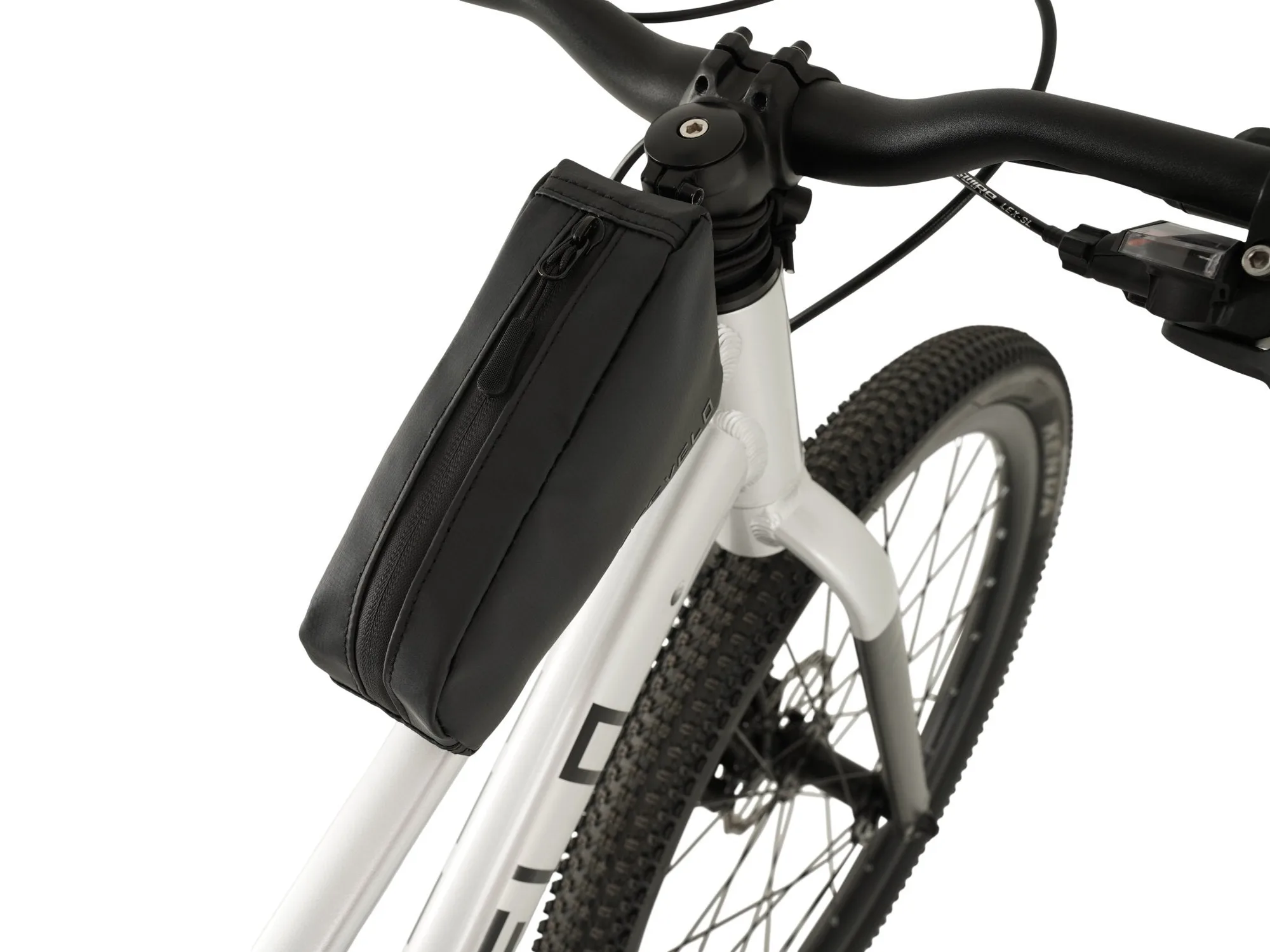
- Rider Supply Pod: Mounts on the top tube and offers a practical spot for ride-day essentials like snacks or tools, with a tough rubber-like exterior coating and a zippered top for access with gloves. Keeps small items on the bike instead of in a backpack, so kids can grab what they need without stopping to unzip a bag.
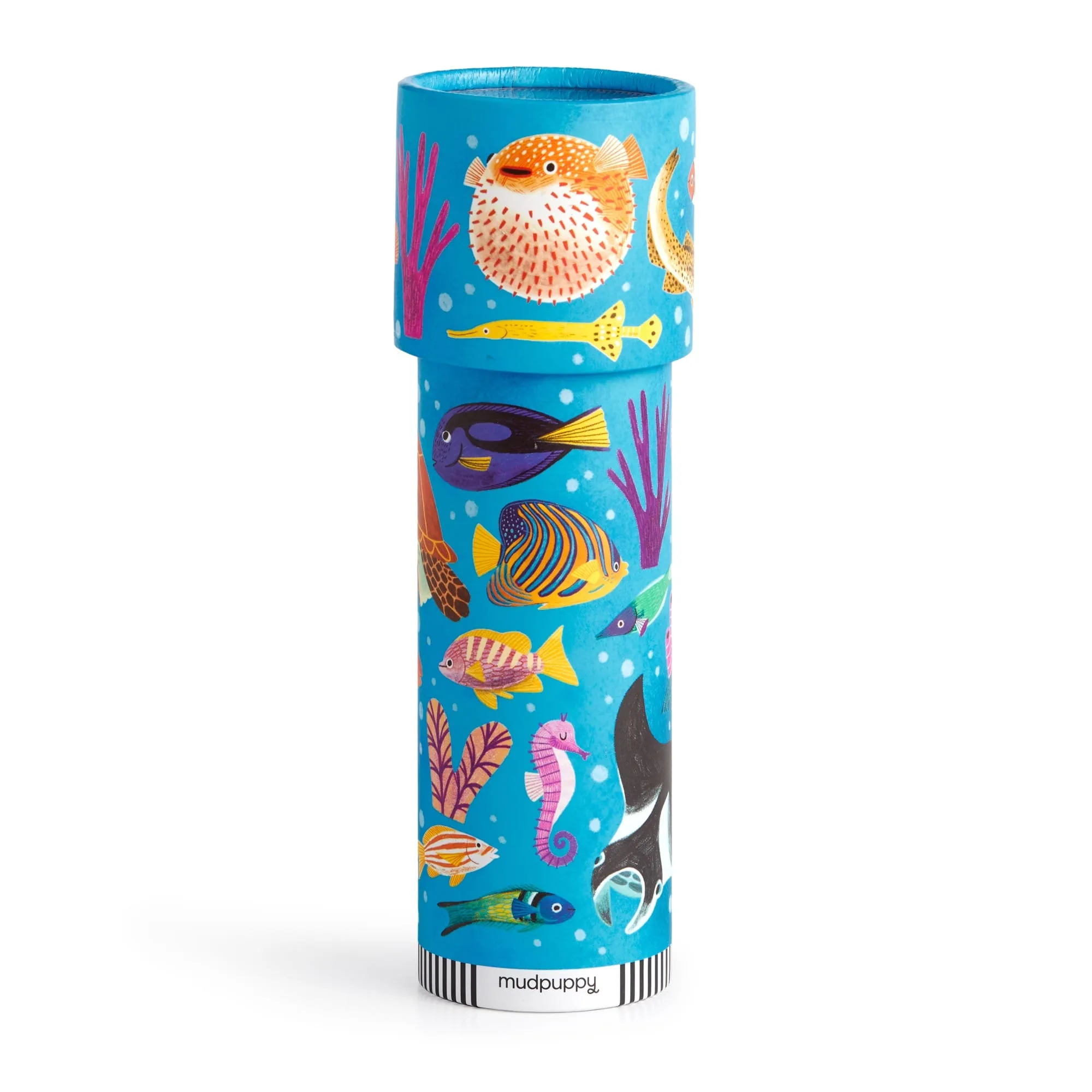
- Prevelo Stickers: Printed on premium vinyl with a protective laminate that withstands wind, rain, sunlight, and children on sugar rushes. A low-cost way to let your child personalize a helmet or pad case, which makes safety gear feel like theirs.
Who these recommendations fit
Best for
- Parents buying a first pair of knee pads for a young rider
- Families who want one pad that works for both learning and light trail riding
- Riders who need gear they can put on without adult help
Not for
- Downhill or competitive riders who need dedicated hard-shell protection
- Adults shopping for their own cycling knee pads
- Riders looking for a full lower-body protection system rather than knee coverage
Buy the pad your child will actually wear. Start with fit, match coverage to how they ride, and replace pads when the foam and elastic give out. For most families, the Prevelo Knee Pads by G-Form cover the learner-to-trail range, and a few small additions like a top-tube bag and stickers make the gear easier to live with.