Quick answer
Measure your chest at the fullest point and your shoulders across the widest point, then choose a harness whose adjustable range covers both. Fit it snug enough to stay put but loose enough to slide a flat finger under each strap. Adjust the shoulder straps before the chest strap, and recheck after a few minutes of movement.
Take two measurements before you compare sizes
Use a soft tape measure over a thin shirt. For chest, wrap the tape around the fullest part of your chest, keeping it level all the way around. For shoulder measurement, measure from the top of one shoulder, across the back, to the top of the other shoulder. Write both numbers down. If you are between sizes, choose the larger size when the harness has limited adjustment, or the size whose adjustable range includes your measurement on both ends.
Check the adjustable range, not just the size label
A size label alone does not tell you whether a harness will fit. Look for the stated adjustment range on the chest strap and shoulder straps. An adjustable leather harness that covers your chest measurement with at least 2–3 cm (about 1 inch) of room on each side gives you space to fine-tune. If the product page lists only a size name and no range, treat that as a limitation and ask the seller for the actual strap lengths before buying.
Adjust shoulder straps first, then the chest strap
Put the harness on loosely. Tighten the shoulder straps until the harness sits where you want it on your torso, then tighten the chest strap. This order prevents the chest strap from pulling the shoulder straps into your neck or armpits. After both are set, check that the chest strap sits flat and does not twist. A twisted strap concentrates pressure and is a common cause of pinching.
Test movement before you commit
Raise your arms overhead, roll your shoulders, and take a few deep breaths. The harness should stay in place without digging in. If a strap cuts into your shoulder or armpit, loosen it one notch and retest. If the harness slides down when you move, tighten the chest strap slightly. Repeat until you can move freely with no sharp pressure points.
Break in leather gradually and watch for pressure marks
Genuine leather softens with wear and conforms to your body over time. Wear the harness for short sessions at first, then check for red marks or sore spots. Mild marks that fade within an hour are normal; deep marks or numbness mean the harness is too tight. If a strap edge feels sharp, a small amount of leather conditioner on the edge can help it flex, but do not stretch the strap.
Step-by-step harness fit check
- Measure chest and shoulders: Use a soft tape over a thin shirt. Chest: around the fullest part, tape level. Shoulders: across the back from shoulder top to shoulder top. Write both numbers down. Checkpoint: if you are between sizes, pick the size whose adjustable range covers your measurement with room to spare.
- Compare your numbers to the adjustable range: Find the stated range for the chest strap and shoulder straps. Make sure your chest measurement falls inside that range with at least 2–3 cm (about 1 inch) of adjustment on each side. Common mistake: buying by size label only. If no range is listed, ask the seller for strap lengths.
- Put it on and adjust shoulders first: Loosen all straps, put the harness on, and tighten the shoulder straps until the harness sits where you want it. Then tighten the chest strap. Checkpoint: the chest strap should sit flat and not twist. A twisted strap is a common pinch point.
- Test movement and breathing: Raise your arms, roll your shoulders, and take deep breaths. The harness should stay in place without digging in. Loosen or tighten one notch at a time until it feels secure but not restrictive. If a strap cuts into your shoulder or armpit, loosen it. If the harness slides down, tighten the chest strap slightly.
- Break it in gradually and check for marks: Wear the harness for short sessions at first. After each session, check for red marks or sore spots. Mild marks that fade within an hour are normal; deep marks or numbness mean it is too tight. Next step: if a strap edge feels sharp, apply a small amount of leather conditioner to the edge to help it flex. Do not stretch the strap.
Product facts
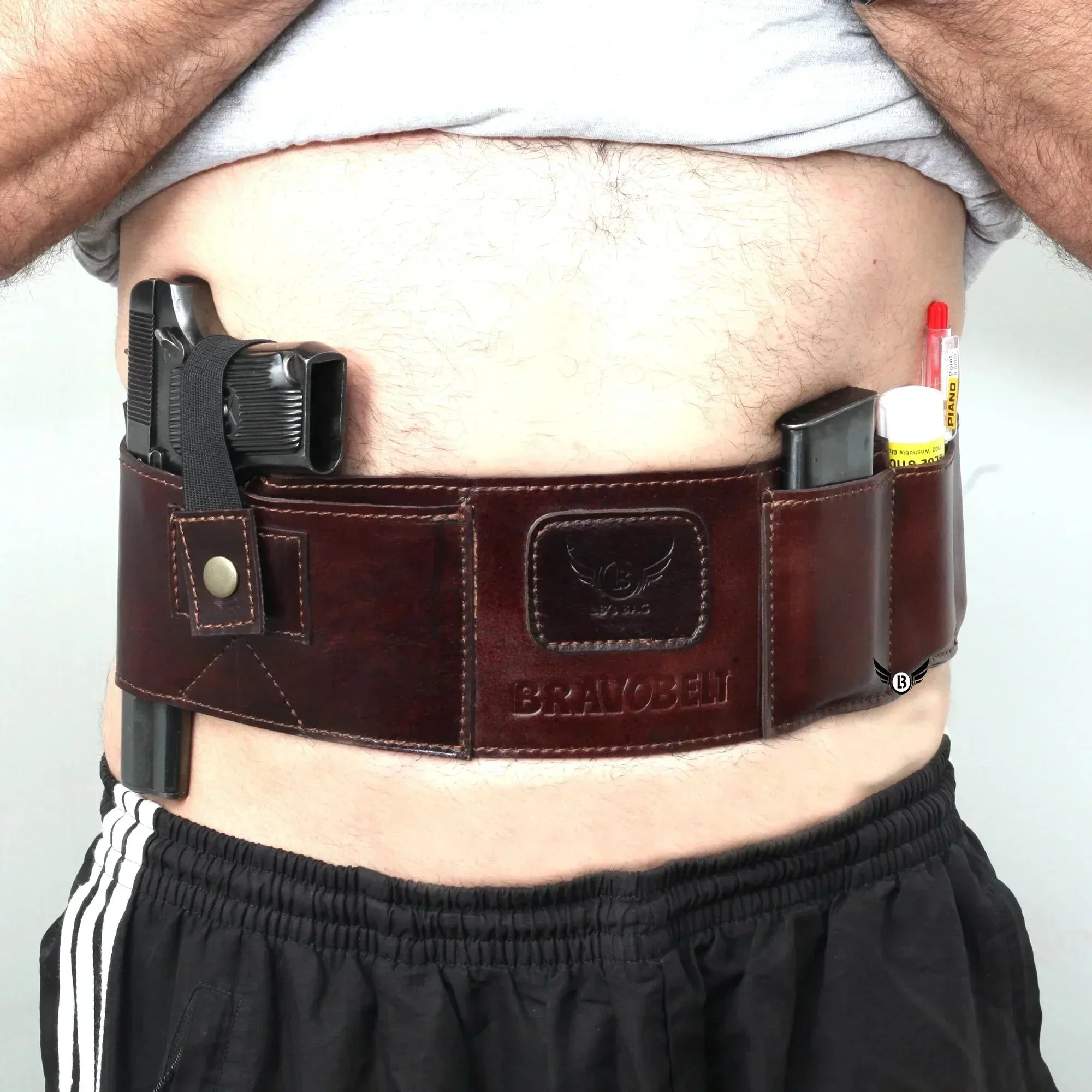
- Cowhide Leather BravoBelt Belly Band Holster Ambidextrous Concealed Carry: Cowhide Leather BravoBelt Belly Band Holster Ambidextrous Concealed Carry is handcrafted from full-grain cowhide leather and available in multiple sizes. Full-grain leather softens and conforms to your body, so the fit improves with wear; choosing the right size from the start prevents pinching before the leather breaks in.
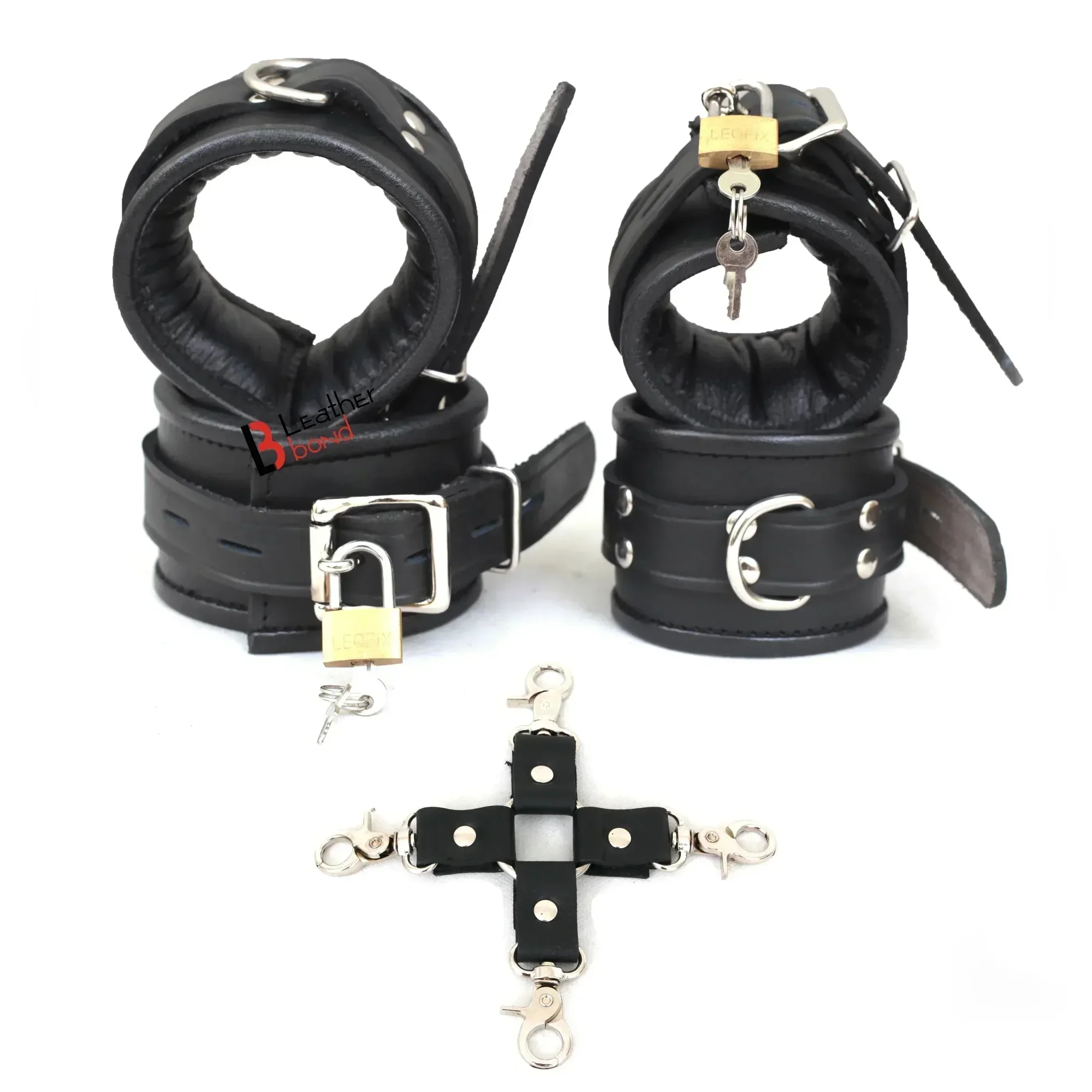
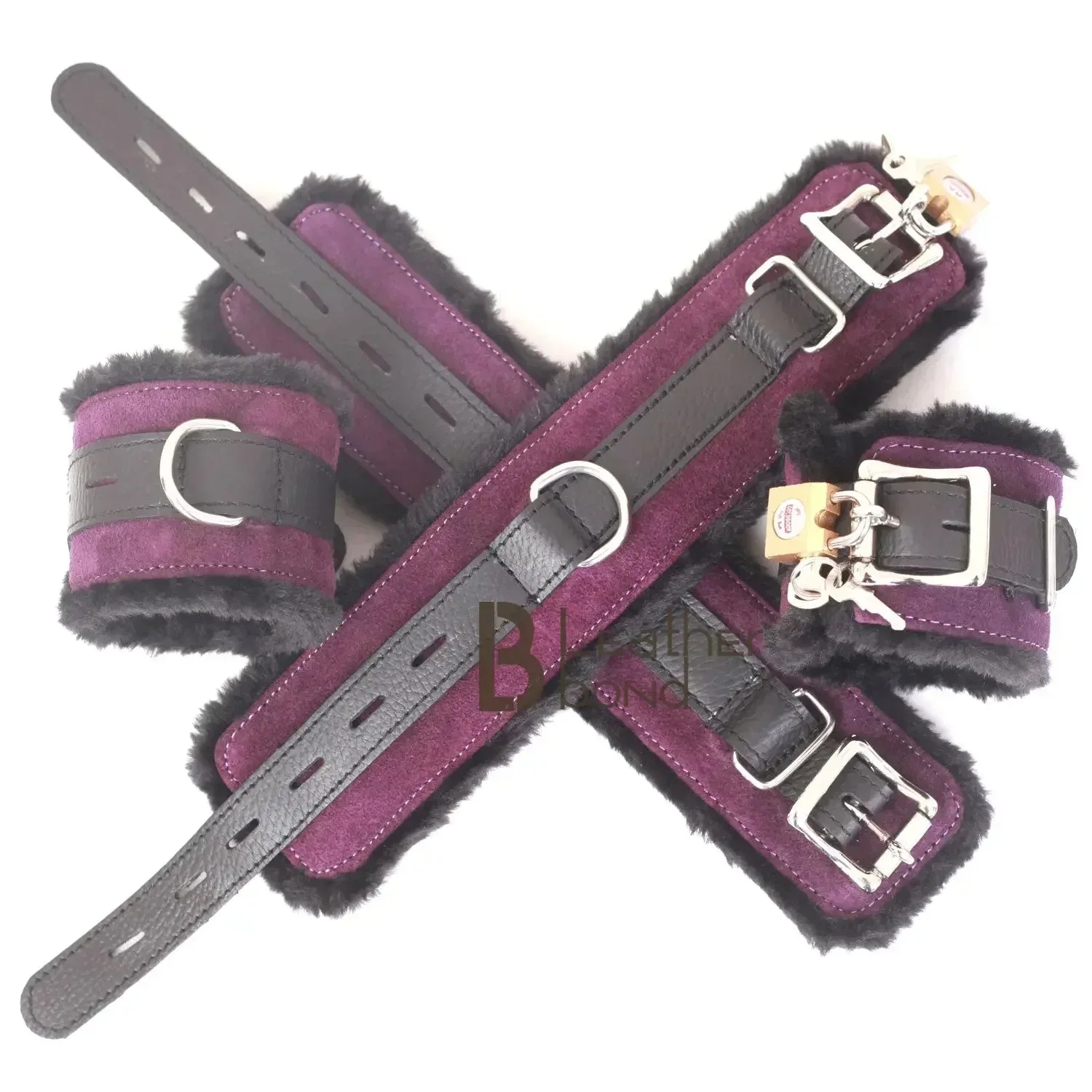
- Real Leather 4-Piece Padded Wrist & Ankle Cuffs Lockable Restraint Bondage Set | Full Black: Real Leather 4-Piece Padded Wrist & Ankle Cuffs Lockable Restraint Bondage Set is handcrafted from 100% genuine cowhide leather with padded cuffs. Padded cuffs reduce pressure points, which is the same principle behind a comfortable harness: distribute load over a wider area instead of a thin strap edge.