Quick Answer
Choose a lens mount adapter by first matching your lens mount to your camera mount exactly, then deciding whether you need a simple tube or a shift adapter. For most vintage lens adaptations to mirrorless, a precision all-metal adapter with guaranteed infinity focus is the right starting point. If you shoot architecture or need perspective control, a shift adapter is worth the extra cost.
Match the Mounts Before Anything Else
The single most important step is confirming both sides of the adapter: the lens mount you have and the camera mount you are adapting to. Adapters are not universal; a Hasselblad V to Canon EOS adapter will not fit a Nikon Z camera, and a C-mount lens adapter for Sony E-mount will not work on a Canon EF body. Write down the exact mount name from your lens and camera manuals, then search for an adapter that lists both. If the product description does not explicitly state both mounts, treat it as incompatible until proven otherwise.
Infinity Focus and Flange Distance
Infinity focus means the lens can focus at far distances when mounted on the adapter. This depends on the flange distance of the camera and lens mounts. Mirrorless cameras generally have shorter flange distances, which gives more room for adapters to work correctly. A quality adapter is designed so that the lens sits at the correct distance, allowing focus to infinity or slightly beyond. If an adapter is too thick or too thin, you may lose infinity focus or the lens may not focus correctly at all. Look for adapters that explicitly guarantee infinity focus or beyond, as this indicates the manufacturer has accounted for the correct flange distance.
Simple Adapter vs. Shift Adapter
Most adapters are simple tubes that just mount the lens to the camera. They are compact, affordable, and work well for general photography. Shift adapters add a mechanism that lets the lens move off-axis, which is useful for correcting perspective in architectural shots or creating stitched panoramas. Shift adapters are larger, heavier, and more expensive, but they provide movements that a simple adapter cannot. If you do not need perspective control, a simple adapter is the better choice because it is lighter and less likely to introduce play.
Build Quality and Fit
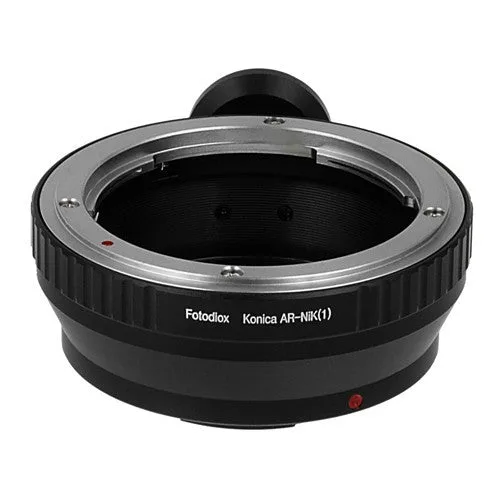
A well-made adapter should have no play, gaps, or wiggling when the lens is mounted. Look for all-metal construction, such as hardened anodized aluminum, and precision craftsmanship. Cheaper adapters may use plastic or loose tolerances, which can cause light leaks, poor electrical contacts, or even lens drop. A solid connection also protects your camera mount from stress. If the adapter feels loose or requires adjustments, return it. Fotodiox adapters, for example, emphasize high-tolerance construction and precise fit.
Electronic Contacts and Focus Confirmation
Some adapters include electronic contacts to communicate between the lens and camera. For vintage lenses without electronics, a focus confirmation chip can help by providing an autofocus assist indicator when you manually focus. This is especially useful on Canon EOS bodies, where the chip can trigger the focus confirmation light. Not all adapters have this feature, and it is not necessary for mirrorless cameras that offer focus peaking and magnification. Decide if you need focus confirmation or if you prefer to rely on your camera's manual focus aids.
Decision Rules for Buying a Lens Mount Adapter
- Rule 1: Exact mount match: Confirm the lens mount and camera mount are both listed in the adapter's compatibility. If either is missing, do not buy. Checkpoint: the adapter description must name both mounts.
- Rule 2: Infinity focus guarantee: Choose an adapter that explicitly states infinity focus or beyond is guaranteed. This indicates correct flange distance. Checkpoint: look for 'infinity focus or beyond' in the specs.
- Rule 3: Build and fit: Prefer all-metal, high-tolerance construction with no play or wiggling. A loose adapter risks light leaks and lens drop. Checkpoint: read reviews for fit issues; return if loose.
- Rule 4: Shift only if needed: Buy a shift adapter only if you need perspective control or stitching. Otherwise, a simple adapter is lighter and cheaper. Checkpoint: shift adds cost and bulk; skip it for general use.
- Rule 5: Electronic aids: If you want focus confirmation on Canon EOS, look for a chip. Mirrorless cameras often have focus peaking, so a chip may be unnecessary. Checkpoint: decide based on your camera's manual focus tools.
Adapters Worth Considering
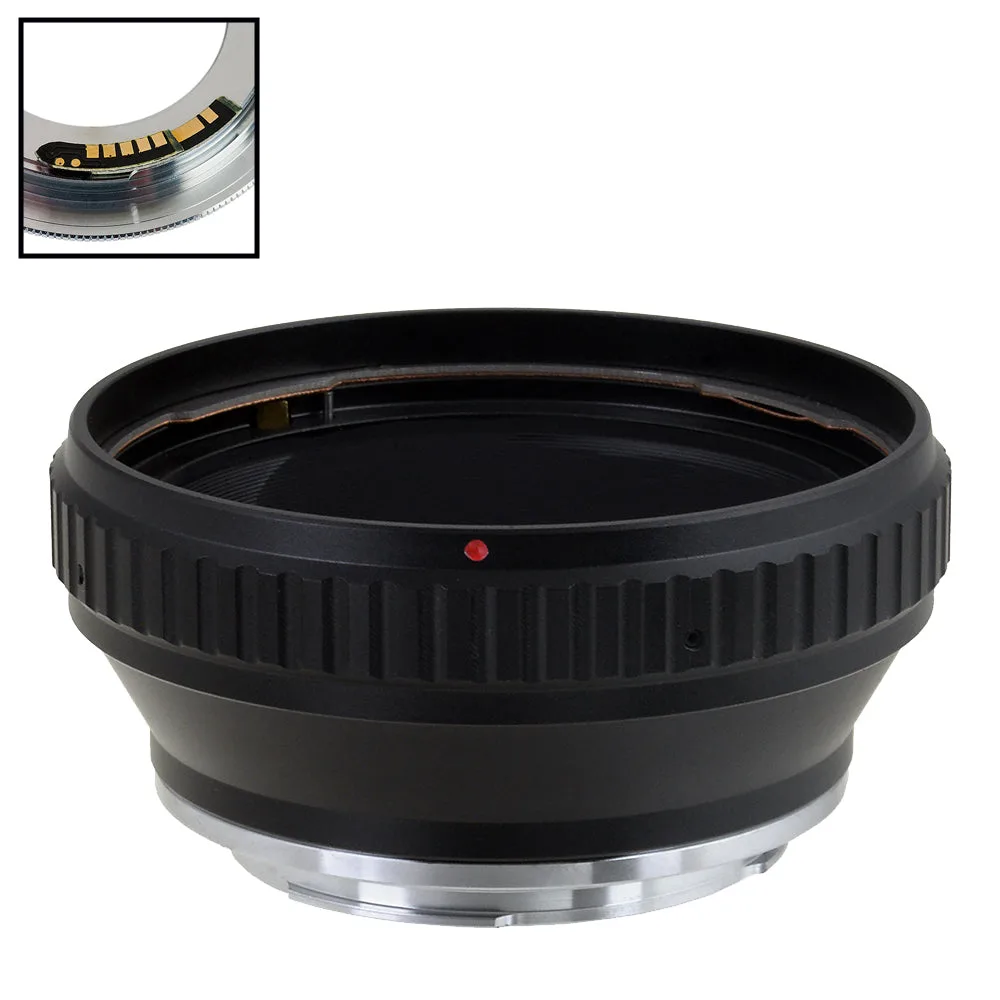
- Fotodiox Lens Mount Adapter Compatible with Hasselblad V-Mount SLR Lenses to Canon EOS (EF, EF-S) Mount SLR Camera Body - with Generation v10 Focus Confirmation Chip: Mounts Hasselblad V-Mount SLR lenses to Canon EOS (EF, EF-S) mount SLR cameras; includes Generation v10 focus confirmation chip for increased compatibility. Lets you use vintage Hasselblad V lenses on Canon EOS bodies with focus confirmation assistance, which is helpful for manual focus.
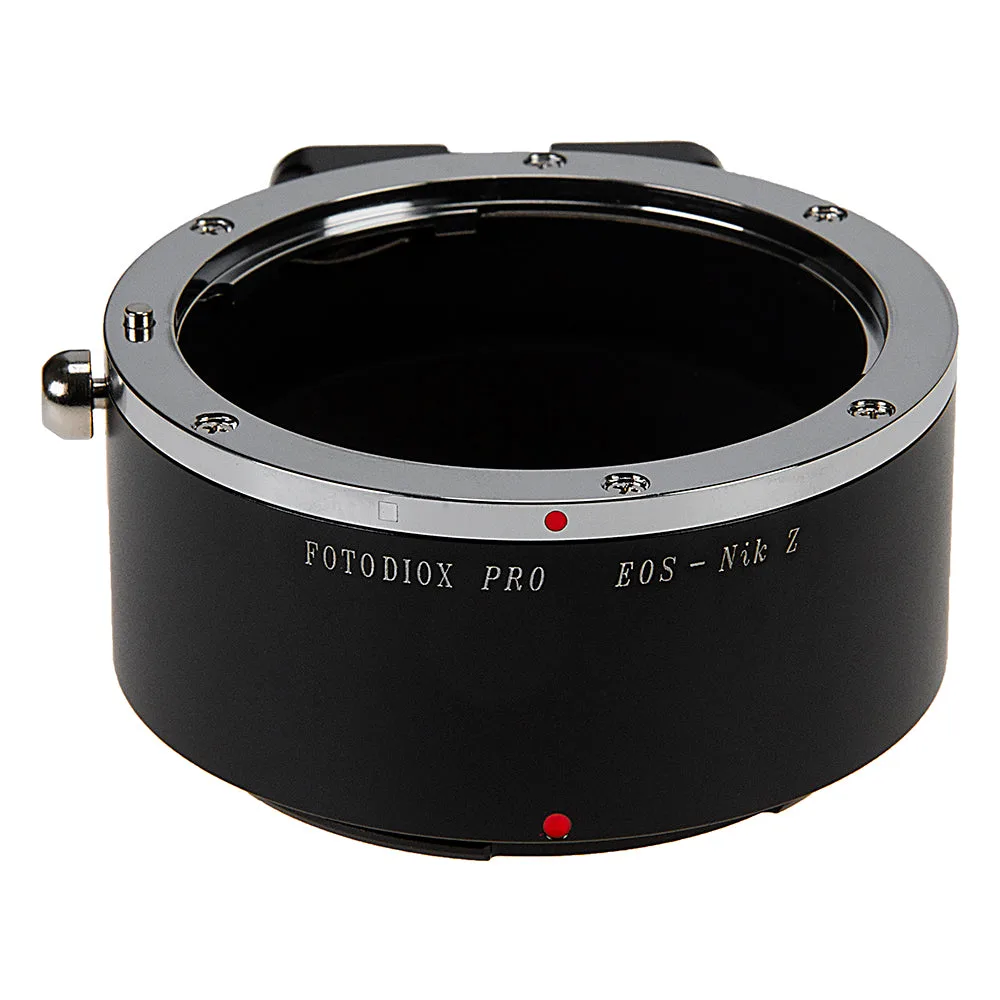
- Fotodiox Pro Lens Mount Adapter Compatible with Canon EOS (EF / EF-S) D/SLR Lenses to Nikon Z-Mount Mirrorless Camera Bodies: Mounts Canon EOS (EF / EF-S) D/SLR lenses to Nikon Z-Mount mirrorless camera bodies; precision all-metal construction with infinity focus or beyond guaranteed. Allows Canon EF lenses to work on Nikon Z mirrorless cameras, preserving infinity focus and providing a solid connection.
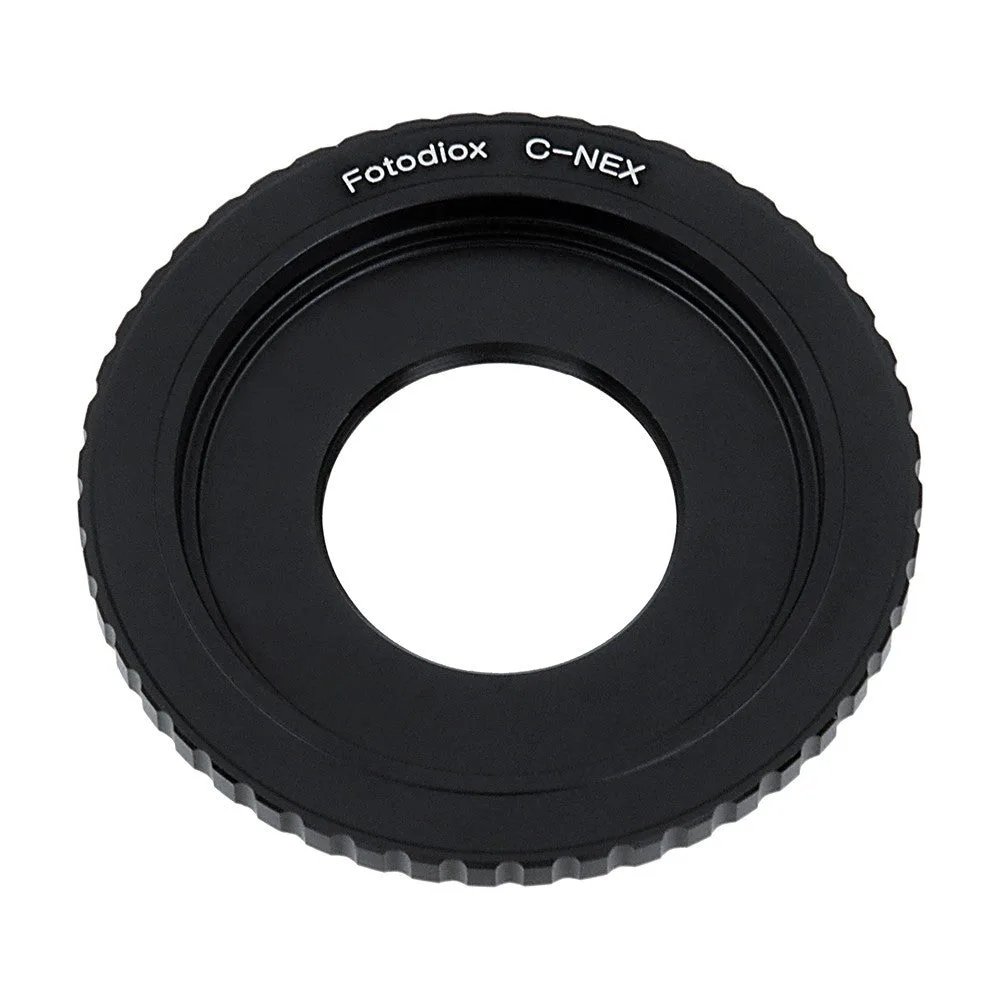
- Fotodiox Lens Mount Adapter - C-Mount CCTV / Cine Lens to Sony Alpha E-Mount Mirrorless Camera Body: Mounts C-Mount CCTV / Cine lenses to Sony Alpha E-Mount mirrorless cameras; not compatible with Sony A7R3 and A7R4. A low-cost way to use C-mount lenses on many Sony E-mount bodies, but you must check your specific model because some high-resolution bodies are excluded.
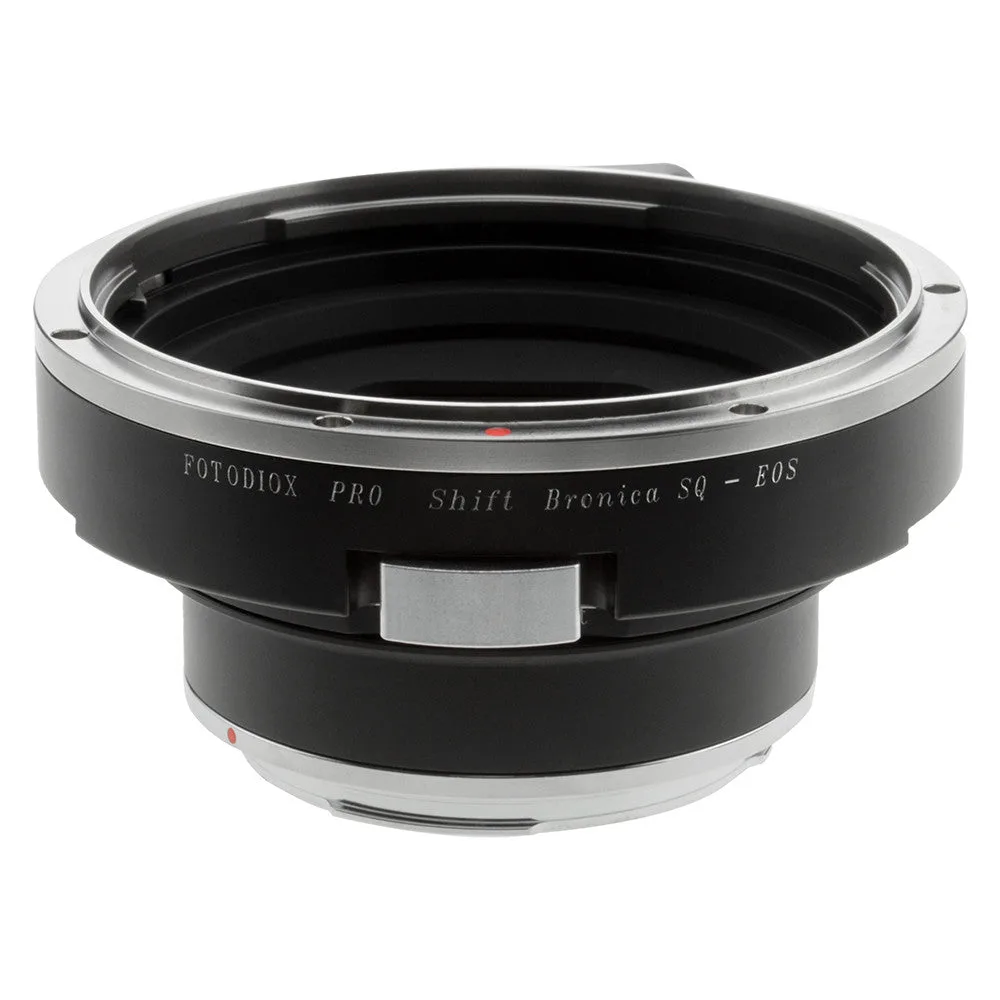
- Fotodiox Pro Lens Mount Shift Adapter - Bronica SQ Mount Lens to Canon EOS (EF, EF-S) Mount SLR Camera Body: Mounts Bronica SQ mount lenses to Canon EOS (EF, EF-S) mount SLR cameras; allows 9mm shift in each direction and 360-degree rotation. Provides perspective control for architecture and stitching, with shift and rotation that simple adapters lack.
Who Should Buy Which Adapter
Best for
- Photographers adapting vintage lenses to mirrorless cameras who need reliable infinity focus and a solid fit.
- Canon EOS users who want to use Hasselblad V lenses and benefit from focus confirmation.
- Nikon Z shooters who want to use Canon EF lenses with full manual control and guaranteed infinity focus.
- Sony E-mount users who want an inexpensive way to try C-mount cine lenses, provided their camera model is compatible.
Not for
- Users who need autofocus with adapted lenses; these adapters are manual focus only.
- Sony A7R3 or A7R4 owners considering the C-mount to Sony E adapter, as it is not compatible with those models.
- Photographers who need weather sealing; these adapters do not claim weather resistance.