Quick answer
Choose the LensCoat made for your exact lens model first. Then check that it has clear windows over the controls you actually use and a hood piece that slides over the barrel. If your lens is not listed, contact LensCoat before buying.
Start with your exact lens model
LensCoat covers are cut for specific lenses, not generic sizes. A cover for a Canon 300mm f/4 does not fit a Nikon 200-500mm, even if the barrel diameter looks close. The product name usually includes the mount and focal length, so match that string to your lens before anything else.
Check the control windows you need
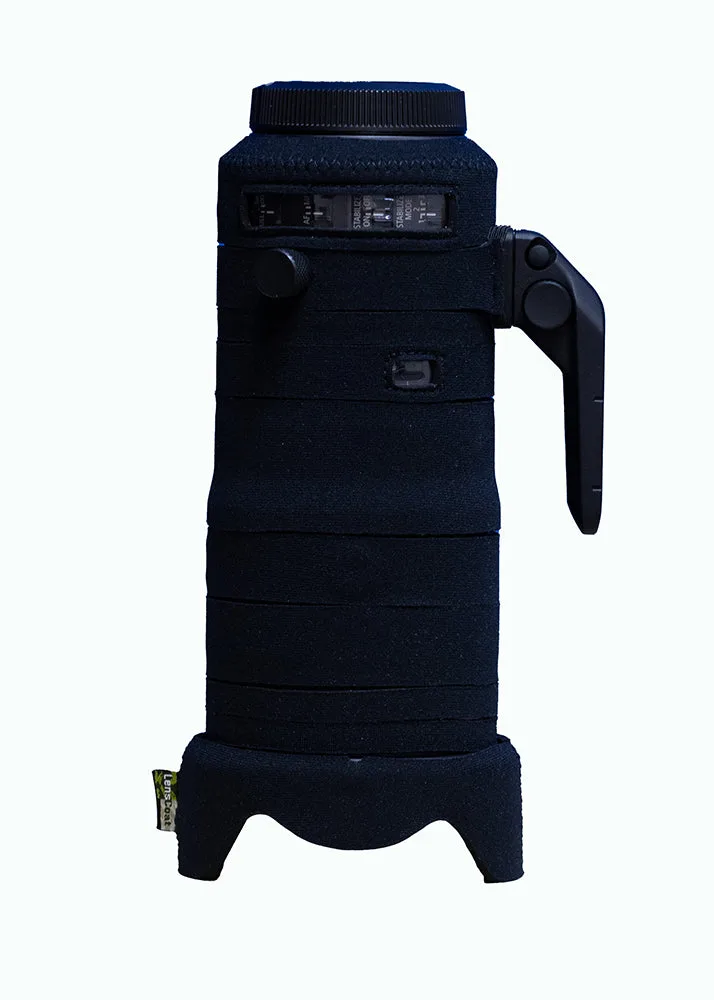
Different lenses place autofocus, distance scales, and switches in different spots. A cover is only useful if you can still reach those controls through clear plastic windows. For example, the LensCoat for the Nikon 200-500mm f/5.6E ED VR has several clear windows over the VR and focus limiting switches. If your lens has a control that the cover blocks, you will be taking it off constantly.
Match the cover to your shooting environment
The main jobs of a telephoto lens cover are to protect against scrapes and bumps, preserve resale value, and break up the lens shape so wildlife notices it less. Some covers also act as a thermal barrier in hot and cold temperatures. If you shoot in extreme heat or cold, look for that feature in the product facts. If you mostly shoot in mild conditions, basic protection may be enough.
Choose a color for your conditions
Color is the main option on most LensCoat covers. Use it to match your environment: lighter patterns for open fields or snow, darker patterns for woodland or shadow. A color that blends in also helps break up the lens shape, which is the point for wildlife work. Pick based on where you shoot most, not on what looks best in a product photo.
Decision rules for choosing a LensCoat
- If your exact lens model is listed: Buy the cover that names your lens, even if a similar model looks close. Fit is cut to the barrel, hood, and control positions. Exact model match beats guessing from a size chart.
- If your lens has switches you adjust often: Check that the cover has clear windows over those switches. The Nikon 200-500mm cover, for example, has windows over the VR and focus limiting switches. No window means you will remove the cover to change settings.
- If you shoot in extreme heat or cold: Look for a cover that states it acts as a thermal barrier. The Nikon 200-500mm cover lists this feature. Thermal protection is a specific feature, not a default on every cover.
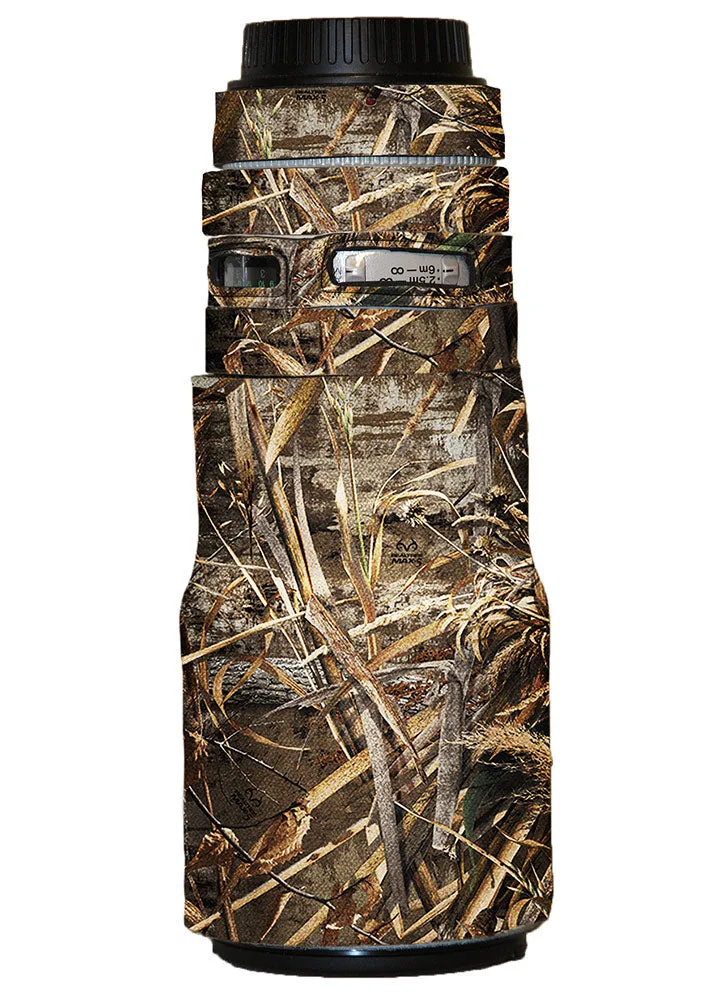
- If you often use a lens hood: Check how the hood piece is designed. The Canon 300 f/4 cover has a hood piece that slides over the barrel. A hood piece that slides on is easier to manage in the field.
Product facts to compare
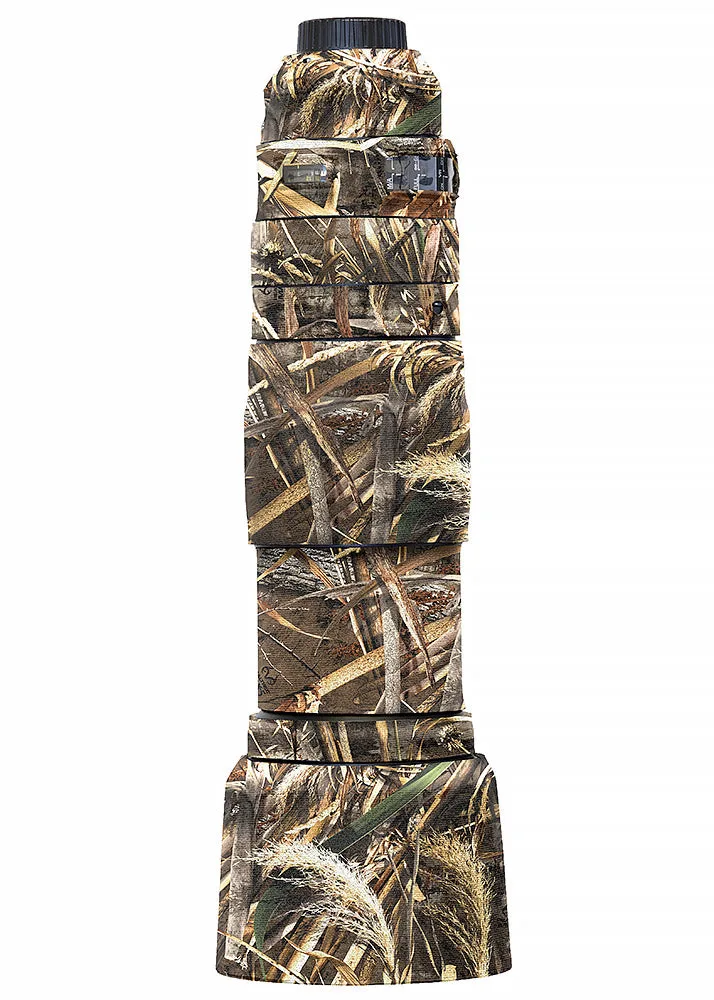
- LensCoat® Canon 300 NO IS f/4: LensCoat for the Canon 300 f/4 NO IS offers protection from scrapes and bumps, helps break up the lens shape, and has clear plastic windows over the auto focus and distance scale. The hood piece is designed to slide over the barrel. You keep access to focus and distance markings while adding bump protection and a lower wildlife profile.
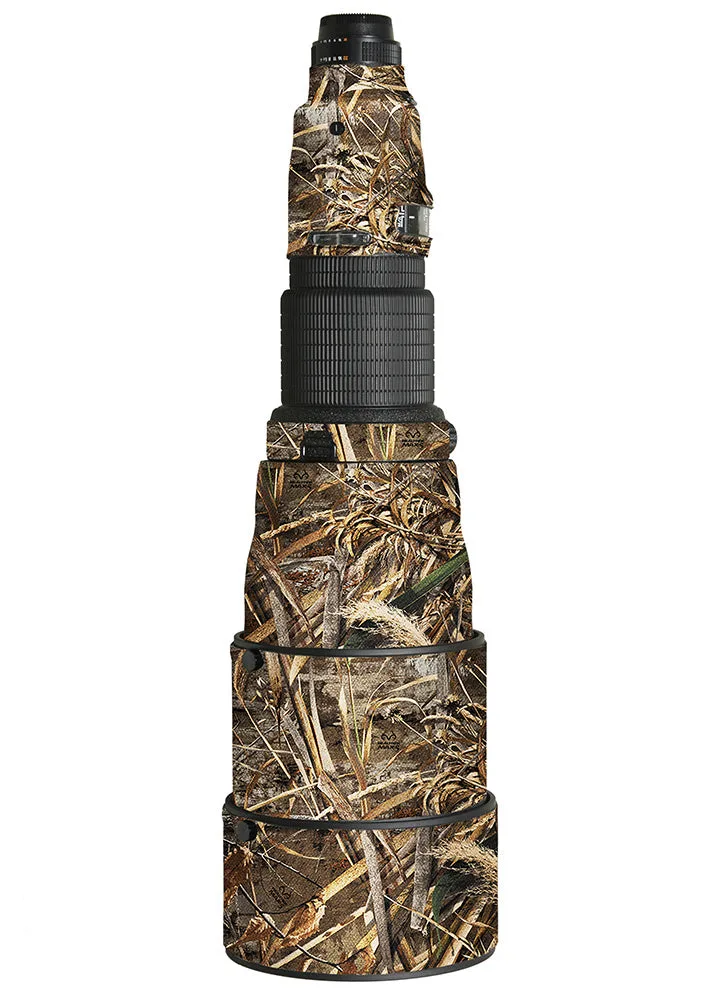
- LensCoat® Nikon 600 AFS I: LensCoat for the Nikon 600 f4 AFS I has clear plastic windows over the auto focus controls and distance scale, plus a small hole on the last segment that lines up with the mount. The windows keep critical controls usable, and the alignment hole helps you fit the cover correctly on the barrel.
- LensCoat® Nikon 200-500 VR: LensCoat for the Nikon 200-500mm f/5.6E ED VR has several clear plastic windows over the VR and focus limiting switches, and acts as a thermal barrier in hot and cold temperatures. You can reach the switches you use most, and the cover adds a thermal layer when shooting in extreme temperatures.
Fit guidance
Best for
- Photographers who know their exact lens model and want protection without losing control access
- Wildlife shooters who want to break up the lens shape and reduce visibility
- Shooters in hot or cold conditions who need a thermal barrier layer
Not for
- Anyone who wants a one-size-fits-all cover for multiple lenses
- Photographers who never use the covered controls and prefer a plain neoprene sleeve
- Lenses that are not listed in the LensCoat catalog