Quick Answer
When choosing magnesium gummies, prioritize a form with high absorption (like citrate or glycinate), check the elemental magnesium per serving (aim for at least 100–200 mg), and verify that the product is third-party tested for quality. Gummies are a great option if you dislike swallowing pills, but if you need a higher dose or want more flexibility, capsules or powders may be better.
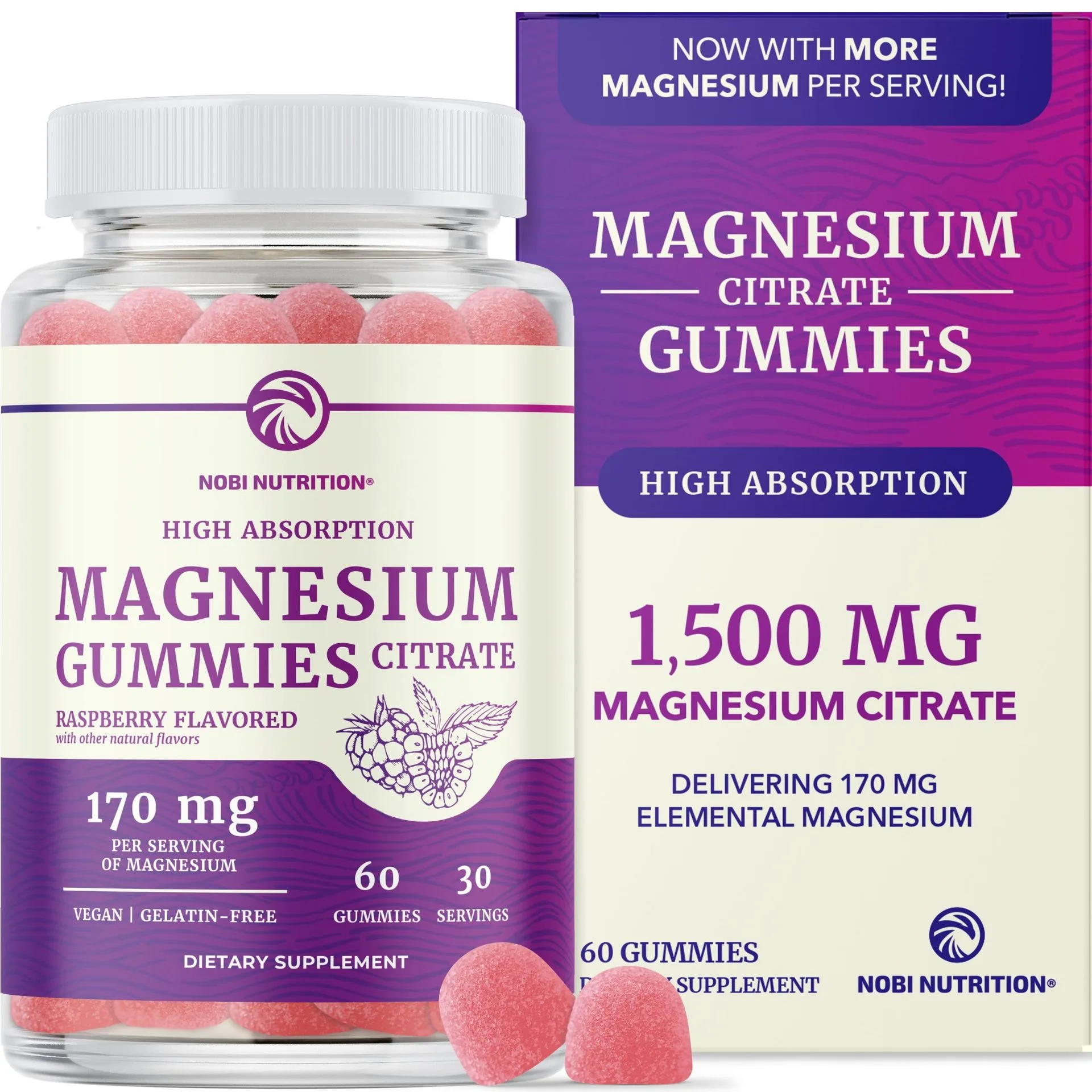
magnesium gummies
Magnesium gummies are a convenient and tasty way to support your daily magnesium intake. But with so many options on the shelf, how do you know which one is right for you? This guide breaks down the key factors to consider—dosage, form, taste, and quality—so you can make an informed choice.
We'll also compare gummies with capsules and powders, and highlight a few specific products that demonstrate what to look for. By the end, you'll have a clear checklist to evaluate any magnesium gummy.
Why Magnesium Gummies?
Gummies are popular because they're easy to chew, taste good, and don't require water. They're especially appealing to people who have difficulty swallowing pills or who simply prefer a more enjoyable supplement experience. However, gummies often contain added sugars and may have a lower magnesium content per serving compared to capsules or powders.
If you're considering gummies, it's important to balance convenience with effectiveness. Look for a product that delivers a meaningful dose of elemental magnesium—the actual amount your body absorbs—rather than just the total magnesium compound weight.
Key Factors to Consider
**Dosage:** Check the label for the amount of elemental magnesium per serving. Many gummies provide around 100–170 mg, which can be a good starting point. If you need a higher dose for specific needs, you might need to take multiple gummies or consider other forms.
**Form:** Magnesium citrate and glycinate are known for good absorption. Citrate is often used for its solubility, while glycinate is favored for sleep and relaxation. Avoid forms like oxide if you want better bioavailability.
**Taste and ingredients:** Since you're chewing them, taste matters. Look for natural flavors and sweeteners, and be mindful of added sugars. Also check for any allergens or artificial additives.
**Quality:** Choose products from reputable brands that use third-party testing and clearly list their ingredients. Transparency about sourcing and manufacturing is a good sign.
- Always check the 'elemental magnesium' amount, not just the total compound weight.
- If you have dietary restrictions, review the ingredient list for sugars, gelatin, or allergens.
Gummies vs. Capsules vs. Powders
Capsules are a straightforward, no-sugar option. They're easy to swallow and often contain higher doses per serving. For example, Nobi Nutrition's Magnesium Bisglycinate 500mg Capsules provide 500 mg of magnesium glycinate per serving, which is a higher dose than most gummies.
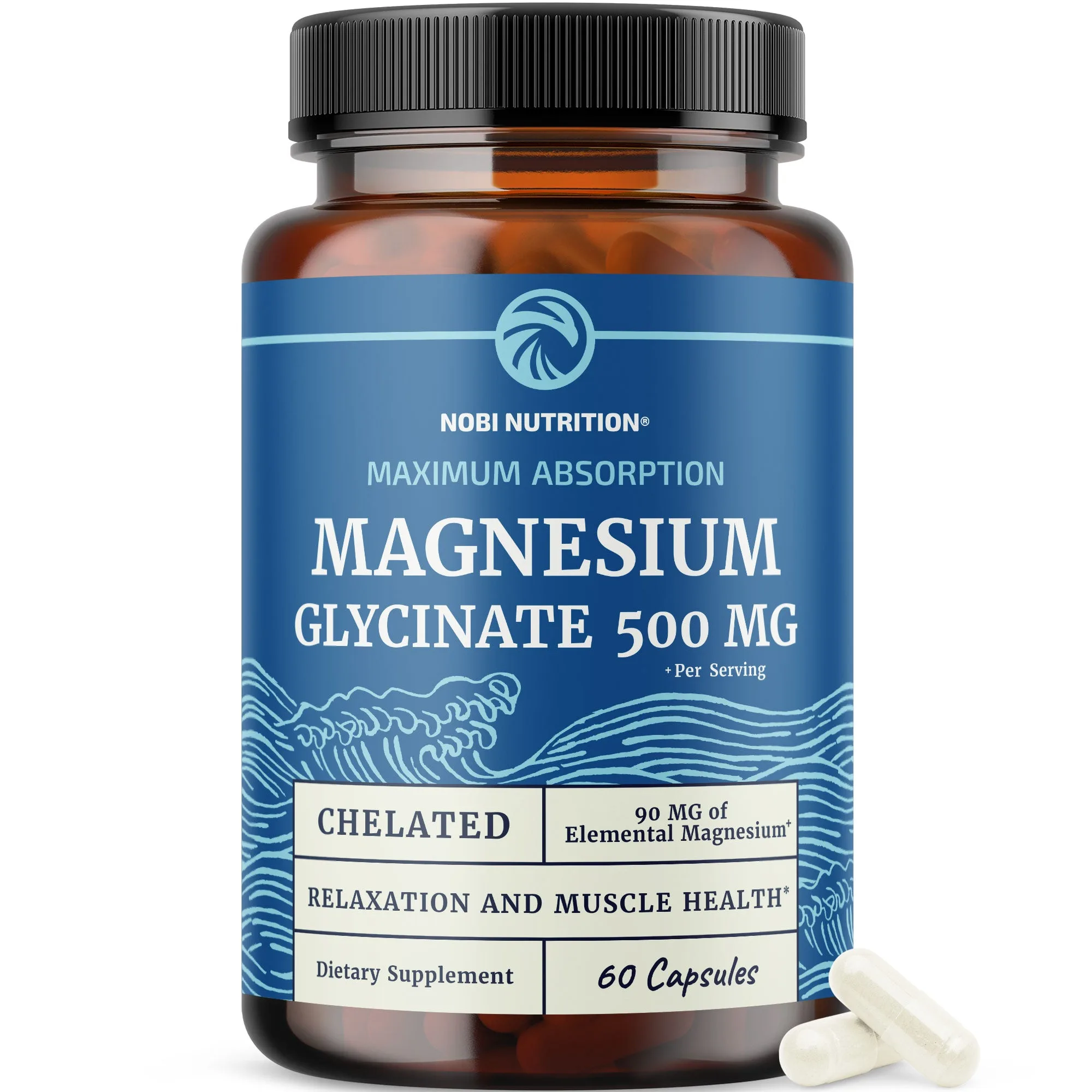
Magnesium Bisglycinate 500mg Capsules
Powders offer flexibility in dosing and can be mixed into drinks. They may also be a good choice if you want to avoid sugars and artificial ingredients. However, they require preparation and may not be as convenient for on-the-go use.
Gummies win on convenience and taste, but they typically have a lower magnesium content per piece and may contain added sugars. If you're looking for a high-dose option or want to avoid sugar, capsules or powders might be a better fit.
Your Magnesium Gummy Decision Rules
- Check the elemental magnesium dose: Look for at least 100–200 mg of elemental magnesium per serving. If the label only lists the compound weight (e.g., 1500 mg magnesium citrate), calculate the elemental amount or choose a product that states it clearly. Aim for a product that clearly lists elemental magnesium.
- Choose a well-absorbed form: Magnesium citrate and glycinate are good choices for absorption. Avoid oxide if you want better bioavailability. Check the ingredient list to see which form is used. Prioritize citrate or glycinate for better absorption.
- Evaluate taste and ingredients: Since you'll be chewing them, taste matters. Look for natural flavors and limit added sugars. Check for allergens and artificial additives. Pick a flavor you enjoy, but keep an eye on sugar content.
- Verify quality and transparency: Choose brands that use third-party testing and clearly list ingredients. Look for certifications or quality seals if available. Trustworthy brands are transparent about sourcing and testing.
Products That Show What to Look For
- Magnesium Gummies: Each serving provides 170mg of elemental magnesium, derived from 1500mg of Magnesium Citrate for optimal adult support. Every bottle contains a month’s supply of raspberry-flavored, chewable magnesium gummies for women and men. This product clearly states the elemental magnesium amount (170 mg) and uses a highly absorbable form (citrate). The raspberry flavor makes it an appealing choice for those who prioritize taste.
- Magnesium Bisglycinate 500mg Capsules: Pure Magnesium Glycinate is the most bioavailable form of this essential mineral. Our Magnesium Glycinate supplements are formulated to deliver a powerful Magnesium 500mg per serving, for optimal full-body support. If you need a higher dose and prefer capsules, this product offers 500 mg of glycinate per serving—much more than typical gummies. It's a good comparison point to decide if gummies meet your dosage needs.
Who Should Choose Gummies?
Best for
- People who dislike swallowing pills or capsules
- Those looking for a convenient, on-the-go supplement with a pleasant taste
Not for
- Individuals who need a high magnesium dose (e.g., 400+ mg per serving) without extra sugar
- Those who prefer zero-sugar supplements or want to avoid gummy textures
Choosing the right magnesium gummy comes down to balancing convenience, taste, and effectiveness. By checking the elemental dose, choosing a well-absorbed form, and verifying quality, you can find a gummy that fits your needs. If gummies don't deliver enough magnesium or you want to avoid sugar, consider capsules or powders as alternatives.