Quick Answer
For back pain, choose a memory foam topper that is 2 to 3 inches thick and medium-firm, not the softest option available. A topper adds pressure relief and can soften a firm mattress, but it cannot fix a sagging or worn-out mattress. If you mainly need stain and spill protection, buy a mattress protector instead.
Start With Your Mattress, Not the Topper
A topper changes the feel of a mattress, not its structure. Press down on the middle of your mattress. If it dips deeply or stays compressed, the support core is worn and a topper will only mask the problem for a short time. If the surface is simply too firm or too flat, a topper is a reasonable fix.
Also check your sleep position. Back sleepers usually do best with medium-firm support that keeps the spine neutral. Side sleepers often need a slightly softer surface at the shoulder and hip. Stomach sleepers should avoid very soft foam because the hips can sink and arch the lower back.
Pick the Right Thickness for Your Goal
Thickness controls how much the topper changes the mattress feel. A 1 to 2 inch topper adds mild cushioning and is a good choice if your mattress is only slightly too firm. A 2 to 3 inch topper delivers noticeable pressure relief and is the usual range for back pain. Anything over 3 inches can feel unstable and may make it harder to move in bed.
If you are trying to soften a firm mattress, go with 2 to 3 inches of memory foam rather than a thin pad. If you only want to protect the mattress surface, a thin topper or a protector is enough.
Know the Difference Between a Topper and a Protector
A mattress topper is a comfort layer. It adds cushioning and changes how the bed feels. A mattress protector is a thin, fitted cover designed to block spills, sweat, dust, and allergens. It does not add meaningful pressure relief.
Many people buy a protector expecting it to soften a hard bed and end up disappointed. If back pain is your main concern, buy a topper first. If stains and warranty protection matter more, buy a protector. You can use both together, with the protector over the topper.
Check Density, Cover, and Odor Before You Buy
Memory foam is often sold by density, and higher-density foam tends to hold its shape longer under regular use. Lower-density foam may feel soft at first but can flatten faster. Look for a removable, washable cover if you want easier care, and check whether the topper has a no-slip base or straps.
New memory foam can have a mild odor when unboxed. Air it out in a well-ventilated room for a day or two before making the bed. If you are sensitive to smells, this step matters more than the brand name.
Steps to Choose a Topper for Back Pain
- Step 1: Test your mattress first: Press the center of the mattress. If it sags or stays compressed, replace the mattress instead of buying a topper. Checkpoint: a topper only helps a structurally sound mattress.
- Step 2: Match thickness to your goal: Choose 2 to 3 inches for noticeable pressure relief and to soften a firm mattress. Choose 1 to 2 inches for mild cushioning only. Checkpoint: thicker is not always better; over 3 inches can feel unstable.
- Step 3: Choose medium-firm, not the softest: Medium-firm memory foam supports the lower back while relieving pressure. Very soft foam lets the hips sink, which can worsen back pain. Checkpoint: back sleepers and stomach sleepers should avoid extra-soft foam.
- Step 4: Decide topper vs protector: Buy a topper for comfort and a protector for spills and allergens. If you need both, layer the protector over the topper. Checkpoint: a protector alone will not soften a hard mattress.
- Step 5: Check care and odor: Look for a washable cover and air out new foam for a day or two before use. Higher-density foam usually holds its shape longer. Checkpoint: if odor bothers you, ventilate before making the bed.
Product Facts That Illustrate the Tradeoffs
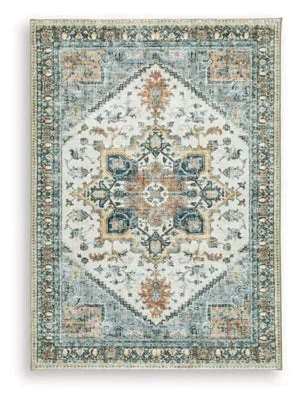
- Wallney 5' x 7' Memory Foam Area Rug: The Wallney 5' x 7' Memory Foam Area Rug has a built-in memory foam pad for a cushioned feel and extended lifespan. It shows how memory foam is used as a comfort layer in home furnishings, which is the same principle behind a topper: the foam adds softness while the base underneath provides support.