Quick Answer
For a natural brown color lens that blends seamlessly with daily wear, prioritize a smaller diameter (around 14.0mm), a standard base curve (8.6mm), and a lens with a normal pupil opening. Avoid lenses with a smaller pupil hole if you need clear, unobstructed vision throughout the day.
Why Diameter and Base Curve Matter for a Natural Look
The diameter (DIA) and base curve (B.C) of a color lens determine both how it sits on your eye and how it appears. A smaller diameter, like 14.0mm, tends to look more subtle and natural, while larger diameters can create a more dramatic enlargement effect. For daily wear, a smaller diameter often blends better with your natural eye shape and looks less costume-like.
Base curve affects fit and comfort. A lens with a B.C of 8.6mm is a common standard that suits many eyes. If your eye's curvature differs, a mismatched base curve can cause discomfort or the lens to move too much. Always check your eye care professional's prescription for your exact base curve.
Pupil Opening: A Critical but Often Overlooked Spec
Some color lenses have a smaller pupil hole to create a more intense color effect. However, this can obstruct your vision, especially in low light when your pupils naturally dilate. For daily wear, where you need clear vision for driving, reading, or working, a lens with a normal pupil opening is safer and more practical.
If you're considering a lens with a smaller pupil hole, be aware of the trade-off: you get a more vivid color but risk reduced peripheral vision. For most daily activities, a standard pupil opening is the better choice.
Decision Rules for Picking a Daily Natural Brown Lens
- Prioritize a normal pupil opening: Choose a lens with a standard pupil hole to ensure clear, unobstructed vision during daily activities. Avoid lenses with a smaller pupil hole unless you prioritize color intensity over vision clarity. Check the product description for any mention of a smaller pupil hole.
- Match the base curve to your eye: Use your eye care professional's prescription to find the correct B.C. A common B.C like 8.6mm fits many, but always verify your own. If you don't know your B.C, get an eye exam before ordering.
- Choose a smaller diameter for subtlety: A DIA of 14.0mm or smaller tends to look more natural, while larger diameters create a more noticeable enlargement. For daily wear, subtle is often better. If you want a barely-there enhancement, stick to 14.0mm or less.
Product Facts: Two Natural Brown Options
-
Avatar Brown: Avatar Brown has a DIA of 14.2mm, B.C of 8.7mm, and a smaller pupil hole than normal color lenses. The smaller pupil hole can obstruct vision, making it less ideal for daily wear if you need clear sight throughout the day.
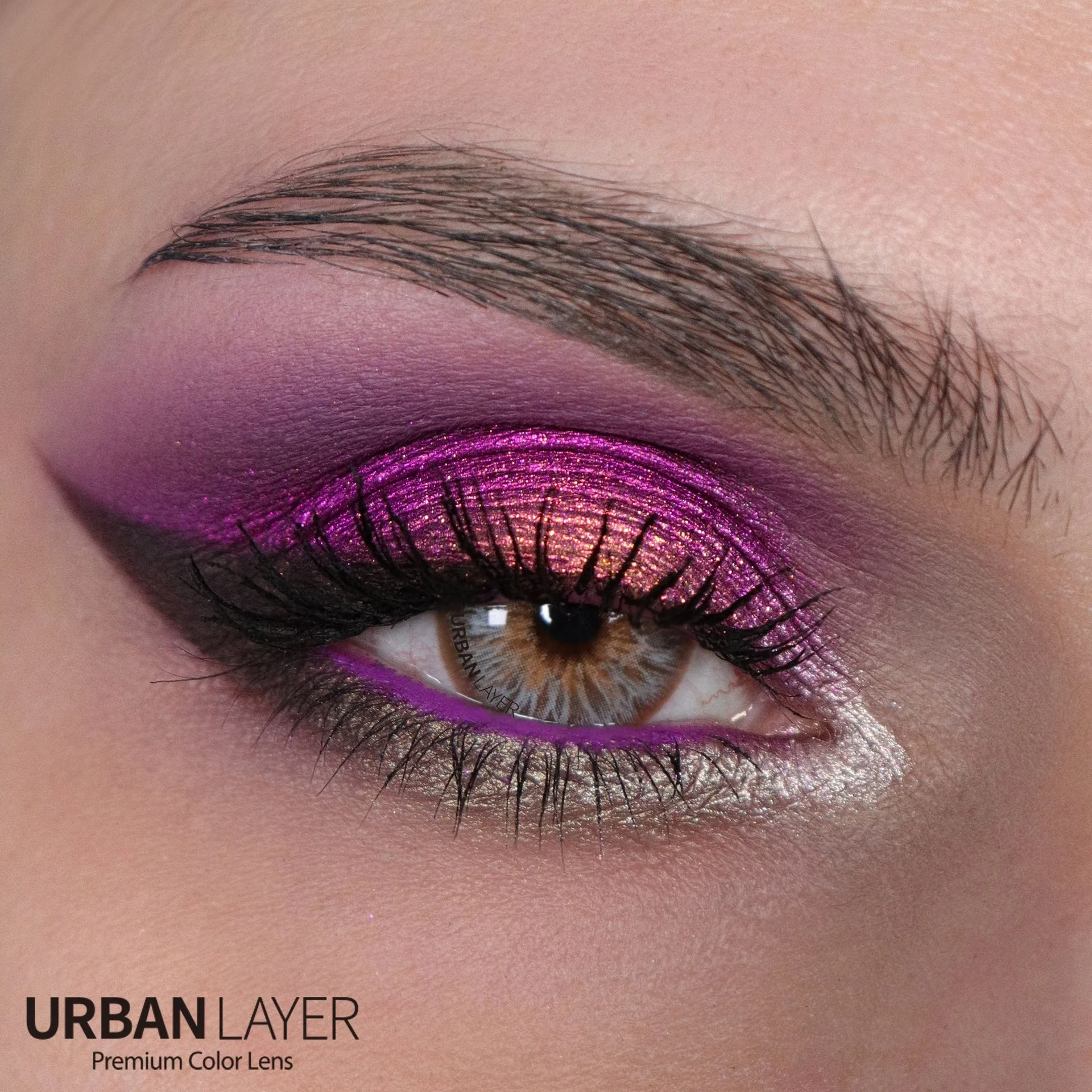
Avatar Brown
-
Cloud R Brown: Cloud R Brown has a DIA of 14.0mm, B.C of 8.6mm, and a standard pupil opening. The smaller diameter and standard pupil opening make it a more natural and practical choice for everyday wear.
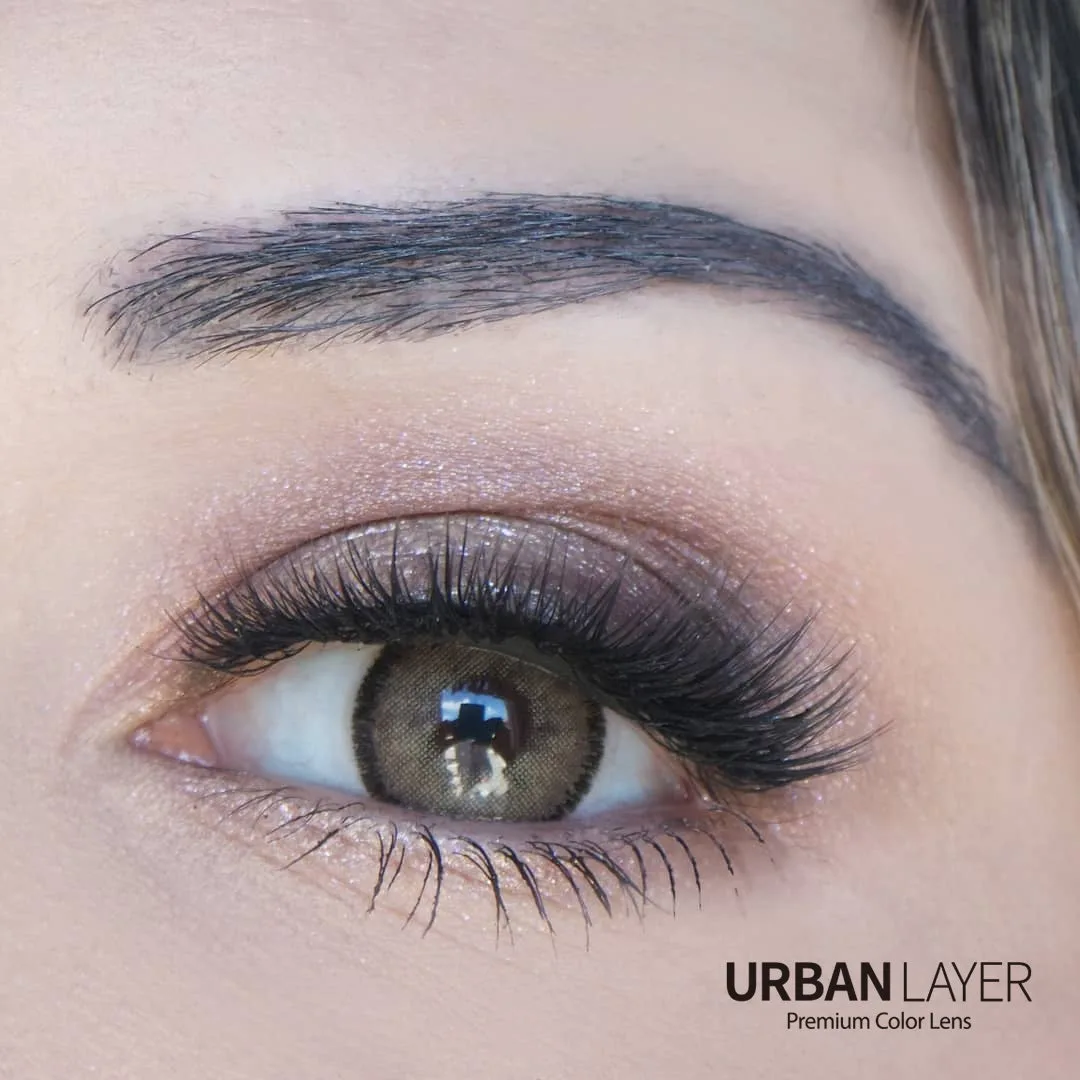
Cloud R Brown
Who Should Choose Which Lens
Best for
- People who want a subtle, natural look for everyday wear and need clear vision.
- Those with a standard base curve of 8.6mm looking for a comfortable fit.
Not for
- Those who prioritize intense color over vision clarity and don't mind a smaller pupil hole.