Quick Answer
Choose art supplies made from natural, non-toxic ingredients and clearly labeled as safe for children. Look for sets that are easy to clean and versatile for different ages and skill levels.
Why Natural Pigments Matter
Many conventional art supplies contain synthetic dyes and chemicals that can be harsh on young skin or cause reactions if ingested. Natural pigments, like those derived from earth minerals, are a safer alternative because they are less likely to contain harmful additives.
Earth pigments have been used for centuries and are known for their subtle, luminous colors. They are also biodegradable, making them a more eco-friendly choice for families looking to reduce their environmental footprint.
Age-Appropriate Considerations
Younger children tend to put things in their mouths, so safety is paramount. For toddlers, choose art supplies that are clearly labeled non-toxic and washable. Older kids can handle more complex materials like oil pastels, but supervision is still recommended.
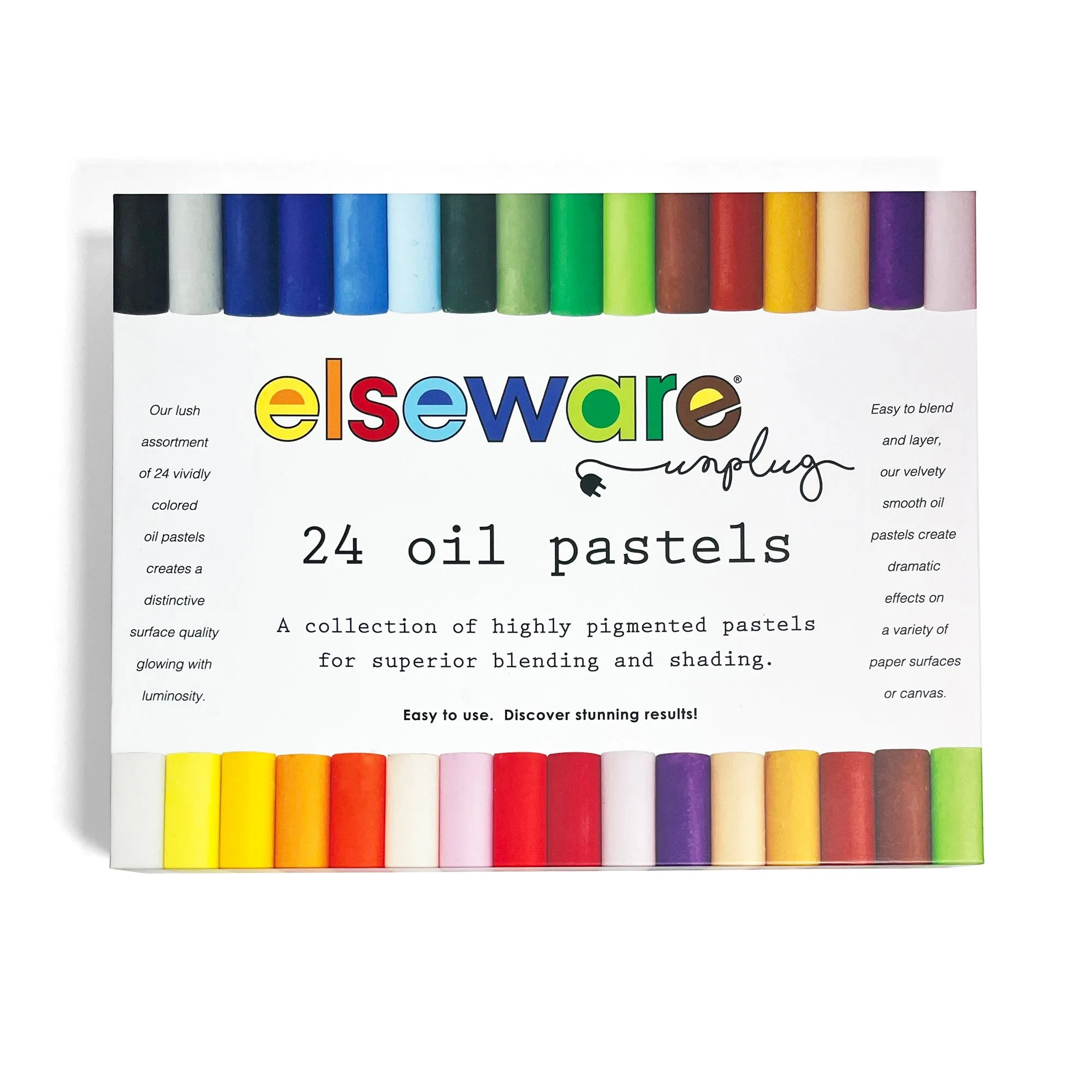
Oil Pastels
Also consider the mess factor. Water-based paints are easier to clean than oil-based ones. Look for sets that offer a balance between vibrancy and ease of cleanup to keep the creative process enjoyable for both kids and parents.
Versatility and Longevity
A good art supply set should grow with your child. Sets that offer a range of colors and can be used on different surfaces (paper, canvas, etc.) provide more value and encourage experimentation.
For example, oil pastels are versatile and can be used on paper or canvas, while watercolor paints are great for learning color mixing. Choosing sets that complement each other allows kids to explore various techniques without needing a complete overhaul of supplies.
Decision Rules for Choosing Non-Toxic Art Supplies
- Check the label: Always look for the words 'non-toxic' and 'safe for children' on the packaging. If the label is unclear, contact the manufacturer or choose a brand known for transparency. When in doubt, stick with brands that openly share their ingredient lists.
- Prefer natural pigments: Choose art supplies made from natural, earth-derived pigments rather than synthetic dyes. They are less likely to contain harmful chemicals and are more environmentally friendly. Natural pigments often produce unique, subtle colors that can inspire creativity.
- Consider washability: For younger kids, pick paints and pastels that are water-based and washable. This makes cleanup easier and reduces the risk of staining clothes or furniture. Test washability on a small area before letting your child go wild.
- Match to the child's age: For toddlers, choose chunky, easy-to-grip tools and paints that are safe if ingested. For older kids, you can introduce more complex mediums like oil pastels, but always supervise. Reassess your child's supplies as they grow and their skills develop.
- Buy versatile sets: Select sets that can be used on multiple surfaces, like paper and canvas, to extend their usefulness. Combine different types of supplies to encourage experimentation. A few versatile sets can replace many single-use items.
Product Facts
-
Earth Paint Set: Earth Paint Set contains vibrant earth pigments collected from around the world, all-natural and easy to use. This set offers a safe, non-toxic painting experience while introducing kids to natural colors with a subtle luminosity.
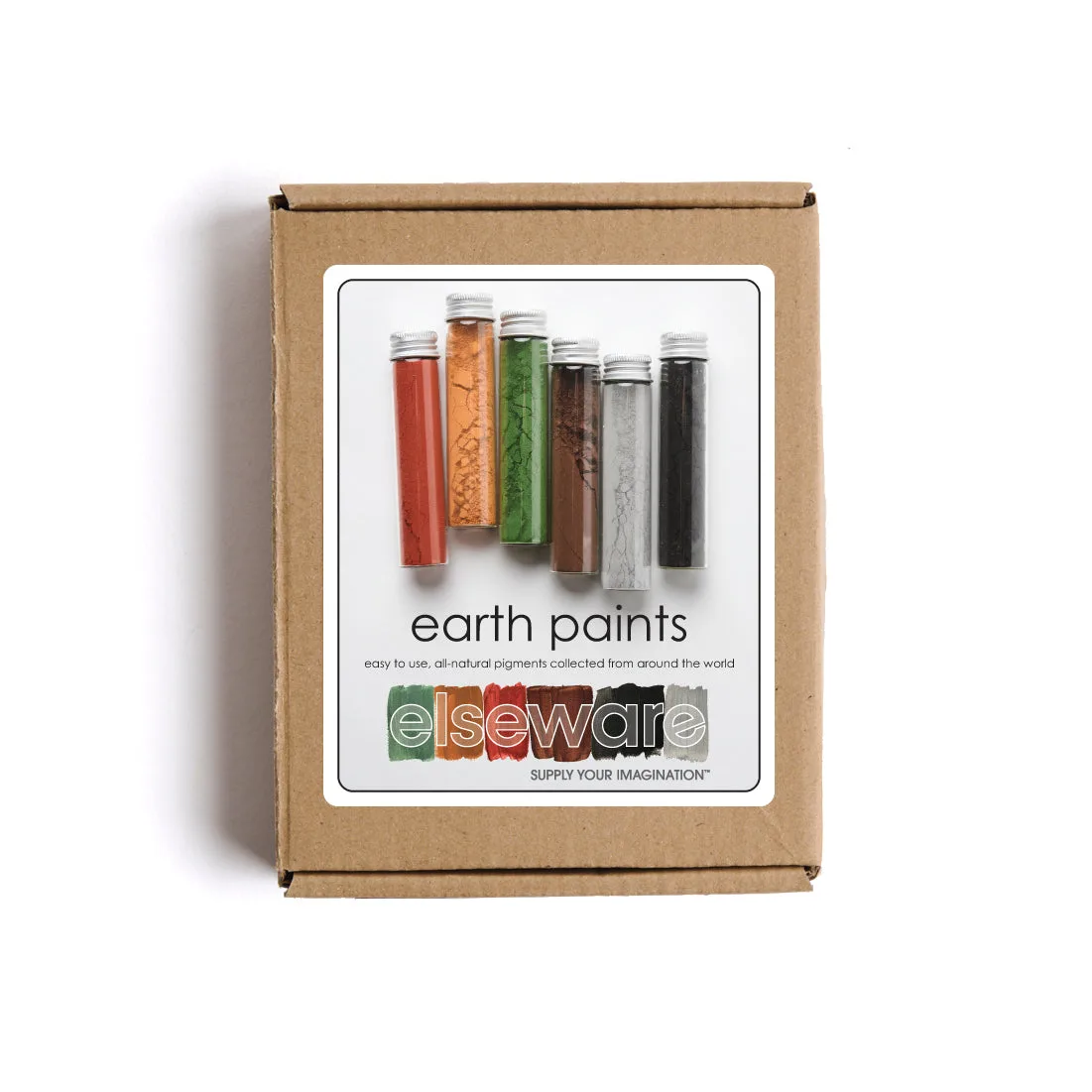
Earth Paint Set
-
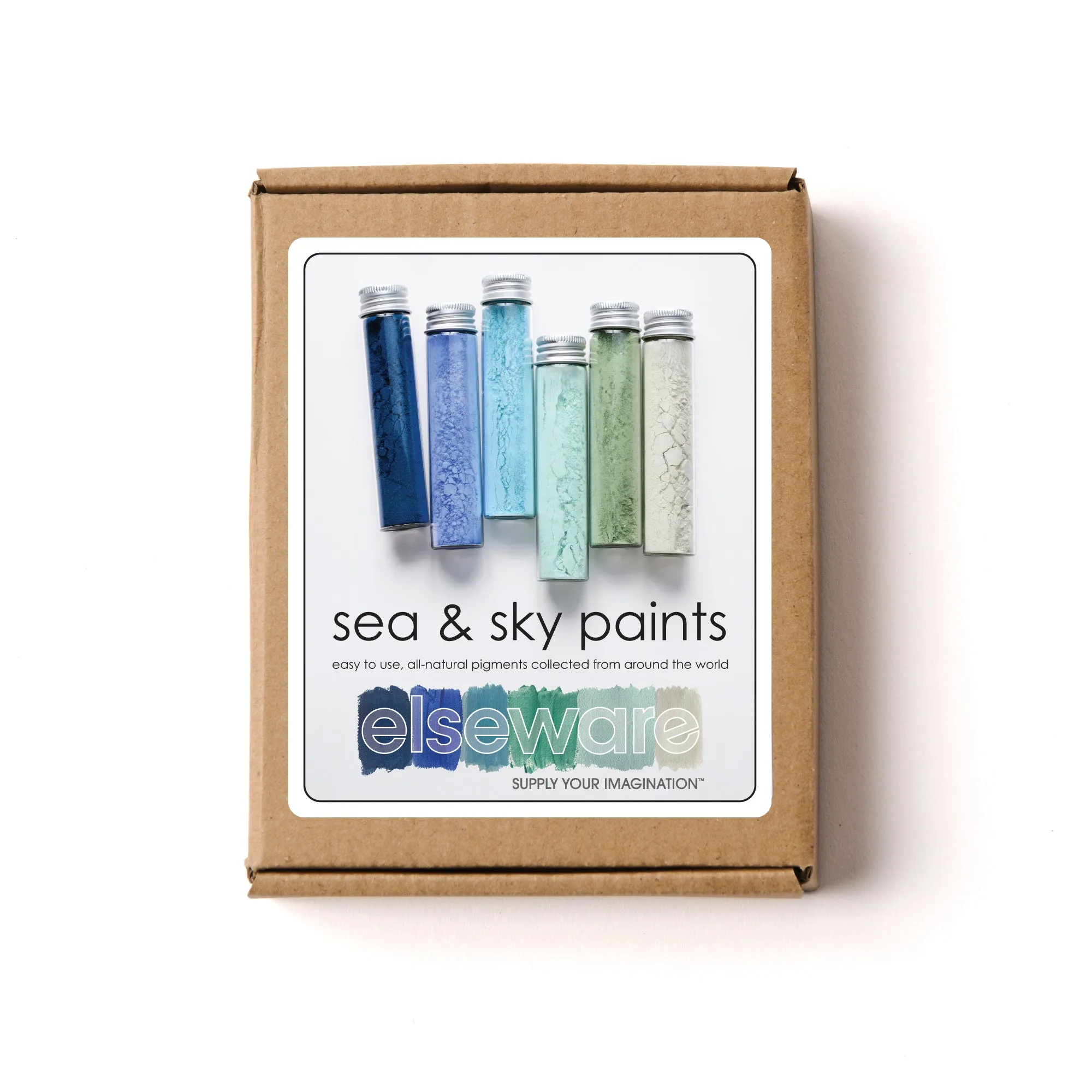
Sea & Sky Paint Set: Sea & Sky Paint Set features non-toxic, earth-friendly pigments, many created by the Society of Ochres, a 120-year-old French company. The cool, soothing colors are perfect for calming creative sessions, and the reputable source ensures high-quality, safe pigments for children.
Who This Guide Is For
Best for
- Parents of toddlers and young children who need safe, washable art supplies
- Eco-conscious families looking for natural, sustainable art materials
Not for
- Professional artists seeking high-end, archival-quality pigments
- Families who prefer synthetic, ultra-bright colors and don't mind chemical ingredients