Quick answer
Buy a self-healing cutting mat, a rotary cutter, a quilting ruler, quality thread, and good lighting first. These are the quilting notions you will use on every project. Add specialty tools only when a pattern calls for them. Skip kits full of gadgets you may never touch.
Starting your first quilt is exciting, but the tool aisle can feel overwhelming. You do not need everything. You need a small set of quilting notions that work together and fit how you actually cut, sew, and press.
This guide gives you decision rules, not a shopping list. We will look at what each tool does, when a basic version is enough, and when upgrading pays off. You will also see real product examples from our catalog to ground the choices.
Start with the cutting layer
Your cutting mat, rotary cutter, and ruler are the foundation of accurate piecing. A small mat is fine for trimming blocks and paper-piecing, but if you plan to cut strips from yardage, choose a mat at least 18 x 24 inches. The Creative Grids Cutting Mat 6" x 8" is a double-sided mat with one-inch grids and eighth-inch markings. One side highlights popular 1-1/2 inch cuts with white stars and 2-1/2 inch cuts with white squares. The other side is blank for trimming. This small mat is ideal as a second mat for classes or as your only mat if you work with precuts.
For your rotary cutter, a 45mm blade handles most tasks. A 60mm cutter is better for thick stacks, but it is heavier and less precise for small pieces. Quilting rulers should match your most common cuts: a 6 x 24 inch ruler for strips and a 6.5 x 6.5 inch ruler for squaring blocks. Buy rulers with clear markings and a non-slip backing if you can. Avoid buying a full set until you know which sizes you reach for most.
- If you only buy one ruler, make it a 6 x 24 inch ruler for strip cutting.
- Replace your rotary blade as soon as it starts skipping threads.
Thread and lighting: the quiet essentials
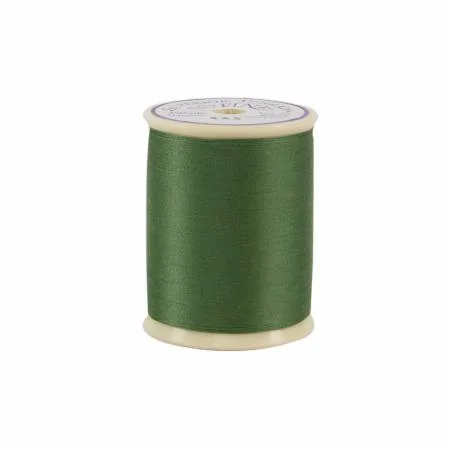
Thread choice affects piecing strength and quilting appearance. For piecing, a 50 weight cotton or polyester thread works well. For quilting, a 50 weight polyester like So Fine! is lint-free and has a matte finish that blends into fabric. It is designed for bobbin thread, quilting, and sewing, and comes in 550 yard spools. If you are just starting, buy one neutral color for piecing and one color that matches your quilt top for quilting.
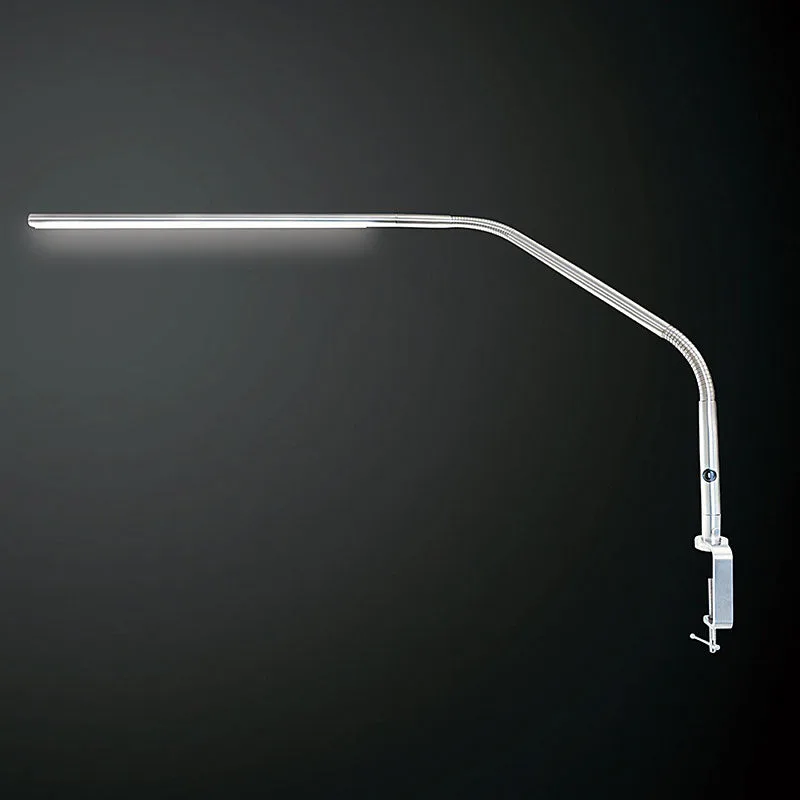
Good lighting is not a luxury. It reduces eye strain and helps you see seam allowances and stitch quality. A table lamp with a flexible arm and dimmer lets you adjust brightness for different fabrics. The Slimline 4 LED Table Lamp has a four-step dimmer, a slim clamp, and an aluminum shade that diffuses light to reduce shadows. It runs at 6,000K with 95+ CRI, which means colors look true. If you sew in a dim room, this is a better first upgrade than a specialty foot.
- Buy two spools of thread: one neutral for piecing, one to match your quilt top.
- Position your lamp so light comes over your shoulder, not into your eyes.
Fabric and pattern decisions that affect tools
The fabric you choose can change which tools you need. If you buy yardage, you will need a larger mat and a long ruler. If you buy precuts, a small mat and a square ruler may be enough. For example, Magic Dot Cherry by Lella Boutique for Moda Fabrics is a 100% cotton fabric cut in 1 yard increments. That means you will be cutting from yardage, so a 6 x 24 inch ruler and a larger mat are worth having. Dry Brush Black by Wilmington Prints is also 100% cotton and cut in 1 yard increments, so the same tool set applies.
If you choose a quilt kit, check what is included. The Holiday Cheer Panel Kit-Layla Quilt Pattern 64" x 64" pairs the Layla pattern from Panel Mash Up with Stacy Iest Hsu's Holiday Cheer collection. It includes the pattern and fabric, but not tools. You will still need a rotary cutter, mat, ruler, and thread. Kits can save fabric selection time, but they do not replace your core quilting notions.
- Yardage requires a larger mat and a long ruler; precuts do not.
- A quilt kit supplies fabric and pattern, not tools.
When to upgrade and when to wait
Upgrade your cutting mat when you find yourself wishing for more space or when your current mat stops healing. Upgrade your lighting when you notice eye fatigue or color distortion. Upgrade your thread when you see excess lint or inconsistent stitches. Do not upgrade your rotary cutter until you are comfortable with the basics. A sharp blade matters more than a fancy handle.
Specialty notions like bias tape makers, circle templates, and specialty feet are best bought when a specific pattern requires them. Buying them early often leads to clutter. If you are unsure, check the pattern requirements first. Most beginner quilts need only the core tools plus a seam ripper and pins.
- Let your project list drive specialty purchases, not sales.
- A sharp blade and a clean mat improve accuracy more than a new gadget.
Decision rules for first quilt notions
- Mat size: Choose a small mat (like 6" x 8") if you mostly trim blocks or paper-piece. Choose a large mat (18" x 24" or bigger) if you cut strips from yardage. You can start with a small mat and add a large one later, but cutting yardage on a small mat is frustrating.
- Ruler shape: Buy a 6" x 24" ruler for strip cutting and a 6.5" x 6.5" ruler for squaring blocks. Add specialty shapes only when a pattern requires them. Two rulers cover most beginner projects.
- Thread weight: Use 50 weight thread for piecing and quilting. Choose cotton for a traditional look or polyester for strength and low lint. Buy one neutral and one matching color to start.
- Lighting: If you sew in a dim room or struggle to see details, buy an adjustable LED lamp with a dimmer and high CRI before any specialty foot. Good light improves accuracy and reduces fatigue.
- Specialty tools: Wait until a specific pattern calls for a specialty ruler, foot, or template. Do not buy a kit of gadgets you may never use. Let your project list drive purchases.
Product facts to ground your choices
- Creative Grids Cutting Mat 6" x 8" by Gudrun Erla CGRMAT68: Double-sided self-healing mat with one-inch grids and eighth-inch markings; one side highlights 1-1/2 inch cuts with white stars and 2-1/2 inch cuts with white squares; the other side is blank for trimming and paper-piecing. Small and precise, this mat is ideal for trimming blocks and paper-piecing, or as a second mat for classes. It is not a replacement for a large mat if you cut yardage.
- Slimline 4 LED Table Lamp U35109: Four-step dimmer, slim clamp, flexible joints, aluminum shade with advanced diffusion, 6,000K / 95+ CRI, designed to reduce eye strain and enhance focus. Good lighting helps you see seam allowances and stitch quality. This lamp is adjustable and color-accurate, making it a strong first upgrade if you sew in dim conditions.
- So Fine! Polyester 50 wt Thread - color Fern # 11601A-445: 50 wt. 3-ply polyester thread, lint-free, matte-finish, designed for bobbin thread, quilting, and sewing; 550 yards. A reliable all-purpose thread for piecing and quilting. The lint-free quality keeps your machine cleaner, and the matte finish blends into fabric.
Who this guide is for
Best for
- Beginners buying their first set of quilting notions and tools
- Quilters who want a small, functional toolkit without overspending
- Anyone who prefers to add tools as projects require them
Not for
- Experienced quilters looking for advanced specialty tools
- Shoppers who want a single pre-assembled kit with every possible gadget
- Quilters who only work with precuts and never cut yardage
Your first quilt does not need every tool on the shelf. Start with a cutting mat, rotary cutter, ruler, thread, and good lighting. Add specialty notions when a pattern asks for them. This approach keeps your workspace clear and your budget focused on what you will actually use. As your skills grow, you will know exactly which upgrades are worth it.