Quick answer
For year-round outdoor use, a heated cat house with an elevated design keeps your cat warm in winter, while a wooden cat house with ventilation works best for milder climates.
Heated vs. unheated: what works for your climate?
If you live in an area with freezing winters, a heated cat house is your best bet. The heating pad warms up in about 10 minutes and pairs with a cozy blanket to keep your cat's entire body comfortable. However, in heavy snow, it's best to bring the shelter indoors—so plan for occasional indoor use too.
For mild winters or regions where snow is rare, an unheated wooden cat house offers more ventilation and a larger living space. The key trade-off is warmth versus airflow.
Material matters: wood vs. plastic construction
Wooden outdoor cat houses (like the 2-story model with a balcony) are naturally insulating and look like a charming piece of garden furniture. They are built from weather-treated fir wood with a waterproof asphalt roof, so they can endure years of rain and sun. The drawback? They are heavier and may require occasional sealing.
If weight and portability matter more, consider a plastic or resin model. However, most wooden shelters offer better insulation, which is critical for winter comfort.
Size and multiple pets: one house or two?
If you have more than one pet, a larger structure like the double dog house with separate rooms can prevent disputes. For a single cat, a compact heated house is sufficient. Always measure your pet's length and height—most outdoor cat houses fit cats up to 15 pounds.
Decision rules for choosing an outdoor cat house
- Climate Rule: If winter temperatures regularly drop below freezing, choose a heated cat house. For mild climates, opt for a ventilated wooden house. Heated models need indoor shelter during heavy snow.
- Material Rule: Wooden houses provide better insulation and aesthetics; plastic houses are lighter and easier to move. Wood requires periodic maintenance; plastic may not hold heat as well.
- Size Rule: Measure your cat's length and add 6 inches for comfort. For multiple pets, choose a double-room design. A house that's too small can cause stress; too large may not retain warmth.
Product highlights
-
Elevated Heated Cat House: Heating pad requires about 10 minutes to warm up; blanket included. Recommended to bring indoors during heavy snowfall. Great for cold climates but not a full winter solution in extreme snow—you'll need to move it inside during storms.
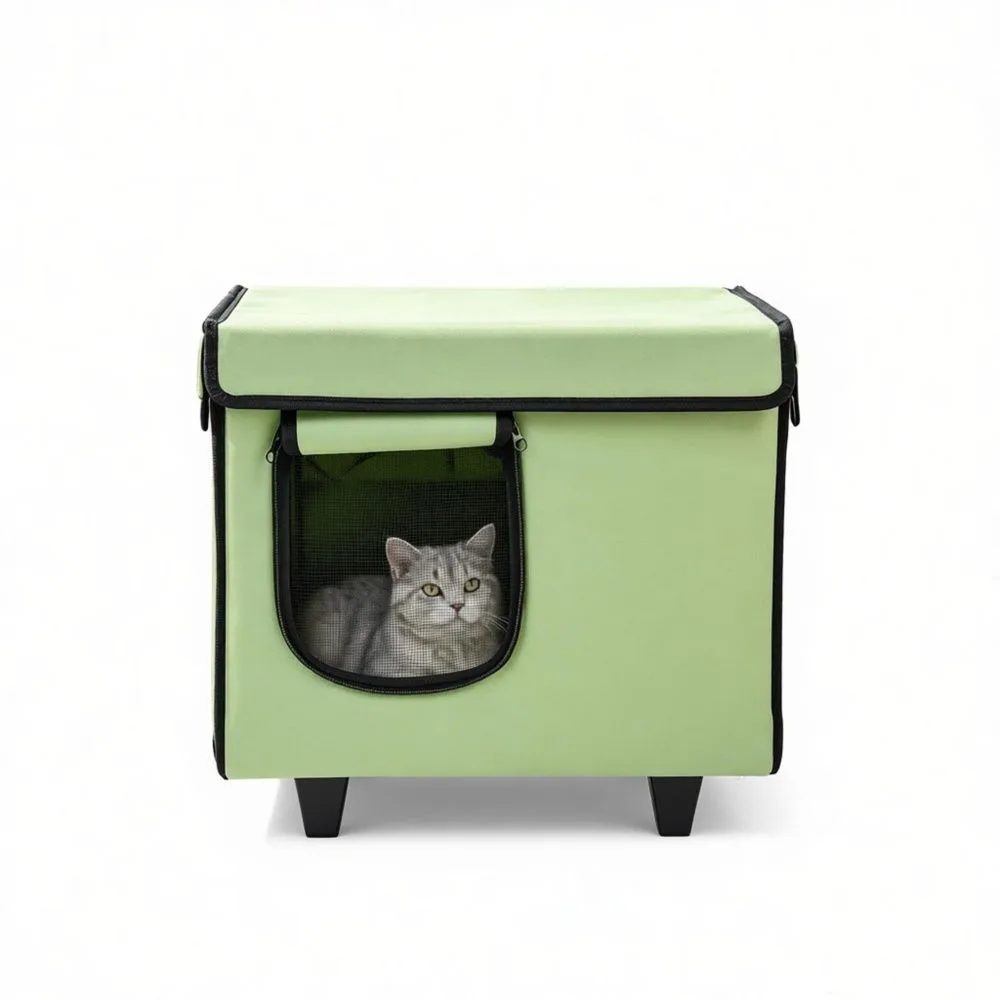
Elevated Heated Cat House
-
Wooden Cat House 2-Story Indoor Outdoor Luxurious Cat Shelter House: Constructed using weather-treated non-toxic fir wood and waterproof asphalt roof; includes balcony and transparent canopy. Ideal for year-round outdoor use where insulation and ventilation both matter—adds stylish outdoor living space.
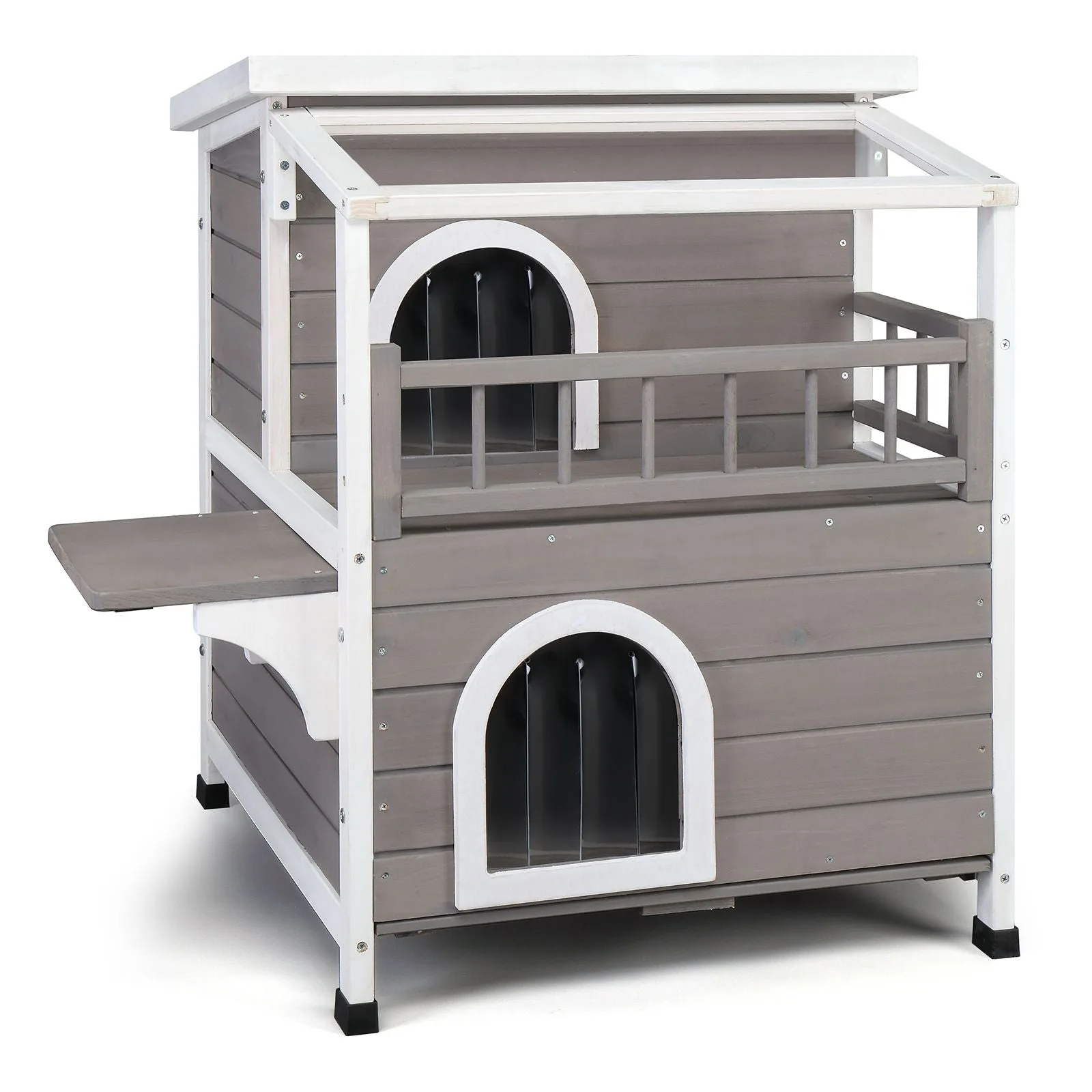
Wooden Cat House 2-Story Indoor Outdoor Luxurious Cat Shelter House
What's the best fit for you?
Best for
- Cold-weather regions needing a heated cat house
- Pet owners who want a decorative, durable wooden shelter
Not ideal for
- Extreme snowfall areas without a backup indoor plan
- Pet owners who need ultra-light, portable shelters