Quick Answer
To choose the perfect colored contacts for your natural eye color, start by identifying whether you want a subtle enhancement or a complete transformation. For dark eyes, opt for opaque lenses with bold pigments; for light eyes, choose translucent tints to enhance your natural shade. Consider your skin tone and lifestyle to narrow down the best color and brand.
Choosing the right colored contacts can transform your look, but the key is understanding how different lenses interact with your natural eye color. Whether you have deep brown eyes or light blue ones, the right shade can enhance your features or create a dramatic change. This guide will help you navigate the options and make an informed decision.
We'll break down the science of color, explain the difference between enhancement tints and opaque lenses, and provide specific recommendations for each eye color. By the end, you'll know exactly what to look for when shopping for colored contacts.
Understanding How Lenses Interact with Your Eye Color
Your natural eye color plays a huge role in how colored contacts will appear. Light eyes (blue, green, gray) have less melanin, so they can be more easily enhanced or changed with translucent tints. Dark eyes (brown, dark hazel) require opaque lenses with more pigment to show up vividly. Knowing this helps you set realistic expectations.
For example, a soft green tint might look natural on a blue-eyed person but barely visible on someone with dark brown eyes. Conversely, a vibrant opaque green can completely change the look of dark eyes. Always check product descriptions for terms like 'opaque' or 'enhancement' to gauge the effect.
- If you have light eyes and want a subtle change, look for 'enhancement tints' that add depth without masking your natural color.
- If you have dark eyes, choose lenses with a solid, opaque center to ensure the color is visible.
Choosing the Right Color for Your Eye Shade
For brown eyes, warm colors like honey, hazel, and light brown can add brightness, while cool tones like gray or blue create a striking contrast. Green eyes can be enhanced with shades like amethyst or emerald, while blue eyes pop with gray, violet, or even warm brown for a unique look.
Consider your skin tone as well. Warm skin tones (yellow/olive undertones) pair well with golden, brown, or green shades, while cool skin tones (pink/blue undertones) look great with gray, blue, or violet. Neutral undertones can pull off most colors.
- For a natural look, choose a color that is only one or two shades lighter or darker than your natural iris.
- For a bold change, opt for a color that contrasts with your natural eye color, like blue for brown eyes.
Consider Your Skin Tone and Undertones
Your skin tone can make or break how a lens color looks on you. Warm undertones (yellow, peach, golden) are flattered by earthy colors like brown, green, and gold. Cool undertones (pink, blue, red) look better with jewel tones like blue, violet, and emerald. If you have a neutral undertone, you have more flexibility.
Think about your hair color too. For example, brown eyes with warm-toned hair might look great with a honey-brown lens, while someone with cool-toned hair might prefer a gray or blue lens. Don't be afraid to experiment, but these guidelines can help you narrow down choices.
- Warm undertones: try honey, amber, or olive green lenses.
- Cool undertones: try sapphire blue, violet, or emerald green lenses.
Lifestyle and Occasion: When and Where You'll Wear Them
Think about your daily routine. If you wear contacts for work or school, you might prefer a subtle enhancement that looks natural. For special events or festivals, you can go bolder with vibrant colors or unique patterns. Consider the lighting conditions too—some colors look different indoors versus outdoors.
Also, consider the replacement schedule. Daily disposables are convenient for occasional wear, while monthly or yearly lenses are better for regular use. Evaluate your comfort with lens care and your budget to decide which type suits your lifestyle.
- For everyday wear, choose a natural-looking shade that complements your features.
- For special occasions, feel free to experiment with more dramatic colors or patterns.
Tips for Trying Before You Buy
If you're unsure about a color, many online stores offer virtual try-on tools or sample packs. You can also buy a single pair to test before committing to a multi-pack. Pay attention to how the color looks in natural light and take photos to see the effect.
Read reviews from customers with similar eye colors to get a better idea of how the lens will appear. Look for photos in reviews to see real-world results. Remember that colors can look different on screen, so rely on customer feedback and detailed descriptions.
- Use virtual try-on tools if available to preview colors on your own eyes.
- Check customer photos in reviews to see how the lens looks on similar eye colors.
Decision Rules for Choosing Colored Contacts
- Rule 1: Match Lens Opacity to Your Eye Color: If you have dark eyes (brown or dark hazel), choose opaque lenses that have a solid color center. If you have light eyes (blue, green, gray), you can use translucent tints that allow your natural color to show through for a subtle enhancement. Check product descriptions for terms like 'opaque' or 'enhancement' to ensure the effect you want.
- Rule 2: Consider Your Skin Undertone: Warm undertones (yellow/olive) look best with warm colors like honey, brown, and olive green. Cool undertones (pink/blue) are flattered by cool colors like blue, violet, and gray. Neutral undertones can wear almost any color. Look at the veins on your wrist: green veins suggest warm undertones, blue veins suggest cool.
- Rule 3: Think About Occasion and Lifestyle: For daily wear, choose subtle shades that enhance without being distracting. For special occasions, you can go bolder. If you wear contacts occasionally, daily disposables are convenient; for frequent wear, consider monthly or yearly lenses. Match the lens's replacement schedule to your usage frequency to save money and maintain eye health.
Product Recommendations
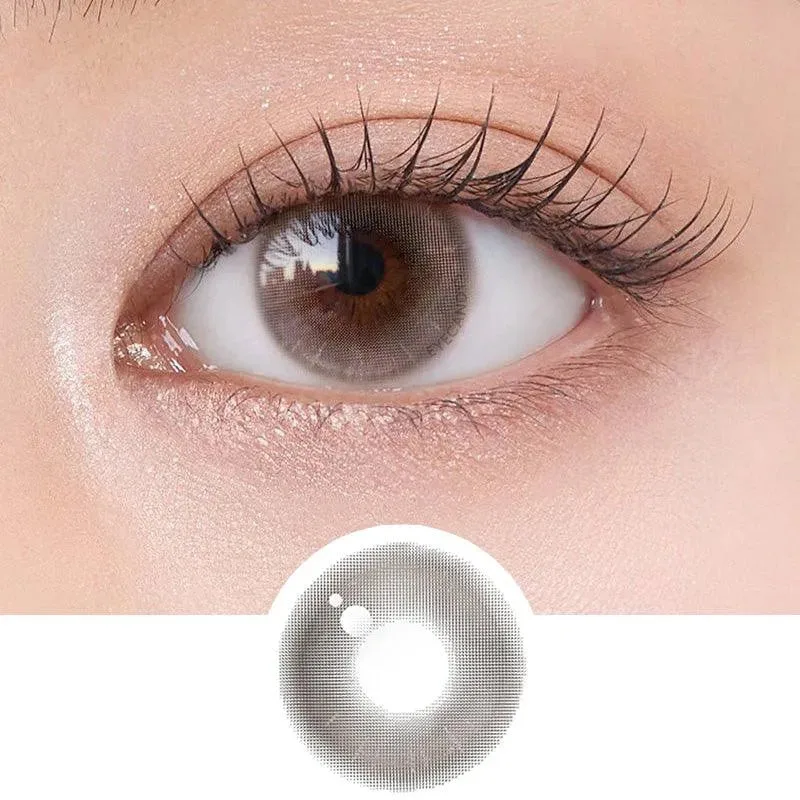
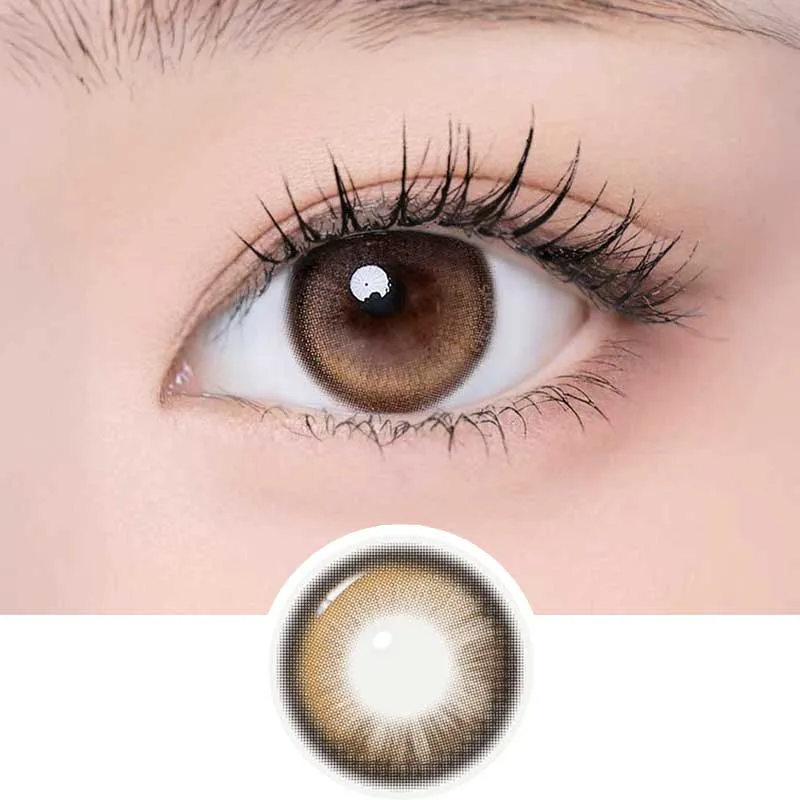
- Bausch & Lomb Lacelle Iconic Dear Brown (30pk): Dear Brown combines a cool misty gray outer ring with a milk tea-toned inner circle, creating a subtle layered effect that slightly enlarges the eyes. The soft-edge design helps blend the colors seamlessly with your natural iris. This lens is ideal for brown-eyed individuals who want a subtle, natural enhancement with a hint of gray to add depth. The soft edge ensures a seamless blend, making it perfect for everyday wear.
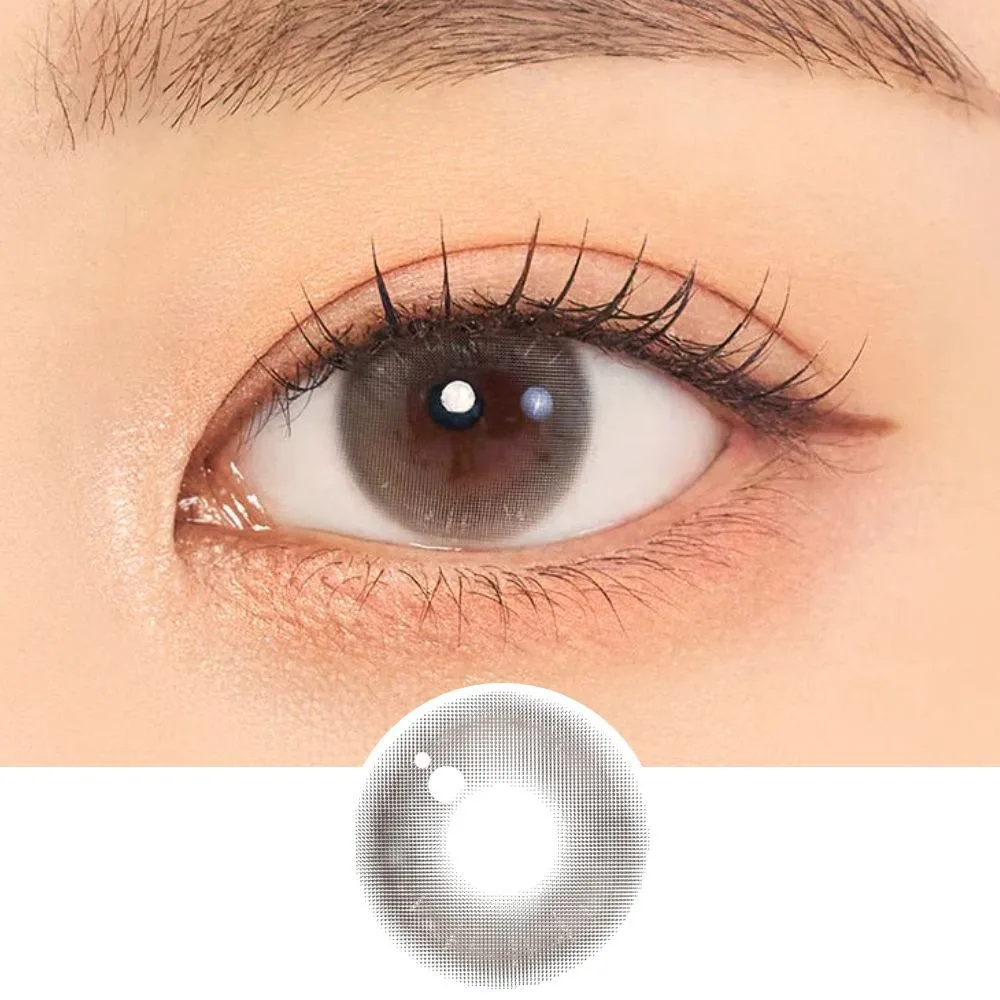
- https://eyecandysus.com/products/chuu-aube-pie-moon-beige-10pk-55ee904be2083ed5e478ab69-668673Chuu Aube Pie Moon Beige (10pk): Designed to mimic the ethereal glow of the moon, this radiant pair features a subtle gradient for added dimension, and is finished off with dazzling streaks that resemble rays of light. Moon Beige is a great choice for those with light to medium eyes who want a luminous, natural look. The gradient design adds dimension without overpowering your natural color.
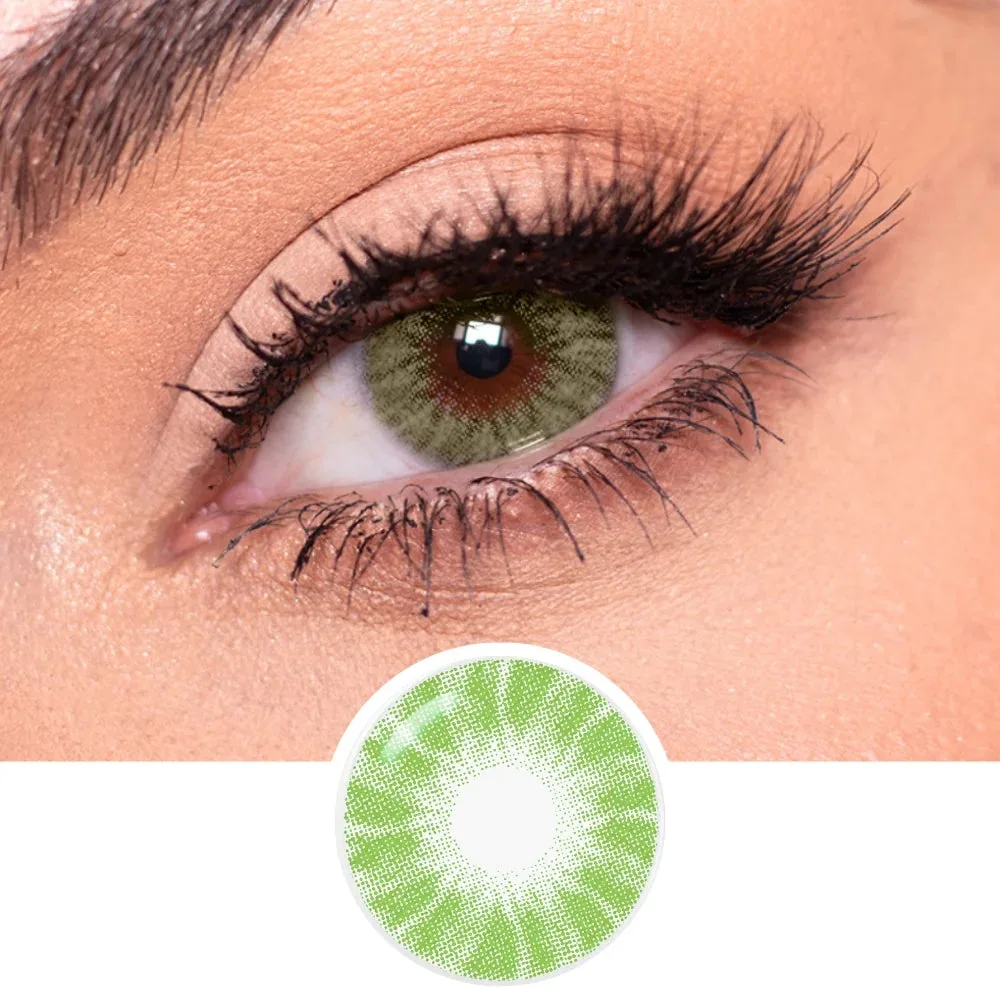
- EyeCandys Shade Green: Shade Green is a bright, natural-looking green colored contact lens designed for dark-eyed customers who want a soft yet visible color change. The fresh green pigment and radial pattern help lighten brown irises while keeping the overall look smooth, blended, and believable. If you have dark brown eyes and want to try green, this lens is specifically formulated to show up well on dark irises. The radial pattern mimics natural iris fibers for a realistic effect.
Who Should Choose What
Best for
- Those with dark brown eyes who want a noticeable yet natural color change, like the EyeCandys Shade Green.
- Individuals with light eyes seeking a subtle enhancement, such as the Chuu Aube Pie Moon Beige.
Not for
- People with very sensitive eyes or those who need toric lenses for astigmatism—these require specialized products.
- Those who prefer zero maintenance and want daily disposables—consider single-use lenses instead of multi-month options.
Choosing the perfect colored contacts for your natural eye color doesn't have to be overwhelming. By understanding how your eye color and skin tone interact with different lenses, you can narrow down the options and find a shade that enhances your look. Remember to consider your lifestyle and always prioritize eye health by following proper care guidelines. Happy lens shopping!