Quick Answer
To choose the perfect hiking socks, prioritize fit and material over brand. Look for snug but not tight socks made from merino wool or synthetics that wick moisture, and match thickness to your hike's length and temperature. For cold-weather hikes, consider adding a liner sock for extra warmth and blister prevention.
Your feet are the foundation of every hike, and the right socks can mean the difference between a glorious summit and a painful retreat. While boots often get the spotlight, socks are your first line of defense against blisters, hot spots, and cold toes. This guide breaks down the key factors—material, thickness, and fit—so you can confidently pick socks that keep you comfortable on any trail.
We'll also touch on how socks interact with your footwear and when a liner sock makes sense. By the end, you'll have clear decision rules that take the guesswork out of your next sock purchase.
Why Sock Material Matters More Than You Think
The material of your hiking sock determines how well it manages moisture, regulates temperature, and resists odor. Cotton is the worst choice because it absorbs sweat and stays wet, leading to blisters and cold feet. Instead, look for merino wool or synthetic fibers like polyester and nylon.
Merino wool is a top choice for many hikers because it naturally wicks moisture, insulates even when damp, and resists odor. Synthetic blends dry faster and are often more durable, making them ideal for warm-weather hikes or high-output activities. Many socks combine both for the best of both worlds.
- Avoid cotton at all costs—it traps moisture and causes friction.
- Merino wool provides natural odor resistance and insulation.
- Synthetics like polyester and nylon dry quickly and add durability.
Sock Thickness: Match It to Your Hike
Sock thickness affects cushioning, warmth, and how your boots fit. Thin socks offer better ground feel and are great for warm weather, technical trails, or snug-fitting boots. Medium-weight socks are versatile for most three-season hikes, providing a balance of cushioning and breathability.
Heavyweight socks are best for cold-weather hiking or mountaineering, offering maximum insulation and padding. However, they require boots with enough room to accommodate the extra bulk. If your boots are snug, a thick sock can compress your foot and restrict circulation, leading to cold feet and blisters.
- Thin socks: best for warm weather, technical terrain, or tight boots.
- Medium socks: your go-to for most hikes in moderate conditions.
- Heavy socks: use for winter hikes or when wearing mountaineering boots.
Fit: Snug but Not Restrictive
A well-fitting sock should feel snug around your arch and heel without any bunching or wrinkles. Bunching creates friction points that cause blisters. Look for socks with a heel that sits correctly and a toe seam that doesn't rub against your toes.
When trying on socks, wear the boots you plan to hike in. Ensure your toes have wiggle room and your heel doesn't slip. If the sock is too thick and makes your boots tight, consider a thinner pair or a different boot size. Remember, sock fit is just as important as boot fit.
- Check for a snug fit around the arch and heel.
- Avoid bunching or loose fabric that can cause blisters.
- Try socks with your hiking boots to ensure proper fit.
When to Consider a Sock Liner
Sock liners are thin socks worn under your main hiking socks. They help manage moisture and reduce friction, making them excellent for blister prevention. Liners are especially useful on long hikes, in hot weather, or if you're prone to blisters.
For cold-weather adventures, a liner adds an extra layer of insulation. Look for liners made of silk or synthetics that wick moisture. When using a liner, ensure your boots have enough room to accommodate both layers without being too tight.
- Liners reduce friction and wick moisture away from your skin.
- Use a liner on long hikes or if you're blister-prone.
- Make sure your boots fit with both a liner and a sock.
Decision Rules for Choosing Hiking Socks
- Material Rule: Choose merino wool or synthetic blends. Avoid cotton. If you tend to sweat a lot, prioritize synthetics for faster drying. Check the label: if it's 100% cotton, put it back.
- Thickness Rule: Match thickness to the season and your boot's volume. For warm weather or technical trails, go thin. For cold weather, choose medium to heavy, but ensure your boots have room. When in doubt, medium weight works for most three-season hikes.
- Fit Rule: Socks should be snug without being tight. No bunching, no wrinkles. The heel should sit correctly, and the toe seam shouldn't rub. Try socks with your boots and walk around a bit to test for comfort.
- Liner Rule: Use a liner sock for long hikes, hot weather, or if you're prone to blisters. For cold weather, a liner adds extra warmth. If you get blisters often, a liner is worth the extra layer.
Related La Sportiva Gear for Your Feet
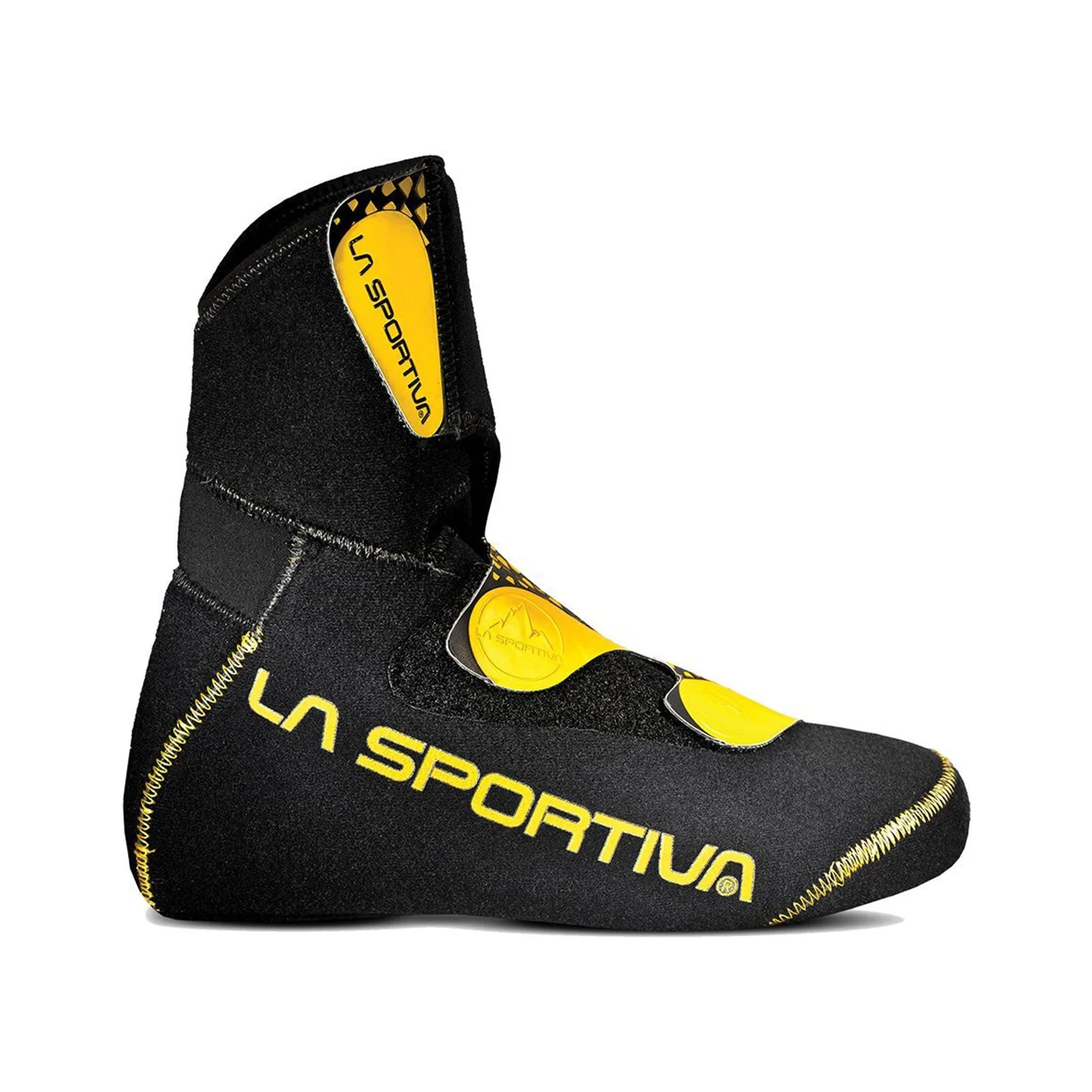
- G2 SM Liner: A replacement liner for the G2 SM mountaineering boot. This liner provides insulation and warmth and has a heat-moldable upper. If you own G2 SM boots, this liner ensures a precise fit and maximum warmth for cold-weather hikes and climbs.
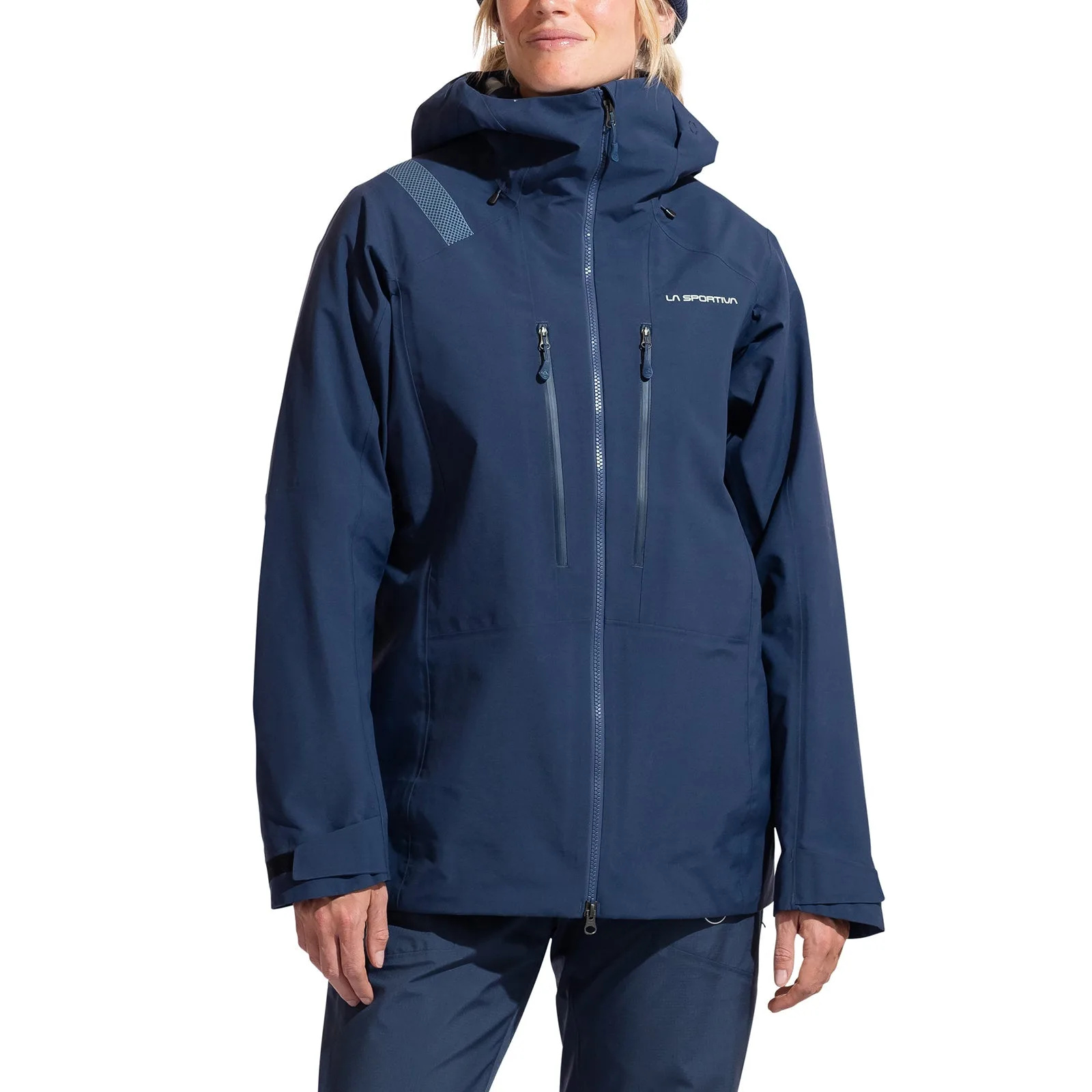
- Nordend Primaloft Pants Men's: The slim-fitting Nordend PrimaLoft Pants provide warmth and comfort on technical alpine routes, mid-winter mountaineering trips, and early spring ski tours. While not socks, these insulated pants are a great complement to your cold-weather layering system, keeping your legs warm so you can focus on your feet.
Fit Guidance: Who Should Choose What
Best for
- Day hikers who want a versatile, medium-weight merino wool sock for most conditions.
- Cold-weather hikers who need thick, insulated socks that fit loosely in mountaineering boots.
Not for
- Trail runners who need thin, minimal socks for maximum ground feel and breathability.
Choosing the perfect hiking socks doesn't have to be complicated. Focus on moisture-wicking materials like merino wool or synthetics, pick a thickness that matches your hike and boot, and ensure a snug fit without bunching. For extra blister protection or warmth, consider a liner sock. With these rules, your feet will stay happy on every adventure.