Quick Answer
To choose the perfect incense for your altar, start by identifying the energy you want to invite—calming, purifying, or uplifting. Match the scent to that intention, choose a pure base like charcoal or natural resin, and test one stick at a time. Avoid synthetic fragrances and overpowering blends that can distract during meditation.
Why Incense Choice Matters for Your Altar
Your altar is a personal space for focus, reflection, or spiritual practice. The incense you burn there sets the atmosphere and can either support or disrupt your intention. A calming sandalwood helps ground a meditation session, while a bright citrus blend might energize a morning gratitude ritual. The wrong scent—too sweet, synthetic, or heavy—can pull you out of the moment instead of deepening it.
Beyond scent, the quality and purity of the incense affect both your experience and your health. Many mass-produced incense sticks use chemical binders and synthetic fragrances that produce harsh smoke. Natural incense made from resin, wood, or pure essential oils burns cleaner and carries a more authentic aroma. For a sacred space, prioritize ingredients you can recognize.
Key Factors to Consider
Start with your intention. Are you meditating, cleansing the space, or setting a mood for journaling? For meditation, choose single-note scents like frankincense, sandalwood, or cedar. For cleansing, white sage or palo santo are traditional choices. For general ambiance, floral or herbal blends can work, but keep them subtle.
Next, consider the format. Incense sticks are convenient and widely available, but cones and loose resin offer a more concentrated aroma. Resin burned on a charcoal disc gives the purest scent but requires a heat-safe burner. Sticks are the easiest for beginners, but check the core—bamboo-core sticks often have a burnt paper smell that can mask the fragrance.
Step-by-Step Guide to Choosing Your Altar Incense
- Define Your Intention: Write down what you want the incense to support: meditation, cleansing, creativity, or relaxation. This narrows your scent options immediately. Common mistake: buying a scent you like in a candle but that feels overwhelming in smoke form. Always test a single stick before committing to a box.
- Check the Ingredients: Look for incense made from natural resins, wood powders, or pure essential oils. Avoid products listing 'fragrance oil' or 'perfume' as the first ingredient. Checkpoint: If the stick smells strongly sweet or chemical in the package, it will likely produce harsh smoke. Trust your nose.
- Match the Format to Your Space: For small altars or rooms, choose thin sticks or cones that burn for 20–30 minutes. For larger spaces, thicker sticks or resin on charcoal last longer and fill the room more evenly. Common mistake: using a thick resin incense in a tiny room—the smoke can become overpowering. Start with a short burn time and ventilate slightly.
- Test One at a Time: Burn one incense type per session for at least three sessions before trying another. This lets you notice how the scent interacts with your practice and your space. Verdict: Once you find a scent that consistently supports your focus or mood, that is your altar incense. Stick with it and only rotate when the energy feels stale.
Products That Complement Your Altar Incense Practice
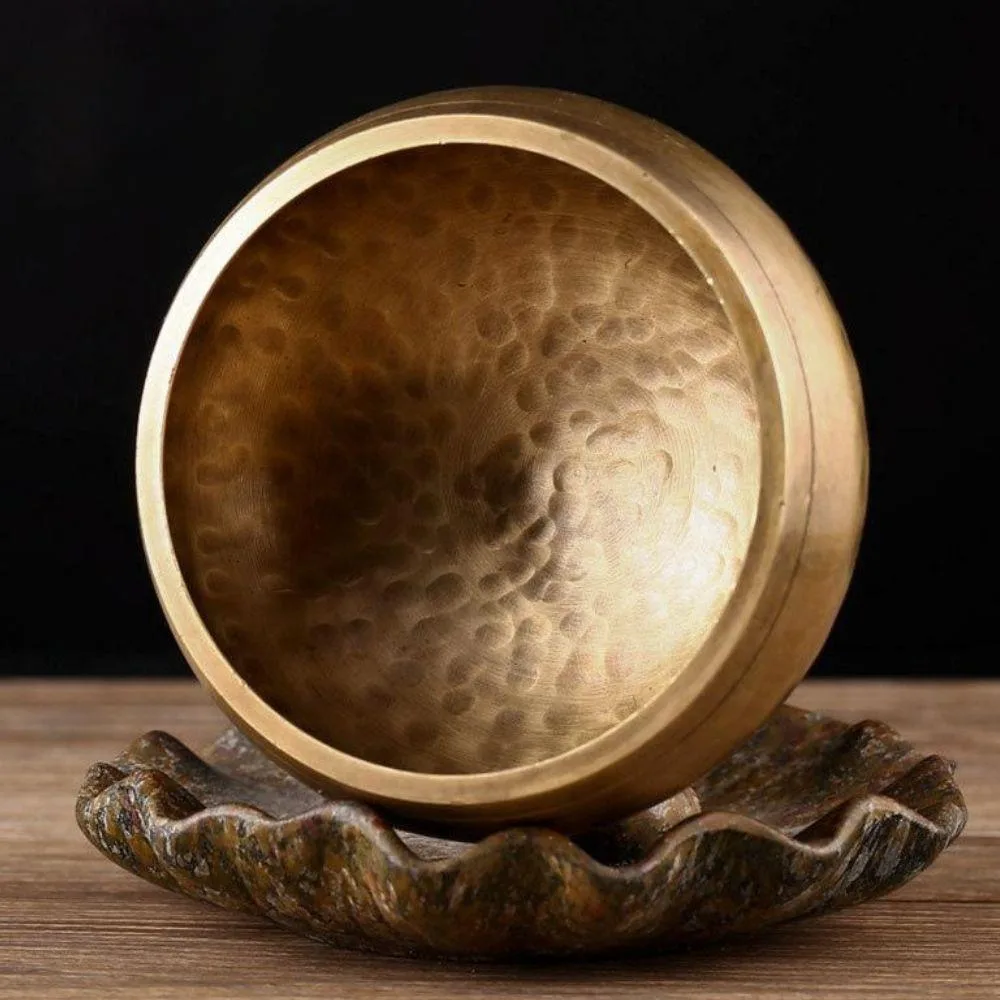
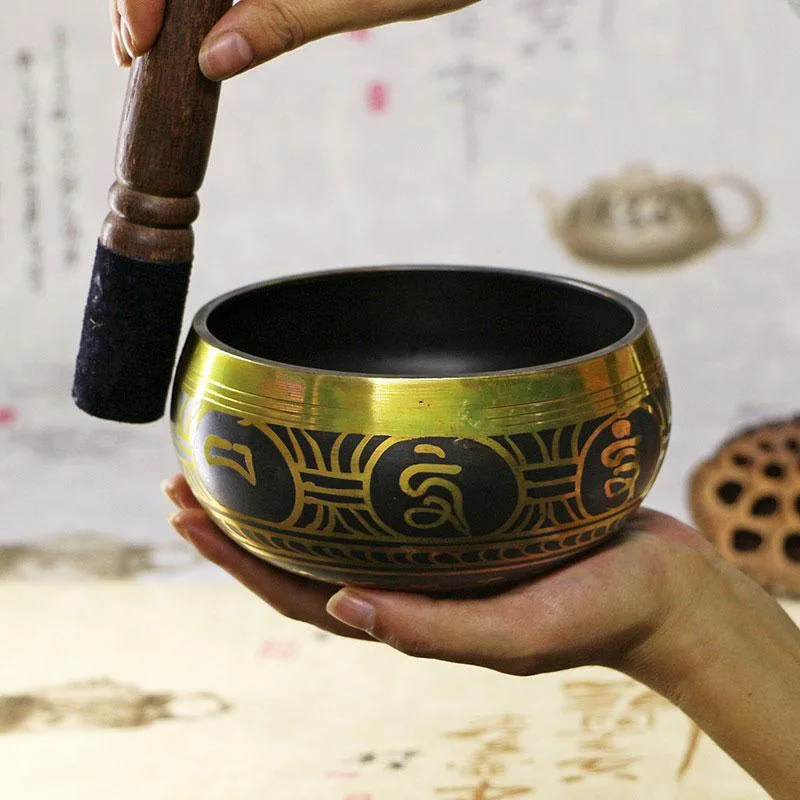
- Flower of Life Crystal Singing Bowl: This Flower of Life Crystal Singing Bowl is described as a cosmic symphony of vibrational bliss, combining sacred geometry with crystal craftsmanship for harmony and relaxation. Pairing your chosen incense with a singing bowl can deepen your meditation or ritual. The sound vibrations help clear the space after burning incense, and the bowl's pure quartz tone aligns well with natural scents like sandalwood or frankincense.
- Nuummite Moon Shape – Mysterious Elegance and Symbolic Power: The Nuummite Moon Shape carving is made from ancient Nuummite, known for its protective and transformative energy, with a dark, shimmering appearance. Placing this moon-shaped piece on your altar next to your incense holder adds a grounding visual anchor. Its protective energy complements purifying incense like sage or copal, reinforcing the intention of cleansing and transformation.