The waiter's corkscrew, also known as a sommelier knife, is the quintessential tool for any wine lover. Whether you're a professional sommelier or a home enthusiast, the right corkscrew can make opening a bottle effortless and elegant. But with so many options on the market, how do you choose the perfect one?
In this comprehensive buying guide, we'll walk you through the key features to consider—from blade design and worm geometry to handle materials and additional functions. By the end, you'll know exactly what to look for to find a waiter's corkscrew that suits your style and needs.
The Anatomy of a Waiter's Corkscrew
A classic waiter's corkscrew consists of several critical parts: the blade (for cutting foil), the worm (the spiral screw), the fulcrum (the lever arm), and the handle. Each component plays a vital role in the tool's performance. Understanding how these parts work together will help you evaluate any corkscrew you consider.
The blade is used to cleanly cut the foil capsule at the top of the bottle. A sharp, sturdy blade prevents jagged edges and ensures a smooth presentation. The worm's design—its thickness, pitch, and coating—affects how easily it penetrates the cork and how securely it grips. The fulcrum, typically a stepped lever, rests against the bottle's lip to provide leverage, allowing you to pull the cork with minimal effort.
- Blade: Look for a sharp, durable steel blade that can be easily opened and locked in place.
- Worm: A thinner worm with a smooth surface reduces cork damage, while a wider pitch can grip softer corks better.
- Fulcrum: A two-step fulcrum offers versatility with different bottle heights and cork lengths.
- Handle: The handle should feel comfortable in your hand and provide a secure grip, even when wet.
Key Features to Look For
When choosing a waiter's corkscrew, consider the following features to ensure you get a tool that performs reliably and lasts for years. The material of the handle is not just about aesthetics; it affects grip, durability, and weight. Wood handles offer a classic, warm feel, while metal or resin handles are often more durable and easy to clean.
The worm's design is arguably the most important functional aspect. A high-quality worm is typically made of hardened steel, with a smooth surface to reduce friction. Some models feature a non-stick coating, which helps the worm glide through the cork and prevents sticking. Also, check the worm's length—it should be long enough to fully penetrate long corks, but not so long that it pokes through the bottom.
Another feature to consider is the blade. A good blade should be sharp enough to cut through foil cleanly without tearing. Some corkscrews include a serrated blade, which can be useful for cutting thicker foil, while others have a plain edge for a cleaner cut. Additionally, look for a corkscrew that offers a comfortable grip, whether it's ergonomic contours or a textured surface.
- Non-stick worm coating: Reduces friction and makes extraction smoother.
- Sturdy construction: Look for full-tang metal or solid wood handles that won't crack.
- Easy blade access: The blade should fold out and lock securely without wobbling.
- Weighted balance: A well-balanced corkscrew feels natural in your hand and requires less force to operate.
Material and Build Quality
The materials used in a waiter's corkscrew determine its longevity and performance. Stainless steel is a popular choice for the worm and blade because it resists corrosion and maintains sharpness. For the handle, options range from traditional woods like beech or olive, to modern materials like ABS plastic, aluminum, or even carbon fiber. Each material offers a different balance of weight, grip, and durability.
If you're a professional sommelier, you'll want a corkscrew that can withstand daily use. Look for models with a full-metal body or a reinforced hinge mechanism. The blade should be made of high-carbon stainless steel, which holds an edge longer. For home use, a wooden handle might be more appealing, but be aware that wood requires more care to prevent cracking and staining.
One excellent example of a high-quality waiter's corkscrew is the Soft Machine Blade – Le Pierre, sommelier’s corkscrew with a folding knife. This tool combines a sharp blade with a comfortable handle, designed for both professional and home use. Its robust construction ensures it will remain a reliable companion for years.
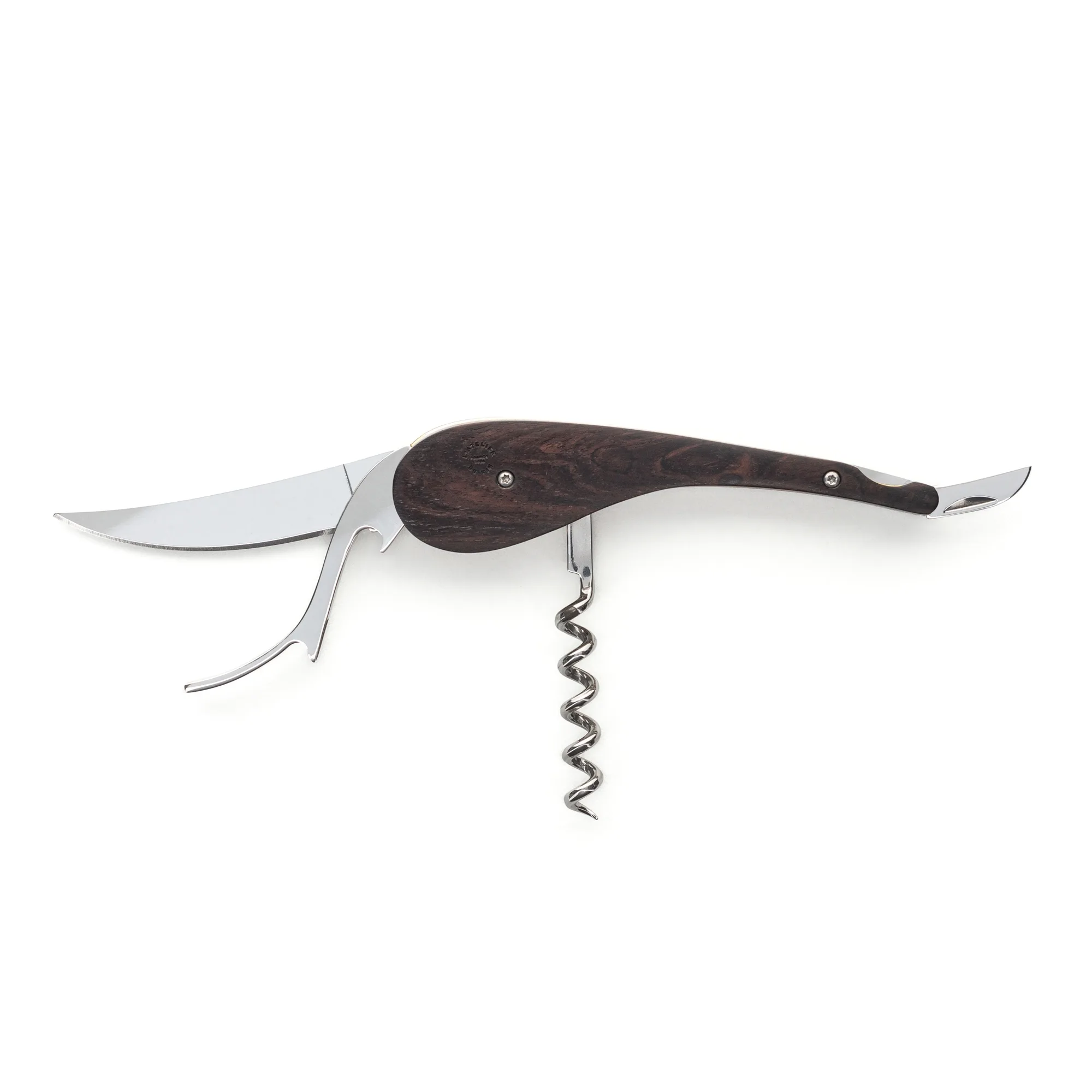
Soft Machine Blade – Le Pierre, sommelier’s corkscrew with a folding knife
- Stainless steel: Best for corrosion resistance and longevity.
- Wood handles: Offer a classic look but need occasional oiling to prevent drying.
- Ergonomic grips: Rubber or silicone inserts can provide extra comfort during prolonged use.
Comparing Waiter's Corkscrews vs. Other Types
While waiter's corkscrews are the most common choice for sommeliers, they aren't the only option. Lever corkscrews, like the Up & Down: A Lever Corkscrew and Stopper Set, offer even more leverage and require less wrist strength, making them ideal for those with limited hand mobility. However, they are bulkier and less portable than a classic waiter's knife.
Electric corkscrews are another alternative, but they rely on batteries and can be less reliable. For most wine enthusiasts, a well-made waiter's corkscrew offers the best balance of portability, functionality, and style. It's a tool that fits easily in a pocket or apron, and with practice, you can open a bottle in seconds, impressing your guests with your skill.
- Portability: Waiter's corkscrews are compact and easy to carry.
- Leverage: Lever models reduce effort but are less convenient to store.
- Skill: Using a waiter's corkscrew is a skill that adds to the wine experience.
How to Test a Waiter's Corkscrew Before Buying
If possible, try the corkscrew before you buy it. Open a bottle of wine and evaluate how the worm penetrates the cork, how smoothly the cork comes out, and how comfortable the handle feels. A good corkscrew should require minimal effort and not cause the cork to crumble or break.
Check the blade's sharpness by cutting through a foil capsule. It should slice cleanly without tearing. Also, test the fulcrum's grip on the bottle's lip—it should sit securely without slipping. Pay attention to the overall build quality: does it feel solid, or does it have any play in the hinges? These small details can make a big difference in your daily experience.
If you're shopping online, read reviews from other users and look for videos demonstrating the corkscrew in action. A reputable brand like L'Atelier du Vin is known for producing high-quality wine tools, so you can trust their products to meet professional standards.
- Test with a real bottle: The best way to judge performance.
- Check for sturdiness: Wiggle the parts to see if they feel loose.
- Read user reviews: Look for comments on durability and ease of use.
Choosing the perfect waiter's corkscrew comes down to understanding your needs and preferences. Focus on the blade, worm, handle material, and overall build quality. Whether you're a professional sommelier or a weekend wine enthusiast, investing in a high-quality corkscrew will enhance your wine experience. Explore the selection at L'Atelier du Vin, including the Soft Machine Blade – Le Pierre and the Up & Down lever set, to find the perfect tool for your collection.