Quick answer
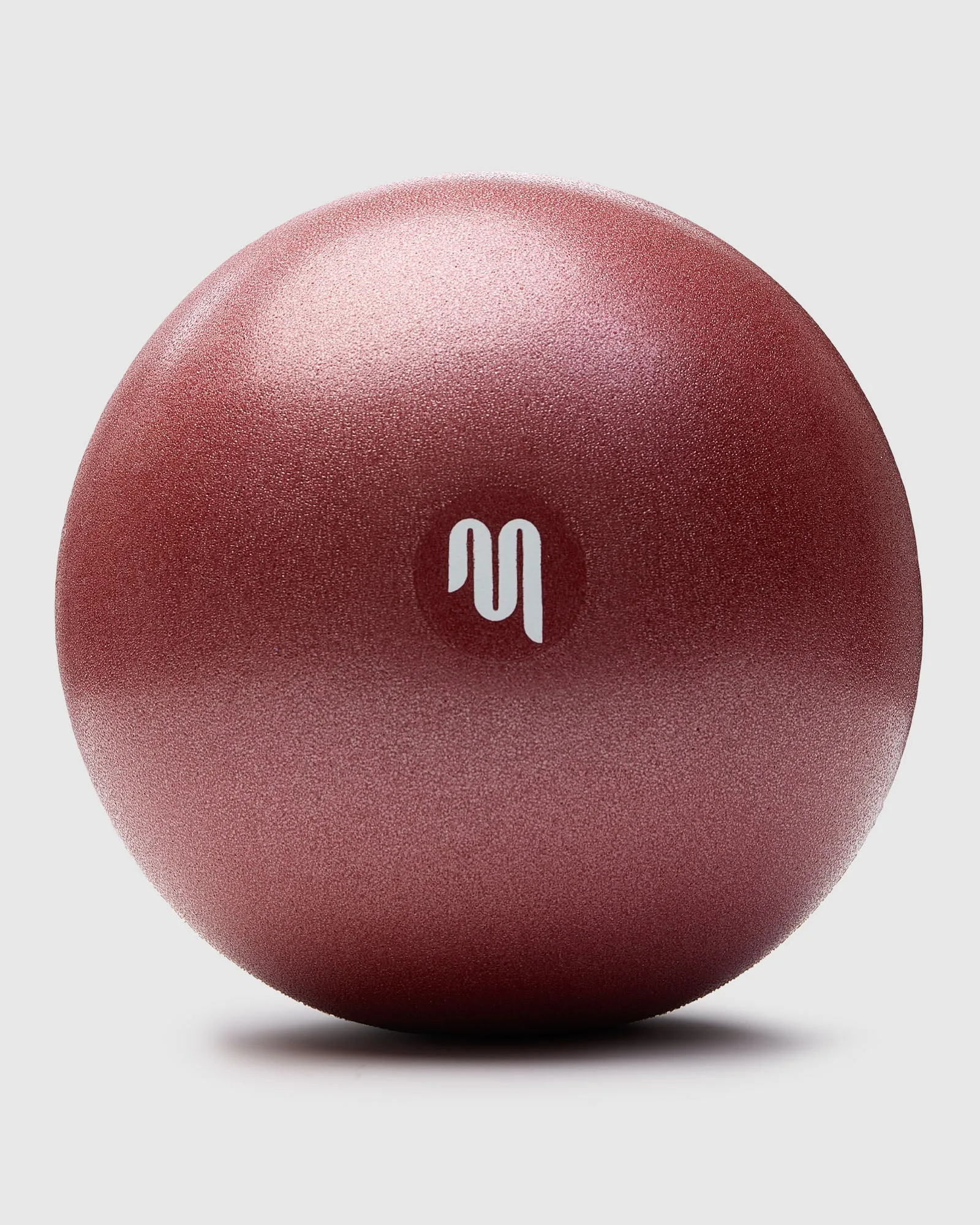
For most adults, a 20cm pilates ball is the safer default because it supports a wider range of core and stability exercises and suits average-height users. Choose a 15cm ball only if you are petite, want a very small pilates ball for home storage, or need it for precise inner-thigh and balance work. If you are unsure, start with 20cm and add a 15cm later for variety.
Why the 15cm vs 20cm pilates ball decision matters
The ball size changes how much support you get and how hard your muscles work. A 20cm ball fills more space under your lower back, hips, or between your knees, so it feels more stable and is easier to control during moves like bridges and seated core work. A 15cm ball creates a smaller contact point, which increases the challenge for balance and inner-thigh engagement but can feel wobbly if you are new to small balls.
Your height and limb length also affect the choice. Taller users often find a 15cm ball too small to bridge comfortably because their hips sit higher off the floor. Shorter users may find a 20cm ball too bulky for certain inner-thigh squeezes. Matching the ball to your body reduces the urge to over-grip with your hands or strain your neck.
How to match ball size to your height and exercise
Use this quick rule: if you are under about 5'4" (163cm), a 15cm ball often fits better for inner-thigh and balance work; if you are 5'4" or taller, a 20cm ball is usually more comfortable for core and back support. For seated exercises where the ball goes behind your lower back, most people prefer 20cm regardless of height because it fills the lumbar curve without slipping.
Think about the exercise first. For glute bridges with the ball between your knees, a 20cm ball gives a more stable squeeze. For standing balance work with the ball between your ankles, a 15cm ball is easier to control. For a mini ball core workout size, 20cm is the more versatile choice because it works for planks, roll-ups, and side-lying moves.
- Under 5'4" and doing inner-thigh squeezes: start with 15cm.
- 5'4" or taller and doing core work: start with 20cm.
- Seated lumbar support: choose 20cm for most users.
- Standing balance between ankles: 15cm is often easier to manage.
- If you only buy one ball for a small pilates ball for home setup: pick 20cm.
What to check before you buy a small pilates ball for home
Look at how the ball is inflated and whether it ships with a pump. A ball that is slightly under-inflated is easier to grip and less likely to roll away, so a pump lets you adjust firmness to your preference. Check the material and grip texture: smooth PVC can slide against leggings, while a slightly textured surface helps during inner-thigh work.
Storage and noise matter at home. A 20cm ball takes up a little more space but still fits in a drawer or tote. A 15cm ball is easier to stash but may need re-inflating more often if it is soft. If you practice on a cork yoga mat, the mat's grip helps keep the ball from shooting away during bridges, especially when paired with non-slip grip socks.
Which pilates ball to buy: 15cm, 20cm, or both
If you are a beginner, buy the 20cm first. It is more forgiving for learning breathing and core control, and it covers more exercises. If you already own a 20cm ball and want to increase difficulty or target inner thighs more precisely, add a 15cm ball. Buying both is useful if you train different body areas in the same week, but it is not necessary to start.
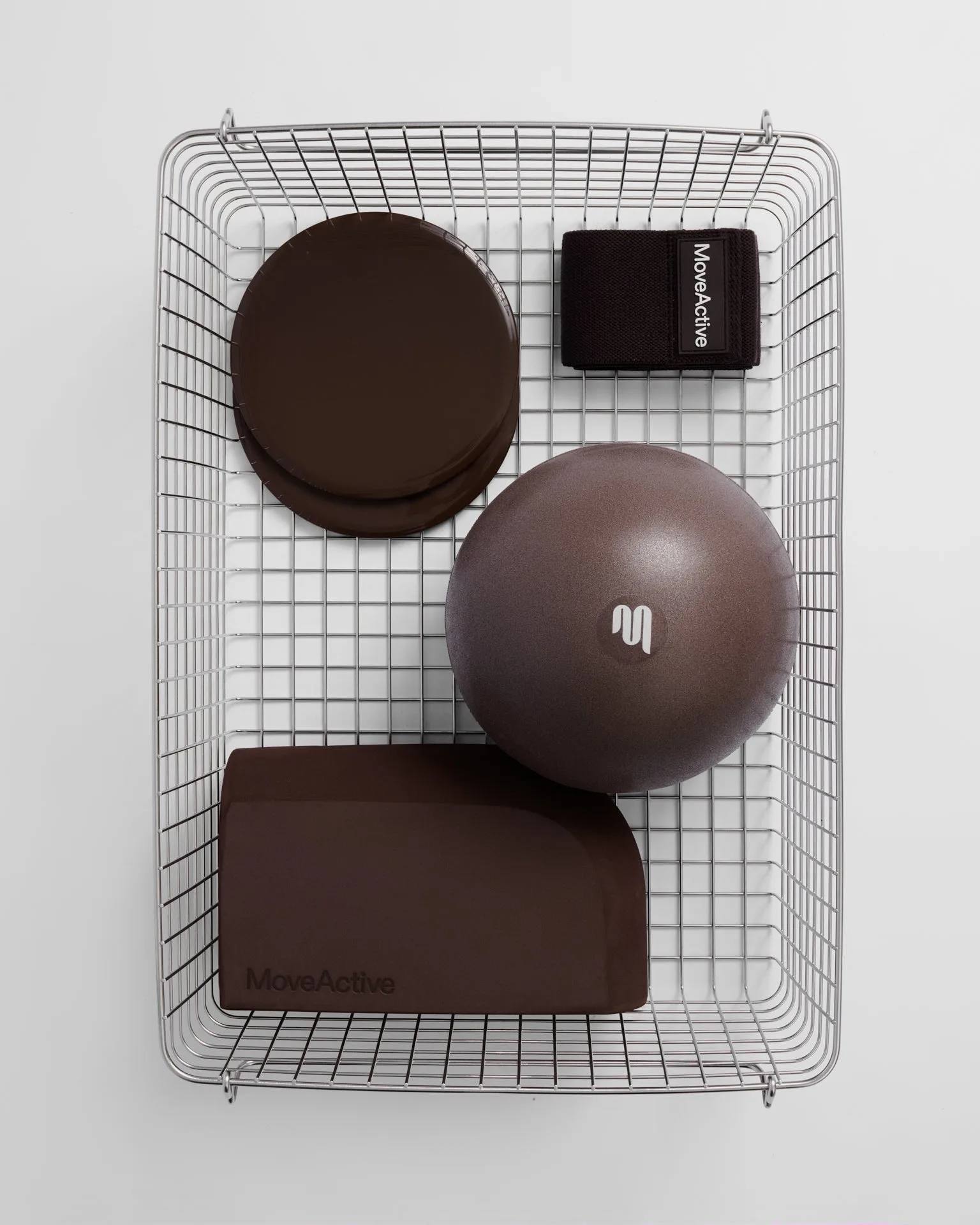
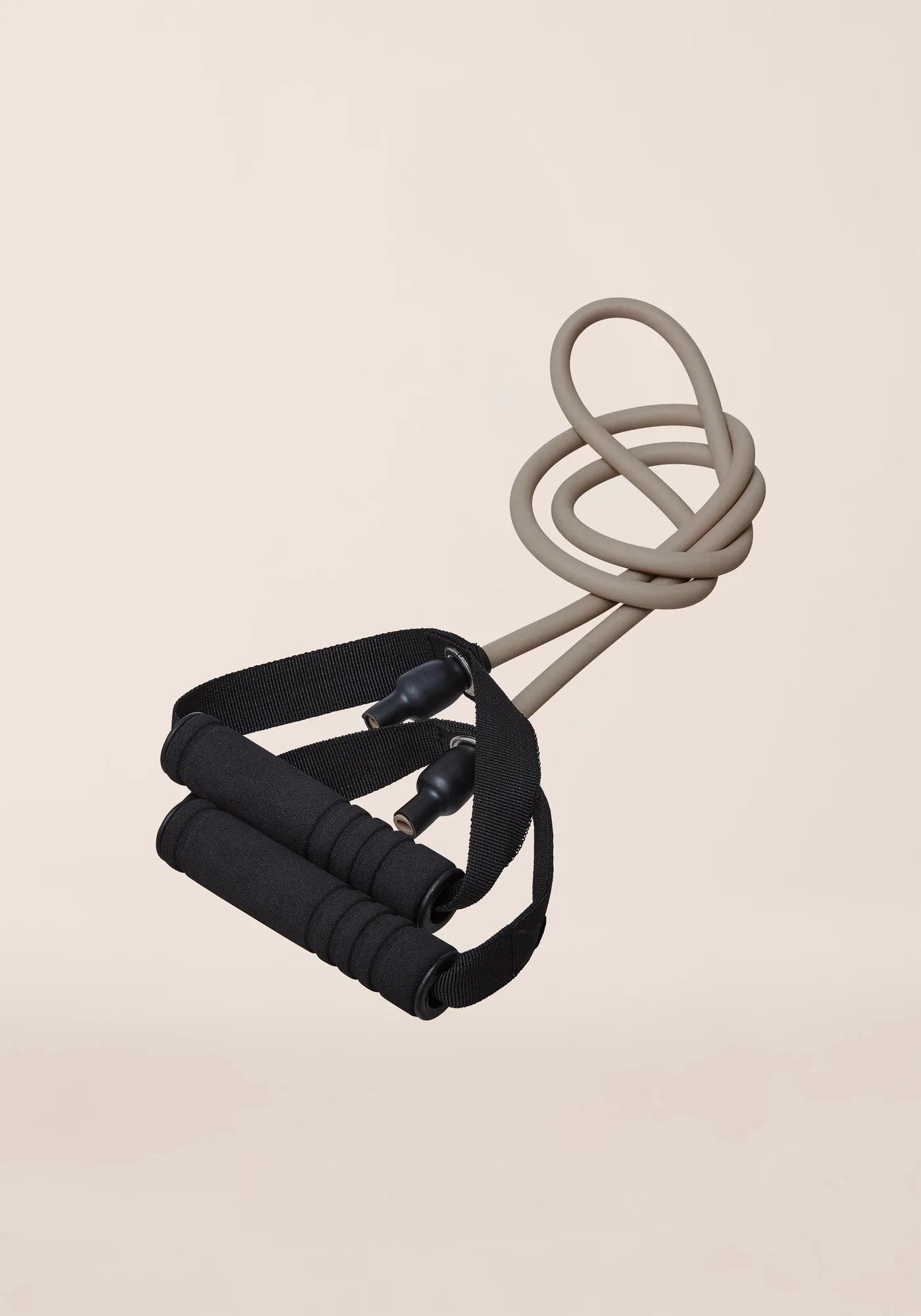
For a guided setup, the Pilates Core Set - Espresso includes a 20-22cm Pilates Ball along with a resistance band, core sliders, and a curved yoga block. That size range sits at the larger end, so it suits average-to-taller users and anyone who wants one ball for general core work. If you are petite and mainly do inner-thigh squeezes, a dedicated 15cm ball may still be the better fit.
Decision rules for choosing your pilates ball size
- Rule 1: Height first: Under 5'4" (163cm), start with 15cm for inner-thigh and balance work. 5'4" or taller, start with 20cm for core and back support. If you are between sizes, choose 20cm for more exercise options.
- Rule 2: Exercise first: For seated lumbar support and glute bridges, choose 20cm. For standing balance between ankles and precise inner-thigh squeezes, choose 15cm. Match the ball to the move you do most often, not the one you do occasionally.
- Rule 3: One-ball buyers: If you only want one small pilates ball for home, pick 20cm. It covers more core exercises and is easier for beginners to control. Add a 15cm later only if you want more challenge or targeted inner-thigh work.
- Rule 4: Check inflation and grip: Choose a ball with a pump or easy inflation so you can soften it for grip or firm it for support. Pair it with a non-slip mat and grip socks to reduce rolling. A slightly under-inflated ball is easier to control when you are learning.
Product facts that affect your size choice
- Pilates Core Set - Espresso: Includes a 20-22cm Pilates Ball plus a medium resistance band, core sliders, and a curved yoga block. This set gives you a larger ball that suits average-to-taller users and covers core, stability, and mobility work without buying each piece separately.
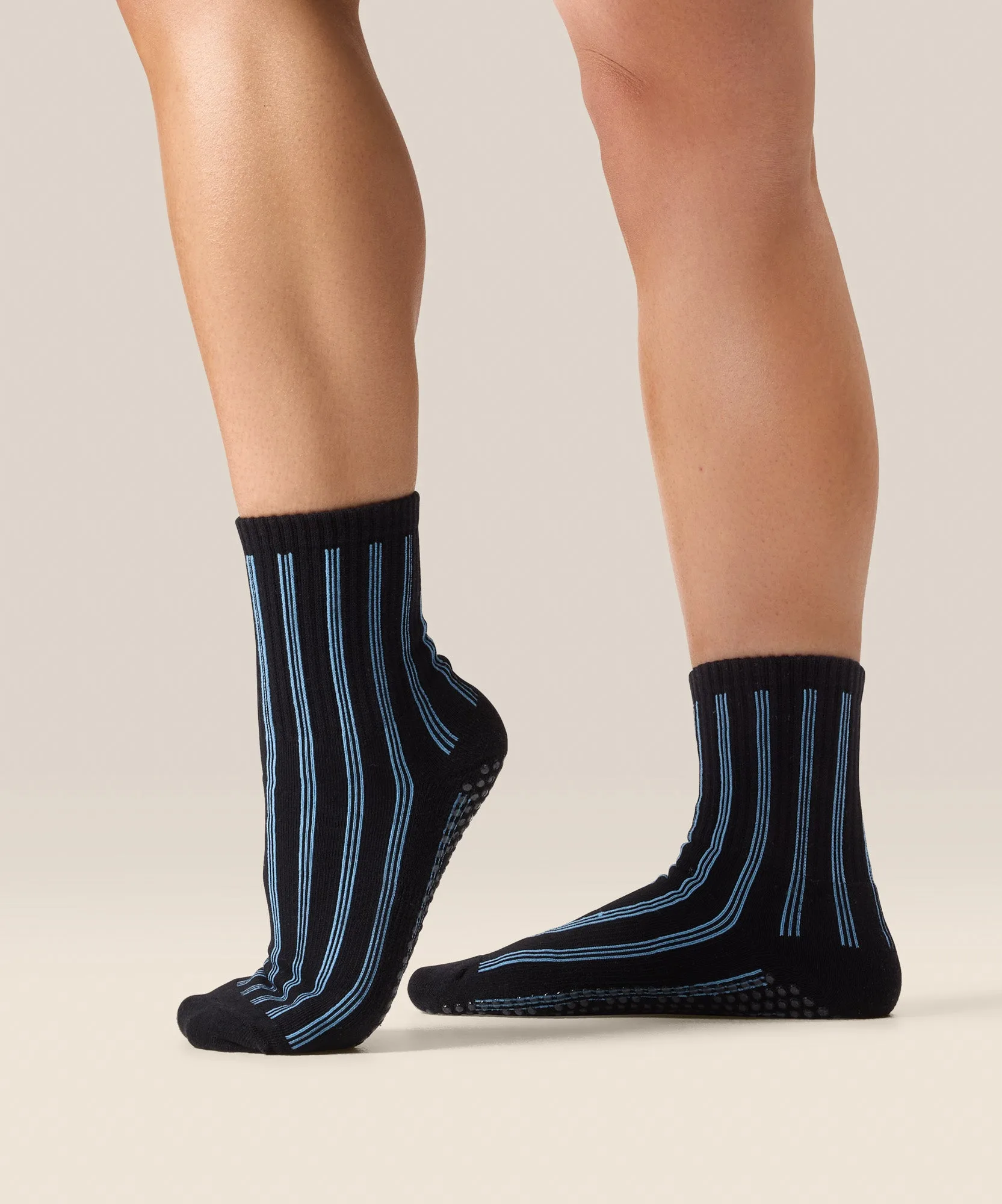
- Crew Grip Socks - Midnight Carnival: Crew Grip Socks - Midnight Carnival have non-slip PVC grips on the sole and an elasticised cuff. Grip socks keep your feet planted on the mat, which helps you control the ball during bridges and inner-thigh squeezes instead of sliding.
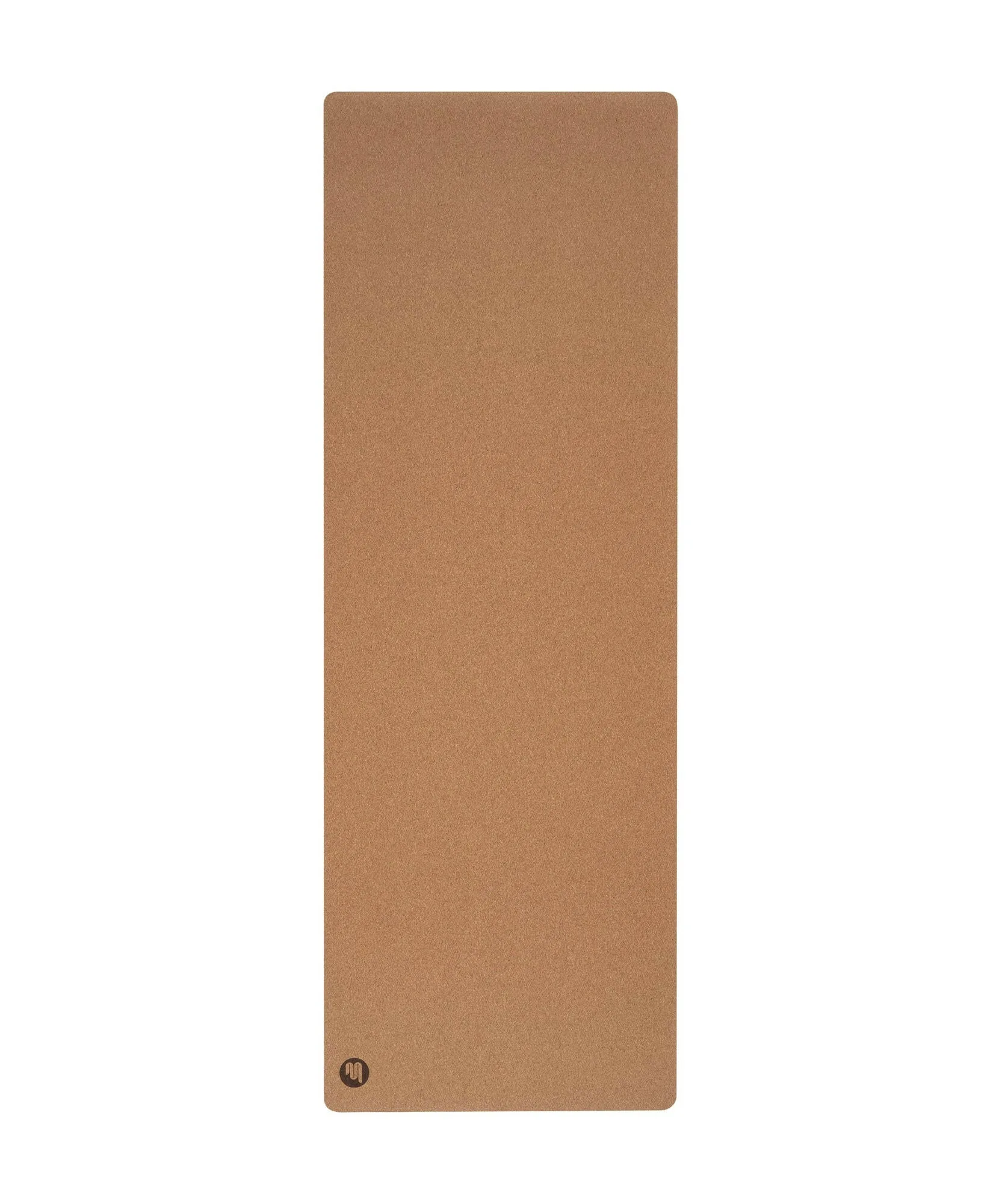
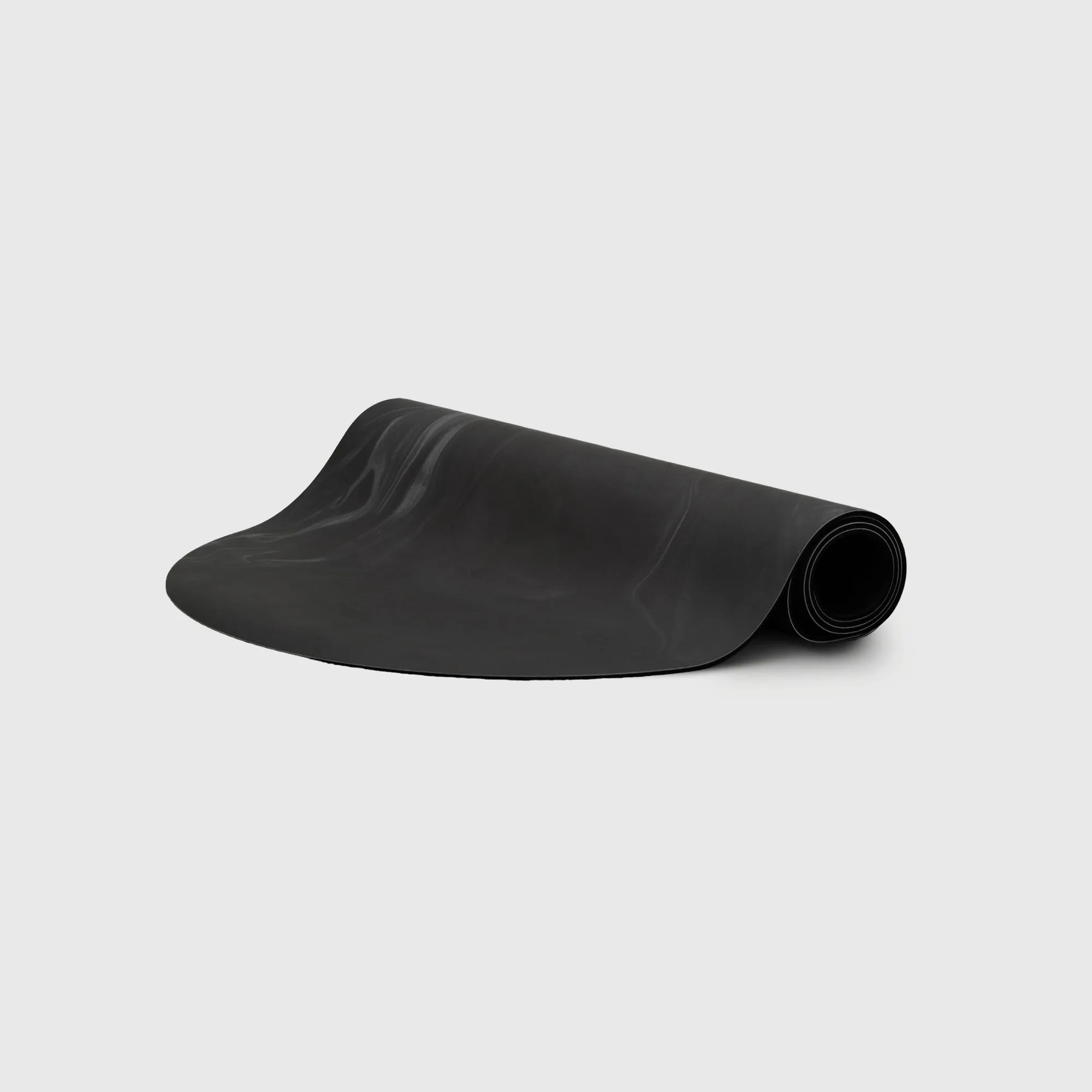
- Cork Yoga Mat: Cork Yoga Mat has a 100% cork top layer and a biodegradable natural tree rubber base, plus a carry strap. A stable, grippy surface reduces ball roll-away during floor work, so you can focus on form rather than chasing the ball.
Who should choose which size
Best for
- Adults 5'4" and taller who want one versatile ball for core and stability work
- Beginners learning breathing and core control who need a more forgiving size
- Anyone doing seated lumbar support or glute bridges with a ball between the knees
- Home users who want a small pilates ball that still covers most exercises
Not for
- Petite users under 5'4" who mainly do inner-thigh squeezes and want a precise fit
- Advanced users looking for a very unstable challenge who already own a 20cm ball
- Anyone who needs a ball for standing balance between the ankles, where 15cm is easier to manage
- Users with limited storage who want the smallest possible footprint