Quick answer
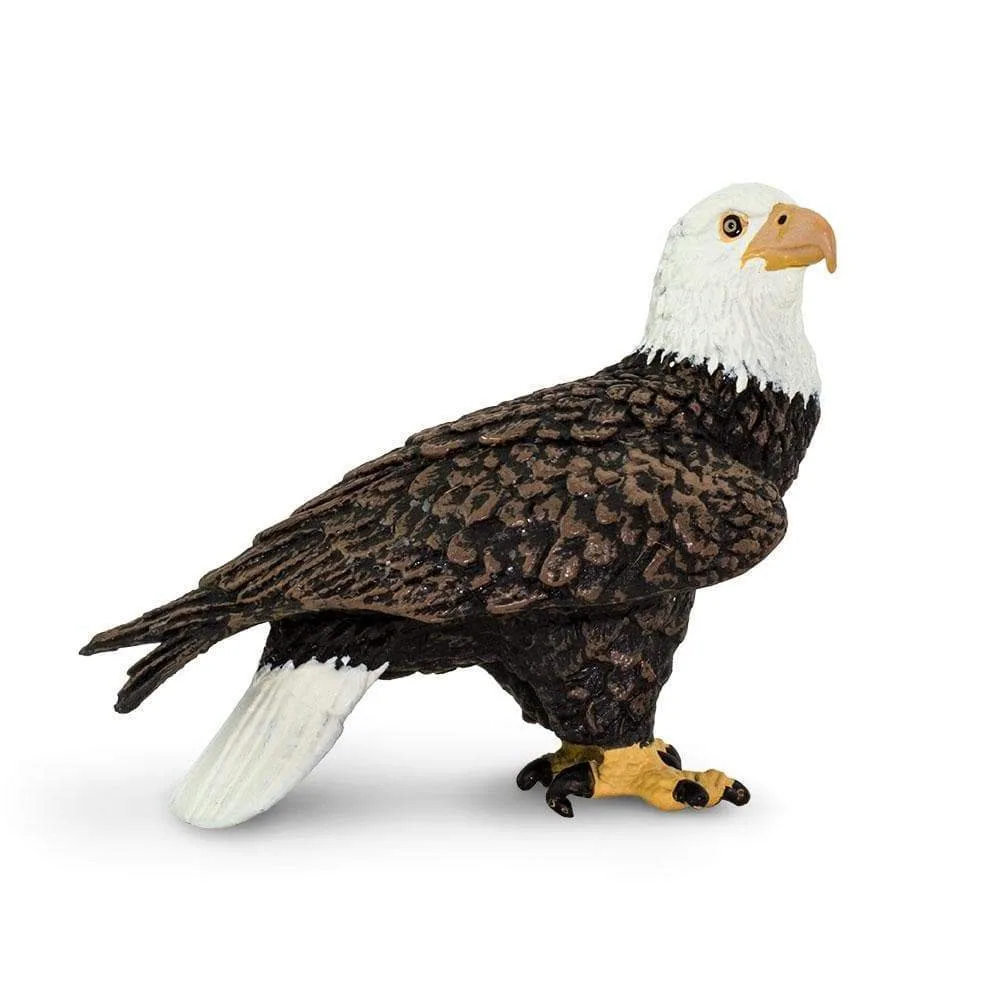
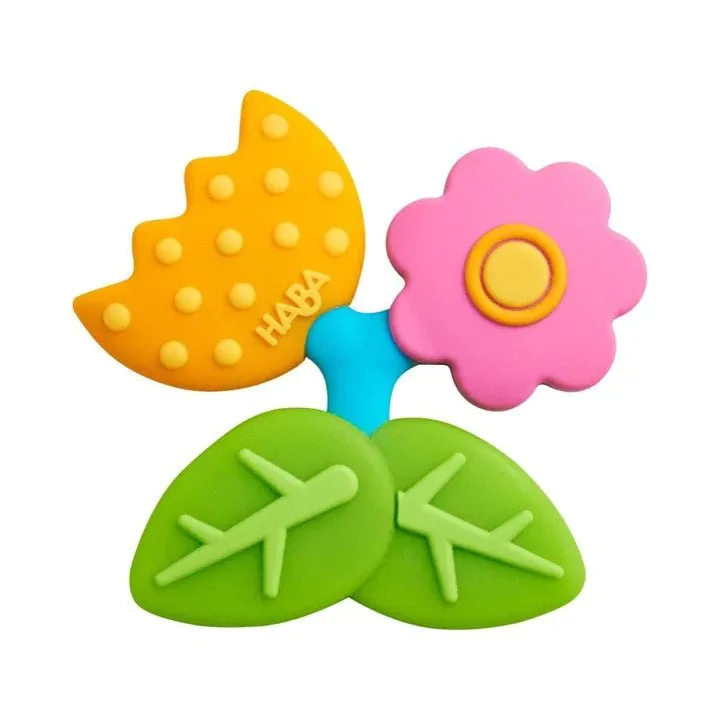
Choose pretend play toys that match your child's current stage but leave room for the next one: open-ended figures, simple props, and role-play sets that can be used in more than one way. For toddlers, start with a few safe, chunky pieces like the Petal Clutch Toy for mouthing and grasping. For ages three and up, add small-world figures such as the Dalmatian Toy or https://safariltdexn.com/products/incredible-creatures-bald-eagle-figurines-251029-daee25a47ffb5860f9d953ad-1379697Bald Eagle Toy that can star in many different stories. Avoid single-purpose electronic toys that script the play for your child.
Pretend play toys are the props your child uses to act out stories, roles, and everyday scenes. The best ones are not the most elaborate or the most expensive; they are the ones your child can pick up today and still find new ways to use six months from now. This buying guide gives you concrete decision rules so you can choose imaginative play toys that grow with your child instead of being outgrown in a month.
We will look at what changes as children move from toddler to preschool to early elementary, which materials and features hold up to daily play, and where it makes sense to spend versus save. You will also see how a few well-chosen figures and role-play props can cover a wide range of pretend play for toddlers through early grade school, and when a more structured toy is actually the better call.
Match the toy to the stage, not the age on the box
A two-year-old mostly explores with their mouth and hands, so pretend play looks like clutching, banging, and simple cause-and-effect. A four-year-old assigns roles and talks through a scene. A six-year-old builds multi-step plots and cares about accuracy. The same toy can serve all three stages if it is simple enough. A smooth silicone teether like the Petal Clutch Toy is a good example for the youngest stage: it is BPA- and phthalate-free, sized at 3 x 2.75 inches, and rated for age 2 and up, so it supports mouthing and grasping without pretending to be a complex play set.
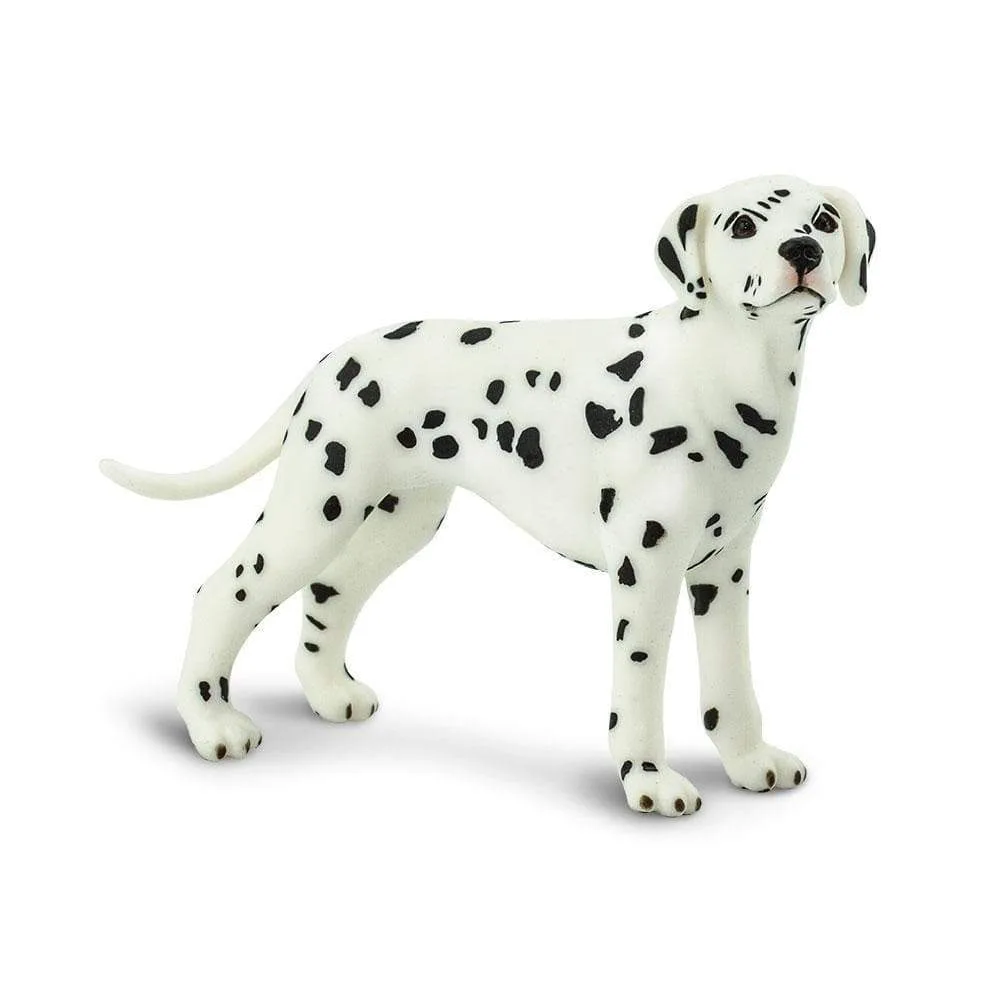
For ages three and up, small figures unlock story play. The Dalmatian Toy is a hand-painted figure of a dog breed known for its distinctive spotted coat, and it can be a family pet, a vet patient, or a character in a rescue story. The Bald Eagle Toy works the same way: it is a bird of prey found throughout North America, and it can be a zoo animal, a forest resident, or part of a science lesson. Because these figures do not have a single scripted role, they stretch across stages.
- Toddler (roughly 18 months to 3 years): prioritize safe materials, no small parts, and simple shapes that reward grasping and mouthing.
- Preschool (3 to 5 years): add figures and props that invite role assignment and short scenes.
- Early elementary (6 to 8 years): choose items with enough detail to support accurate stories and collections.
Prioritize open-ended props over scripted features
A toy that talks, lights up, or plays a fixed song often does the imagining for your child. That can be fun for a week, but it limits replay because the toy already decided what happens. Open-ended props do the opposite: a plain wooden block can be a phone, a cake, or a brick. A simple animal figure can be a pet, a wild creature, or a character in a made-up land. When you are comparing pretend play toys, ask whether your child can use the item in at least three different stories. If not, it is probably a one-scene toy.
This is why small, well-made figures and basic role-play props tend to have a longer useful life than large electronic sets. The Knights & Dragons Bulk Bag is a good example of open-ended value: it includes 48 individually painted miniature knights and dragons, so multiple children can play at once and the pieces can be sorted, traded, and recombined into new adventures. The trade-off is that 48 pieces require storage and a bit of cleanup discipline, and some pieces are small enough that they are not appropriate for children who still mouth toys.
- Test for open-endedness: can your child name three different uses for this toy right now?
- Avoid toys where the play pattern is fixed by a button or a screen.
- More pieces can mean more play value, but also more storage and supervision.
Check safety, materials, and durability before you buy
For pretend play for toddlers, safety comes first. Look for non-toxic finishes, no sharp edges, and no parts small enough to swallow. The Petal Clutch Toy is made of silicone plastic that is BPA- and phthalate-free, which matters because teething toddlers put toys in their mouths constantly. For painted figures, check that the paint is sealed and does not flake. Hand-painted figures like the Dalmatian Toy and Bald Eagle Toy are designed for display and play, but they are not teethers; keep them for children who have moved past mouthing.
Durability is the other half of value. A toy that breaks in a month is not a bargain at any price. Solid materials, secure paint, and simple joints hold up better than thin plastic and glued-on accessories. If you are buying for a group or a classroom, choose pieces that can survive being dropped, stepped on, and packed away daily. That usually means fewer, sturdier items rather than a large set of fragile ones.
- Check the age rating and the smallest part before buying for a child under three.
- Prefer toys with sealed paint and no loose accessories.
- For group play, buy duplicates of the most popular pieces to reduce conflict.
Build a small core collection instead of a big one-time set
A focused collection of pretend play toys beats a single large set because it lets you add only what your child actually uses. Start with two or three figures, one or two role-play props, and a storage container. Then watch what your child reaches for. If they always choose animals, add another figure. If they build scenes with food, add play food and kitchen toys. This approach keeps spending aligned with real play patterns and avoids a closet full of unused plastic.
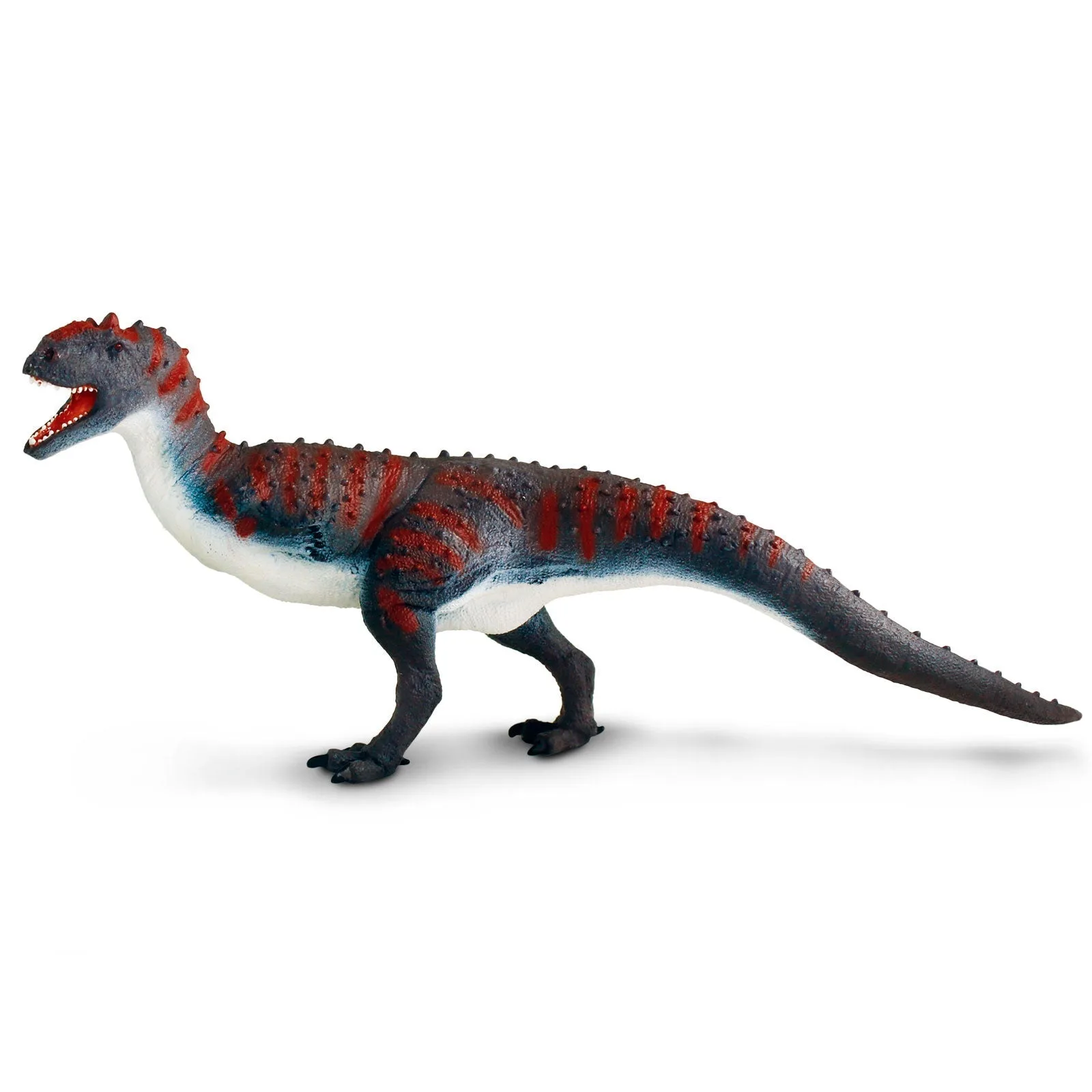
The Majungasaurus Toy is a good example of a single figure that adds a lot to a small collection. It is an abelisaurid dinosaur related to Carnotaurus, with a single horn on its head and tiny backswept arms, and it was discovered on the island of Madagascar. That level of detail gives a child something to talk about, compare, and research, which extends play into early science. The trade-off is that a single figure is not a full play set; it works best as part of a collection that already has a few other pieces.
- Start with a base of two to three figures and one role-play prop.
- Add new pieces only after you see what your child uses most.
- Use a labeled bin or bag so pieces do not scatter and get lost.
Plan for storage, cleanup, and rotation
Pretend play toys multiply quickly, and a messy pile makes play harder because children cannot find what they need. A simple system works best: one bin for figures, one for props, and one for dress-up items. Rotate a few items out of sight every month and bring them back later; the novelty returns without buying anything new. If you have a large set like the Knights & Dragons Bulk Bag, a divided container or a few small bags keep the 48 pieces usable instead of overwhelming.
Cleanup is also a safety issue. Small parts that end up on the floor are a hazard for younger siblings and a loss for the set. Choose toys that are easy to wipe clean and store, and involve your child in putting things away from the start. A toy that is easy to reset gets played with more often, which is the real test of whether it was worth buying.
- Use open bins for figures and closed bags for small pieces.
- Rotate toys monthly to refresh interest.
- Wipe hard surfaces and wash fabric props according to the maker's instructions.
Decision rules for buying pretend play toys
- If your child is under three: Choose safe, mouth-friendly items with no small parts, such as the Petal Clutch Toy, and skip painted figures until mouthing stops. Safety first; add figures later.
- If your child is three to five: Buy two or three open-ended figures like the Dalmatian Toy or Bald Eagle Toy, plus one role-play prop such as a simple kitchen item or dress-up piece. A small core collection beats a big set.
- If your child is six to eight: Add detailed figures like the Majungasaurus Toy that support accurate stories and collections, and consider a bulk bag for group play. Detail and quantity matter more at this stage.
- If you are buying for a group or classroom: Choose a set with enough pieces for several children, such as the Knights & Dragons Bulk Bag, and plan storage before you buy. Piece count helps, but storage is part of the cost.
- If you are unsure whether a toy will last: Ask whether your child can use it in at least three different stories. If not, it is likely a short-term toy. Open-ended wins over scripted.
Product facts that matter for this decision
- Petal Clutch Toy: This colorful silicone teether and clutching toy features different textures for oral stimulation, is made of silicone plastic that is BPA- and phthalate-free, measures 3 x 2.75 inches, and is rated for age 2+. For the youngest stage, this is a safe mouthing and grasping toy that supports early sensory play without small parts. It is not a pretend play figure, so pair it with simple props as your child moves into role play.
- Dalmatian Toy: Dalmatians have a distinctive spotted coat and are smart, outgoing, and highly energetic; this hand-painted figure appears attentive and ready to run. A single animal figure can be a pet, a vet patient, or a story character, so it stretches across several years of pretend play. It is best for children past the mouthing stage.
- Bald Eagle Toy: The bald eagle is a sea eagle found throughout North America, the largest eagle native to North America, and its diet consists almost entirely of water-dwelling animals. This figure supports both imaginative play and early science learning, which makes it a strong pick for children who like to ask questions and build accurate stories.
- Knights & Dragons Bulk Bag: This 48-piece bulk bag includes individually painted miniature knights and dragons, designed for medieval adventure play. The large piece count supports group play and recombining into new scenes, but it requires storage and supervision because some pieces are small. It is a strong value for siblings or classrooms.
Who should buy which pretend play toys
Best for
- Parents of toddlers who need safe, mouth-friendly sensory toys before moving into figures.
- Families with children ages three to eight who want a small collection of open-ended figures and props that can be reused for years.
- Teachers and group leaders who need durable, multi-piece sets for shared pretend play.
Not for
- Shoppers looking for a single electronic toy that entertains a child with no adult involvement.
- Households that cannot store or supervise small parts, especially around children under three.
- Buyers who want a complete themed play set in one purchase rather than building a collection over time.
The right pretend play toys are the ones your child can use in many ways at many ages. Start with safe, simple pieces for toddlers, add open-ended figures and props as language grows, and buy more only when you see what your child actually reaches for. That approach keeps the collection useful, the floor manageable, and the play going for years.